How Uber will Redefine Healthcare

http://altarum.org/health-policy-blog/how-uber-will-redefine-healthcare

UberUber

My Twitter pal and founding partner of Forthright Health Management, Tom Valenti, wrote in TechCrunch that “there will never be an Uber for healthcare” because “[h]ealthcare is not a transaction business; it is a relationship business.”

I’ll respectfully disagree: Healthcare “Ubers” are already proliferating and will ultimately reshape 21st-century medicine. The more aspects of healthcare we can shift from relationship to transaction, the better life will be for patients and doctors alike.

C-suite feels ripple effect from Medicaid expansion, study says

http://www.healthcarefinancenews.com/news/c-suite-feels-ripple-effect-medicaid-expansion-study-says

Arkansas is one of the four Medicaid expansion states who participated in the study.

Arkansas is one of the four Medicaid expansion states who participated in the study.

Medicaid expansion is making a difference as to whether hospitals are investing in clinics, new equipment and hiring new staff, or looking at the status quo and layoffs, according to a recent report by Georgetown University Health Policy Institute.

Hospitals in Medicaid expansion states have realized a drop in uncompensated care; an increase in institutional financial security; new community efforts to integrate and improve care; and innovative programs to expand access to specialists, according to the study.

CEOs who head hospitals in both expansion and non-expansion states said they saw a drop in uninsured rates in expansion states that was not as dramatic in non-expansion states.

This has translated to a decline in uninsured patient stays by close to 40 percent. Non expansion states reported a decline of 2.9 percent.

Uninsured would drop by millions, enrollment would swell if Medicaid expansion holdouts opted in

http://www.healthcarefinancenews.com/news/uninsured-would-drop-millions-enrollment-would-hit-nearly-9-million-if-remaining-medicaid?mkt_tok=eyJpIjoiTXpsak9USm1PR1F4WlRrMCIsInQiOiIrUk84a1NPYTRob3g4OHVJckpIMEtXaldKalB5ck1kZHhcL29lbURhRjZaazdFNXdZbDVucEdpVjFJenhOdDh1Vkl2UVBxOE91Q2tUWktTdDdKc0x1ZFVDdmZPOTBSTXo1dDJyWkdHRlBVUms9In0%3D

Photo by <a href="https://www.flickr.com/photos/dph1110/3460882920"> David Herrera </a>

Nineteen states have yet to expand their Medicaid programs under theAffordable Care Act, and a new study from the Robert Wood Johnson Foundation shows just how much enrollment would increase if they did: 7.8 to 8.8 million, while the number of uninsured would decline between 4.1 and 5 million, the research found.

That’s in addition to about 6.9 million people who would be subtracted from the ranks of the uninsured under the major coverage provisions of the ACA.

More than half of these people would be in three states: Texas (1.2 million), Florida (877,000), and Georgia (509,000). More than four-fifths of the uninsured people gaining Medicaid eligibility would be adult without children, while about 48 percent of the uninsured gaining eligibility would be white non-Hispanic; 52 percent are working either full- or part-time.

Mike Pence’s health policy record is a mixed bag

http://www.healthcarefinancenews.com/news/mike-pences-health-policy-record-mixed-bag

Photo by <a href="https://www.flickr.com/photos/gageskidmore/16502595039"> Gage Skidmore </a>

Indiana Gov. Mike Pence is in the spotlight this week as the man Donald Trump has picked to be his running mate. Pence’s decisions about health and health care in Indiana have drawn attention from within and outside the state. His record could be important in November, because Trump doesn’t have a legislative record at all.

Here’s a quick look at the governor’s history in terms of health policy in Indiana.

Standard & Poor’s puts Aetna, Humana on credit watch following DOJ move to block merger

http://www.healthcarefinancenews.com/news/standard-poors-puts-aetna-humana-credit-watch-following-doj-move-block-merger

S&P Global Ratings has placed Aetna and Humana on creditwatch following the Department of Justice’s announcement Thursday to block their merger.

S&P said it has placed its ratings on Aetna on creditwatch with developing implications, and on Humana and its core subsidiaries on creditwatch with negative implications.

The DOJ also blocked the merger between Anthem and Cigna on Thursday.  S&Psaid its ratings on the two insurers would remain on creditwatch negative, where they were placed on June 21, 2015.

Anthem and Aetna have both said they would fight the DOJ’s injunction against their respective mergers in court.

For Anthem’s proposed $53 billion acquisition of Cigna, litigation could be difficult and time-consuming, S&P said.

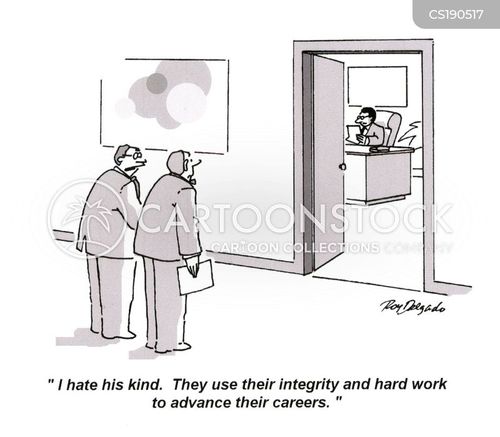
What Is Organizational Integrity?

What Is Organizational Integrity?

20140527_134250

Clearly, organizational integrity is broader than individual integrity, but what does it include? It seems to me that taking the concept of individual integrity to the organizational level, organizational integrity would mean full alignment in what an organization thinks, says and does.

When an organization demonstrates full alignment, all company messages, actions, decisions, leadership and rewards align. It’s not enough to just ensure alignment, though, because alignment without values can lead an organization away from ethical decisions and actions.

LEADERS SAY THINGS OTHERS WON’T SAY

https://leadershipfreak.wordpress.com/2016/07/25/leaders-say-things-others-wont-say/

It’s better for you to say it than for someone else to whisper it.

One of the hardest things about leadership is when you not only have to make the tough call, but also must speak a tough truth. Saying things that people don’t want to hear is never easy. It’s never fun. It’s one of those things that many leaders wish they could delegate. But because tough news should come from the leader, it’s a weight you have to carry.

Sanders convention speech cites Clinton health care concessions

Sanders convention speech cites Clinton health care concessions

In a Democratic convention speech that revisited the agenda of his surprisingly competitive campaign for the nomination, Sanders reminded the audience that while he may have lost the race, he did succeed in convincing Clinton to support three important proposals: a “public option” for Obamacare, letting people join Medicare early, and a big funding increase for community health centers.

“This campaign is about moving the United States toward universal health care and reducing the number of people who are uninsured or underinsured,” Sanders said. “Hillary Clinton wants to see that all Americans to have right to choose public option in their health care exchange.”