How Elevance Health plans to integrate ‘food as medicine’ across its lines of business

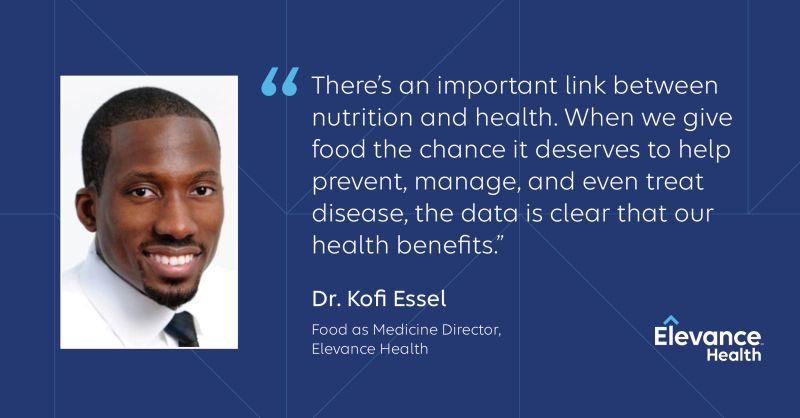
In June, Elevance Health named Kofi Essel, MD, as its first food as medicine program director, signaling a paradigm shift within one of the country’s largest healthcare organizations. 

Dr. Essel is a community pediatrician by training, having most recently worked at Children’s National Health System in Washington, D.C. Before that, he was the director of the culinary medicine program at George Washington University’s School of Medicine and Health Sciences. 

He sat down with Becker’s to discuss how Elevance is building a food as medicine strategy intended to eventually touch and improve the lives of its more than 47 million members nationwide.

Question: How do you define “food as medicine” as it relates to your role at Elevance Health?

Dr. Kofi Essel: The definition I’ve been leading around “food as medicine” are the strategies or interventions that work alongside healthcare and give access to high-quality foods, and a focus on prevention, management and treatment of disease. We also love to center this around health equity and thinking strongly about the importance of high-quality nutrition education as well.

Q: What’s your plan to integrate the “food as medicine” concept into Elevance Health’s insurance and other product offerings?

KE: We as a company strongly believe in the concept of whole health and really recognizing that the health of our members around the country is far more than what’s happening in the four walls of the clinical setting. We also believe that because we get great insight into the lives of our members in a variety of different settings, we are uniquely positioned to be able to respond to their whole health, including socioeconomic and behavioral health backgrounds. Food as medicine fits into this concept because we’re thinking about challenges around food and nutrition insecurity, and diet-related chronic diseases. This is a quite prevalent issue across the country, and we’re thinking about this through every line of business in Medicaid, commercial and Medicare. 

We’ve been doing a lot of work in this space as an organization, and our philanthropic arm has committed $30 million over a three-year period to authentic foods as medicine solutions. One of the grantees that we supported in their community based efforts has been Feeding America, the largest umbrella organization for the majority of food banks around the country. They’ve been doing some phenomenal work creating what we call food pharmacies, which team up with health clinics. We’ve seen them collect some unique data, so we’re really excited about what we expect to see from that partnership in particular. 

I will also say one of the big things that I’ve been working with our teams around is building our actual strategy. How are we going to incorporate this concept into every line of business? We are getting ready to roll out some pilots because the data is quite clear that these interventions are effective.

Q: Are there emerging trends or innovations in nutritional science that you think can enhance traditional health plans?

EF: The science around food as medicine is emerging and exciting and exists — and the data is quite clear that diet affects disease and health outcomes. There are a few different kinds of food as medicine interventions, such as medically tailored meals, medically tailored groceries and produce prescriptions.

There’s also strategies around using federal nutrition programs and other population or community-level policies and programs that we can lean into, including around quality nutrition education. I reviewed one recent study that looked at the power of produce prescription initiatives, which a lot of people have asked me, “What’s the point?” I point them to the data: One in 10 adults and children consume enough fruits and vegetables, meaning our consumption of fiber and other nutrients is quite low. 

When families are provided a produce prescription, we see significant changes in hemoglobin A1C, which is a marker for diabetes. We see significant changes in blood pressure and significant improvement in weight management and overall health outcomes. So the data that these interventions can work is a powerful reminder to keep this great work going.

Q: Why should every major healthcare organization employ someone in your role?

EF: When you look at professional guidelines for organizations addressing a variety of different diet-related chronic diseases, one of the first things you’re going to see as an intervention option for patients is using lifestyle components such as food as a priority.

Unfortunately, the reality is we as medical providers aren’t always given the training that’s necessary to be able to engage in these meaningful conversations with our patients and families. It’s important to have a paradigm shift in how we incorporate this priority topic into how we engage with members across the country. Having a food as medicine director, or prioritizing food as medicine within an organization, is a key element to improving the health of patients and members. 
North Carolina Blues plan says food-as-medicine program resulted in better outcomes for diabetes patients

https://www.fiercehealthcare.com/payers/north-carolina-blues-plan-says-food-medicine-program-resulted-better-outcomes-diabetes

A health insurer launched a pilot program that takes aim at food insecurity in addressing the healthcare needs of beneficiaries—the first time that’s ever happened, according to those who spearheaded the effort.

Kaiser Permanente and Geisinger Health Plan have also used a food-as-medicine approach in attempting to improve health outcomes, but here’s the difference: They are integrated health systems that own their own hospitals and physician practices, while Blue Cross and Blue Shield of North Carolina is not.

Blue Cross NC unveiled data published in NEJM Catalyst about its proof-of-concept pilot program that involved delivering food to individuals in Affordable Care Act plans who suffer from Type 2 diabetes as well as connecting them with health advisers. Despite the success of the effort, the findings included many caveats that suggest that it could be some time before the pilot program evolves and lands a spot on the insurer’s roster of benefits packages.

Still, the authors called it a good first step that underscores great potential.

They also noted that “payers are in a unique position to integrate food-as-medicine interventions into more sustainable financial models. As a payer, the business case needs to be made for offering products and services that address the food and nutritional needs of its members.”

More than 600,000 North Carolina residents struggle to put food on the table, with the state ranking as the tenth hungriest in the country. The pilot’s results come at a time when the expansion of food-aid programs because of the COVID-19 pandemic has run out and inflation is driving up the price of groceries.

Blue Cross NC’s program was launched in December 2020, and invitations to eligible beneficiaries were sent out in January 2021. The insurer hired the digital health coaching vendor Pack Health, a division of Quest Diagnostics, to help administer the program.

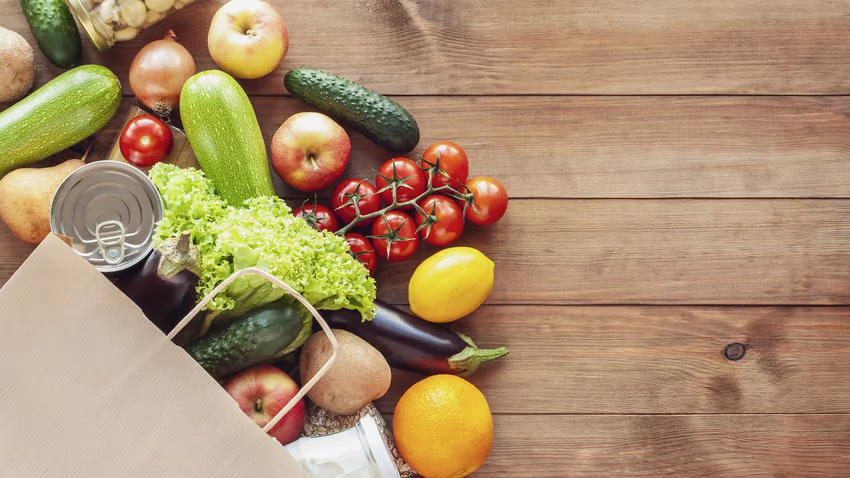
A typical box of food could include salmon, carrots, beans, rice, pasta, sauce, applesauce, milk and crushed tomatoes. Deliveries included easy-to-make recipes, according to the study.

Blue Cross NC researchers compared the results of surveys at three and six months to baseline metrics. The surveys measured physical and mental health, body mass index, hemoglobin A1c levels, self-reported food security and member satisfaction.

They also looked at medical expenses for the 555 “completes,” those who finished the program, and the 327 “partials.” Completes received 12 boxes of food and six months of coaching. Partials received six to 11 boxes of food and three to five months of coaching but dropped out of the program.

Most participants (81%) were satisfied with the frequency of food delivery as well as the amount of food delivered (82%).

Food insecurity for the completes dipped from 38% to 20%, BMI (35 kg/m2 to 33 kg/m2) and obesity (72% to 61%). Completes saw an increase in individuals who reached the U.S. average for physical health measures (51% to 65%) and mental health measures (70% to 80%).

In addition, completes saw a $139 reduction per member per month in total medical costs and an increase of $8 per member per month in pharmacy costs, which the researchers interpreted as evidence of greater medication adherence.

Partials, meanwhile, saw a decrease of $10 per member per month in pharmacy costs, but an increase in all other cost types.

“The relative number of partials responding to the 3- and 6-month surveys was low; therefore, we do not discuss the 6-month results of this group, nor do we attempt to draw meaningful conclusions regarding differences across participation groups,” the study said.

Nonetheless, researchers estimate that if the program becomes available to all eligible beneficiaries, it could cut medical expenses by as much as $8.5 million to $13.1 million a year.

“These findings highlight that an upfront investment by an insurer can help improve health outcomes,” according to a Blue Cross NC spokesperson. “The food delivery and health coaching pilot program is one of a series focused on long-term strategies for eliminating health disparities, strengthening communities and making health care more affordable, accessible and easier to navigate for all North Carolinians.”

In April 2021, the health plan unveiled partnerships with state organizations including Benefits Data Trust, Manna Food Bank, Food Bank of Central & Eastern North Carolina and Second Harvest Food Bank of Northwest NC that focused on trying to boost enrollment in the Supplemental Nutrition Assistance Program.

“With an initial focus on food security, the insurer is advancing its work to promote health equity with new prevention programs and value-added services,” Blue Cross NC said in a statement at the time. “Beyond just offering these services for members, the insurer is also measuring their impact. This research will identify which steps will be effective long-term strategies for eliminating health disparities, strengthening communities, developing impactful member products, and reducing health care costs for North Carolinians.”

Researchers also note that the results from its food delivery and health coaching program published in NEJM Catalyst are far from conclusive, and further study needs to be done.

“Because all program participants received health coaching, the design makes it impossible to disentangle the effects of the food delivery component from those of the health coaching,” the study states. “Interaction with the [health adviser] was regular, with program participants and [health advisers] communicating at least once per week by telephone and six to seven times per week via text message.”

In addition, researchers want to evaluate whether the gains seen in a six-month period could be sustained over the long haul and what effect greater member participation might have on the program’s sustainability.

“Analyses are planned to evaluate the long-term impact of the … program,” the study states.

Insurers add food to coverage menu as way to improve health

https://apnews.com/article/us-news-nutrition-coronavirus-pandemic-d1e17ef502ab92bd41216c90ac60ba5f

When COVID-19 first swarmed the United States, one health insurer called some customers with a question: Do you have enough to eat?

Oscar Health wanted to know if people had adequate food for the next couple weeks and how they planned to stay stocked up while hunkering down at home.

“We’ve seen time and again, the lack of good and nutritional food causes members to get readmitted” to hospitals, Oscar executive Ananth Lalithakumar said.

Food has become a bigger focus for health insurers as they look to expand their coverage beyond just the care that happens in a doctor’s office. More plans are paying for temporary meal deliveries and some are teaching people how to cook and eat healthier foods.

Benefits experts say insurers and policymakers are growing used to treating food as a form of medicine that can help patients reduce blood sugar or blood pressure levels and stay out of expensive hospitals.

“People are finally getting comfortable with the idea that everybody saves money when you prevent certain things from happening or somebody’s condition from worsening,” said Andrew Shea, a senior vice president with the online insurance broker eHealth.

This push is still relatively small and happening mostly with government-funded programs like Medicaid or Medicare Advantage, the privately run versions of the government’s health program for people who are 65 or older or have disabilities. But some employers that offer coverage to their workers also are growing interested.

Medicaid programs in several states are testing or developing food coverage. Next year, Medicare will start testing meal program vouchers for patients with malnutrition as part of a broader look at improving care and reducing costs.

Nearly 7 million people were enrolled last year in a Medicare Advantage plan that offered some sort of meal benefit, according to research from the consulting firm Avalere Health. That’s more than double the total from 2018.

Insurers commonly cover temporary meal deliveries so patients have something to eat when they return from the hospital. And for several years now, many also have paid for meals tailored to patients with conditions such as diabetes.

But now insurers and other bill payers are taking a more nuanced approach. This comes as the coronavirus pandemic sends millions of Americans to seek help from food banks or neighborhood food pantries.

Oscar Health, for instance, found that nearly 3 out of 10 of its Medicare Advantage customers had food supply problems at the start of the pandemic, so it arranged temporary grocery deliveries from a local store at no cost to the recipient.

The Medicare Advantage specialist Humana started giving some customers with low incomes debit cards with either a $25 or $50 on them to help buy healthy food. The insurer also is testing meal deliveries in the second half of the month.

That’s when money from government food programs can run low. Research shows that diabetes patients wind up making more emergency room visits then, said Humana executive Dr. Andrew Renda.

“It may be because they’re still taking their medications but they don’t have enough food. And so their blood sugar goes crazy and then they end up in the hospital,” he said.

The Blue Cross-Blue Shield insurer Anthem connected Medicare Advantage customer Kim Bischoff with a nutritionist after she asked for help losing weight.

The 43-year-old Napoleon, Ohio, resident had lost more than 100 pounds about 11 years ago, but she was gaining weight again and growing frustrated.

The nutritionist helped wean Bischoff from a so-called keto diet largely centered on meats and cheeses. The insurer also arranged for temporary food deliveries from a nearby Kroger so she could try healthy foods like rice noodles, almonds and dried fruits.

Bischoff said she only lost a few pounds. But she was able to stop taking blood pressure and thyroid medications because her health improved after she balanced her diet.

“I learned that a little bit of weight gain isn’t a huge deal, but the quality of my health is,” she said.

David Berwick of Somerville, Massachusetts, credits a meal delivery program with improving his blood sugar, and he wishes he could stay on it. The 64-year-old has diabetes and started the program last year at the suggestion of his doctor. The Medicaid program MassHealth covered it.

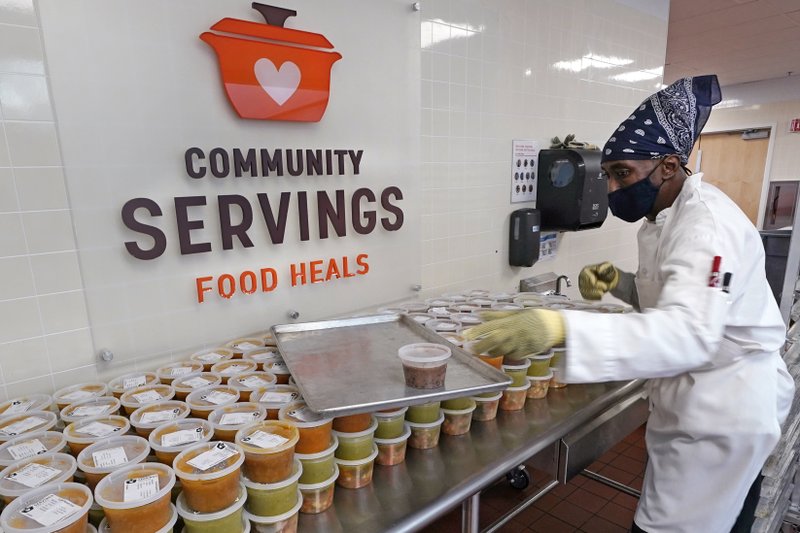
Berwick said the nonprofit Community Servings gave him weekly deliveries of dry cereal and premade meals for him to reheat. Those included soups and turkey meatloaf Berwick described as “absolutely delicious.”

“They’re not things I would make on my own for sure,” he said. “It was a gift, it was a real privilege.”

These programs typically last a few weeks or months and often focus on customers with a medical condition or low incomes who have a hard time getting nutritious food. But they aren’t limited to those groups.

Indianapolis-based Preventia Group is starting food deliveries for some employers that want to improve the eating habits of people covered under their health plans. People who sign up start working with a health coach to learn about nutrition.

Then they can either begin short-term deliveries of meals or bulk boxes of food and recipes to try. The employer picks up the cost.

It’s not just about hunger or a lack of good food, said Chief Operating Officer Susan Rider. They’re also educating people about what healthy, nutritious food is and how to prepare it.

Researchers expect coverage of food as a form of medicine to grow as insurers and employers learn more about which programs work best. Patients with low incomes may need help first with getting access to nutritional food. People with employer-sponsored coverage might need to focus more on how to use their diet to manage diabetes or improve their overall health.

A 2019 study of Massachusetts residents with similar medical conditions found that those who received meals tailored to their condition had fewer hospital admissions and generated less health care spending than those who did not.

Study author Dr. Seth Berkowitz of the University of North Carolina noted that those meals are only one method for addressing food or nutrition problems. He said a lot more can be learned “about what interventions work, in what situations and for whom.”

A lack of healthy food “is very clearly associated with poor health, so we know we need to do something about it,” Berkowitz said.