ACA premiums set to rise in 2025

https://www.axios.com/2024/08/06/aca-plan-2025-premium-increases
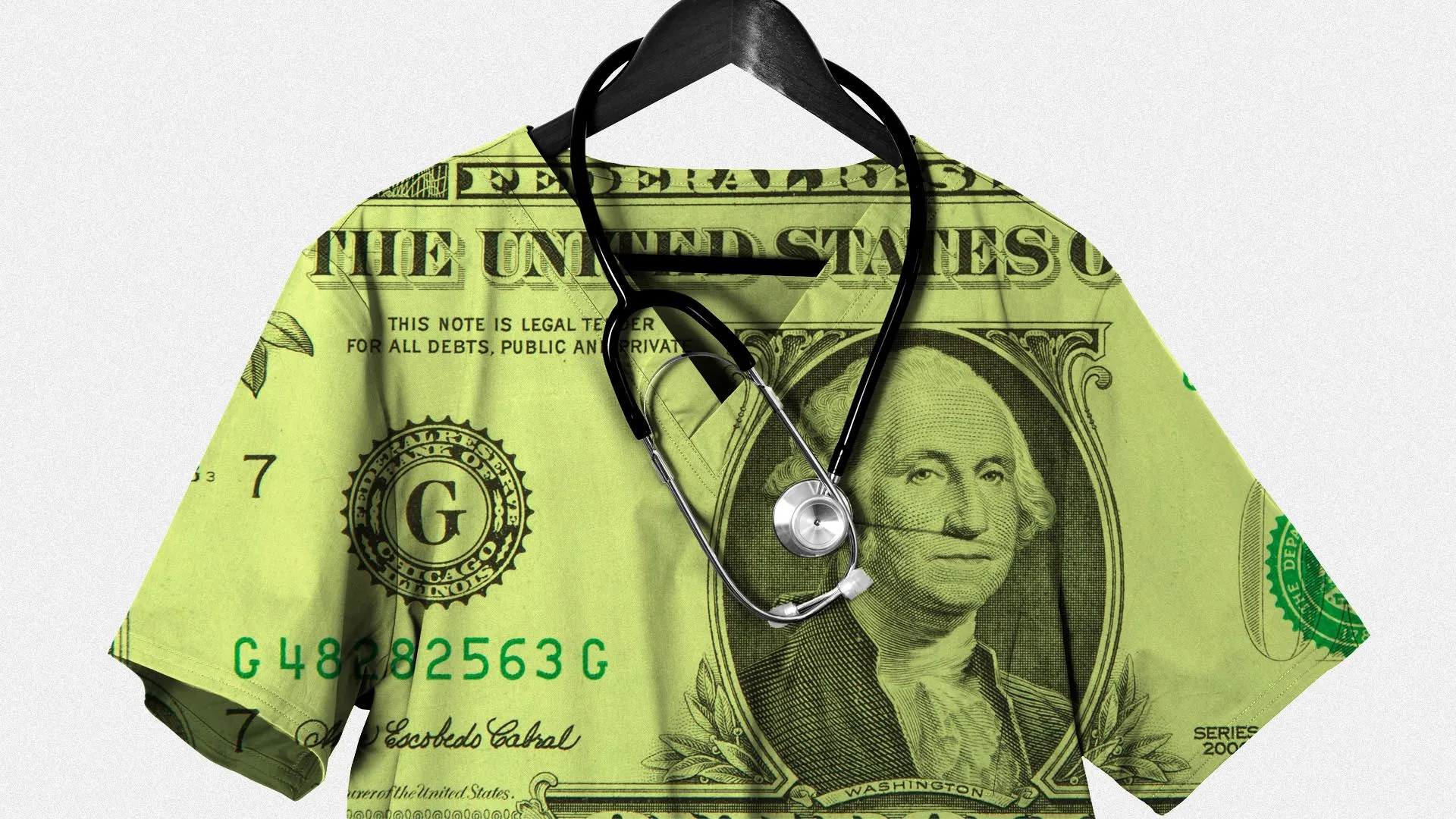
Growing demand for GLP-1 drugs like Ozempic and Wegovy and hospital consolidation could help drive up the cost of Affordable Care Act coverage next year by 9% or more, according to a preliminary review by the Peterson Center on Healthcare and KFF.

Why it matters: 

While most enrollees in the market get subsidies and won’t have to foot the added bill, premium increases generally result in higher federal spending on subsidies, the analysis notes.

What they found: 

Rate filings by 61 insurers across 10 states and D.C. show ongoing hospital consolidation and workforce shortages are having an inflationary effect on premiums.

  • So, too, is the explosion in demand for drugs used for diabetes treatment and weight loss.
  • Though few ACA plans cover drugs that are approved only for weight loss, several insurers singled out GLP-1s as a driving force behind premium increases for 2025.
  • The analysis notes insurers are using strategies like prior authorization, step therapy and limiting quantities to control demand of Ozempic and other GLP-1s that are approved for diabetes but have potential for off-label use to lose weight.
  • Specialty drugs and biologics, including pricey gene therapies, are also becoming more prevalent and driving premiums upward.

Most insurers say ongoing state Medicaid redeterminations, COVID-19 treatment and tests and the federal surprise billing ban are not having a major effect on 2025 premiums.

Context: 

Last year, insurers proposed rate increases for 2024 coverage that were between 2% and 10%, with a median increase of 6%, Peterson-KFF notes.

  • This year’s detailed review of factors driving premium changes for 2025 found insurers have somewhat higher proposed rate increases, with a median of 9%.
  • The basis for the federal subsidies is the percent change in the benchmark ACA silver plan.

The bottom line: 

Medical inflation has picked up and now exceeds the growth of non-medical prices — a big change from 2021 to 2023. ACA plans are adjusting to keep pace and reflect their higher costs and overhead.

November 2022 Health Sector Economic Indicators Briefs

https://altarum.org/publications/november-2022-health-sector-economic-indicators-briefs

Economic Indicators | November 18, 2022

Altarum’s monthly Health Sector Economic Indicators (HSEI) briefs analyze the most recent data available on health sector spending, prices, employment, and utilization. Support for this work is provided by a grant from the Robert Wood Johnson Foundation. Below are highlights from the November 2022 briefs.

Health spending growth continues to lag GDP growth

  • National health spending in September 2022 grew by 4.4%, year over year.
  • Health spending in September 2022 is estimated to account for 17.4% of GDP, essentially identical to the August 2022 value, which was the lowest share since June 2015.
  • Nominal GDP in September 2022 was 8.9% higher than in September 2021 as GDP growth continues to outpace health spending growth.
  • The health spending share of GDP has declined from a recent high of 18.5% of GDP in December 2021, largely because of high economy-wide inflation.

Health care price growth remains moderate amid slowing economywide inflation

  • The Health Care Price Index (HCPI) increased by 2.9% year over year in October, up slightly from 2.8% a month earlier. 
  • Economywide price growth slowed this month, as overall CPI inflation fell to 7.7% and PPI price growth fell to 8.0%. Services CPI growth (excluding health care) held steady at 7.0% year over year, while commodities inflation fell for a fourth straight month to 8.6%.
  • Among the major health care categories, price growth for dental care (5.4%), nursing home care (4.2%), and hospital services (3.5%) were above average, while physician services (0.3%) and prescription drug (2.2%) price growth were the slowest growing categories.
  • Growth in our implicit measure of utilization for September was the slowest it has been in 2022, down to 1.8% year-over-year growth from 2.2% a month prior in August.

Health care job growth remains strong while health care wage growth moderates

  • Health care job growth remained strong in October, with 52,600 jobs added. Health care has averaged 47,000 new jobs per month in 2022.
  • Most of the growth in health care jobs was in ambulatory care, which added 30,700 jobs in October. Hospitals added 10,800 jobs and nursing and residential care added 11,100 jobs.
  • The economy added 261,000 jobs in October, similar to August and September gains. The unemployment rate rose slightly to 3.7%.
  • Health care wage growth appears to be moderating. After peaking at 7.4% growth year over year in July, health care wages grew by 5.6% in September, nearer to economy-wide wage growth of 5.0%.
  • Wage growth fell across all three major health care settings: residential care wages grew at 7.7% compared to a peak of 11% in March 2022, hospital wages grew by 5.8% compared to a peak of 8.5% in June, and ambulatory care wages grew by 4.6% compared to a peak of 5.8% in July.