

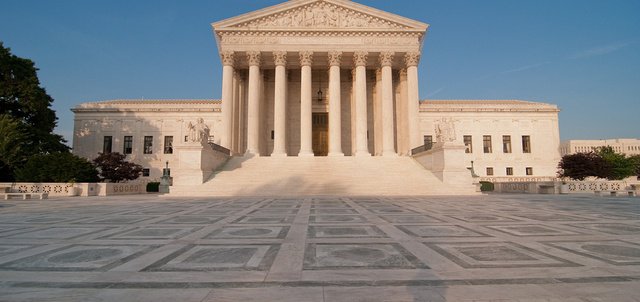
In its decision, the Court addressed two major issues. Of greatest significance, it approved an “implied false certification theory of liability” in FCA cases. “The law now treats a provider’s payment request as an implied certification of compliance with all relevant statutes, regulations, or contract requirements, says Brian Mahany, a healthcare fraud expert and whistleblower claims lawyer.
What’s more significant is that for the first time, the Supreme Court imposed real limitations on implied certification. Based on the Court’s decision, for a claim to be considered false or fraudulent under the implied certification theory,” the regulation or contractual provision impliedly violated be must be “material” to the government’s payment decision. “In so holding, the court plainly rejected the government’s more expansive reading of the law,” says Kalb.
 HENRY KOTULA