New nurses work overtime, long shifts, and sometimes a second job, research shows

https://www.healthcarefinancenews.com/news/new-nurses-work-overtime-long-shifts-and-sometimes-second-job-research-shows?mkt_tok=eyJpIjoiWXpVNE9HSXhOR1ZqWTJFMSIsInQiOiJiUlppWmxudHQ1eDU2OGZDaHRManZzU2ROVFZRSTYxZ2NteVwvREp0UjVVM2FTVmsrZ3d5UXhNRjhXNDFrWW9jeXpUT25TRzNuNVlCcWFOUG11NCthc3RtOUk5MUZvZUkyT0Z5XC9GWE1TRjJNRUFnaFVPeDBpWmk5Qk1FS21ZWkNyIn0%3D

Overtime in particular has been negatively associated with patient care, and a good proportion of nurses are required to work extra hours.

New nurses are predominantly working 12-hour shifts and nearly half work overtime, trends that have remained relatively stable over the past decade, finds a new study by researchers at NYU Rory Meyers College of Nursing. And 13 percent hold a second job.

Changes in health policy in recent years — from the passage of the Affordable Care Act and increased access to healthcare, to the recession — which delayed some nurses’ retirements — have had implications for nurses and the hours they work, while overtime has been linked to patient safety and nurse well-being.

IMPACT

The research team analyzed surveys from more than 4,500 newly licensed nurses in 13 states and Washington D.C., collecting information on nurse demographics, education, work attributes and attitudes. Specifically, nurses were asked about their work schedule, daily shift length, weekly work hours, overtime, and whether they worked a second job.

In addition to the 12-hour shifts and second jobs, it was found that new nurses prefer working the day shift and 12 hours is the preferred shift length.

Twelve percent of nurses report working mandatory overtime (an average of less than an hour in a typical week), and nearly half, 45.6 percent, work voluntary overtime (an average of three hours in a typical week).

There were nuanced changes in overtime hours during the decade studied: There was a decline in both mandatory and voluntary overtime during the economic recession by about an hour per week, but overtime hours rose in the most recent cohort.

There’s good news and bad news in the results. The good news is that new nurses seem to be working a similar proportion of 12-hour shifts as more experienced nurses, and most are working the shift and schedule they prefer. There also weren’t statistically significant increases in weekly work hours or overtime hours.

But the findings on overtime were troubling given that previous research has established associations between working overtime and patient outcomes (such as medication errors), occupational injury among nurses, and factors like burnout and job dissatisfaction.

While voluntarily working overtime can be a welcome source of income for some nurses, mandatory overtime — which is restricted by law in 18 states — was found to be a practice norm, occurring for 12 percent of new nurses.

THE TREND

Nurses operate within a highly competitive job market, and as is the case in other high-stress fields, there’s a fatigue starting to set in. Burnout is a very real danger, and much like physicians, nurses are prone to leaving when they’ve finally had enough — and that turnover can have detrimental effects on everything from a hospital’s financial strength to the quality of patient care.
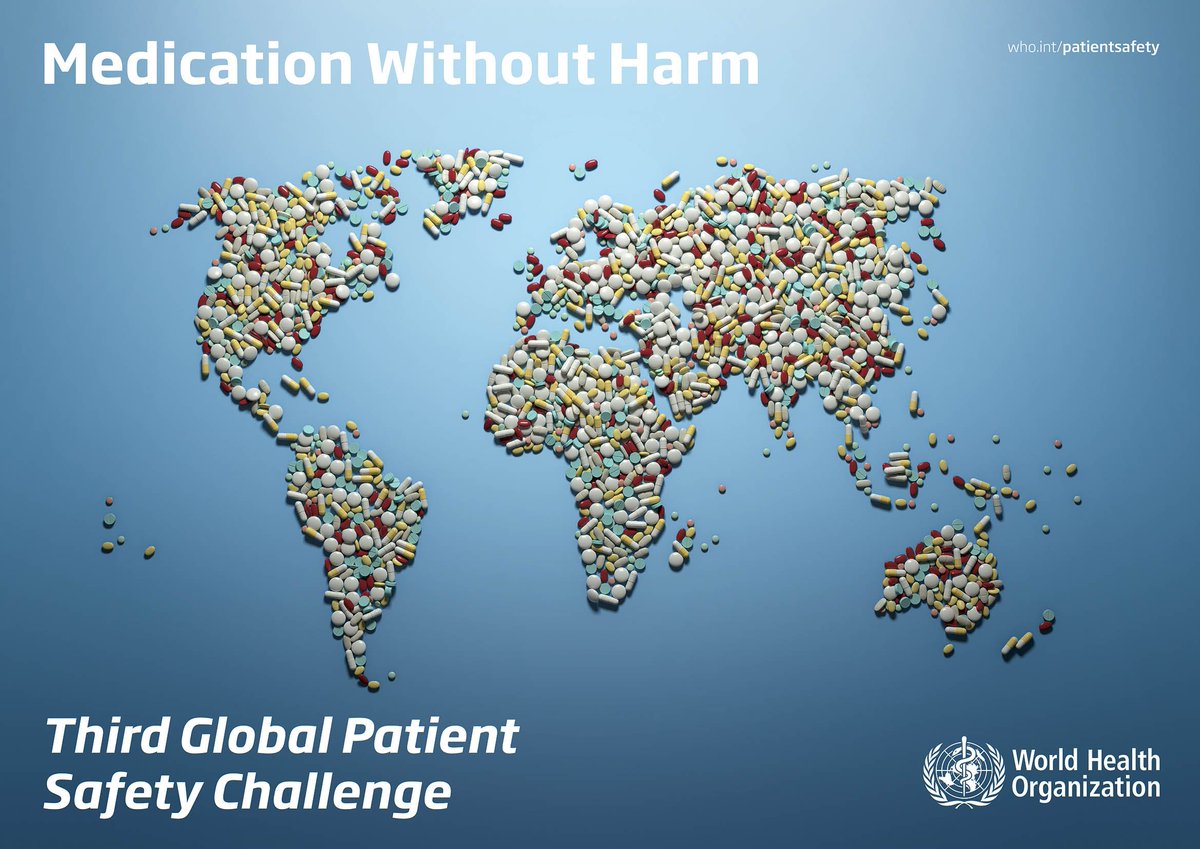
WHO puts medication-related errors on global hit list

http://www.fiercehealthcare.com/healthcare/who-puts-medication-related-errors-global-hit-list

Medication errors cause at least one death every day and injure roughly 1.3 million people each year in the United States alone. But it’s not only a national problem, and the World Health Organization is taking action to reduce these preventable adverse events worldwide.

The WHO aims to reduce severe, avoidable medication-associated harm in all countries by 50% over the next five years.

“We all expect to be helped, not harmed, when we take medication,” said WHO Director-General Dr. Margaret Chan in an announcement about its new initiative. “Apart from the human cost, medication errors place an enormous and unnecessary strain on health budgets. Preventing errors saves money and saves lives.”

Indeed, the costs related to medication errors are high. The WHO estimates the costs are $42 billion worldwide, almost 1% of total global health expenditure

To reduce these errors, the WHO intends to address weaknesses in health systems that lead to medication errors, offer ways to improve the way providers prescribe and distribute medicine, and increase patient awareness about the risks associated with the improper use of medication.

Reasons for the errors are often associated with health worker fatigue, overcrowding, staff shortages, poor training and wrong information given to patients. In many cases any of these causes or a combination of them can affect the prescribing, dispensing, consumption and monitoring of medications, according to WHO.

But all of these medication errors are potentially avoidable, according to WHO, if organizations put systems and procedures in place to ensure the right patient receives the right medication at the right dose via the right route at the right time.

“Most harm arises from systems failures in the way care is organized and coordinated, especially when multiple health providers are involved in a patient’s care. An organizational culture that routinely implements best practices and that avoids blame when mistakes are made is the best environment for safe care,” the WHO said in the announcement.

Although many organizations rely on health IT systems that are designed to improve prescription ordering and medication administration, a recent study finds these systems can actually contribute to medical errors. Some experts warn that digital prescription systems miss potential drug errors, and the Office of the National Coordinator for Health IT has called on vendors and providers to reduce the number of “pick list” medication errors.

To achieve its goal of cutting the number of these mistakes by half, WHO is calling on countries to focus on medicines with a high risk of harm if used improperly, patients who take multiple medications for different diseases and conditions, and patients who are going through transitions of care.

The initiative aims to make improvements in each stage of the medication use process including prescribing, dispensing, administering, monitoring and use. WHO aims to provide guidance and develop strategies, plans and tools to ensure that the medication process has the safety of patients at its core, in all healthcare facilities.


Hospital Discharge: It’s One Of The Most Dangerous Periods For Patients

Hospital Discharge: It’s One Of The Most Dangerous Periods For Patients

JordanPrescript_770


Study reports medication errors in almost 50% of surgeries

http://www.healthcaredive.com/news/study-reports-medication-errors-in-almost-50-of-surgeries/408002/