Blood banks grapple with summer slowdown amid historic blood crisis

With the impending summer dip in donors, blood centers across the U.S. face a tall hurdle during a national blood shortage. 

Six months ago, the organization that supplies nearly half of the nation’s blood supply, Red Cross, declared the first-ever national crisis. Summer has always slowed donors, a trend often attributed to closed schools and people busy on vacations, but with COVID-19 already hurting blood donation numbers, blood banks face an unsteady season. 

“It’s a very challenging time, and it does put a lot of stress on the organization because we take saving lives very seriously,” the executive director of the Arkansas Blood Institute, Mario Sedlock, told radio station KUAR. “We just want to make sure that our hospitals have what they need to take care of the patients and that’s essentially what we’re all about.”

An Ohio blood center issued an emergency plea in mid-June for O-negative donors because of a “dangerously low” supply, and some blood centers are offering free movie tickets and baseball tickets to entice donors. 
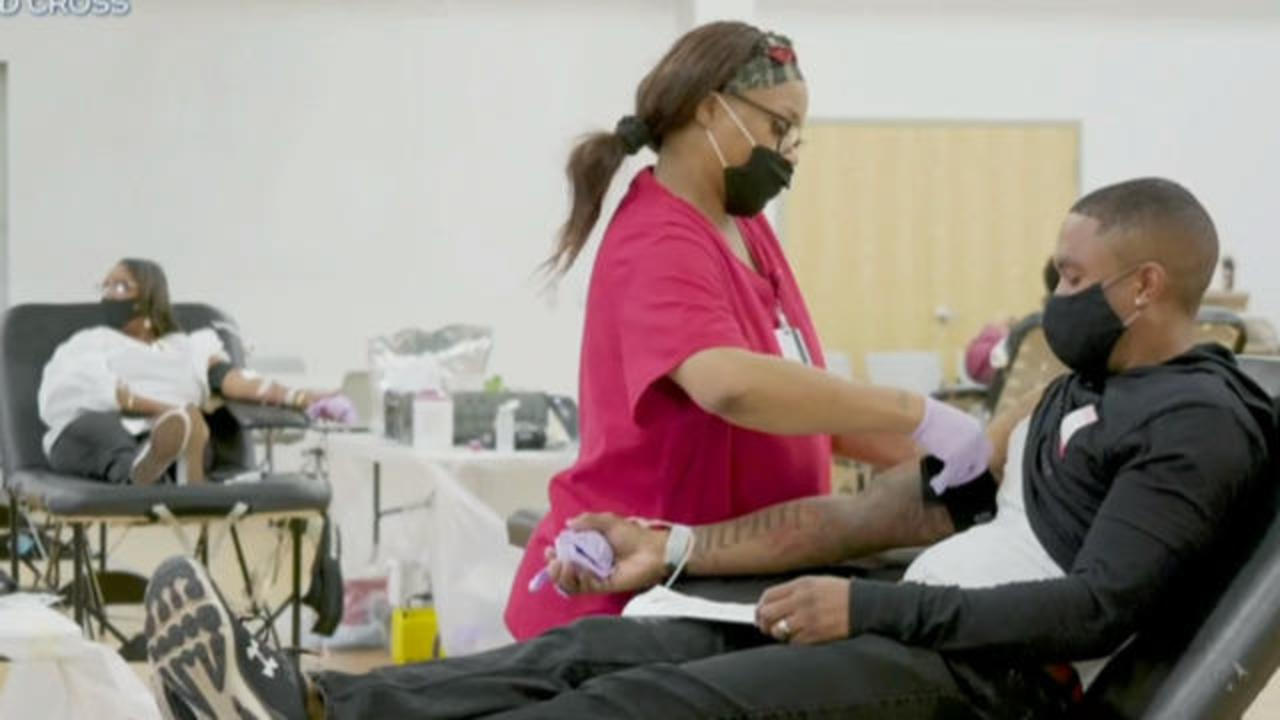
Dangerously low blood supply in U.S. forces some hospitals to postpone surgeries

https://www.cbsnews.com/news/blood-donation-shortage-us-2021/

Dangerously low blood supply in U.S. forces some hospitals to postpone  surgeries - CBS News

Blood centers in some U.S. cities are down to a one-day supply, forcing hospitals to postpone surgeries. The blood shortage is yet another fallout from the pandemic, experts say.

OneBlood, the Southeast’s largest blood center, is scrambling to manage the blood shortage crisis.

“It’s a 24/7 operation,” said OneBlood’s Susan Forbes. “The donors are not in the traditional locations anymore. We lost large corporations, religious organizations, movie theater drives, festivals that were taking place ended.”

Before COVID-19 shutdowns, schools accounted for 25% of collected blood. Now, demand for blood products is up 10% nationwide.

Some hospitals have had to delay scheduled surgeries. At NYU Langone Health in New York City, surgeon-in-chief Dr. Paresh Shah said they came close to doing the same.

“There’s this huge backlog of operations that really needed to get done,” Shah said. “We were down to such a low inventory of blood that if we had one major transfusion event, we would have been depleted completely.”

He said the lack of blood can mean life or death in trauma situations.

Eleven-year-old Iggy Friday was diagnosed with Leukemia this winter and has needed more than 30 transfusions during chemotherapy. His recent platelet transfusion was delayed because of the shortage — luckily for just a few hours.

“I did think about the people who needed it now and stuff. So that’s why I was fine with waiting,” he said. “It helps a lot of people and can save a lot of lives.”

Red Cross blood supply cut in half amid ‘staggering’ donor decline

https://www.beckershospitalreview.com/supply-chain/red-cross-blood-supply-cut-in-half-amid-staggering-donor-decline.html?utm_medium=email

Healthy blood donors needed amid coronavirus concerns | NOHredcross

The American Red Cross said its blood supply levels have been cut in half as social-distancing and stay-at-home orders have caused fewer people to donate, The New York Times reported. 

Across the country, collection drives at offices, schools and churches have been canceled to comply with stay-at-home orders.

For a while, the drop in donations weren’t critical because supply and demand fell at the same time, as hospitals canceled most elective surgeries and far fewer people were getting injured in car crashes and other accidents. 

But now that hospitals are resuming elective surgeries and many people are leaving the house more often, the number of donations has not increased, according to the Times

Chris Hrouda, president of biomedical services for the American Red Cross, which collects about 40 percent of the country’s blood donations, told the Times that there’s been a “staggering” drop in blood supply. The Red Cross usually has enough blood to meet the country’s needs for five days; it currently has less than two days’ worth. 

On May 31, the Red Cross had to stop sending hospitals their full blood orders and could fill only 75 percent of them, Mr. Hrouda told the Times. He said that if donations don’t increase in the next week or two, the Red Cross will have to start filling just half of hospitals’ requested blood orders.

“It puts hospitals and doctors in the precarious position of deciding who gets blood,” Mr. Hrouda told the Times.

Hospitals are performing even more surgeries than before the pandemic to get through backlogs of operations. 

Brian Gannon, chief executive of the Gulf Coast Regional Blood Center in Texas, said he told about 100 hospitals that get blood from his center to slow down their elective procedures, according to the Times

Read the full article here