

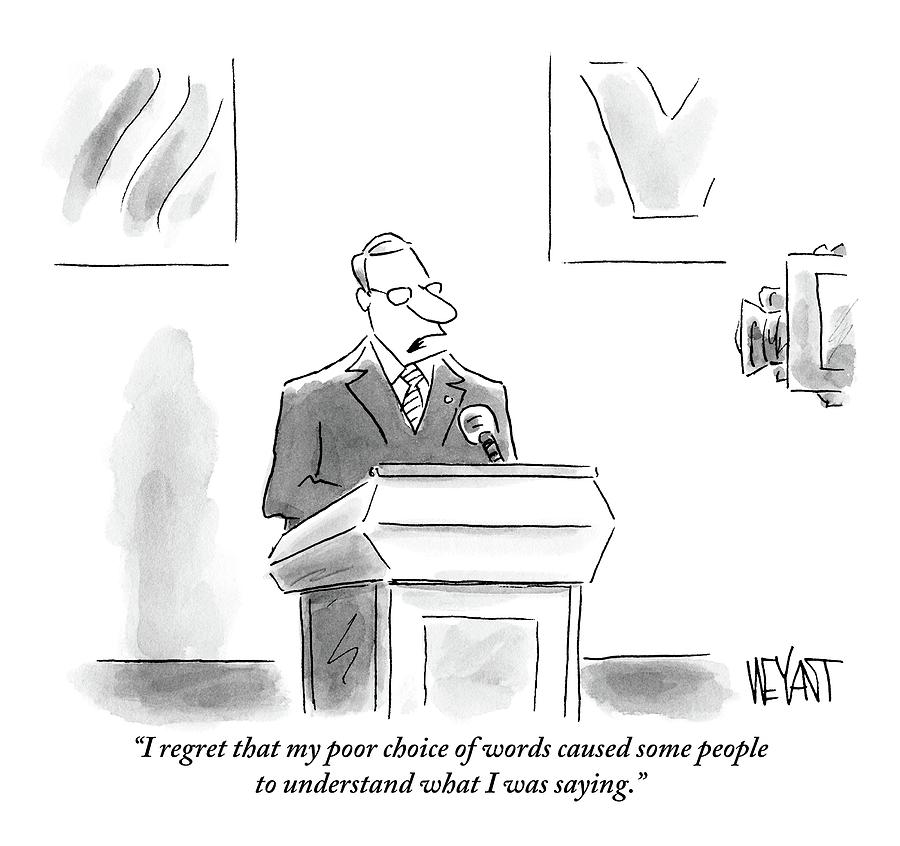


Imagine a single organization from the perspective of two different cultures: Culture Accountability and Culture Bottleneck.
In Culture A (Accountability), things get done quickly and efficiently. Executive teams are cohesive and managers know what is expected. As a result, managers run a tight ship and are quick to course-correct any activity, behavior or process that doesn’t align with the shared mission and vision. Managers are confident that their decisions will be supported by the executive team. Conversations, both vertical and horizontal, are focused on both process and people; results and relationships. Those who do not fit the culture leave on their own accord.
In Culture B (Bottleneck), bottlenecks create frustration. Decisions seem to be an afterthought and lack of trust precedes the need to micromanage. Managers fear making decisions because their decisions are often overridden. Executives complain that their managers never get the job done. On the front lines, turf wars and internal drama erupt spontaneously. Uncertainty, unexpected change and chaos color the culture. Conversations are avoided and poor performance is justified until something major happens and firing is the only option.
All other things considered, there are two components that distinguish Culture A from Culture B: Clarity and Communication.
In every single instance of time-wasting drama, no matter how it manifests, at the root is a lack of clarity in some form.
On the front lines, when employees are unclear about what success looks like, they lose confidence and waste productive hours getting reassurance and clarification — procrastinating when uncertain. At the highest level, lack of clarity about the real problem or the desired end result wastes time and resources hiring vendors and consultants offering “one and done” workshops or other ineffective solutions.
Even when there is clarity about the real problem, the end result and the process, a big road-block I often see is the lack of clarity about who is in charge and how decisions are made.
For context, let me share a quick example. Years ago I was on a project for a mid-sized corporation. My inside contact, a high-level director, had absolutely no power to push the project forward. Because of this fact, any work I did had to be approved by the top executive who would continuously change calendar dates and, in doing so, would “delegate” the date changing to the director, who had to navigate calendars and multiple dates. I estimate we wasted at least 40 productive hours chasing down the real decision maker to make a change instead of setting up one phone call.
Increasing clarity inevitably increases your productivity and speed. Here are some suggestions for increasing speed by increasing decision-making clarity.
The number-one problem I see that slows progress and efficiency is the inability or unwillingness of leaders to initiate what I call executive conversations. Executive conversations (as I define them) are both results- and relationship-oriented.
Many drama-laden cultures adopt an either-or mentality: a mindset that it’s all about results — anything for a profit, or it’s all about relationships — avoiding conflict at all costs. Both mindsets create accountability-related issues.
In his bestselling book, Advantage, Patrick Lencioni says:
“Many leaders struggle with accountability but don’t know it. Some will tell me that since they aren’t afraid to fire people, they must not have an accountability problem. Of course, this is misguided. Firing someone is not necessarily a sign of accountability, but is often the last act of cowardice for a leader who doesn’t know how or isn’t willing to hold people accountable. At its core, accountability is about having the courage to confront someone about their deficiencies and then to stand in the moment and deal with their reaction which may not be pleasant.“
When there is a lack of accountability there is a lack of alignment, and when there’s a lack of alignment there’s a need for executive conversations.
There are many factors that shape culture; however, it’s up to the senior leaders to eliminate the time-wasting bottlenecks that contribute to high-drama cultures. Get clear on the real problem and the desired end result. Clarify who is in charge and how decisions are made. Initiate executive conversations that are both relationship- and results-oriented to transform the Bottleneck Culture into a Culture of Accountability.
 HENRY KOTULA