The American Hospital Association, on behalf of its nearly 5,000 healthcare organizations, is urging the Justice Department to probe routine denials from commercial health insurance companies.
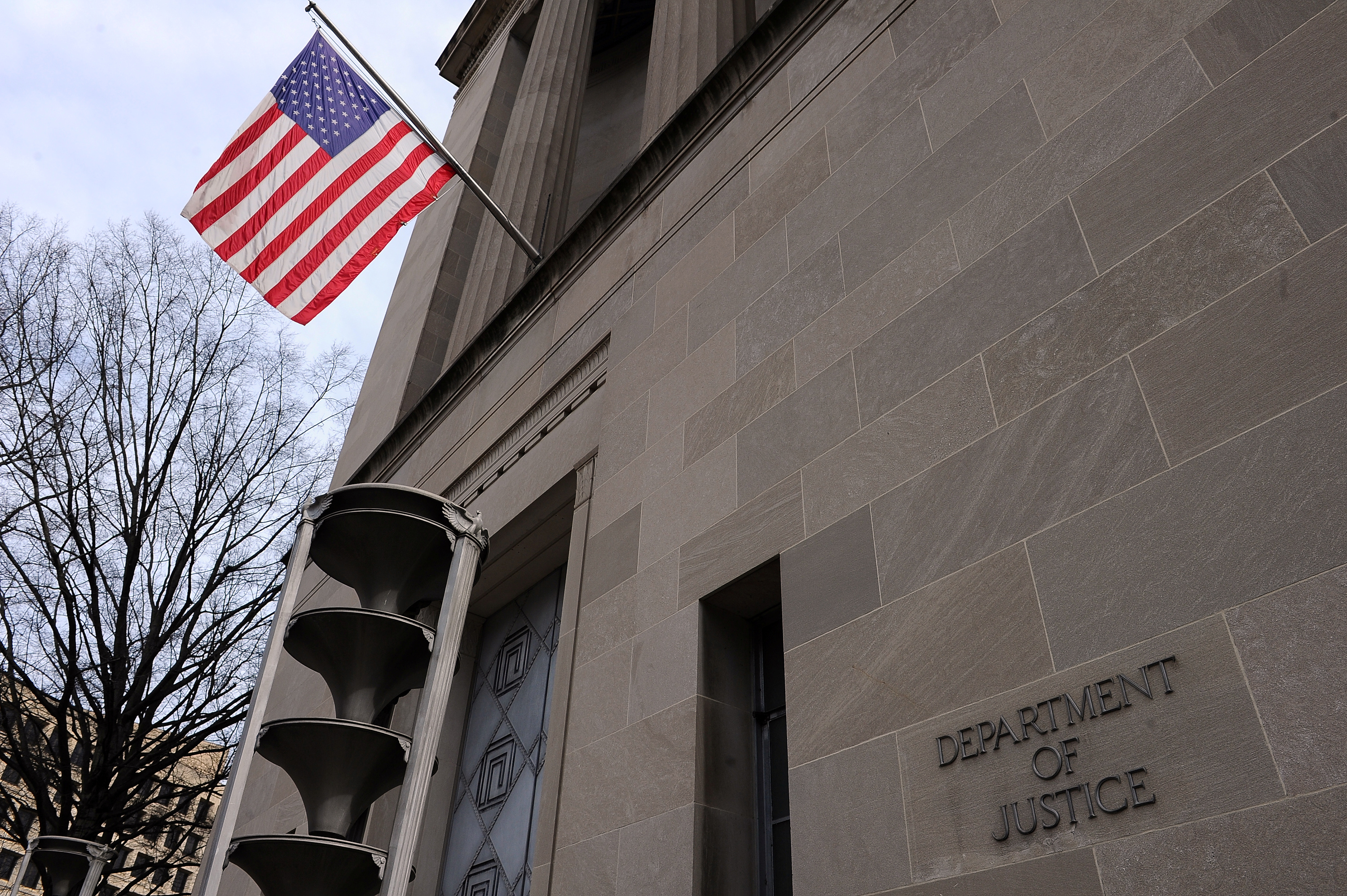
Specifically, the AHA is asking the Justice Department to establish a task force to conduct False Claims Act investigations into the insurers that routinely deny payments to providers, according to a May 19 letter to the department.
The request from the AHA comes after HHS’ Office of Inspector General released a report April 27 that found Medicare Advantage Organizations sometimes delayed or denied enrollees’ access to services although the provider’s prior authorization request met Medicare coverage rules.
“It is time for the Department of Justice to exercise its False Claims Act authority to both punish those MAOs that have denied Medicare beneficiaries and their providers their rightful coverage and to deter future misdeeds,” the AHA said in a letter to the Justice Department. “This problem has grown so large — and has lasted for so long — that only the prospect of civil and criminal penalties can adequately prevent the widespread fraud certain MAOs are perpetrating against sick and elderly patients across the country.”
The Federal Trade Commission has been hit by a “tidal wave” of merger filings and cannot review them all before required deadlines.
The FTC is now sending letters to merging entities warning them that the agency may deem a combination unlawful even if the companies decide to merge.
“Companies that choose to proceed with transactions that have not been fully investigated are doing so at their own risk,” the regulator said in a statement Tuesday.
The alert may give pause to hospitals merging at a steady clip. Unwinding deals once they’re already consummated can be costly and complex. The premerger filings give regulators a chance to stop anticompetitive mergers before a deals closes, preventing harm to consumers and businesses in the meantime.
The FTC received 343 premerger filings in the month of July, more than three times the amount from July of last year, when 112 transactions were submitted for review.
So far this year, more than 2,000 transactions have been submitted through the month of July, according to figures with the FTC, eclipsing the 815 filings over the same time period last year.
Federal regulators have forced hospital to unwind mergers before.
The FTC forced ProMedica to unwind its buyup of St. Luke’s Hospital in the Toledo area after alleging the deal would severely hinder competition. The FTC later approved a divestiture plan in 2016 after a long battle in court.
It came even as the FTC had signaled it plans to prioritize enforcement in a number of key industries including healthcare.
Plus, last year the FTC said it was expanding a key tool in its arsenal to potentially help police future deals.
Mergers that exceed a certain threshold — currently $92 million — are required to submit a premerger filing with the FTC per the Hart-Scott-Rodino Act.
The filing initiates a review period in which the FTC and Department of Justice investigate the deal.
Typically, the agencies have 30 days to determine whether additional information is needed. If so, the deal is on hold until the companies respond with the needed information, and after that the agencies have a limited number of days to file a challenge if they deem the tie-up unlawful.
The FTC can also terminate the waiting period early, allowing the deal to proceed.
However, the agency maintains the right to challenge any deal regardless of whether it was reviewed or not.



 HENRY KOTULA