State of California files suit against Sutter Health over antitrust allegations

https://www.bizjournals.com/sanfrancisco/news/2018/03/30/state-files-antitrust-suit-against-sutter-health.html

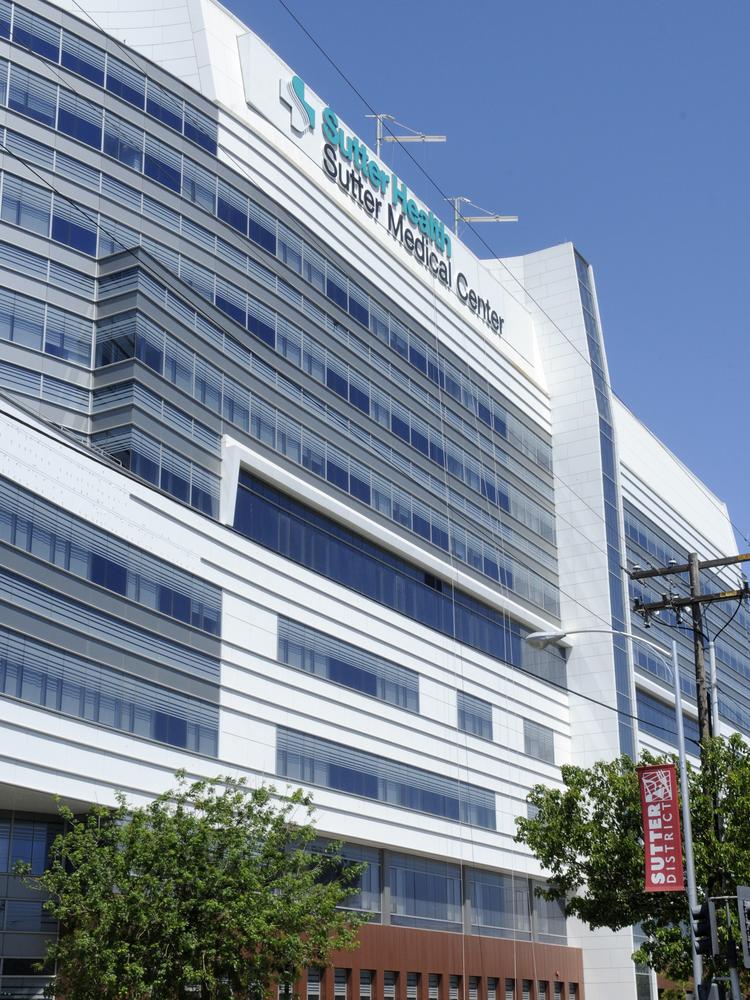
Sutter Medical Center in Sacramento

The State of California on Friday filed an antitrust suit against Sutter Health, accusing the Sacramento-based health system of practices that have driven up the cost of care in Northern California.

Sutter is accused of preventing insurance companies from negotiating with the health system on anything but an all-or-nothing basis, which requires insurers to contract with the entire health system, and not just parts of it. The lawsuit also alleges the health system has prevented insurance companies from offering low-cost health plan options and set excessively high out-of-network rates, while restricting the publication of provider cost information for patients’ review.

A Los Angeles Times analysis of medical care costs, which is referenced in the lawsuit, found that hospitals in Northern California’s six most populous counties collect about 56 percent more revenue per patient per day from insurance companies and patients compared to hospitals in Southern California’s six largest counties.

At a news conference this morning, Attorney General Xavier Becerra said the investigation has been in the works for about six years, prompted by complaints from patients and employers about high medical care costs in Northern California.

“It’s time to hold health care corporations accountable,” Becerra said at the news conference. “If we do nothing, it will continue to happen.”

The state attorney general’s office said in a statement that the “excess profits” Sutter took in from its allegedly illegal conduct was put toward “waves of acquisitions, extreme levels of executive compensation and financing its own insurance arm.”

“Much of the increased cost of health care in Northern California is attributable to Sutter and its anticompetitive contractual practices which it has imposed as a result of its market power,” the complaint against Sutter states. “Specifically, Sutter embarked on an intentional, and successful, strategy of 
securing market power in certain local markets in Northern California.”

The lawsuit seeks to enjoin Sutter from continuing its allegedly illegal contracting practices, including all-or-nothing contract negotiations and so-called price-secrecy terms. The lawsuit also seeks to “restore competition” by requiring Sutter to stagger its negotiations between its providers of inpatient services, outpatient services and affiliated physician groups that refer patients to non-Sutter hospitals.

The lawsuit also seeks to stop Sutter from transferring money earned by its health care providers to finance its health plan, Sutter Health Plus.

“We are aware that a complaint was filed, but we have not seen it at this time, so we cannot comment on specific claims,” said Karen Garner, a spokeswoman for Sutter, in an emailed statement. “It’s important to note that publicly available data (from the OSHPD) show that on average, total charges for an inpatient stay in a Sutter hospital are lower than what other Northern CA hospitals charge.” The OSHPD is the Office of Statewide Health Planning and Development.


Alta Bates emergency center will close, but Sutter Health says not as soon as people think

Alta Bates emergency center will close, but Sutter Health says not as soon as people think

People exit and enter Alta Bates Medical Center in Berkeley, Calif., on Friday, Feb. 2, 2018. Legislators, city officials and health care professionals will continue their public campaign against the closure of emergency care services at Alta Bates Medical Center, even as its parent organization, Sutter Health, insists it will keep the center open for the next decade, dispelling what it says is misinformation that has circulated about the hospital closing in 2019. (Ray Chavez/Bay Area News Group)

BERKELEY — Hospital services at Alta Bates Medical Center’s Berkeley campus will end, but not as soon as people think, company officials said this week.

In an ongoing debate over the future of emergency services at the campus, legislators, city officials and health care professionals will continue their public campaign against the closure while the hospital’s parent organization Sutter Health insists it will keep the campus open for at least a decade.

Nurses and local leaders will gather for a community forum Saturday on the Ed Roberts campus, calling on Sutter Health to keep Alta Bates open as a full hospital with inpatient and emergency care. Sutter Health, citing a California law that requires hospitals to complete seismic upgrades by 2030, announced in 2016 its plans to move inpatient care and emergency services from the Alta Bates site in Berkeley to an expanded, retrofitted Oakland campus.

This week, Sutter Health released a statement saying the emergency room and inpatient hospital services provided at the Alta Bates campus will remain in Berkeley until they are available in full at the Summit Medical Center campus in Oakland, which could take up to 10 years to build.

The memo was intended to clarify what Sutter Health leaders say is misinformation about the timing of the Alta Bates closure. While many people thought the hospital’s emergency care and inpatient services could close as early as 2019, the organization said this week it will be a decade before that happens.

“The memo is intended to highlight our commitment to community and do this gradually,” said Alta Bates Summit CEO Chuck Prosper by phone on Friday. “The last thing we want to do is create a shock.”

But for many health care workers and community advocates, the memo was not reassuring. They do not want the hospital and emergency room to close at all.

“Even in its own statement, Sutter admitted its plan is not to retain Alta Bates as a full service acute care hospital, and that it fully intends to force patients from Berkeley to Vallejo along the densely populated I-80 corridor to travel even farther to Oakland, further delaying life-saving emergency treatment,” said an email message from organizers from the California Nurses Association and Save Alta Bates Hospital campaign about Saturday’s public forum.

Sutter Health plans to enlarge its Oakland campus with a second building and will build urgent care clinics and outpatient services in Berkeley either at its Alta Bates campus on Ashby Avenue or the Herrick campus on Dwight Way.

Rochelle Pardue-Okimoto, a registered nurse at Alta Bates and El Cerrito’s mayor pro tem, said she’s concerned about the impact on care across hospitals in the area if Alta Bates’ acute care services close. She said her colleagues at hospitals around the East Bay have already seen busier emergency rooms following the closure in 2016 of Doctors Medical Center in San Pablo after years of financial loss. That hospital recorded about 33,000 visits per year, and its closure has left the area between Vallejo and Berkeley with only one hospital — Kaiser Permanente in Richmond.

“If you concentrate all the emergency care in Oakland, it’s just too many people,” Pardue-Okimoto said. “There will be increased wait times.”

According to the most recent data available online from the Office of Statewide Health Planning and Development, the Alta Bates campus had 45,336 emergency room visits in 2016.

When asked on Friday about how Sutter Health plans to ensure that people throughout the area can access emergency care, Prosper said he believes that offering more robust outpatient services could help cut down on the number of emergency room visits.

“We believe today that people come to the emergency room often not needing emergency care,” he said. “Some people come for primary care or other services because they do not have other access to medical care.”

He could not specify what percentage of emergency visits include people seeking non-emergency care, but said Sutter Health is interested in finding more information about that as it plans for the future. He also said that the movement of people who seek care is more “fluid” than people might believe, noting that people already “are routinely leaving Berkeley” to go to hospitals in Oakland or elsewhere.

Sutter Health officials have said they have no choice but to eventually close the acute care services at Alta Bates, as almost all of the Berkeley campus cannot be retrofitted to meet new state seismic standards for inpatient hospital care, and rebuilding would be too expensive.

Berkeley Mayor Jesse Arreguin, who started a task force to discuss the potential impacts of closing Alta Bates said there has been a lack of transparency around the closure of the hospital that makes it difficult to work with Sutter Health on future planning. While Sutter Health executives have said the buildings are not seismically safe, city officials do not know, for example, how much it would cost to retrofit or rebuild them.

“I believe Sutter needs to either save the hospital or sell it,” Arreguin said in an interview Friday. “We cannot make the East Bay a hospital desert.”

He said city officials have met with other hospital operators to discuss options for building another hospital with acute care services. But short of that happening, he hopes Sutter Health will work with the city to develop a plan.

“While it’s reasurring that Sutter said they were not closing next year, they did say they were going to close in 10 years,” Arreguin said. “We are still concerned with Sutter’s plans to close the hospital (at all), which they reaffirmed.”