6 Michigan physicians charged in $464M billing fraud scheme

https://www.beckershospitalreview.com/legal-regulatory-issues/6-michigan-physicians-charged-in-464m-billing-fraud-scheme.html?origin=rcme&utm_source=rcme

Image result for healthcare fraud and abuse

A grand jury in Michigan returned a 56-count indictment Dec. 4 that charges six physicians in a $464 million healthcare fraud scheme, according to the Department of Justice.

Rajendra Bothra, MD, owner and operator of a pain clinic in Warren, Mich., and five physicians who worked at the clinic are accused of prescribing patients opioid pain medication to get them to come in for office visits. During the office visits, the physicians allegedly subjected the patients to unnecessary treatment, including facet joint injections. The physicians “sought to bill insurance companies for the maximum number of services and procedures possible with no regard to the patients’ needs,” the Justice Department said in a press release.

The fraud scheme, which occurred between 2013 and November 2018, allegedly involved more than 13 million unlawfully prescribed opioid prescription drugs.

“The damage that opioid distribution has done to our community and to the United States as a whole has been devastating,” said U.S. Attorney Matthew Schneider. “Healthcare professionals who prey on patients who are addicted to opioids in order to line their pockets is particularly egregious. We will continue to prosecute such individuals who choose to violate federal law and their ethical oaths.


‘Death Certificate Project’ Terrifies California Doctors

https://www.medpagetoday.com/painmanagement/painmanagement/74856?xid=nl_mpt_morningbreak2018-08-31&eun=g885344d0r&utm_source=Sailthru&utm_medium=email&utm_campaign=MorningBreak_083118&utm_term=Morning%20Break%20-%20Active%20Users%20-%20180%20days

Related image

Hundreds threatened with disciplinary action for opioid scripts to patients who overdosed.

Brian Lenzkes, MD, got a letter last December from the Medical Board of California that left him shocked and scared.

The licensing agency told him it had received a “complaint filed against you” regarding a patient who died of a prescription overdose in May 2013 — four and a half years earlier.

In stern bold type, the letter’s second paragraph said the man “died from an overdose of hydrocodone, oxycodone, and zolpidem.” The state’s prescription drug database, CURES(California Controlled Substance Utilization Review and Evaluation System), showed that “Dr. Brian J. Lenzkes had been prescribing long-term excessive amounts of these, including benzos,” and that “it is unknown what conditions the patient suffered from which required such medication.”

The San Diego internist told MedPage Today he’d tried since 2006 to help this complex patient manage pain related to his many problems — so severe they at one point caused him to be admitted to hospice – including diabetic ulcers, congestive heart failure, severe neuropathy, bone infections, and a below-knee amputation, to name a few, he said.

He’d tapered dosages, changed drugs, and tried many other approaches. Though the patient was challenging, he’d “experienced a strong bond” with him, and “he would often bring me homemade barbecue sauce as a thank-you.”

He knew of no complaints about his care of this man. Lenzkes said the patient’s friend told him the man “would have died years earlier if it were not for my encouragement and support.”

If the medical board was after his license, well, the term “witch hunt” crossed Lenzkes’ mind. “I don’t prescribe inappropriately,” he said.

In fact, no patient or family member had filed a complaint against him.

Hundreds threatened

Rather, Lenzkes is one of hundreds of California physicians caught up so far in the medical board’s aggressive “Death Certificate Project,” a program that attempts to stop the epidemic of accidental deaths from prescription opioid overdoses.

The California project takes death certificates in which prescription opioids are listed as a cause, then matches each with the provider — sometimes more than one — who prescribed any controlled substance to that patient within 3 years of death, regardless of whether the particular drug caused the death or whether that doctor prescribed the lethal dose.

At the project’s launch in late 2015, board staff began reviewing 2,694 certificates of death filed in 2012 and 2013 and found 2,256 matches in CURES, showing each provider who wrote an opioid prescription filled by those deceased patients.

Those reports went to medical peer reviewers who, after extensive review, selected 522 prescribers as warranting an investigation of the patients’ files. They included including 450 allopathic physicians against whom the board has opened formal complaints along with 12 osteopathic physicians and 60 nurse practitioners or physician assistants, who were referred to their respective licensing boards. Of the 12 osteopath referrals, seven were closed for insufficient evidence; the other five remain open for investigation.

Of the nearly 450 MDs like Lenzkes who received letters notifying them of a “complaint,” the state Attorney General has filed opioid-related prescribing accusations against nine physicians, Kirchmeyer said. Four of those nine already faced possible disciplinary action on unrelated charges, and saw their accusations amended with new charges regarding opioid prescribing.

For one physician, the accusation referenced deaths of three patients under his care.

The board said 216 cases involving those 450 MDs have now been closed for insufficient evidence or no violation, or the license had already been revoked or surrendered, or the physician had died. As of last week, 38 still await further review of their cases before proceeding; the rest await completion of an investigation.

“Our goal is consumer protection,” the board’s executive director Kimberly Kirchmeyer told MedPage Today. The board wants to “identify physicians who may be inappropriately prescribing to patients and to make sure that those individuals are educated (about opioid guidelines), and where there are violations of the Medical Practices Act, the board takes (disciplinary) action.”

Addressing her board during its quarterly meeting a year ago, Kirchmeyer described the project as an “invaluable” and proactive way to prevent future opioid overdoses by revealing overprescribers — “rather than have to wait for specific complaints to come in,” which are few and far between.

Coroners are required by law to report pathologist findings indicating a death was due to a physician’s gross negligence or incompetence, but the board had received only nine such reports in the prior 2 years, she said.

The board’s project is using death certificates and the CURES database to go beyond the individual fatality and examine a physician’s overall prescribing practices, Kirchmeyer said.

In some cases, investigations triggered by a death certificate identified other, living patients for whom that provider had possibly inappropriately prescribed, she said. That has resulted in a different letter sent directly to such patients saying that the board “is reviewing the quality of care provided to you by Dr. — ” and asking the patient to promptly authorize the doctor to turn over that patient’s medical records to the board. It also threatens to subpoena the records if the patient refuses.

Asked to address physicians’ concerns that these letters could erode patients’ confidence in their doctors, Kirchmeyer reiterated the goal to improve patient safety and said it only sends such letters to patients after a medical consultant “indicated that a physician may be inappropriately prescribing.”

It’s unclear to what extent other states may be targeting putative overprescribers in this way. A California board spokesman said their program was unique, but North Carolina’s medical board also initiates investigations based on patient fatalities involving opioids.

Specifically, North Carolina’s Safe Opioid Prescribing Initiative probes clinicians who’ve had at least two opioid-related patient deaths in the preceding 12 months and who prescribed at least 30 tablets within 60 days of the patient’s death, or when licensees have large numbers of patients on 100 milligrams of morphine equivalents (MME) per patient per day.

Letter ‘changed my practice’

On that December day, Lenzkes gathered his patient’s thick file and spent the next nights carefully writing six pages of the summary the board expected from him. Finally, nearly 3 months later, board analyst Erika Calderon exonerated him with a terse letter saying the review was complete: “No further action is anticipated and the file has been closed.”

Lenzkes was lucky. He’d kept good notes and was cleared. But, he said, “it changed my practice of medicine.” From now on, he’s referring patients like that one to pain specialists. “I’m not taking any more. That’s just how I feel.”

One physician who knows others who received these letters described it as “terrifying.” A typical response is to immediately contact an attorney and the malpractice insurance carrier.

Many doctors interviewed who received these letters say it has riddled their lives with stress and self-doubt, and then anger when they wait as long as 9 months, or longer, to hear they’ve been cleared.

Ako Jacintho, MD, a family medicine physician and addiction medicine specialist in San Francisco got a similar letter Dec. 11 about his patient who died on March 21, 2012, from “acute combined methadone and diphenhydramine intoxication.” He’d refilled the patient’s prescription for methadone 10 mg the day before, Jacintho said, but never prescribed diphenhydramine, the antihistamine sold as Benadryl.

“Back when my patient died, there was little warning on the dangers of prescribed opioids, and the Medical Board supported the treatment of intractable pain with prescription narcotics…. pharmaceutical companies said prescribed opioids were safe,” Jacintho said. “Methadone was in vogue for treating pain.”

He’s been waiting to hear back now going on 9 months of silence, despite several requests for a determination. It’s caused him loss of sleep and made it difficult for him to focus.

“I feel like I’ve been shamed,” Jacintho said. He started advising physician colleagues to stop prescribing opioids as he considered getting out of medicine altogether. He also hired an attorney.

“If they can’t see that this was me as a physician doing the best job that I could to help this patient with intractable pain, what am I supposed to do?” he asked.

Physician flight

“You can’t even begin to understand how disruptive and upsetting this is,” said Paul Speckart, MD, another San Diego internist who in March received a similar board letter about his patient who died in late 2012. The cause, Calderon’s letter said, in boldface type, was “carisoprodol, lorazepam, oxycodone, zolpidem and trazodone toxicity. Coronary artery atherosclerosis was the only medical condition noted…. Three providers prescribed heavily to this patient and one of them was noted to have been you.”

Speckart’s eight-page response went back to 1998 in which he documented his many refusals to give the patient scheduled drugs and his efforts to refer her to a pain specialist. In July, Calderon wrote Speckart “there was no problem” with his treatment of that patient, but “your overall pattern of prescribing opioids looks excessive.” He was told to read the guidelines issued by the board in 2014 and the CDC in 2016 and on prescribing controlled substances for pain, which he did.

He does not overly prescribe, he said. The few for whom he does prescribe opioids genuinely need pain relief for their multiple conditions.

As chair of a San Diego County Medical Society’s Emergency Medicine Oversight Commission, emergency room doctor Roneet Lev, MD, heard the physicians’ outcries. “We’ve definitely heard physicians say, ‘I’m done. I’m not going to see these patients; I don’t need this headache.’ And that’s left California without the doctors we need to treat these patients,” Lev said.

Her own study, published earlier this month in the journal Science, tested a gentler approach — a letter directly from the San Diego County medical examiner notifying physicians that a patient they treated died of an opioid overdose, rapidly informing them what happened to their patients. It served as an informed warning, unlike the medical board’s implied threat of disciplinary action.

Lev’s study found that within 3 months of receiving those letters, those physicians prescribed nearly 10% fewer opioid drugs compared with physicians in a control group who were not sent a medical examiner’s letter.

She said the medical board’s approach is “alarming” for several reasons. For starters, most physicians did not have easy access to the CURES database before 2014 to see what other drugs their patients had been prescribed by other providers, a concern since most patients who overdosed did not do so on one drug alone. Mandatory reporting for the system does not start until Oct. 1, 2018.

Second, at the time, there was no uniform standard on the total morphine equivalent dosage doctors should be prescribing, or how much is too much had been in dispute.

Third, the medical board’s approach is simply unrealistic, she said. “You have to remember, there’s still thousands of Americans who are on high-dose opioids, and you can’t just cut them off. They need to be weaned. Our job is to taper them to be safe.”

Lev said she reached out to Ted Mazer, MD, California Medical Association president, and Kelly Pfeifer, director of the California Health Care Foundation’s High-Value Care staff. She hoped to persuade the board to restructure the Death Certificate Project as an educational tool. Otherwise they worry that physicians will fear disciplinary action so much they feel they must hire lawyers, decide to stop taking patients, or refuse to prescribe pain relief.

The California Academy of Family Physicians declined to comment on the board’s project when approached by MedPage Today, but its web page sternly advises doctors to protect themselves by consulting and retaining an attorney “immediately upon contact” from the board regarding a patient who overdosed. “At no point during an investigation should a family physician be without legal counsel,” the organization said.

The California Medical Association’s associate director, Charlie Lawlor, said his group “remains committed to our continued work on effective policies that increase access to proven treatments for patients with addiction and dependency,” but is still reviewing the board’s program and wouldn’t comment on the merits of the project.

Kirchmeyer sought to refute arguments against the program’s tactics. She said all prescribers were held to the standard of care that was in place in 2012 and 2013. The medical board believes in its current approach because the CURES database shows that many deceased patients had received controlled substances from more than one prescriber, she said, and “it’s unclear whether any of these providers were actually aware that their patients were using multiple prescribers.”

Letter toned down

One criticism of the program, that the letters to physicians were far too threatening and inaccurately implied a family member had filed a “complaint,” has resulted in a major rewording, “based on feedback we received from doctors and consumers,” Kirchmeyer said.

Instead of telling them the board received a “complaint,” new letters sent this summer specify the source — records from the state Department of Public Health — and explain that the inquiry is meant to reduce “the alarming number of overdose deaths.”

It specifies that the review is “routine,” and stresses that “just because a patient death occurred, it does not automatically mean the physician deviated from the standard of care.”

Lenzkes, Jacintho, and Speckart said in separate interviews that the board is right to be concerned about overprescribing. “There’s a lot of abuse, we all agree,” Speckart said.

Added Lenzkes: “When you hear a bunch of doctors all at the same time all getting the same letter, and you realize they’re going through the same thing, you see why some are saying [to patients], ‘Sorry, if you have a lot of medical conditions, we’re not going to take care of you.'”


Injecting Arthritic Knees Carries Sepsis Risk

https://www.medpagetoday.com/rheumatology/arthritis/69066?xid=nl_mpt_DHE_2017-11-07&eun=g885344d0r&pos=17&utm_source=Sailthru&utm_medium=email&utm_campaign=Daily%20Headlines%202017-11-07&utm_term=Daily%20Headlines%20-%20Active%20User%20-%20180%20days

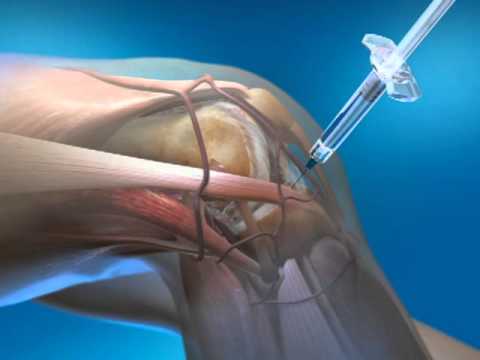
Image result for knee injections


Study identified four risk factors for sepsis after injections for knee pain.

As knee osteoarthritis becomes increasingly prevalent in the aging population, more patients are turning to their physicians for intra-articular injections. But a Chinese retrospective case-control study in Seminars in Arthritis & Rheumatism has underscored several associated risk factors for deep knee infection and chronic low-grade infection, and points to the need for more thorough pre-injection evaluation of patients and stricter training for doctors administering injections.

Foremost among infection risk factors was injection performed by family physicians, which had an odds ratio (OR) of 5.23 (95% CI 2.0-13.67). In addition, a body mass index of ≥ 25 had an OR for infection of 2.3 (95% CI1.1-4.7), and rheumatoid arthritis an OR of 2.61 (95% CI 1.20-5.68). Injection with corticosteroids versus hyaluronic acid had an OR of 3.21 (95% CI 1.63-6.21).

“We underline the importance of the accurate evaluation of clinical history and comorbidities for every IA injection, particularly for patients with obesity and RA and those receiving corticosteroid injections,” wrote Jiying Chen, MD, of People’s Liberation Army General Hospital, Beijing, and colleagues. “Strict training on septic technique is necessary before doctors should perform invasive knee treatments.”

The authors note that post-injection side effects are generally uncommon and mild — approximately 2%-1% per injection — with most complications being injection-site inflammatory reactions such as pain, swelling, and skin or fat atrophy. But though uncommon, deep knee infection can have serious, sometimes life-threatening, consequences, especially with injections on the rise. Chen and associates refer to an epidemiological analysis reporting that in U.S. patients with knee osteoarthritis, over a 5-year period 43.5% of those who eventually underwent total knee arthroplasty were prescribed preoperative intra-articular steroid injections.

The Beijing investigators identified 50 cases of injection-induced knee infection patients undergoing surgery from 2010-2016 and matched them with 250 non-infected controls. The mean age of patients overall was about 67 years and about 65% were female.

There were 21 cases of septic arthritis and 29 cases of chronic low-grade infection, with the former cases showing significantly higher metrics in fever, localized warmth, swelling, resting pain, night pain, limited motion, serum white blood cell counts and C-reactive protein levels.

Patients who developed infection had a slightly higher mean BMI of 26.2 versus 25.2 for controls.

Of those experiencing infection, 60% underwent injection with corticosteroids versus 34.8% of controls, while just 40% had injections of hyaluronic acid versus 65.2% of controls.

In 82% of deep knee infection cases, injection was administered by a general practitioner compared with 43.6% for controls. Just 12% and 6% received injections from an orthopedic surgeon or a rheumatologist, respectively, compared with 28.8% and 27.6%,respectively, for controls.

“This finding suggests that doctors should receive strict training and pass a formal practice exam before they perform invasive knee treatments, such as intra-articular injections,” the authors write.

Bacterial culture determined that Staphylococcus aureus was the by far the most common microorganism in septic arthritis (47.6%), while low-virulence coagulase-negative (CNN) Staphylococcus was most commonly implicated in chronic low-grade infection (31%), followed by Propionibacterium acnes at 24.1%. Other organisms involved in septic arthritis cases were CNN, StreptococcusEnterococcus, and gram-negative bacilli, all at 9.5%.

“These results completely jibe with what we see in our practice,” Bharat Kumar, MD, of the University of Iowa in Iowa City. “They show that injection technique is extremely important, and part of that is training and part of it is practice.”

Kumar advised physicians to observe strict asepsis measures and evaluate patients carefully before giving injections. “Joint infections don’t happen in a vacuum. There are tissue factors in bone to consider, and you have to look carefully at people who have rheumatoid arthritis, are immunosuppressed, or are sick or weak, as they are at increased risk for infection.”

MedPage Today reported a recent study that suggested corticosteroid injections may also hasten cartilage breakdown.

Among the study limitations reported by Chen et al were its small size, single-center location, and retrospective nature, which introduced the possibility of recall bias. In addition, since some patients injected at the study site may have been followed up at an external referral institution, the investigators were not able to identify all cases of post-injection deep knee infection.


Are Payers the Leading Cause of Death in the United States?

https://www.medpagetoday.com/blogs/revolutionandrevelation/68935?utm_source=Sailthru&utm_medium=email&utm_campaign=Daily%20Headlines%202017-11-07&utm_term=Daily%20Headlines%20-%20Active%20User%20-%20180%20days

Related image

Milton Packer wonders if people suffer and die because it is cost effective.

As everyone knows, we are in the midst of a horrific opioid addiction epidemic. Physicians are prescribing opiates for pain relief, and patients are becoming addicted to them. One-fifth of patients who receive an initial 10-day prescription for opioids will still be using opiates a year later. That is simply extraordinary.

Physicians are prescribing opiate formulations that are highly addictive. But they do not need to do that.

There are several newer formulations that relieve pain and are far less addictive than older agents. But they are prescribed uncommonly. Why is that?

It is not because physicians are uninformed.

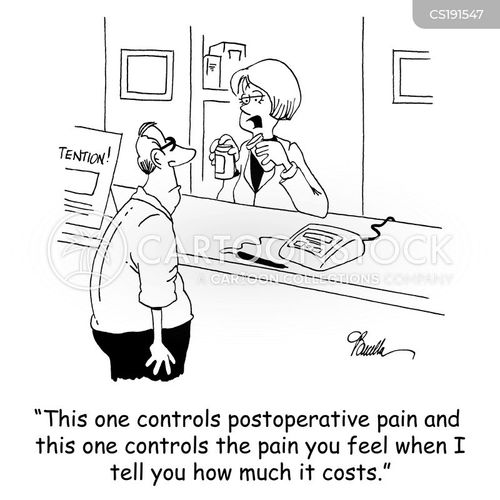
It is because payers will not pay for the alternatives. The less-addictive opiates are more expensive, so payers have declined to support them. Patients get addicted because paying for highly addictive opiates saves the payers money.

The New York Times also noted that the treatment of opiate addiction is expensive. It is far cheaper for payers if physicians continue to prescribe opiates than if physicians enrolled a person into a drug addiction program.

What does that look like? Patients get more prescriptions for opiates instead of getting the help they need.

The Payers Are in Charge

If you are looking for someone to blame for the opioid epidemic, you can certainly blame physicians. You can blame pharmaceutical companies. But while you are at it, don’t forget to include payers.

This conclusion should not be surprising. We live in a world where payers — not physicians — determine what drugs and treatments patients receive.

If patients have a life-threatening condition, it is not unusual for a payer to demand that a physician first prescribe a cheaper and less effective alternative. Physicians know that the drugs they are allowed to use may not work very well, but frequently, payers demand that they be tried first anyway.

What happens if the patient doesn’t respond to the cheap drug?

Often, the physician continues to prescribe it, because — to gain access to the more effective drug — physicians need to go through a painful process of preauthorization. For many practitioners, it isn’t worth it.

Don’t patients eventually get the drugs that they need?

No. All too often, physicians stop trying. Or patients get frustrated and give up. Often, payers says “No!” no matter how many times they are asked. And if the drug is for a life-threatening illness and enough time passes by, then the patient may no longer be alive to demand that they get the right drug.

So we spend more for healthcare than any other country in the world, but Americans do not get the care they need. There is a simple reason. Treatment decisions are not being driven based on a physician’s knowledge or judgment. They are being driven by what payers are willing to pay for.

How many people are affected by all of this?

Everyone.

That includes me and my family. That includes everyone that I know.

Medicine has made incredible progress in the last 20-30 years. But you are not likely to benefit from it.

Do you want to blame the high cost of drugs? You can do that, but if you do, you will be missing the point. We should expect better drugs to be more expensive than less effective ones. But we do not expect to have a company decide that we will get the inferior drug simply because they want to make a profit.

Are payers the leading cause of death in the United States? If you think this is a crazy question, please think again.

Where the Opioids Go

https://www.theatlantic.com/health/archive/2017/10/the-opiate-map/543255/

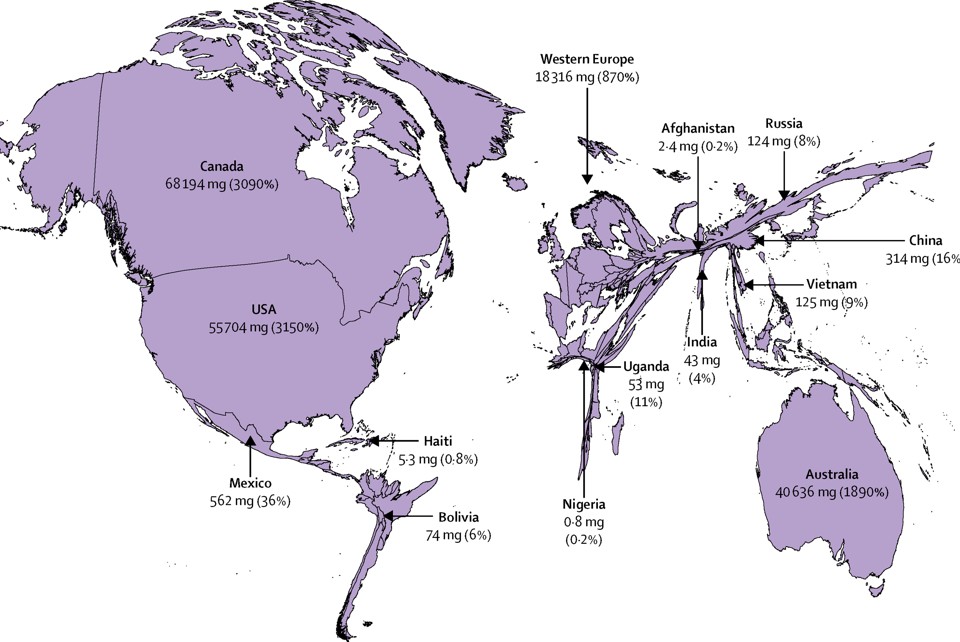
A map using size to show the relative opioid needs that are met by countries around the world in which North America is enormous and Africa and Asia are tiny

While the United States faces an epidemic of narcotic addiction, most of the world dies in pain.

The rate of death from opioid overdoses in the United States has more than doubled over the past decade. Amid a deluge of reports on the national crisis, it’s easy to lose sight of the fact that in much of the world many people die in preventable pain, without access to morphine for end-of-life care.

This is the finding of a global commission published in The Lancet, which includes analysis of the global distribution of narcotics. The above map shows a relative distribution of how much of the need for opioids is met in various places.

The focus of the report is addressing a relatively new target in global health, “serious health-related suffering” as a measure of the need for care. Palliative care, specifically, “should be focused on relieving the serious health-related suffering that is associated with life-limiting or life-threatening conditions or the end of life,” the authors write.

The idea is that suffering isn’t always preventable, but a few cents’ worth of morphine can make an enormous difference. Some 45 percent of the 56.2 million people who died in 2015 experienced serious suffering, the authors found. That included 2.5 million children. More than 80 percent of the people were from developing regions, and the vast majority had no access to palliative care and pain relief.

The authors conclude that the American opioid-overdose epidemic must be addressed in the same stroke as the narcotic famine: “A well-functioning and balanced global system must both prevent nonmedical use and misuse of medicines and ensure effective access to essential medicines for palliative care, including opioids for pain relief.”

That would involve including morphine in something called an Essential Package of palliative care and pain-relief interventions “to remedy the abyss in access to care.” These medications could be administered not just by doctors and nurses, but also by trained community health workers. The packages would be integrated into national health systems as part of universal health coverage, with the global scale helping make the model cost-effective.

They recommend immediate-release oral and injectable morphine for severe pain, which costs pennies per dose. At that rate, the “pain gap” could be closed for $145 million. This is less than some American pharmaceutical companies spend in any given year on marketing. To that end, the commission recommends prohibiting drug companies from marketing to patients or care providers—as the U.S. epidemic was driven by heavy marketing of powerful, expensive narcotics to address relatively moderate pain.

The United States stands as an outlier among wealthy countries in that it does not have a universal health-care system. As the country debates whether health care is a right, many objections come down to different understandings of what constitutes care—what it means to have a right to life and pursuit of happiness. The concept of serious health-related suffering may come to play in that discussion. Even the most austere fiscal conservatives have been reluctant to say that people with acute emergencies should be turned away from hospitals to die in the streets.

Access to morphine at the end of life would seem an area of agreement that transcends ideology—where the suffering of millions of people could be prevented at very little cost. Yet on a global scale, that’s not happening.

Don’t take opioids off the market – make it harder to abuse them

https://theconversation.com/dont-take-opioids-off-the-market-make-it-harder-to-abuse-them-79730?utm_medium=email&utm_campaign=Latest%20from%20The%20Conversation%20for%20October%201%202017%20-%2084576980&utm_content=Latest%20from%20The%20Conversation%20for%20October%201%202017%20-%2084576980+CID_49b12b4a2a39e7f173235a40290664ab&utm_source=campaign_monitor_us&utm_term=Dont%20take%20opioids%20off%20the%20market%20-%20make%20it%20harder%20to%20abuse%20them

Image result for Don’t take opioids off the market - make it harder to abuse them

How can we combat the opioid epidemic?

One of the government’s most recent suggestions is to take Opana ER, an opioid indicated for very severe pain, off the market. The request, filed by the U.S. Food and Drug Administration in June, was linked to concerns of abuse-related HIV and hepatitis C outbreaks.

But removing access to opioids altogether isn’t the solution. There are individuals suffering from chronic pain who need or strongly benefit from these drugs. The National Center for Health Statistics estimates that a fourth of the nation’s population suffers from pain lasting longer than 24 hours. Millions more suffer from acute pain.

As a researcher who studies how pharmaceuticals are used and what effects they have, I believe it makes more sense to reduce both the supply and demand side of prescription drug abuse – without interfering with their safe and appropriate use. We can do this by reimagining how we design and prescribe addictive drugs.

Redesigning the pill

Opioids such as morphine typically relieve pain by acting on opioid receptors distributed throughout the central nervous system.

The FDA has come up with a number of ways to deter abuse by changing the way drugs work. For example, manufacturers could include an opioid antagonist in the formulation. This is essentially a drug that blocks the opioid’s effect by binding to the same receptors in the brain that the opioid would. Changing the formulation in this way would reduce the chances of experiencing the euphoric high that leads to addiction.

A good example of an opioid that does this is Targiniq ER. If Targiniq ER is crushed or dissolved, it releases Naloxone, an opioid antagonist that blocks the effect of the opioid.

Another option is to redesign the drug so it must be injected or implanted, instead of taken orally. That way, the drug would potentially have to be delivered under medical supervision. Requiring the drugs to be delivered under medical supervision could also potentially reduce the improper use of needles and related outbreaks.

Even so, no method is foolproof; abusers can sometimes manipulate a changed drug. For example, Opana ER was designed to be difficult to crush, but abusers began to dissolve the drug into a solution and injecting it. To deter drug abuse, Opana ER’s manufacturer, Endo Pharmaceuticals, devised a new medication formula that made the coating more difficult to crush or dissolve. Unfortunately, abusers still found a way to remove the coating and inject the drug.

Required prescription monitoring

Prescription drug monitoring programs have shown considerable promise in tracking potential abusers.

These programs provide emergency departments and physicians with information about a patient’s past use of controlled substances at the point of care. This can immediately flag any potential for abuse, making the doctor’s decision to prescribe opioids – or not – much easier.

Now, the U.S. Substance Abuse and Mental Health Services Administration has funded at least nine states to combine their prescription monitoring programs with local hospital electronic health records and other systems already in place. These collaborations provide clinicians with a comprehensive history of controlled substance, so they can make informed decisions about patient health.

This has already had some success. For example, Illinois saw a 22 percent decrease in number of opioid prescriptions issued by prescribers and a 41 percent decrease in the number of patients who received at least one opioid prescription.

More information on the nature of the epidemic – particularly its link to rural areas – could yield clues about where and how to intervene. However, publicly available data have limited geographical information and don’t cover all information we might need, such as data about dose or treatment duration. What data are available are restricted to protect the identity of individuals.

Rather than look at patients with opioid issues, we decided to look at the doctors who prescribe the drugs. Our group has been working with the state of South Carolina to combine our prescription drug monitoring program, called South Carolina Reporting and Identification Prescription Tracking System, or SCRIPTS, with Medicaid data.

While we were able to combine only two years’ worth of data, our research led to important insights into the abuse potential within South Carolina.

By geocoding state prescription information, we found that a relatively small percentage of providers, concentrated in a few counties, accounted for most opioid prescriptions. In 2010, the top 10 percent of prescribers wrote more than half of all opioid prescriptions.

This group represents a potential target for physician education and engagement in handling pain management and appropriate use of opioids.

Rethinking how we assess patients

Many solutions to the opioid crisis tend to focus on how far it has come and how to mitigate it. However, a more sustainable approach would be to rethink the process of care and engage the patient – who is at the center of it all.

When patients are engaged in the care process, they tend to adhere more to their prescribed regimens and experience better health outcomes.

In most primary care settings, it is considered standard practice to ask patients to rate their pain on a scale from one to 10. This is a very crude measure, but now we need a more sophisticated method. Medical care should consider not only the providers’ preferences, but the patient’s, too.

We need a tool that gets at not only the level of pain an individual experiences, but also their preferences in dealing with pain. Studies showthat patient-provider communication plays an important role in pain management. If patients could share their specific concerns regarding their pain and their goals for treatment, then clinicians would be able to find the best treatment plan that is tailored to individual patient preferences.

Rather than using a standardized approach that matches pain level to doses of an analgesic or opioid, clinicians should assess each patient individually, looking at their tolerance for pain, their priorities for treatment and how they value outcomes.

By centering pain management on individual patients, we can give them a voice in the decision-making process. Given the issues with opioid abuse, I think such a pain management tool would yield a multitude of benefits, such as cutting down unnecessary prescriptions, matching the therapy to the patient’s needs and improving outcomes.

Aetna is notifying some doctors about their drug-dispensing habits

https://www.washingtonpost.com/news/to-your-health/wp/2016/08/03/aetna-is-notifying-some-doctors-about-their-drug-dispensing-habits/


81-year-old former pediatrician pleads guilty to fraud

http://www.beckershospitalreview.com/legal-regulatory-issues/81-year-old-former-pediatrician-pleads-guilty-to-fraud.html

Physician Fraud and Abuse

According to his plea agreement, Nicola Tauraso, MD, practiced as a pediatrician between 1972 and 2007. In 2009 he opened a pain management practice in Frederick, Md. Dr. Tauraso saw an excessive number of patients at his clinic — typically about 80 per eight-hour day — and wrote prescriptions for Oxycodone and Ocycontine without determining if a medical need existed for the prescriptions.