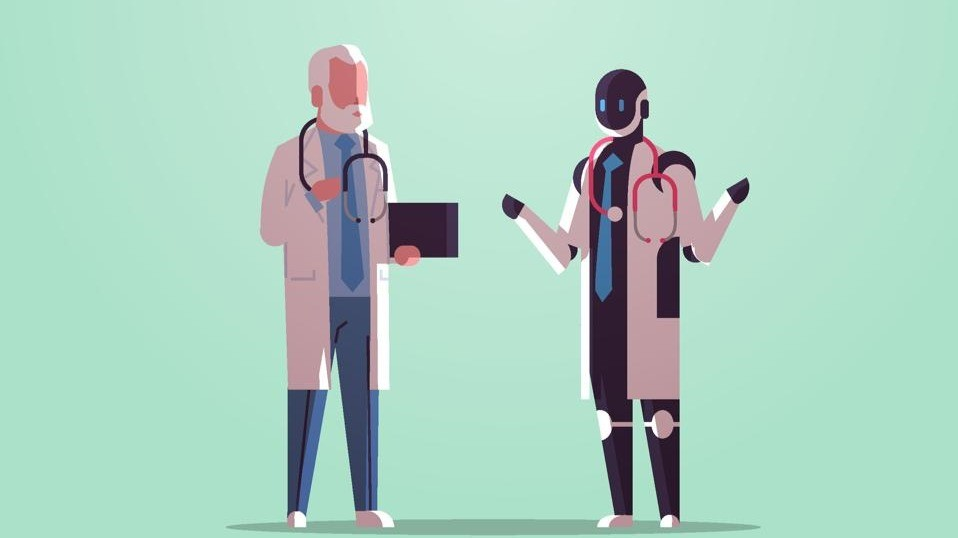
AI in medicine: 3 easy questions to separate hype from reality

https://www.linkedin.com/pulse/ai-medicine-3-easy-questions-separate-hype-from-robert-pearl-m-d–ctznc/

Artificial intelligence has long been heralded as a transformative force in medicine. Yet, until recently, its potential has remained largely unfulfilled.

Consider the story of MYCIN, a “rule-based” AI system developed in the 1970s at Stanford University to help diagnose infections and recommend antibiotics. Though MYCIN showed early promise, it relied on rigid, predetermined rules and lacked the flexibility to handle unexpected or complex cases that arise in real-world medicine. Ultimately, the technology of the time couldn’t match the nuanced judgment of skilled clinicians, and MYCIN never achieved widespread clinical use.

Fast forward to 2011, when IBM’s Watson gained global notoriety by besting renowned Jeopardy! champions Ken Jennings and Brad Rutter. Soon after, IBM applied Watson’s vast computing power to healthcare, envisioning it as a gamechanger in oncology. Tasked with synthesizing data from medical literature and patient records at Memorial Sloan Kettering, Watson aimed to recommend tailored cancer treatments.

However, the AI struggled to provide reliable, relevant recommendations—not because of any computational shortcoming but due to inconsistent, often incomplete, data sources. These included imprecise electronic health record entries and research articles that leaned too heavily toward favorable conclusions, failing to hold up in real-world clinical settings. IBM shut down the project in 2020.

Today, healthcare and tech leaders question whether the latest wave of AI tools—including much-heralded generative artificial intelligence models—will deliver on their promise in medicine or become footnotes in history like MYCIN and Watson.

Anthropic CEO Dario Amodei is among the AI optimists. Last month, in a sprawling 15,000-word essay, he predicted that AI would soon reshape humanity’s future. He claimed that by 2026, AI tools (presumably including Anthropic’s Claude) will become “smarter than a Nobel Prize winner.”

Specific to human health, Amodei touted AI’s ability to eliminate infectious diseases, prevent genetic disorders and double life expectancy to 150 years—all within the next decade.

While I admire parts of Amodei’s vision, my technological and medical background makes me question some of his most ambitious predictions.

When people ask me how to separate AI hype from reality in medicine, I suggest starting with three critical questions:

Question 1: Will the AI solution speed up a process or task that humans could eventually complete on their own?

Sometimes, scientists have the knowledge and expertise to solve complex medical problems but are limited by time and cost. In these situations, AI tools can deliver remarkable breakthroughs.

Consider AlphaFold2, a system developed by Google DeepMind to predict how proteins fold into their three-dimensional structures. For decades, researchers struggled to map these large, intricate molecules—the exact shape of each protein requiring years and millions of dollars to decipher. Yet, understanding these structures is invaluable, as they reveal how proteins function, interact and contribute to diseases.

With deep learning and massive datasets, AlphaFold2 accomplished in days what would have taken labs decades, predicting hundreds of proteins’ structures. Within four years, it mapped all known proteins—a feat that won DeepMind researchers a Nobel Prize in Chemistry and is now accelerating drug discovery and medical research.

Another example is a collaborative project between the University of Pittsburgh and Carnegie Mellon, where AI analyzed electronic health records to identify adverse drug interactions. Traditionally, this process took months of manual review to uncover just a few risks. With AI, researchers were able to examine thousands of medications in days, drastically improving speed and accuracy.

These achievements show that when science has a clear path but lacks the speed, tools and scale for execution, AI can bridge the gap. In fact, if today’s generative AI technology existed in the 1990s, ChatGPT estimates it could have sequenced the entire human genome in less than a year—a project that originally took 13 years and $2.7 billion.

Applying this criterion to Amodei’s assertion that AI will soon eliminate most infectious diseases, I believe this goal is realistic. Today’s AI technology already analyzes vast amounts of data on drug efficacy and side effects, discovering new uses for existing medications. AI is also proving effective in guiding the development of new drugs and may help address the growing issue of antibiotic resistance. I agree with Amodei that AI will be able to accomplish in a few years what otherwise would have taken scientists decades, offering fresh hope in the fight against human pathogens.

Question 2: Does the complexity of human genetics make the problem unsolvable, no matter how smart the technology?

Imagine searching for a needle in a giant haystack. When a single answer is hidden within mountains of data, AI can find it much faster than humans alone. But if that “needle” is metallic dust, scattered across multiple haystacks, the challenge becomes insurmountable, even for AI.

This analogy captures why certain medical problems remain beyond AI’s reach. In his essay, Amodei predicts that generative AI will eliminate most genetic disorders, cure cancer and prevent Alzheimer’s within a decade.

While AI will undoubtedly deepen our understanding of the human genome, many of the diseases Amodei highlights as curable are “multifactorial,” meaning they result from the combined impact of dozens of genes, plus environmental and lifestyle factors. To better understand why this complexity limits AI’s reach, let’s first examine simpler, single-gene disorders, where the potential for AI-driven treatment is more promising.

For certain genetic disorders, like BRCA-linked cancers or sickle cell disease that result from a single-gene abnormality, AI can play a valuable role by helping researchers identify and potentially use CRISPR, an advanced gene-editing tool, to directly edit these mutations to reduce disease risk.

Yet even with single-gene conditions, treatment is complex. CRISPR-based therapies for sickle cell, for example, require harvesting stem cells, editing them in a lab and reinfusing them after risky conditioning treatments that pose significant health threats to patients.

Knowing this, it’s evident that the complications would only multiply when editing multifactorial congenital diseases like cleft lip and palate—or complex diseases that manifest later in life, including cardiovascular disease and cancer.

Put simply, editing dozens of genes simultaneously would introduce severe threats to health, most likely exceeding the benefits. Whereas generative AI’s capabilities are accelerating at an exponential rate, gene-editing technologies like CRISPR face strict limitations in human biology. Our bodies have intricate, interdependent functions. This means correcting multiple genetic issues in tandem would disrupt essential biological functions in unpredictable, probably fatal ways.

No matter how advanced an AI tool may become in identifying genetic patterns, inherent biological constraints mean that multifactorial diseases will remain unsolvable. In this respect, Amodei’s prediction about curing genetic diseases will prove only partially correct.

Question 3: Will the AI’s success depend on people changing their behaviors?

One of the greatest challenges for AI applications in medicine isn’t technological but psychological: it’s about navigating human behavior and our tendency toward illogical or biased decisions. While we might assume that people will do everything they can to prolong their lives, human emotions and habits tell a different story.

Consider the management of chronic diseases like hypertension and diabetes. In this battle, technology can be a strong ally. Advanced home monitoring and wearable devices currently track blood pressure, glucose and oxygen levels with impressive accuracy. Soon, AI systems will analyze these readings, recommend diet and exercise adjustments and alert patients and clinicians when medication changes are needed.

But even the most sophisticated AI tools can’t force patients to reliably follow medical advice—or ensure that doctors will respond to every alert.

Humans are flawed, forgetful and fallible. Patients skip doses, ignore dietary recommendations and abandon exercise goals. On the clinician side, busy schedules, burnout and competing priorities often lead to missed opportunities for timely interventions. These behavioral factors add layers of unpredictability and unresponsiveness that even the most accurate AI systems cannot overcome.

And in addition to behavioral challenges, there are biological issues that limit the human lifespan. As we grow older, the protective caps on our chromosomes wear down, causing cells to stop functioning. Our cells’ energy sources, called mitochondria, gradually fail, weakening our bodies until vital organs cease to function. Short of replacing every cell and tissue in our bodies, our organs will eventually give out. And even if generative AI could tell us exactly what we needed to do to prevent these failings, it is unlikely people would consistently follow the recommendations.

For these reasons, Amodei’s boldest prediction—that longevity will double to 150 years within a decade—won’t happen. AI offers remarkable tools and intelligence. It will expand our knowledge far beyond anything we can imagine today. But ultimately, it cannot override the natural and complex limitations of human life: aging parts and illogical behaviors.

In the end, you should embrace AI promises when they build on scientific research. But when they violate biological or psychological principles, don’t believe the hype.
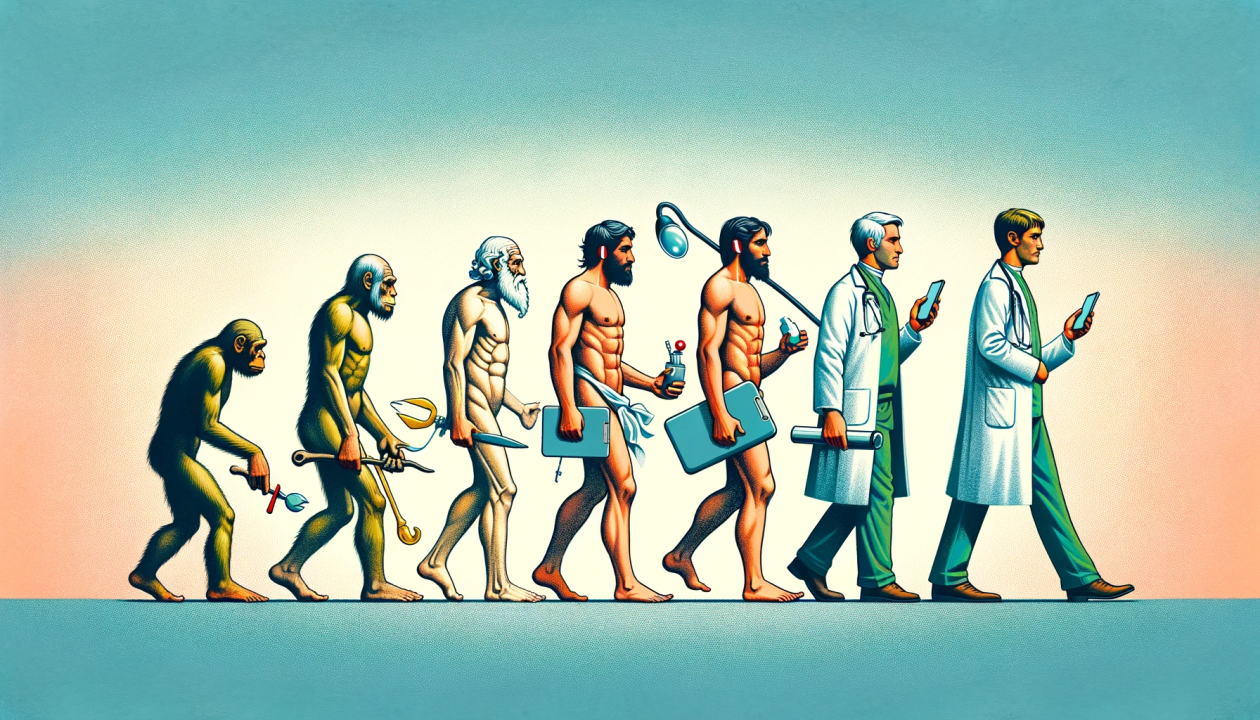
The genetic paradox: Yesterday’s solutions are today’s problems. Can U.S. healthcare shift gear faster than our genes?

https://www.linkedin.com/pulse/genetic-paradox-yesterdays-solutions-todays-problems-can-pearl-m-d–r6mic/?trackingId=C3X2nlWPRe6yBwiHCcuWGg%3D%3D

In a world where change is the only constant, the swift currents of modern life contrast starkly with the sluggish pace of genetic evolution—and of American healthcare, too.

Two relatively recent scientific discoveries demonstrate how the very genetic traits that once secured humanity’s survival are failing to keep up with the times, producing dire medical consequences. These important biological events offer insights into American medicine—along with a warning about what can happen when healthcare systems fail to change.

The Mysteries Of Sickle Cell And Multiple Sclerosis

For decades, scientists were baffled by what seemed like an evolutionary contradiction.

Sickle cell disease is a condition resulting from a genetic mutation that produces malformed red blood cells. It afflicts approximately 1 in 365 Black Americans, causing severe pain and organ failure.

Its horrific impact on people raises a question: How has this genetic mutation persisted for 7,300 years? Nature is a merciless editor of life, and so you would expect that across seven millennia, people with this inherited problem would be less likely to survive and reproduce. This curiosity seems to defy the teachings of Charles Darwin, who theorized that evolution discards what no longer serves the survival of a species.

Scientists solved this genetic puzzle in 2011, illuminating a significant evolutionary trade-off.

People living with sickle cell disease have two abnormal genes, one inherited from each parent. While the disease, itself, affects a large population (roughly 100,000 African Americans), it turns out that a far larger population in the United States carries one “abnormal” gene and one normal gene (comprising as many as 3 million Americans).

This so called “sickle cell trait” presents milder symptoms or none at all when compared to the full disease. And, unlike those with the disease, individuals who with one (but not both) abnormal genes possess a distinct evolutionary advantage: They have a resistance to severe malaria, which every year claims more than 600,000 lives around the globe.

This genetic adaptation (a resistance to malaria) kept people alive for many millennia in equatorial Africa, protecting them from the continent’s deadliest infectious disease. But in present-day America, malaria is not a major public-health concern due to several factors, including the widespread use of window screens and air conditioning, controlled and limited habitats for the Anopheles mosquitoes (which transmit the disease), and a strong healthcare system capable of managing and containing outbreaks. Therefore, the sickle cell trait is of little value in the United States while sickle cell disease is a life-threatening problem.

The lesson: Genetic changes beneficial in one environment, such as malaria-prone areas, can become harmful in another. This lesson isn’t limited to sickle cell disease.

A similar genetic phenomenon was uncovered through research that was published last month in Nature. This time, scientists discovered an ancient genetic mutation that is, today, linked to multiple sclerosis (MS).

Their research began with data showing that people living in Northern Europe have twice the number of cases of MS per 100,000 individuals as people in the South of Europe. Like sickle cell disease, MS is a terrible affliction—with immune cells attacking neurons in the brain, interfering with both walking and talking.

Having identified this two-fold variance in the prevalence of MS, scientists compared the genetic make-up of the people in Europe with MS versus those without this devastating problem. And they discovered a correlation between a specific mutated gene and the risk of developing MS. Using archeological material, the researchers then connected the introduction of this gene into Northern Europe with cattle, goat and sheep herders from Russia who migrated west as far back as 5,000 years ago.

Suddenly, the explanation comes into focus. Thousands of years ago, this genetic abnormality helped protect herders from livestock disease, which at the time was the greatest threat to their survival. However, in the modern era, this same mutation results in an overactive immune response, leading to the development of MS.

Once again, a trait that was positive in a specific environmental and historical context has become harmful in today’s world.

Evolving Healthcare: Lessons From Our Genes

Just as genetic traits can shift from beneficial to detrimental with changing circumstances, healthcare practices that were once lifesaving can become problematic as medical capabilities advance and societal needs evolve.

Fee-for-service (FFS) payments, the most prevalent reimbursement model in American healthcare, offer an example. Under FFS, insurance providers, the government or patients themselves pay doctors and hospitals for each individual service they provide, such as consultations, tests, and treatments—regardless of the value these services may or may not add.

In the 1930s, this “mutation” emerged as a solution to the Great Depression. Organizations like Blue Cross began providing health insurance, ensuring healthcare affordability for struggling Americans in need of hospitalization while guaranteeing appropriate compensation for medical providers.

FFS, which linked payments to the quantity of care delivered, proved beneficial when the problems physicians treated were acute, one-time issues (e.g., appendicitis, trauma, pneumonia) and relatively inexpensive to resolve.

Today, the widespread prevalence of chronic diseases in 6 out of 10 Americans underlines the limitations of the fee-for-service (FFS) model. In contrast to “pay for value” models, FFS, with its “pay for volume” approach, fails to prioritize preventive services, the avoidance of chronic disease complications, or the elimination of redundant treatments through coordinated, team-based care. This leads to increased healthcare costs without corresponding improvements in quality.

This situation is reminiscent of the evolutionary narrative surrounding genetic mutations like sickle cell disease and MS. These mutations, which provided protective benefits in the past, have become detrimental in the present. Similarly, healthcare systems must adapt to the evolving medical and societal landscape to better meet current needs.

Research demonstrates that it takes 17 years on average for a proven innovation in healthcare to become common practice. When it comes to evolution of healthcare delivery and financing, the pace of change is even more glacial.

In 1934, the Committee on the Cost of Medical Care (CCMC) concluded that better clinical outcomes would be achieved if doctors (a) worked in groups rather than as fragmented solo practices and (b) were paid based on the value they provided, rather than just the volume of work they did.

Nearly a century later, these improvements remain elusive. Well-led medical groups remain the minority of all practices while fee-for-service is still the dominant healthcare reimbursed method.

Things progress slowly in the biological sphere because chance is what initiates change. It takes a long time for evolution to catch up to new environments.

But change in healthcare doesn’t have to be random or painfully slow. Humans have a unique ability to anticipate challenges and proactively implement solutions. Healthcare, unlike biology, can advance rapidly in response to new medical knowledge and societal needs. We have the opportunity to leverage our knowledge, technology, and collaborative skills to address and adapt to change much faster than random genetic mutations. But it isn’t happening.

Standing in the way is a combination of fear (of the risks involved), culture (the norms doctors learn in training) and lack of leadership (the ability to translate vision into action).

Genetics teaches us that evolution ultimately triumphs. Mutations that save lives and improve health become dominant in nature over time. And when those adaptations no longer serve a useful purpose, they’re replaced.

I hope the leaders of American medicine will learn to adapt, embracing the power of collaborative medicine while replacing fee-for-service payments with capitation (a single annual payment to group of clinicians to provide the medical care for a population of patients.) If they wait too long, dinosaurs will provide them with the next set of biological lessons.

Another new first for CRISPR

https://www.axios.com/newsletters/axios-vitals-38324a12-c0f6-4610-bbc9-675192c94df1.html?utm_source=newsletter&utm_medium=email&utm_campaign=newsletter_axiosvitals&stream=top

Image result for crispr gene editing

For the first time, scientists have used the gene-editing technique CRISPR inside the body of an adult patient, in an effort to cure congenital blindness, Bryan reports.

Why it matters: CRISPR has already been used to edit cells outside a human body, which are then reinfused into the patient.

  • But the new study could open the door to using gene editing to treat incurable conditions that involve cells that can’t be removed from the body, like Huntington’s disease and dementia.

Details: The research was sponsored by biotech companies Editas Medicine of Cambridge, Massachusetts, and Allergan of Dublin, Ireland, and was carried out at Oregon Health and Science University.

  • Scientists led by Eric Pierce of Harvard Medical School injected microscopic droplets carrying a benign virus into the eye of a nearly blind patient suffering from the genetic disorder Leber congenital amaurosis.
  • The virus had been engineered to instruct the cells to create CRISPR machinery. The hope is that CRISPR will edit out the genetic defects that cause blindness, restoring at least some vision.
  • “We literally have the potential to take people who are essentially blind and make them see,” Charles Albright, chief scientific officer at Editas, told AP.

“It gives us hope that we could extend that to lots of other diseases — if it works and if it’s safe,” National Institutes of Health director Francis Collins told NPR.


The Drivers of Health: What makes us healthy?

The Drivers


What makes us healthy?

We have an intuitive sense that things like what we eat, how much we exercise, the quality of our water and air, and getting appropriate health care when sick all help us stay healthy, but how much do each of these factors matter?

Studies have also shown that our incomes, education, even racial identity are associated with health — so-called “social determinants of health.”

How much do social determinants matter? How much does the health system improve our health?

In the 1970s the Centers for Disease Control and Prevention tried to answer these questions but had little rigorous science to guide it. Though we know a great deal more today, they still have not been fully answered. This is no mere curiosity — knowing what makes us healthy will help us direct investments into the right programs.

Over the years, many frameworks have been developed to illuminate what affects health. The relationships are so complex that no single framework captures everything. To get us started on this research project — and our broader conversation about what drives health — we created a model that allows us to explore some of the dimensions of these drivers, and their relationships to each other.

The Framework

We developed our framework by reviewing research on factors that influence health and surveying similar projects and tools from prominent organizations . It is not meant to be complete, but a starting point that allows us to think about what drives health and how.

Indirect vs. Direct Factors
Many things affect health, some directly and others indirectly. Government/policy, income/wealth, education, and racial identity don’t necessarily affect health in an immediate way. They are indirect factors that tend to affect health through complex pathways. Those pathways usually involve other factors that more immediately affect health. These are the direct factors such as occupation, health care access, and health behaviors.

Why these Outcomes?
There are many possible health outcomes. The framework includes four examples—age-adjusted mortality, life expectancy, quality of life/well-being, and functional status. These outcomes are commonly studied, prevalent in the literature, and reflect the kinds of things people care most about.

The Drivers