An unprecedented mental health crisis for adolescent girls

https://mailchi.mp/89b749fe24b8/the-weekly-gist-february-17-2023?e=d1e747d2d8

Responding to the Centers for Disease Control and Prevention’s (CDC) latest Youth Risk Behavior Survey for 2011-2021, an article in The Atlantic attempts to make sense of the historic levels of anxiety and depression being reported by today’s teens, especially girls and those who identify as lesbian, gay, or bisexual (the survey does not track trans identity). 

The survey, which is the definitive measure of youth behavior and mental health in the country, found nearly 60 percent of teenage girls reported “persistent feelings of sadness or hopelessness”, and that the share contemplating suicide grew by 50 percent since 2011. The article explores several possible drivers, including a pandemic-induced effect that could subside, pervasive exposure to social media, the normalization of discussing mental distress, and the outcome of growing up with ongoing crises like school shootings and climate change. But none of the explanations fully accounts for the alarming crisis, nor do any of them present easily workable solutions.

The Gist: Echoing the drug overdose epidemic, the unfolding crisis in teen mental health is difficult for providers to address because many victims don’t access healthcare services until their conditions deteriorate to the point of requiring hospitalization, often from a suicide attempt or an overdose.

And when teenagers in mental health crisis present to emergency departments, hospitals are often forced to board them for days, as the number of psychiatric treatment facilities for teens has dropped by 30 percent from 2012 to 2020.

These data should be a call for providers to focus more upstream diagnosis and care, by partnering with children, families, schools, and other community organizations.
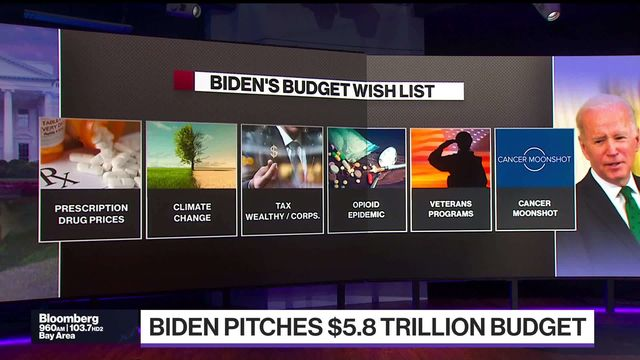
Biden’s $5.8 trillion budget: 9 healthcare takeaways

President Joe Biden proposed a $5.8 trillion budget March 28 for fiscal year 2023, which includes funding for healthcare. 

Nine healthcare takeaways:

1. Pandemic preparedness. The budget calls for a five-year investment of $81.7 billion to plan ahead for future pandemics. The funding would help support research and development of vaccines, improve clinical trial infrastructure and expand domestic manufacturing. 

2. Mental health parity. Under the proposed budget, federal regulators would get the power to levy fines against health plans that violate mental health parity rules. The budget calls for $275 million over 10 years to increase the Labor Department’s capacity to ensure health plans are complying with the requirements and take action against those plans that do not. The budget also proposes funding to bolster the mental healthcare workforce and boost funding for suicide prevention programs. 

3. Vaccines for uninsured adults. The proposed budget calls for establishing a new Vaccines for Adults program that would provide uninsured adults access to recommended vaccines at no cost.

4. Title X funding. The budget proposes providing $400 million in funding for the Title X Family Planning Program, which provides family planning and other healthcare services to low-income individuals.

5. Cancer Moonshot initiative. The budget proposes several investments across the FDA, CDC, National Cancer Institute and Advanced Research Projects Agency for Health to advance President Biden’s Cancer Moonshot initiative. The initiative aims to reduce the cancer death rate by 50 percent over the next 25 years. 

6. Spending to reduce HIV. The proposed budget includes $850 million to reduce new HIV cases by increasing access to HIV prevention services and support services.

7. Veterans Affairs medical care. President Biden’s proposed budget allocates $119 billion, or a 32 percent increase, to medical care for veterans. The money will fully fund inpatient, outpatient, mental health and long-term care services, while also investing in training programs for clinicians to work in the VA.

8. Discretionary funding for HHS. President Biden is asking Congress to approve $127.3 billion in discretionary funding for HHS in fiscal 2023, representing a $26.9 billion increase from the department’s allotment for fiscal 2021.

9. Mandatory spending for the Indian Health Service. The budget request for the Indian Health Service calls for shifting the healthcare agency from discretionary to mandatory funding. The budget calls for $9.1 billion in funding, a 20 percent increase from the amount allocated in fiscal 2021.