Physical and Occupational Therapy Are on the Medicare Chopping Block

Americans expect the best care from their doctors. Decades of experience, thoughtful interdisciplinary planning, and evidence-based research mean providers are treating them based on widely accepted standards of care.

For example, someone who has experienced a heart attack would never be discharged from a hospital without being prescribed medications to mitigate future cardiac events. A patient with acute pulmonary issues would receive medications and resources for oxygen therapy, if appropriate. Stroke patients receive the acute hospital-based care they need to save their lives, as well as a constellation of other types of care and services to decrease complications and enhance recovery — pharmacological, dietary, and rehabilitative.

Physical therapy and occupational therapy are among the critical standards of care that would be included for all of these patients. These services help form the bedrock of ensuring good outcomes, decreasing secondary injury and complications, and reducing rehospitalizations.

In addition to serving as an important part of post-acute care, physical and occupational therapy provided by licensed therapists can help improve balance and mobility, improve cardiovascular function, reduce pain, and decrease falls. In fact, healthcare associated with falls costs the healthcare system tens of billions of dollars each year — and exercise interventions by physical therapists have helped to lower the risk of falls by 31%.

Eliminating or reducing access to physical and occupational therapy due to Medicare cuts would be devastating to patients’ health outcomes. Not only would it undermine the standards of care for many conditions, it would also complicate the lives and tenuous health situations of the millions of Americans who depend upon it.

Seniors nationwide, therefore, are extremely concerned about the 4.5% cut to their therapy providers in 2023 under the Medicare Physician Fee Schedule. If this cut is implemented, the physical and occupational therapy community will experience cuts totaling approximately 9% by 2024. The continued practice of annual Medicare cuts threatens the sustainability of the country’s physical and occupational providers, especially in rural and underserved areas where they are needed most.

Our nation’s Medicare beneficiaries understand how integral physical and occupational therapy are to standards of care — and they value it deeply. According to a recent survey, 9 out of 10 Americans over the age of 65 have favorable views of physical therapists, and the majority see considerable value in the services they provide. Nearly the same number (88%) expressed concerns that proposed Medicare payment cuts may eliminate alternatives for therapy outside of nursing homes and eliminate seniors’ ability to age in place. More than three in four respondents (76%) say it is important for them to be able to access their physical therapist when they cannot come into the office for an in-person appointment.

Care professionals across the healthcare continuum — from skilled therapists to physicians to nurse practitioners and physicians’ assistants — recognize the negative impact these cuts would have on their patients, and support efforts in Congress to address these cuts in the year ahead.

Bipartisan lawmakers in Congress have introduced legislation to block these harmful cuts from taking effect in 2023, an essential step toward ensuring all Americans can access quality physical therapy and other specialty services. The Supporting Medicare Providers Act of 2022 (H.R. 8800) would block Medicare’s Physician Fee Schedule cuts by providing an additional 4.42% to the conversion factor for 2023.

It’s inconceivable to think we can continue to provide thorough care without one of the most essential elements — therapy. We hope that Congress will act — and quickly before the end of the year — so that our critically important healthcare standards for patients suffering from a multitude of diseases, injuries, and conditions are not irrevocably undermined.
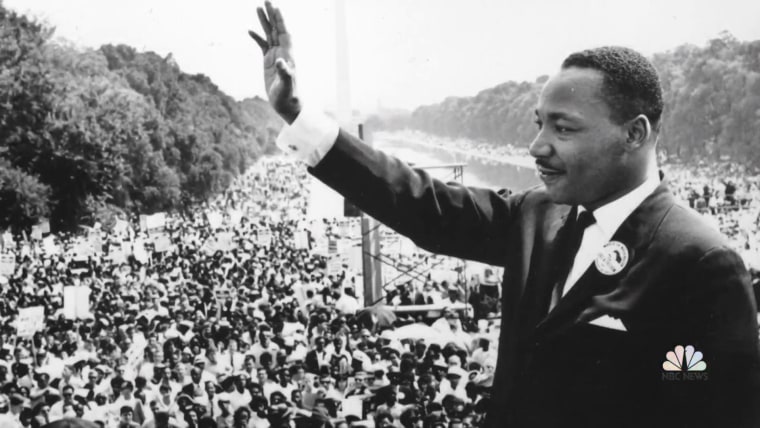
MARTIN LUTHER KING JR.’S HEALTHCARE JUSTICE ADVOCACY MAKES AMERICA’S HOSPITALS BETTER TODAY

Martin Luther King Jr.’s Healthcare Justice Advocacy Makes America’s Hospitals Better Today

Image result for MARTIN LUTHER KING JR.’S HEALTHCARE JUSTICE ADVOCACY MAKES AMERICA’S HOSPITALS BETTER TODAY

Every January, the United States celebrates the lasting legacy of Dr. Martin Luther King Jr. Not widely known is how his civil rights advocacy made a lasting impact on modern-day hospitals, including children’s hospitals.

Today in 170 Children’s Miracle Network Hospitals, every young patient is treated regardless of their race or background. CMN Hospitals are deeply committed to offering world-renowned treatment to all kids in need and that’s why donations to your local hospital can make such a difference for families facing health crises.

Unfortunately, certain hospitals in America were still segregated in the not too recent past. When Brown vs. Board of Education passed in 1954, schools began to desegregate, and this paved the way for institutions like hospitals to follow suite. King’s healthcare justice advocacy advanced health care access in particular for the African American community.

A History of Unequal Healthcare

When patients enter a hospital, they expect to receive a standard of care that will improve their lives regardless of who they might be. That expectation, unfortunately, has not always been backed up by medical institutions across the United States. African Americans, in particular, experienced a history of receiving substandard care and outright abuse within the framework of medical science.

Notable examples of this include:

While the details of those specific examples weren’t publicly known in the 1960s, African Americans were certainly aware that they received care that was inferior to white patients. Doctors and hospitals continued perpetuating this double standard even after the passage of the Civil Rights Act in 1964. The disparity in treatment quality was so egregious that Dr. Martin Luther King Jr. spoke out against it, calling for an awakening in the conscience of the United States.

Desegregating Hospitals

King uttered his famous words on healthcare while addressing the press before attending the annual meeting of the Medical Committee for Human Rights, an organization formed because the American Medical Association was segregated at the time. “Of all the forms of inequality, injustice in health is the most shocking and the most inhuman because it often results in physical death,” said King.

The Civil Rights Act of 1964 isn’t typically associated with healthcare. However, at that point in history, it was well known that some hospitals and medical institutions were resisting the push for desegregation, a practice which hospitals used to provide less than adequate care to African American patients. Hospitals would continue to hold onto such discriminatory practices unless something was done.

Legal Gains for Equality in Hospitals

The reason King spoke out so vehemently in 1966 was due to the passage of Medicare and Medicaid in 1965, something that was only possible due to the efforts of the Medical Committee for Human Rights and its head, W. Montague Cobb. The organization made use of the non-violent protest strategies of King and the Civil Rights Movement. The passage of the Social Security Act, which created Medicare and Medicaid brought federal funding into every hospital and medical institution in the United States, forever binding each facility to the Civil Rights Act, a stipulation of which was that any organization receiving federal funding could not discriminate on the basis of race.

From that point onward, hospitals that clung to the old ways of discrimination were subject to lawsuits from mistreated African Americans and pressure from activists like King and the Medical Committee for Human Rights. This gave King the legal ground to stand on when calling on hospitals to abandon the evil practice of systemic discrimination in 1966 with those now famous words from that 1966 conference.

While we know there’s more work to be done to promote equal healthcare access to every child in need across North America, we’re proud that our non-profit children’s hospitals can be a part of the solution.

Thank you, King.