http://www.fiercehealthcare.com/healthcare/trump-s-budget-proposal-faces-opposition-from-healthcare-industry-groups-members-both?mkt_tok=eyJpIjoiWXpoa05EZzFZamxrTkdVMiIsInQiOiJYVXpYMVo4VThobmJJdXRqUUlSempJc0dBeUdTVkRcL3ZDTW9qZHU5eStXdnAxOHdwbkUwTlQrdjA3bldVYXRiQ1Z2a2FQYTdKSFVxWG9qd2hlTTRmNCt5MHFZdTZKTlB5aWY4Zm5DSzBvcHVLRjBQWDNlalwvSW9LRk4xT2Jyd2JHIn0%3D&mrkid=959610&utm_medium=nl&utm_source=internal
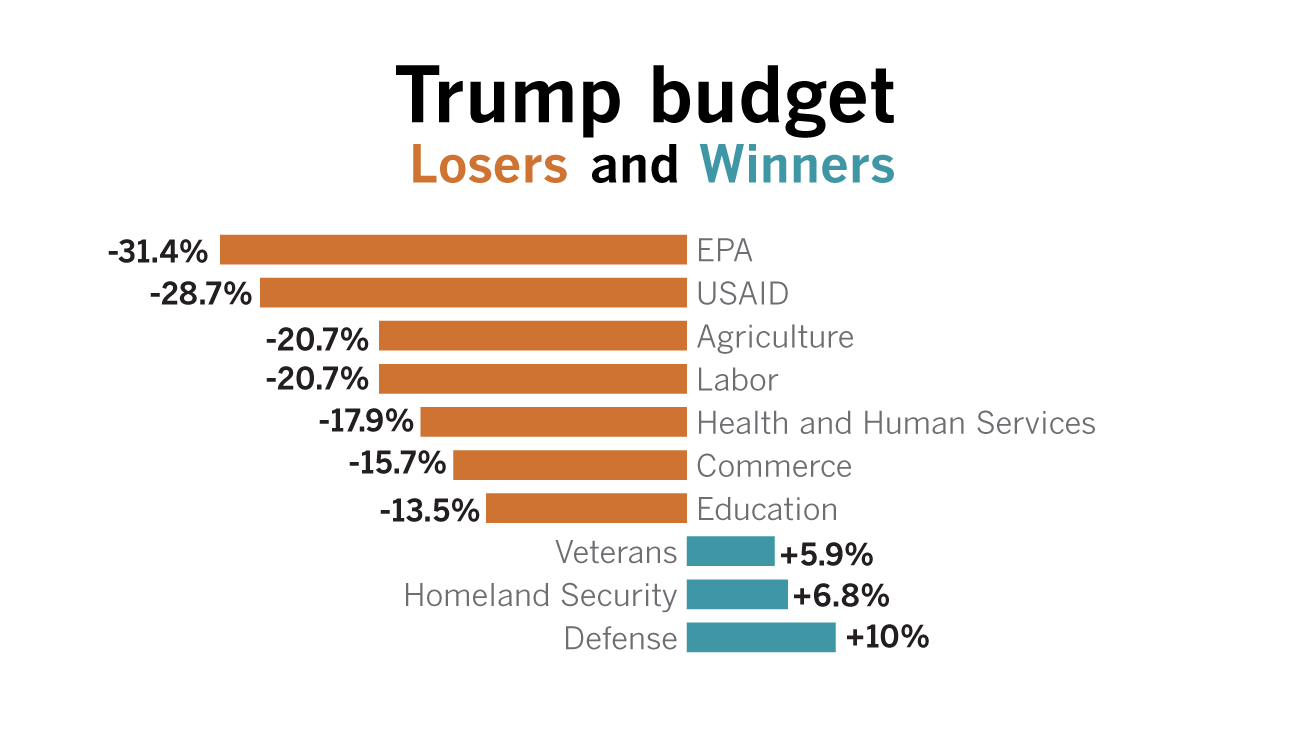
Nurses, docs and medical research groups said the budget cuts proposed by President Donald Trump threaten the future of healthcare.
Among the cuts: Nearly 18% of HHS’ budget, with the largest cuts coming to National Institutes of Health. The agency would see a $5.9 million decrease in its budget and a significant reorganization effort that would fold the Agency for Healthcare Quality and Research into its ranks and close the Fogarty International Center
Nurses came out in force against the budget cuts. The American Nurses Association urged Congress to reject Trump’s proposal, which they said in a statement will “weaken the nation’s healthcare system and jeopardize the scientific research needed to keep America healthy.”
The ANA is especially upset about plans to reduce funding for health professions and nursing workforce programs by $403 million. The proposal “drastically hampers efforts to address critical faculty shortages and recruit new nurses into the profession,” the association said.
Furthermore, the National Nurses United called the cuts a “broad attack on public protections that also targets some of the nation’s most vulnerable people while shifting resources to the least needed areas.”
The American Public Health Association agreed, stating that the proposal undermines the health and well-being of Americans.
“Cuts to these agencies would threaten programs that protect the public from the next infectious disease outbreak, polluted air and water, health threats due to climate change and our growing chronic disease epidemic,” APHA Executive Director Georges C. Benjamin, M.D., said in the statement.
And Andrew Gurman, M.D., president of the American Medical Association, said the cuts cause great concerns about future medical research and public health in general and in the wake of Zika, Ebola.
The Association of American Medical Colleges noted in a statement that medical research can’t be “turned on and off like a faucet.” Indeed, “the proposed cuts would set back progress toward critical advancements that could take decades to regain, prevent new ideas from being explored, and have a chilling effect on those who would potentially enter the biomedical research workforce.”
And the American Cancer Society said the reduction in funding would set cancer research back at least two decades.
“For the last 50 years every major medical breakthrough can be traced back to investments in the NIH,” Chris Hansen, president of the ACS Cancer Action Network, said in the statement. “Because of these investments, there are more than 15.5 million American cancer survivors alive today and researchers stand on the cusp of numerous innovative new diagnostic tools and treatments.”



 HENRY KOTULA