


Cartoon – Health Insurance Coverage Today
http://www.rwjf.org/content/dam/farm/reports/issue_briefs/2017/rwjf434339
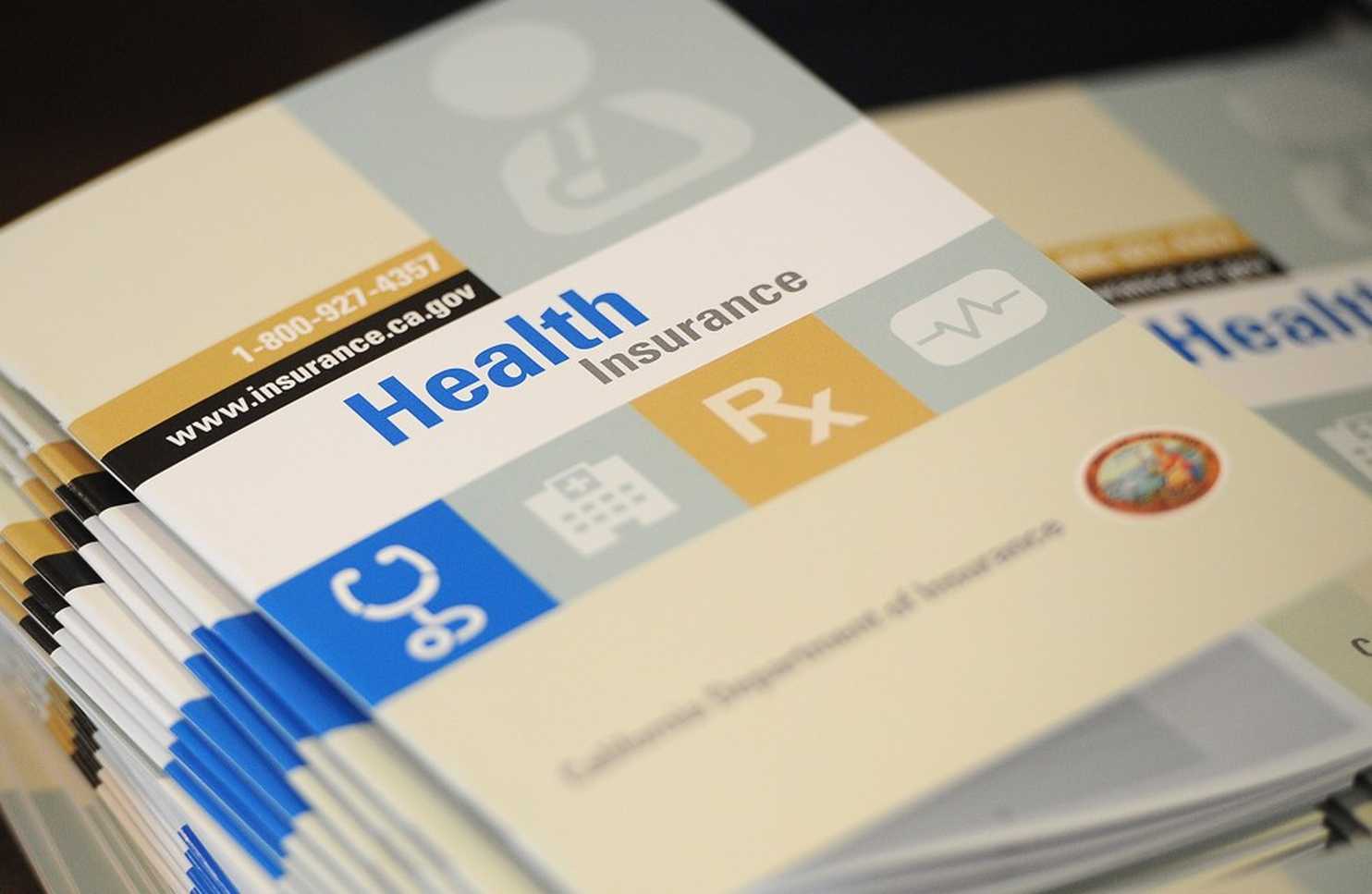
Before the Affordable Care Act (ACA), the landscape of the individual market looked much different than it does today, particularly for those in less than perfect health. For the most part, what state you lived in determined how easily you could purchase a health plan, the price you would pay, and what the plan would cover. Rules for insurers in the individual market varied from state to state, but in most states, if you had a pre-existing condition, you could be denied coverage, pay more, or have coverage for your pre-existing condition excluded from your health plan. As Congress debates repeal of the ACA and its protections for people with pre-existing conditions, many policymakers have called for greater state flexibility in insurance regulation than currently exists under the ACA. It therefore is helpful to understand the range of consumer protections in the states before the ACA, and why the ACA included the insurance reforms it did. This issue brief summarizes state rules for the individual market on the eve of the Affordable Care Act.


Imagine receiving medical care at an emergency department (ED) you know is in your insurance network only to find out later, after receiving a large medical bill, that the treating emergency physician was not an in-network provider in your health plan. Or diligently shopping for the best in-network hospital and in-network surgeon to perform an elective surgery, after which you find out that an out-of-network physician assisted in the procedure and expects payment for the portion of her bill not covered by your insurance. Imagine needing an ambulance, only to find out there are no ambulances available in your area that are covered by your insurance.

The Kaiser Family Foundation is one of the best sources of information on health care, and it recently convened some focus groups in the Midwest and Pennsylvania. These groups included people who received health insurance through an Obamacare exchange and who also voted for Donald Trump.
You can read about the results in an Op-Ed today by Drew Altman, Kaiser’s chief executive. It underscores how messy and uncertain the coming debate over Obamacare’s future will likely be.
I want to point out one theme that keeps popping up in Altman’s piece — and existed long before Obamcare: A lot of Americans are deeply frustrated by the logistical headaches built into our health care system.
As Altman writes: “They were especially upset by surprise bills for services they believed were covered. They said their coverage was hopelessly complex.” If they had their way, Altman says, their insurance would become “much more understandable.”
I share their frustration, and I imagine most of you do, too. Just this week, a member of my family endured the Kafkaesque experience of being told that she needed to show up for an appointment even if she were no longer sick or face a penalty, thanks to insurance rules.


 HENRY KOTULA