

|
|
 |
|
As the coronavirus outbreak continues to spread, Brookings experts are working to keep the public and policymakers informed with nonpartisan, fact-based research and policy recommendations to address the crisis. Below, read a selection of their recent work, including proposals to offset an economic downturn and analyses on the impact on schools, industries, and key countries. Brookings has also taken new measures to protect our staff, visitors, and the greater community. As we continue to analyze the impact of this global pandemic, you can find the latest work on our coronavirus topic page and stay connected with us via Twitter, Facebook, and newsletters. |
|
|
|
The economics of the crisis |
.jpg?upscale=true&width=1120&upscale=true&name=Hand%20sanitizer%20as%20is%20seen%20on%20the%20floor%20of%20the%20New%20York%20Stock%20Exchange%20(NYSE).jpg) |
|
A U.S. fiscal response. While we still don’t know exactly how the coronavirus outbreak will impact the economy, Jay Shambaugh explains how Congress can help reassure people that there will be support in the event of a downturn. In addition, Shambaugh joined Alan Blinder and David Wessel for a conversation on ways to limit economic harm. Possible effects on the world economy. New research from Warwick McKibbin outlines seven scenarios for how COVID-19 could impact the global economy. McKibbin also joined the Dollar & Sense podcast to discuss how the epidemic compares to SARS and why it will cause complications for the recent U.S.-China trade deal. Food security is economic security. To alleviate economic hardship and stimulate the U.S. economy during this time of uncertainty, Lauren Bauer and Diane Whitmore Schanzenbach call on Congress to provide additional resources for improving food security. How the pandemic compares to the 2008 financial crisis. While there are significant differences between the crises, the Great Recession offers some important lessons for policymakers as they prepare an economic response to the coronavirus, Louise Sheiner discusses. The oil price collapse. With oil prices plummeting in the wake of the pandemic, Morgan Bazilian and Samantha Gross assess the impacts on the U.S. economy and global energy markets. |
|
|
The impact on education |
 |
|
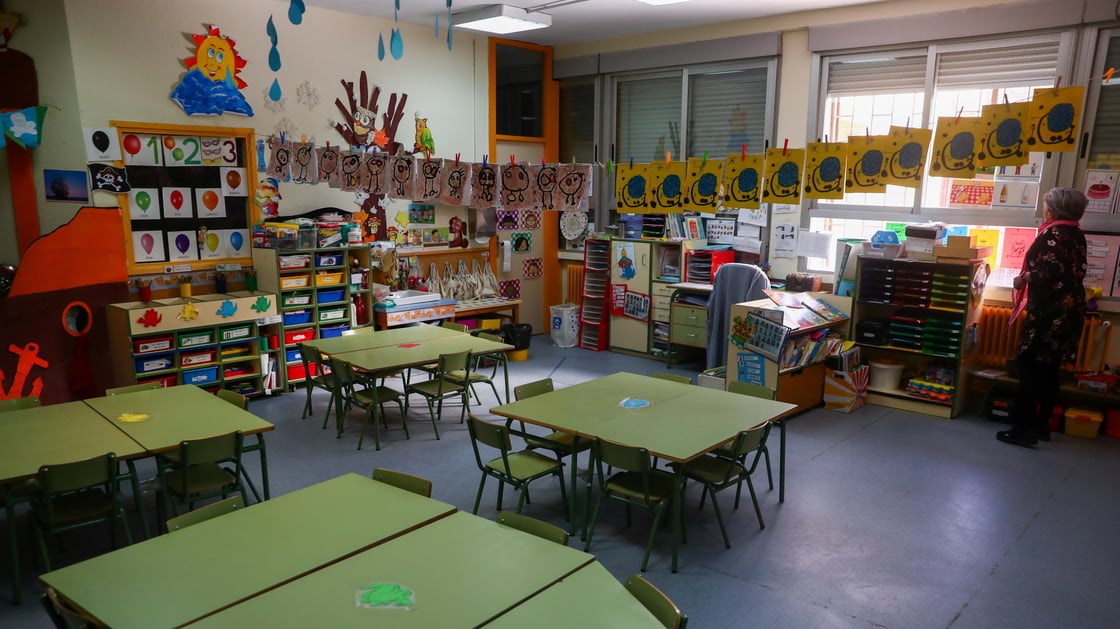
How should schools prepare? This week, the Brown Center on Education Policy at Brookings hosted a discussion with health and education leaders on the many issues that may arise as schools decide to close. Watch the video here. The critical gaps in school emergency preparedness. Many schools have some sort of plan to deal with natural disasters, armed violence, the flu, and other emergencies, but the vast majority have not planned for long school closures. Allison Anderson discusses how to protect students and teachers, while also continuing quality education. The case for summer school and summer teacher pay. Studies of online learning suggest that students learn less in online environments than in the classroom. Douglas Harris highlights how summer school can prevent students from falling further behind. The impact on China’s classrooms. Last month, Rebecca Winthrop spoke with Jin Chi, a former Brookings Echidna Global Scholar and professor at Beijing Normal University about the situation for China’s education community. |
|
|
The international response |
 |
|
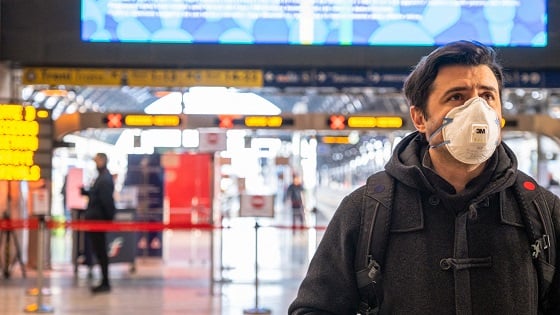
Italy’s coronavirus outbreak. Italy is the European country hardest hit by COVID-19. Giovanna De Maio explains why the situation will be a major stress test for Europe and Federica Saini Fasanotti outlines several lessons learned so far. The effect on China-Japan relations. “The coronavirus has done what few observers thought possible: quell generations of China-Japan antagonism. And for the immediate future, both countries are now bound together in the same public health crisis,” write Cheng Li and Ryan McElveen. COVID-19 may rewrite the Shinzo Abe era in Japan. The coronavirus crisis stands to deal a severe blow to the Japanese economy and has raised significant questions about the government’s ability to deal with a pandemic, Mireya Solís argues. The virus is exposing populism’s limits. “Over the past decade, the world has grown more authoritarian, nationalistic, xenophobic, unilateralist, anti-establishment, and anti-expertise. The current state of politics and geopolitics has exacerbated, not stabilized, the crisis,” Thomas Wright and Kurt Campbell write. What the crisis means for international relations. While the pandemic could strengthen nationalism and isolationism, it also has the potential to spur a new wave of international cooperation, Kemal Derviş and Sebastian Strauss contend. To learn more about what the coronavirus crisis means for key countries and sectors, see this roundup of commentary from Brookings Foreign Policy experts. |
 HENRY KOTULA