


As the professional association for health foundations and corporate-giving programs, Grantmakers In Health (GIH) connects the hundreds of health funders who are spread across the American landscape, keeping them up-to-date on rapidly changing developments and providing opportunities for them to share what they’re learning and doing in their respective communities.
Times like now—when dramatic changes to the health care landscape are anticipated—accentuate the importance of this role. In 2017 it will be especially important that we help funders understand, and respond to, significant expected changes in public policies and programs that affect the communities they serve.
We will not simply be in crisis mode, however. Our concern for both informing and shaping the bigger picture of philanthropy’s health and health care priorities is ongoing.
As the year begins, the future of the Affordable Care Act (ACA) is naturally a high priority for us. Health funders are rightly anxious to understand the changes that are likely with a new Congress and presidential administration. Many grantmakers have invested for years at a national or state level to support the implementation of the ACA. They are keenly aware that rolling back the law will have consequences not only for people’s access to health care services, but also, more broadly, for jobs and state economies.
In an immediate response to these concerns, GIH has organized a series of webinars for its membership that offers the perspectives of a range of policy experts. Immediately post-election, these topics included strategies for adapting health reform–related grant making, the future of Medicaid, and the election’s implications for the State Children’s Health Insurance Program (CHIP) and other children’s coverage. Upcoming webinars will include bipartisan views of the new Trump administration’s health priorities and plans, the implications of a possible repeal of the ACA without implementing an immediate “replace” strategy, and the 2016 election’s possible effects on the health of immigrant communities.
Other ACA-related programming will include activities taking place at our annual conference in June, as well as meetings, calls with funders, and publications, including in-depth interviews about foundation strategies. Because changes to the ACA, Medicaid, and other programs will heighten the importance of state-level actions, our 2017 programming will pay special attention to elevating what funders are doing in states and sharing this information nationally.
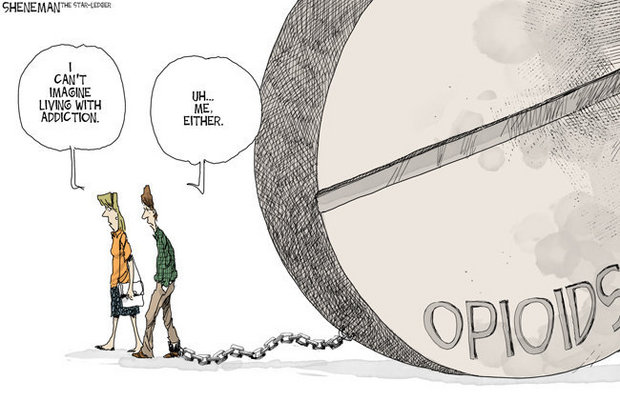
In addition to this focus on policy changes that will affect access and coverage, we also want to identify health investment areas in which the new administration seems to be interested. We anticipate that addiction, delivery system reform, veterans’ health, and rural health will be on that list.
 HENRY KOTULA