Why Your Doctor’s White Coat Can Be a Threat to Your Health

A defining symbol of a profession may also be teeming with harmful bacteria and not washed as often as patients might hope.

A recent study of patients at 10 academic hospitals in the United States found that just over half care about what their doctors wear, most of them preferring the traditional white coat.

Some doctors prefer the white coat, too, viewing it as a defining symbol of the profession.

What many might not realize, though, is that health care workers’ attire — including that seemingly “clean” white coat that many prefer — can harbor dangerous bacteria and pathogens.

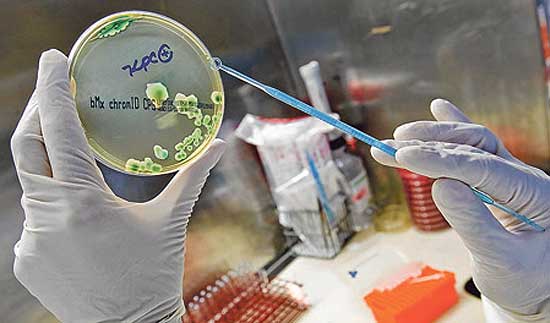
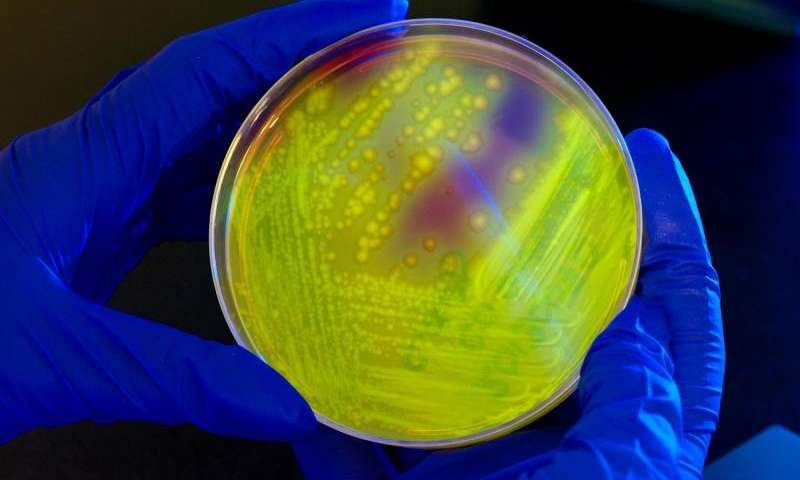
A systematic review of studies found that white coats are frequently contaminated with strains of harmful and sometimes drug-resistant bacteria associated with hospital-acquired infections. As many as 16 percent of white coats tested positive for MRSA, and up to 42 percent for the bacterial class Gram-negative rods.

Both types of bacteria can cause serious problems, including skin and bloodstream infections, sepsis and pneumonia.

It isn’t just white coats that can be problematic. The review also found that stethoscopes, phones and tablets can be contaminated with harmful bacteria. One study of orthopedic surgeons showed a 45 percent match between the species of bacteria found on their ties and in the wounds of patients they had treated. Nurses’ uniforms have also been found to be contaminated.

Among possible remedies, antimicrobial textiles can help reduce the presence of certain kinds of bacteria, according to a randomized study. Daily laundering of health care workers’ attire can help somewhat, though studies show that bacteria can contaminate them within hours.

Several studies of American physicians found that a majority go more than a week before washing white coats. Seventeen percent go more than a month. Several London-focused studies had similar findings pertaining both to coats and ties.

A randomized trial published last year tested whether wearing short- or- long-sleeved white coats made a difference in the transmission of pathogens. Consistent with previous work, the study found short sleeves led to lower rates of transmission of viral D.N.A. It may be easier to keep hands and wrists clean when they’re not in contact with sleeves, which themselves can easily brush against other contaminated objects. For this reason, the Society for Healthcare Epidemiology of America suggests clinicians consider an approach of “bare below the elbows.”

With the use of alcohol-based hand sanitizer — often more effective and convenient than soap and water — it’s far easier to keep hands clean than clothing.

But the placement of alcohol-based hand sanitizer for health workers isn’t as convenient as it could be, reducing its use. The reason? In the early 2000s, fire marshals began requiring hospitals to remove or relocate dispensers because hand sanitizers contain at least 60 percent alcohol, making them flammable.

Fire codes now limit where they can be placed — a minimum distance from electrical outlets, for example — or how much can be kept on site.

Hand sanitizers are most often used in hallways, though greater use closer to patients (like immediately before or after touching a patient) could be more effective.

One creative team of researchers studied what would happen if dispensers were hung over patients’ beds on a trapeze-bar apparatus. This put the sanitizer in obvious, plain view as clinicians tended to patients. The result? Over 50 percent more hand sanitizer was used.

Although there have been fires in hospitals traced to alcohol-based hand sanitizer, they are rare. Across nearly 800 American health care facilities that used alcohol-based hand sanitizer, one study found, no fires had occurred. The World Health Organization puts the fire risk of hand sanitizers as “very low.”

An article in The New York Times 10 years ago said the American Medical Association, concerned about bacteria transmission, was studying a proposal “that doctors hang up their lab coats — for good.” Maybe one reason the idea hasn’t taken hold in the past decade is reflected in a doctor’s comment in the article that “the coat is part of what defines me, and I couldn’t function without it.”

It’s a powerful symbol. But maybe tradition doesn’t have to be abandoned, just modified. Combining bare-below-the-elbows white attire, more frequently washed, and with more conveniently placed hand sanitizers — including wearable sanitizer dispensers — could help reduce the spread of harmful bacteria.

Until these ideas or others are fully rolled out, one thing we can all do right now is ask our doctors about hand sanitizing before they make physical contact with us (including handshakes). A little reminder could go a long way.


Sepsis: the Achilles’ heel of health care

Sepsis: the Achilles’ heel of health care

As health care systems look to lower costs and improve patient outcomes, controlling sepsis is a great place to start. Ignoring that opportunity is a huge mistake.

Sepsis is caused by the body’s exuberant response to an infection. It is the No. 1 inpatient hospital expense in the United States, with costs tripling over the last decade to $27 billion. Nearly half of all hospital deaths are caused by sepsis. And the problem is growing — it’s now one of the top five causes of hospitalization in age groups over 18. This is why a comprehensive plan to detect, treat, and prevent sepsis must be an essential pillar of any serious effort to improve care and drive down costs.

When a patient spikes a fever for an unknown reason, doctors usually send blood samples to be cultured. But it can take an enormously long time — up to six days — to get the results. In addition, these cultures miss 35 percent to 50 percent of infections.

Given the possible delay and uncertainty of blood cultures, if a patient is at high risk for sepsis, his or her clinician will immediately prescribe antibiotics. Doctors know that this represents overtreatment, since sepsis can be indistinguishable from other less-serious health concerns. But you can’t guess wrong if you suspect sepsis, because a patient’s risk of dying rises as much as 8 percent per hour if the infection is improperly treated.

If the patient does not respond to the antibiotic and the fever does not break after 12 to 24 hours, clinicians usually switch to a different antibiotic, and then maybe another, and then possibly to an antifungal drug.

Hospitals are getting better at combating sepsis. Doctors and nurses across the country have done incredible work to improve sepsis awareness. They are preventing more sepsis-causing infections before they ever occur, and they are reaching for antibiotics quicker when sepsis is suspected.

Yet advances in sepsis treatment protocols are fueling another massive health care issue: the rise of drug resistance and superbugs. On the individual level, even one exposure to an antimicrobial drug can reduce the therapy’s effectiveness for that same patient later on. The overuse of antibiotics and other antimicrobial drugs also kills beneficial bacteria and microbes, which can weaken the immune system and lead to hospital readmission. On the global level, drug-resistant infections are predicted to kill more than 10 million people per year by 2050.

To solve the sepsis problem, we need a three-pronged solution: continued improvements in hospital processes to prevent sepsis; improved diagnostics to get patients on targeted treatment faster; and development of new antibiotics.

Hospitals need to aggressively pursue sepsis initiatives. Huntsville Hospital in Alabama is one of many hospitals on the leading edge of refining their processes around sepsis. Clinicians at Huntsville went on the offense, catching suspected sepsis cases early, improving protocols and education, and creating clinical teams focused on sepsis. The result was a reduction of sepsis mortality by more than 50 percent and a significant decrease in hospital readmissions.

Improving the detection of sepsis is bounded by the limitations of current diagnostic tools. The current standard of care for diagnosing sepsis has remained the same since the 1930s — the lengthy process of culturing blood to detect infection-causing organisms. Diagnostic companies must provide new breakthrough technologies to minimize the one- to six-day dark period in which clinicians work without strong diagnostic information. Without better diagnostic tools, solutions to improve sepsis care and fight drug resistance will remain on a collision course.

Our team at T2 Biosystems is one of many trying to support hospitals in this effort by developing blood tests that can detect the microbes that cause sepsis within hours, not days, and with more than 90 percent sensitivity. Instead of culturing blood, our tests use magnetic resonance technology to identify microbes directly in blood, a much faster approach.

Finally, we need to develop new drugs to combat sepsis. While antimicrobial resistance limits the effectiveness of many existing drugs, the number of new ones to address this problem have dwindled in recent years. We must accelerate clinical trials to develop and release antimicrobial drugs faster and help clinicians apply the best one to the right patient at the right time.

For too long, combating sepsis has been an unspoken problem in health care, taking lives and driving up costs. With thousands of lives and billions of dollars at stake, it is time to place a greater emphasis on new models for sepsis prevention, detection, and treatment.


‘Superbug’ scourge spreads as U.S. fails to track rising human toll

http://www.reuters.com/investigates/special-report/usa-uncounted-surveillance/

Fifteen years after the U.S. declared drug-resistant infections to be a grave threat, the crisis is only worsening, a Reuters investigation finds, as government agencies remain unwilling or unable to impose reporting requirements on a healthcare industry that often hides the problem.

http://www.healthleadersmedia.com/quality/hidden-toll-drug-resistant-superbugs-0?spMailingID=9540993&spUserID=MTMyMzQyMDQxMTkyS0&spJobID=1001565259&spReportId=MTAwMTU2NTI1OQS2#


Superbug threat grows in DC hospitals

http://www.fiercehealthcare.com/story/superbug-threat-grows-dc-hospitals/2016-05-04?utm_medium=nl&utm_source=internal&mrkid=959610&mkt_tok=eyJpIjoiTWpVd1lqSTNZalZsWWpReCIsInQiOiJINE9BNitVSm1VYUR3NFVOZG1YMFFiVFQ2d2lmRGtEZ01NdjVpY0x2bmZUSmxTVFFcL2NcL3FMTmlGaXJqRFhSUHI2Tm1yK0Q1MHU1R3U2OWlGQ3NVYU9uTll2VXMxcEJSdUxlcGlYSjJEV1ZBPSJ9

New report finds prevalence of 5% drug-resistant bacteria in District.

http://www.bizjournals.com/washington/news/2016/05/03/exclusive-first-ever-study-of-superbugs-in-d-c.html


NDM-1 (New Delhi metallo-beta-lactamase)

http://www.medicinenet.com/ndm-1/article.htm

ndm1-superbug

NDM-1 stands for New Delhi metallo-beta-lactamase, which is an enzyme produced by certain strains of bacteria that have recently acquired the genetic ability to make this compound. The enzyme is active against other compounds that contain a chemical structure known as a beta-lactam ring. Unfortunately, many antibiotics contain this ring, including the penicillins, cephalosporins, and the carbapenems.

Emergence of Klebsiella pneumoniae Carbapenemase (KPC)-Producing Bacteria

http://www.ncbi.nlm.nih.gov/pmc/articles/PMC3075864/

KPC Bacteria

Klebsiella pneumoniae carbapenemase (KPC)-producing bacteria are a group of emerging highly drug-resistant Gram-negative bacilli causing infections associated with significant morbidity and mortality. Once confined to outbreaks in the northeastern United States (US), they have spread throughout the US and most of the world. KPCs are an important mechanism of resistance for an increasingly wide range of Gram-negative bacteria and are no longer limited to K pneumoniae.

Superbugs follow 1 in 4 seniors from the hospital to post-acute care settings, study finds

http://www.fiercehealthcare.com/story/superbugs-follow-1-4-seniors-hospital-post-acute-care-settings-study-finds/2016-03-14?utm_medium=nl&utm_source=internal&mrkid=%257B%257Blead.Id%257D%257D&mkt_tok=3RkMMJWWfF9wsRons6%252FOde%252FhmjTEU5z14ukkX6a2lMI%252F0ER3fOvrPUfGjI4DSsdiNK%252BTFAwTG5toziV8R7LMKM1ty9MQWxTk

C Difficile Bacteria

By the time they leave PAC, 1 in 3 test positive for drug-resistant organisms

Drug-resistant superbugs: CDC urges three-pronged attack to fight HAIs

http://www.fiercehealthcare.com/story/drug-resistant-superbugs-cdc-urges-three-pronged-attack-fight-hais/2016-03-04?utm_medium=nl&utm_source=internal&mkt_tok=3RkMMJWWfF9wsRons6%2FOde%2FhmjTEU5z14ukkX6a2lMI%2F0ER3fOvrPUfGjI4DSsdiNK%2BTFAwTG5toziV8R7LMKM1ty9MQWxTk

Reports 1 in 7 catheter and surgery-related infections are caused by 1 of 6 bacteria resistant to antibiotics

Endoscope bugs displace alarm fatigue as top ECRI safety hazard

Endoscope bugs displace alarm fatigue as top ECRI safety hazard

ECRI 2016_Top_10_Hazards_Splash_Words


Superbug threat prompts West to revisit Soviet-era virus therapy

http://www.reuters.com/article/2015/07/02/us-health-bacteriophages-insight-idUSKCN0PC1FO20150702

Two plates coated with drug-resistant bacteria with a mutation called NDM 1 and then exposed to various antibiotics are seen at the Health Protection Agency in north London, Britain in this March 9, 2011 file photo. REUTERS/Suzanne Plunkett/Files

Two plates coated with drug-resistant bacteria with a mutation called NDM 1 and then exposed to various antibiotics are seen at the Health Protection Agency in north London, Britain in this March 9, 2011 file photo.