Sean Parker: Health care’s big breakthroughs aren’t going to come out of Google or Amazon

Sean Parker: Health care’s big breakthroughs aren’t going to come out of Google or Amazon

Sean Parker, the tech billionaire and cancer research philanthropist, may be a product of a Silicon Valley tech giant — but he’s skeptical about the impact those companies will have as they increasingly make a play in medicine.

“I just don’t think the innovations that are going to drive this revolution in health care and discovery are going to come out of Amazon or Google,” Parker said Tuesday at an event put on by the Washington Post. “Google has a big group that’s focused on this — they’re really smart, they’re not unsophisticated, they’re not naive — but I don’t think that’s where you’re going to see the big breakthroughs happening.”

Silicon Valley’s tech giants have invested significant resources in health care and science in recent years — and attracted big-name talent.

Amazon, along with JPMorgan and Berkshire Hathaway, has launched a new health care company aimed at developing solutions that could be implemented elsewhere in the U.S. health care system.

Alphabet, Google’s parent company, has been scooping up some of the biggest names in health care. Google just hired David Feinberg, the forward-thinking CEO of the Geisinger health system, the Pennsylvania health plan and hospital system confirmed last week. Dr. Toby Cosgrove, the longtime president and CEO of Cleveland Clinic, joined Google earlier this year. And Dr. Robert Califf, the former commissioner of the Food and Drug Administration, last year joined Verily, Alphabet’s unit working on solutions to disease.

While coders face their own formidable challenges, Parker said, “tech people coming from tech to biology so dramatically underestimate the complexity of the human body. It’s not designed by us. It doesn’t work in ways that make sense.”

Parker, the former president of Facebook, has since become a major funder of research into therapies that seek to fight cancer by harnessing the patient’s own immune system through his foundation Parker Institute for Cancer Immunotherapy, which he founded in 2016. It has funded prominent research scientists across the country, most notably James Allison, one of the recipients of this year’s Nobel Prize in medicine.


AT&T, Time Warner, and the Future of Health Care

https://www.commonwealthfund.org/blog/2018/att-time-warner-and-future-health-care?omnicid=EALERT%25%25jobid%25%25&mid=%25%25emailaddr%25%25

AT&T Time Warner Merger

Policymakers and private actors should not interpret a federal court’s AT&T and Time Warner ruling as an unconditional green light for vertical integration in health care.

The need for change in the U.S. health care system is obvious, but whether vertical integration is the change we need remains to be determined.

The recent federal district court ruling allowing the merger of AT&T and Time Warner — a case of so-called vertical integration — will likely encourage similar unions throughout the U.S. economy, including in health care. Nevertheless, a close look at the court’s decision, and at the wide variety of vertical health care mergers under way, suggests that policymakers and private actors should not interpret the court’s ruling as an unconditional green light for vertical integration in health care, or any other sector.

Vertical integration typically involves the combination of entities operating on different parts of a supply chain in the production of a particular product. Manufacturers of tires, for example, are part of the supply chain that results in a finished automobile. Similarly, ambulatory physician services are sometimes seen as an input on the supply chain of more advanced hospital services. The acquisition of physician practices by hospitals is often characterized as vertical integration.

Some antitrust experts question whether the analogy between manufactured products and health care delivery is accurate. Independent physicians, for example, often work within hospitals and help to produce their “products.” Nevertheless, there are clear differences between mergers across the same types of health care organizations, like hospitals, and those between different types of providers, like physicians and hospitals.

The AT&T/Time Warner case was the first time in 40 years that the government has taken a proposed vertical integration to court, and many commentators have noted that antitrust theory with respect to vertical integration could use some updating. In the meantime, however, Judge Richard Leon’s 172-page opinion seems to have relied on traditional antitrust considerations: would the merger increase or decrease competition, and thereby increase or decrease consumer welfare? His ruling rested heavily on what he viewed as the government’s failure to supply evidence that the merger would have adverse effects. In other words, if the government had produced more convincing data, the ruling could have gone the other way.

Judge Leon’s ruling may be appealed and, if so, may not stand. But if it does, what are its implications for vertical integration in health care? Simply put, the facts matter. And unfortunately, the facts about vertical integration in health care are obscure, and likely to vary enormously according to the details of the merger and from market to market.

Evidence on the effects of horizontal health care mergers has grown considerably in recent years, and generally shows that they increase prices. But studies of vertical health care mergers are much less common. Perhaps the most relevant experience concerns long-standing integrated health systems, such as Kaiser Permanente, Intermountain, Geisinger, and a handful of similar organizations.

Widely regarded as industry leaders in quality and efficiency, these systems seem to demonstrate the benefits of vertical integration: they are able to coordinate services across different types of providers, and, when incentives encourage it, they can easily substitute less expensive services (e.g., ambulatory care) for more expensive ones (e.g., hospital care). However, whether the experiences of these integrated systems are generalizable to the current flock of mergers is unclear. Each of these venerable organizations has a unique history and culture that have shaped its performance over decades.

Studies of vertical integration will have to take into account the type of merger under consideration. The most common type of vertical integration seems to be the acquisition of physician groups — both primary care and specialty — by hospitals. Between 2012 and 2016, the number of hospital-employed U.S. physicians increased from 95,000 to 155,000.

But health care is witnessing a variety of other types of vertical integration. Insurers are buying physician groups, as in the case of UnitedHealth Group’s acquisition of parts of DaVita’s physician network. Drug store chains are buying insurers, as in the case of CVS’s purchase of Aetna. And integrated health systems like Partners HealthCare are proposing to buy insurers like Harvard Pilgrim Health Care.

The effects of these varied mergers will depend on the types of services being combined and the markets affected. From both a societal and legal standpoint, the facts matter.

For example, it turns out that the CVS-Aetna merger includes an important horizontal union between Part D health plans owned independently by CVS and Aetna. Part D health plans provide drug coverage to Medicare beneficiaries. In recent testimony before the California Department of Insurance, economist Richard Scheffler showed that in a number of markets, the merger of these Part D plans would significantly reduce competition, and thereby, could potentially increase the prices of drug coverage for Medicare patients. Fear of consolidation among Part D plans has caused the American Medical Association to oppose CVS’s acquisition of Aetna.

Adding to the uncertainty surrounding these questions is the unique nature of the health market, in which governments are the largest purchasers and consumers often don’t know the prices or value of the products they buy. Traditional competition in local markets sometimes results in radically increasing prices and costs, as providers pile on new technologies and facilities and compete for star physicians in an effort to attract customers. And many parts of health care already have a high degree of consolidation that limits price competition.  The result is a level of dysfunction that has created an almost universal cry for radical disruption of the status quo.

Health care is a conundrum on many levels, and how and whether to regulate vertical integration among its varied components may turn out to be another one. The need for change is obvious. Whether vertical integration is the change we need, and how the courts will treat it, remain to be determined.


Geisinger CEO forgoes chief exec role at Amazon, Berkshire, JPMorgan health company

https://www.beckershospitalreview.com/hospital-management-administration/geisinger-ceo-forgoes-chief-exec-role-at-amazon-berkshire-jpmorgan-health-company.html

Image result for geisinger

Geisinger President and CEO David T. Feinberg, MD, who was reportedly one of the top contenders for the chief executive role at the Amazon, Berkshire Hathaway and JPMorgan Chase healthcare venture, said he will remain at the Danville, Pa.-based health system, CNBC reports.

People close to the hiring process told CNBC Dr. Feinberg was at one time highly considered for the position. However, Dr. Feinberg confirmed to the publication through a spokesperson he would not be leaving the health system.

“I appreciate being part of the conversation, which I believe reflects the accomplishments of the entire Geisinger team. I personally remain 100 percent committed to Geisinger and remain excited about the work we are doing and the opportunities ahead as we continue to deliver exceptional care to our patients, our members and our communities,” he said.

Berkshire Hathaway Chairman and CEO Warren Buffett told CNBC June 7 the companies have selected a CEO for the venture and will publicly name the individual within two weeks. Sources familiar with the matter told CNBC the organizations did not announced the appointment June 7 because Dr. Feinberg declined the job.

Sources said the top 10 candidates for the position were asked to write a white paper detailing how they would fix the healthcare system, according to the report. From there, the companies narrowed down the candidate pool to three individuals. All three reportedly spoke with Jamie Dimon, chairman and CEO of JPMorgan, who referred his top two choices to Mr. Buffett, who passed along his top choice to Amazon Chairman, Founder and CEO Jeff Bezos.

One of the three finalists was Owen Tripp, co-founder and CEO of healthcare company Grand Rounds.

Sources told CNBC Dr. Feinberg had been advising the group since the companies announced the venture in January, and emerged as a top contender for the role. He has led the 13-hospital Geisinger Health System since 2015.

Berkshire Hathaway Investment Manager Todd Combs has been the lead recruiter on the venture, CNBCpreviously reported. Other candidates who have been approached for the role include former CMS Acting Administrator Andy Slavitt, former U.S. Chief Technology Officer Todd Park, and Gary Loveman, former senior vice president of Aetna.

To access the CNBC report, click here.

Are You And Your Primary Care Doc Ready To Talk About Your DNA?

https://khn.org/news/are-you-and-your-primary-care-doc-ready-to-talk-about-your-dna/

If you have a genetic mutation that increases your risk for a treatable medical condition, would you want to know? For many people the answer is yes. But such information is not commonly part of routine primary care.

For patients at Geisinger Health System, that could soon change. Starting in the next month or so, the Pennsylvania-based system will offer DNA sequencing to 1,000 patients, with the goal to eventually extend the offer to all 3 million Geisinger patients.

The test will look for mutations in at least 77 genes that are associated with dozens of medical conditions ranging from heart disease to cancer, as well as variability in how people respond to pharmaceuticals based on heredity.

“We’re giving more precision to the very important decisions that people need to make,” said Dr. David Feinberg, Geisinger’s president and CEO. In the same way that primary care providers currently suggest checking someone’s cholesterol, “we would have that discussion with patients,” he said. “‘It looks like we haven’t done your genome. Why don’t we do that?’”

Some physicians and health policy analysts question whether such genetic information is necessary to provide good primary care — or feasible for many primary care physicians.

The new clinical program builds on a research biobank and genome-sequencing initiative called MyCode that Geisinger started in 2007 to collect and analyze its patients’ DNA. That effort has enrolled more than 200,000 people.

Like MyCode, the new clinical program is based on whole “exome” sequencing,analyzing the roughly 1 percent of the genome that provides instructions for making proteins, where most known disease-causing mutations occur.

Using this analysis, clinicians might be able to tell Geisinger patients that they have a genetic variant associated with Lynch syndrome, for example, which leads to increased risk of colon and other cancers, or familial hypercholesterolemia, which can result in high cholesterol levels and heart disease at a young age. Some people might learn they have increased susceptibility to  malignant hyperthermia, a hereditary mutation that can be fatal since it causes a severe reaction to certain medications used during anesthesia.

Samples of a patient’s blood or spit are used to provide a DNA sample. After analysis, the results are sent to the patient’s primary care doctor.

Before speaking with the patient, the doctor takes a 30-minute online continuing education tutorial to review details about genetic testing and the disorder. Then the patient is informed and invited to meet with the primary care provider, along with a genetic counselor if desired. At that point, doctor and patient can discuss treatment and prevention options, including lifestyle changes like diet and exercise that can reduce the risk of disease.

About 3.5 percent of the people who’ve been tested through Geisinger’s research program had a genetic variant that could result in a medical problem for which clinicians can recommend steps to influence their health, Feinberg said. Only actionable mutations are communicated to patients. Geisinger won’t inform them if they have a variant of the APOE gene that increases their risk for Alzheimer’s disease, for example, because there’s no clinical treatment. (Geisinger is working toward developing a policy for how to handle these results if patients ask for them.)

Wendy Wilson, a Geisinger spokeswoman, said that what they’re doing is very different from direct-to-consumer services like 23andMe, which tests customers’ saliva to determine their genetic risk for several diseases and traits and makes the results available in an online report.

“Geisinger is prescribing DNA sequencing to patients and putting DNA results in electronic health records and actually creating an action plan to prevent that predisposition from occurring. We are preventing disease from happening,” she said.

Geisinger will absorb the estimated $300 to $500 cost of the sequencing test. Insurance companies typically don’t cover DNA sequencing and limit coverage for adult genetic tests for specific mutations, such as those related to the breast cancer susceptibility genes BRCA1 or BRCA2, unless the patient has a family history of the condition or other indications they’re at high risk.

“Most of the medical spending in America is done after people have gotten sick,” said Feinberg. “We think this will decrease spending on a lot of care.”

Some clinicians aren’t so sure. Dr. H. Gilbert Welch is a professor at the Dartmouth Institute for Health Policy and Clinical Practice who has authored books about overdiagnosis and overscreening, including “Less Medicine, More Health.”

He credited Geisinger with carefully targeting the genes in which it looks for actionable mutations instead of taking an all-encompassing approach. He acknowledged that for some conditions, like Lynch syndrome, people with genetic mutations would benefit from being followed closely. But he questioned the value of DNA sequencing to identify other conditions, such as some related to heart disease.

“What are we really going to do differently for those patients?” he asked. “We should all be concerned about heart disease. We should all exercise, we should eat real food.”

Welch said he was also concerned about the cascading effect of expensive and potentially harmful medical treatment when a genetic risk is identified.

“Doctors will feel the pressure to do something: start a medication, order a test, make a referral. You have to be careful. Bad things happen,” he said.

Other clinicians question primary care physicians’ comfort with and time for incorporating DNA sequencing into their practices.

A survey of nearly 500 primary care providers in the New York City area published in Health Affairs this month found that only a third of them had ordered a genetic test, given patients a genetic test result or referred one for genetic counseling in the past year.

Only a quarter of survey respondents said they felt prepared to work with patients who had genetic testing for common diseases or were at high risk for genetic conditions. Just 14 percent reported they were confident they could interpret genetic test results.

“Even though they had training, they felt unprepared to incorporate genomics into their practice,” said Dr. Carol Horowitz, a professor at the Icahn School of Medicine at Mount Sinai in New York, who co-authored the study.

Speaking as a busy primary care practitioner, she questioned the feasibility of adding genomic medicine to regular visits.

“Geisinger is a very well-resourced health system and they’ve made a decision to incorporate that into their practices,” she said. In Harlem, where Horowitz works as an internist, it could be a daunting challenge. “Our plates are already overflowing, and now you’re going to dump a lot more on our plate.”


Geisinger officials explain the business case for making DNA sequencing ‘routine’

https://www.fiercehealthcare.com/hospitals-health-systems/geisinger?mkt_tok=eyJpIjoiWVRjek1HTTFOVEF6TURJMyIsInQiOiJha0JoaUJROUd4XC9pQitHd1plTkw1NHAxNVlNXC9RZ3h3M0lnNFdrczdFbERaaHNKVFpQRkUwVWtmREYwYjVuMEplT0JiT3lMaXpNQWNKTzhlOW5jbmgzSVwvcllTcGw2S0ltK2VNYzgrQTlSVzhSc2dwNFVVS3d0QUtOTmQyK0U1WSJ9&mrkid=959610

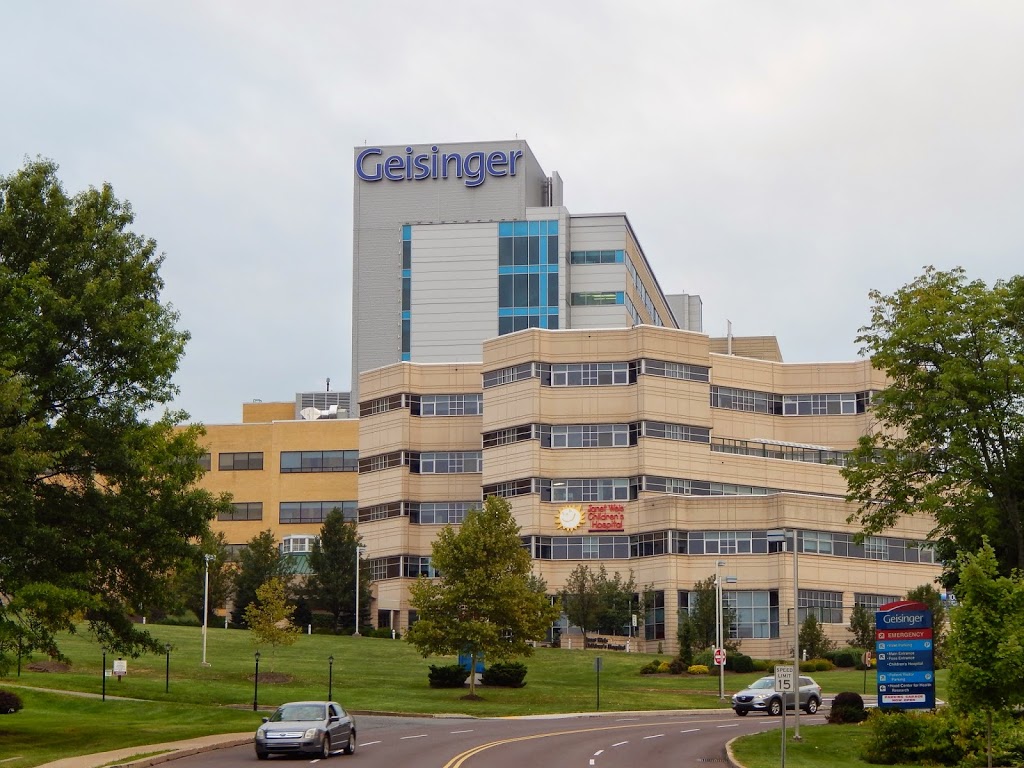
Geisinger Health System faciliity

It wasn’t that long ago that the cost of DNA sequencing was measured in the millions of dollars.

Even a few years ago, when the cost fell closer to a few thousand dollars, it was largely used for research purposes or reactively as a tool for patients who’d already fallen ill.

Now, Geisinger President and CEO David Feinberg, M.D., said the time and cost is finally right to make whole exome sequencing a “routine” part of screening for patient diseases.

“We didn’t want to wait,” Feinberg said, adding the sentiment was shared by doctors.

On Sunday, he announced the company would expand the testing, starting with a pilot of about 1,000 patients within the next six months before scaling the service to all patients in its facilities across Pennsylvania and southern New Jersey. “We just thought there would be too many lives lost if we waited until we really wrapped it all up in a neat bow in a research capacity.”

And, Feinberg said in a call with reporters on Monday, Geisinger will pay for the tests.

“We believe, but we have not yet proven, that this is cost-effective meaning the cost of the test is going to be offset by catching people earlier in their disease course or eliminating a disease,” Feinberg said.

Officials estimate the cost per patient per test are between $300 and $500.

About half of the $7.5 billion health system’s business involves its integrated care model involving its own doctors and insurance, but officials said it will cover the cost of the test no matter who insures the patient.

In all, Geisinger said it has set aside a few million dollars from both donors and its insurance arm to scale the use of the tests.

“Our gut feeling is that we’ll be able to show that it’s sustainable and actually a decrease in costs overall,” Feinberg said.

So far, in a research collaboration with Regeneron Pharmaceuticals that involved amassing data from 200,000 people, Feinberg said the organization found it could identify medically actionable findings in the genome before patients became sick in about 3.5% of patients. Officials said they eventually expect as many as 10% to 15% of patients might benefit from testing.

Just how will it actually work? Currently, when a patient goes into their doctor’s office and their cholesterol is checked, they are asked if they’ve had a colonoscopy or mammogram.

“We just want to add to that list: ‘Well, I think it makes sense to do whole exome sequencing on you so we can understand your genes and prevent something,” Feinberg said.

The cost of the wraparound services to this sequencing such as the cost of all the genetic counseling, the analytics, the return of results to patients is expected to be covered by insurance coverage in the same way as if a patient who has a positive test finding and requires a follow-up visit with a doctor, he said.

“We think we’ve worked out the process so that when those mutations do become discovered when we see them in our patients and population, we have a process of getting that information back to the doctor and back to the patient and really sophisticated ways of doing genetic counseling, so that we can scale it,” Feinberg said.


Adventist Health’s net income nears $230M in FY17

https://www.healthcaredive.com/news/adventist-healths-net-income-nears-230m-in-fy17/522093/

Dive Brief:

  • Adventist Health’s net income grew 366% to $229.8 million in fiscal year 2017, up from $169.1 million in 2016.
  • Operating income was $203.9 million for the year ended Dec. 31, an 11.6% increase from $812.8 million the previous year, according to recent released financial documents.
  • The 90-hospital, Roseville, CA-based nonprofit health system reported $4.1 billion in revenue, a 5.8% gain over 2016’s $3.9 billion.

Dive Insight:

Adventist’s rosy performance gain reflects at least a short-term upward trend in financials as nonprofits show some signs of bouncing back from several years of rough currents fueled by shrinking volumes and reimbursement cuts. Geisinger Health System saw net income jump nearly $200 million to $324.9 million in the first half of fiscal year 2018, compared with the prior year, providing an excess margin of 9%.

Mayo Clinic reported $707 million in operating income and $12 billion in revenue for 2017, an increase of more than $225 million and $1 billion, respectively, from the previous year. Meanwhile, UPMC’s net income rose to $1.3 billion last year, spurred by strong operating and investing results and integration of UPMC Pinnacle into UPMC operations. Operating revenue and operating income also increased.

Adventist is looking to expand its brand footprint. Earlier this month, the system inked a deal to acquire Florida-based 421-bed Munroe Regional Medical Center from Community Health Systems. It has also broadened its reach in northern California through an affiliation agreement with Fremont-Rideout Health Group, which become effective at the first of this month.

Net patient service revenue at Adventist was $3.8 billion, up from $3.6 billion a year earlier. Total expenses rose to $3.9 billion, versus $3.7 billion in 2016. Of that, $1.9 billion was for employee compensation. The system recorded total cash and investments of $1.9 billion for last year.

Occupancy of licensed beds stayed mostly flat at 55.6% across the system. Average length of stay was down slightly and outpatient revenues as a percentage of gross patient revenue was down to 44.7% from 45.1% in 2016.


Geisinger, St. Luke’s University Health partner to construct 80-bed hospital

https://www.beckershospitalreview.com/facilities-management/geisinger-st-luke-s-university-health-partner-to-construct-80-bed-hospital.html

Image result for geisinger st lukes new hospital

Danville, Pa.-based Geisinger and Bethlehem, Pa.-based St. Luke’s University Health Network will build a new 80-bed acute care hospital in Orwigsburg, Pa. — marking the first time in Pennsylvania’s history two healthcare systems agreed to build and co-own a hospital.

The three-story, 120,000-square-foot facility will house an emergency department and offer a wide array of specialties and services. Construction on the facility will begin in spring 2018, wrapping up late next year.

Under the terms of the partnership, the hospital will operate under both parties as a joint venture, with funding and governance shared equally. St. Luke’s will build and manage the hospital, while both parties will contribute physicians, support staff and expertise.

“The new hospital in Orwigsburg will emphasize the strengths of St. Luke’s and Geisinger, extending the best value in healthcare  that is, the highest quality at the lowest cost — to more residents of Schuylkill County and surrounding areas,” St. Luke’s President and CEO Rick Anderson said.


Geisinger reports net income increase despite issues with ACA health plan

https://www.healthcaredive.com/news/geisinger-reports-net-income-increase-despite-issues-with-aca-health-plan/518298/

Image result for geisinger health system

Dive Brief:

  • In a new financial report, Geisinger Health System reported a gain of nearly $200 million in net income to $324.9 million for the first half of fiscal year 2018 compared to the previous year, for an excess margin of 9%.
  • Operating income for the first six months was up from $51.9 million a year ago to $61.2 million in the current fiscal year and net revenue increased 8.1% to $3.3 billion. However, Geisinger’s operating margin dropped from 3% for the first three months of the fiscal year to 1.8% through half the year.
  • One area of concern for the integrated healthcare system was its Affordable Care Act (ACA) health plan. Geisinger Health Plan (GHP) struggled after the company didn’t get $11 million in cost-sharing reduction (CSR) payments following President Donald Trump’s decision to stop payments in October.

Dive Insight:

Geisinger’s net revenue growth is connected to an increase in net patient service revenue after the provision for bad debts of nearly 5% and an increase in premium revenue of 11%.

“Net patient service revenue benefited from the realization of growth plans centered on market share growth and the opportunistic capture of high-acuity, clinical service volumes. Premium revenue benefited primarily from rate increases,” Geisinger said in the report.

ACA marketplace volatility, namely the end of CSR payments, as well as higher utilization affected GHP. The company believes the higher utilization is connected to GHP members concerned they would lose coverage if Congress repealed the ACA. Despite Congress’ and the president’s threats and a few close votes, the repeal didn’t happen. But before that effort stalled, Geisinger said many members got healthcare services just in case.

“Similarly, provider tiering in benefit plan changes for self-insured employees were announced in the fall of 2017. These benefit changes caused certain employees to accelerate medical services through providers that fall under higher out-of-pocket tiers beginning Jan. 1, 2018. These one-time impacts, while negatively affecting second-quarter results, are expected to improve operating profits beginning in the third fiscal quarter,” Geisinger said in the report.

Geisinger expects to resolve the CSR non-payment issue this year after raising the average premium rate by 31% to help offset the loss of payments. GHP also gained more than 20,000 members in its exchange plans, a 39% increase, for 2018, which should help offset losses.

GHP had 559,643 members in its health plans through the first half, which was a 0.4% increase compared to a year ago.

Concerning utilization, Geisinger had an increase of 3.5% in discharges and 2.6% in discharges and observations/23-hour stays compared to a year ago. “This growth was attributable to success in expanding clinical programs. Based solely upon hospitals controlled for two years or more, Geisinger experienced a 2.9% increase in discharges when compared to the year-earlier period,” the report states.

However, percent of occupancy based on physically available beds dipped from 60.2% to 59.9%.

Meanwhile, outpatient visits were on the rise. Outpatient emergency room visits increased from nearly 174,000 the previous year to almost 181,000 in fiscal 2018. Clinic outpatient visits increased from 1.65 million to 1.77 million.

Geisinger is the latest nonprofit to offer updates about finances. Over the past week, other major nonprofits have released financial information, including:

All had positive notes in their reports. Cleveland Clinic and Mayo Clinic said operating income and revenue bounced back in 2017 after rough numbers in the previous year. UPMC said its clinical and insurance sides had strong performances as net income hit $1.3 billion. Profits for these companies have been scrutinized as critics question whether they are giving enough back to their communities as nonprofit organizations.

Geisinger’s operating income tumbles 34%

https://www.beckershospitalreview.com/finance/geisinger-s-operating-income-tumbles-34.html

Image result for geisinger

Danville, Pa.-based Geisinger recorded an operating surplus of $109.6 million in the fiscal year ended June 30, down 34.6 percent from an operating surplus of $167.5 million in the year prior, according to recently released bondholder documents.

Geisinger’s revenues climbed 14.3 percent year over year to $6.3 billion in fiscal year 2017. The growth was primarily due to a 13.9 percent increase in patient service revenue and a 15.8 percent increase in premium revenue. Geisinger’s health plan membership climbed 5.8 percent year over year.

The system’s expenses also grew in the most recent fiscal year. Geisinger’s expenses totaled $6.2 billion in the most recent fiscal year, compared to expenses of $5.5 billion in the year prior.

“We view fiscal 2017 as a successful year for Geisinger,” Kevin Brennan, executive vice president and CFO of Geisinger, said in a statement to Becker’s Hospital Review. In addition to the growth in patient and premium revenues, Mr. Brennan said the system completed a successful $587 million bond offering in May and ended fiscal year 2017 with 242 days cash on hand.

“Fiscal 2017’s operating income reduction in comparison to the previous year reflects significant investments in operational improvement planning and the implementation of revenue growth and expense efficiency initiatives,” said Mr. Brennan. “Aside from launching innovative care redesign initiatives intended to ensure Geisinger’s long term success, we also successfully integrated the Geisinger Commonwealth School of Medicine (formerly The Commonwealth Medical College).”

Geisinger ended fiscal year 2017 with a net surplus of $444.5 million, compared to a net surplus of $667.3 million in fiscal year 2016.

Geisinger Lowers Turnover for Healthcare Revenue Cycle Success

https://revcycleintelligence.com/news/geisinger-lowers-turnover-for-healthcare-revenue-cycle-success?elqTrackId=5227b177373e418b94776cd695a1a8d5&elq=05abae043fb74ca7960337f1423dd0bd&elqaid=3062&elqat=1&elqCampaignId=2853

Geisinger earned a healthcare revenue cycle excellence award after reducing staff turnover rates and engaging employees

Geisinger Health System’s VP of revenue management attributed healthcare revenue cycle excellence to lower staff turnover rates and an engaged workforce.

MAP Award for High Performance in Revenue Cycle from the Healthcare Financial Management Association (HFMA) indicates that a health system achieved outstanding healthcare revenue cycle performance on metrics such as net days in accounts receivable and cost to collect.

However, the award also signifies healthcare employment improvements for Pennsylvania-based Geisinger Health System, one of four winning integrated delivery systems.

Barbara Tapscott, CHFP, CPAM, Geisinger’s Vice President of Revenue Management, attributed the system’s healthcare revenue cycle performance to staff and physician engagement strategies as well as the system’s collaborative workflows.

“It’s more the cohesiveness of the team that brings Geisinger the good performance,” she recently shared with RevCycleIntelligence.com. “We have a very engaged executive senior executive team here with CFOs and our System CFO. We have great employees and they’re all engaged. Geisinger provides professional development opportunities. We do additional education. We do executive coaching. We have certification for all to promote careers at Geisinger so that we get to retain our talent.”

But establishing an engaged healthcare workforce at the physician-led system of about 30,000 employees, 12 hospital campuses, and two research centers did not happen overnight. Geisinger Health System recently struggled to retain staff like many other healthcare organizations across the country.

Average turnover rates among healthcare employers reached 19.2 percent in 2015, representing a 1.5 percent increase from the previous year, a Compdata survey revealed.

Healthcare organizations also faced greater turnover rates for a wide range of positions. The Missouri Hospital Association found that the roles with the highest turnover rates in 2016 included housekeeper (29.6 percent), registered behavioral health nurse (29.2 percent), unlicensed assistive personnel (25.9 percent), licensed practice nurse (21.8 percent), certified occupational therapy assistant (20.8 percent), and registered staff nurse (17.9 percent).

High turnover rates can put significant financial strain on hospitals and health systems and negatively impact healthcare revenue cycle performance. An NSI Nursing Solutions report stated that the average cost of a turnover for a bedside registered nurse can be up to $58,400, which could result in average losses of $5.2 million to $8.1 million annually.

“It’s difficult when we have high turnover…That does take a lot of time and diminishes results.”

In light of healthcare employment challenges, Geisinger Health System targeted rising turnover rates to achieve excellent healthcare revenue cycle performance. The most recent HFMA recognition represented the system’s success with lowering turnover rates, Tapscott explained.

“One of the key performance indicators where we improved this year was in our turnover rate,” she said. “It’s difficult when we have high turnover and have to engage recruitment to get people onboard. That does take a lot of time and diminishes results.”

The integrated delivery system aimed to boost employee and physician engagement to reduce turnover rates by investing in health IT systems to support employees.

“We have significant investment in technology to manage administrative costs and routine transactions,” she stated. “We want people to be engaged and not necessarily be doing transactions that are routine. We can engage technology for that. These best practices and this focus on providing education and retention strategies for our staff have paid off.”

A major technological investment Geisinger recently made was in Fast Healthcare Interoperability Resources, or FHIR. The health IT innovation is a standard for electronic health information exchange.

Geisinger worked with Cerner Corporation in 2016 to implement FHIR to move beyond the EHR system for workflow improvements. By linking an application to the EHR system, the healthcare data standard resource stopped providers and other staff from going to multiple health IT systems to gather information on the same patient.

In addition to health IT support, a centralized business office also helped the large integrated delivery system improve its workforce engagement across several hospitals and two states.

“We are here to take care of people. That culture permeates through all of our employees regardless of where they sit.”

“Even when I have employees at different hospitals and they’re in different teams, there is centralized management so that we have standardization in our processes,” Tapscott pointed out. “We work very closely with our leadership at the various facilities to make sure that we’re still there to take care of our patients.”

“At the base of what we do is our mission. We are here to take care of people. That culture permeates through all of our employees regardless of where they sit,” she added.

With an engaged healthcare workforce, Geisinger realized healthcare revenue cycle performance improvements.

“We keep extreme focus on the cycle itself, such as how long does it take for us to gather the right information for billing once a patient has received care and then making sure that we have an environment that is free of billing errors,” she said.

“Once we have that, we can point to the metric that everyone loves, which is how much of your accounts receivable is older than let’s say 60 days or 90 days,” she continued. “If it’s that old it wasn’t collected quickly. We look at making improvements in those areas. We always look at using lean techniques. What’s my root cause? How can I fix it?”

An example of how Geisinger’s healthcare workforce demonstrates cohesiveness from patient access members to clinical teams and the patient starts with the pre-service unit.

“They are the first stop for engaging a clinical team to ensure that what the clinical team has ordered is verified according to insurance coverage,” Tapscott remarked. “If the insurance requires an authorization or it requires a referral, all those administrative transactions are handled before the patient arrives. There’s a lot of coordination with the clinical team to make sure that our clinicians and our patients and then the administrative part are all on the same page.”

The coordinated workflows for pre-service units and clinical teams also earned the integrated delivery system recognition from HFMA MAP for its patient financial responsibilityinitiatives, she added. HFMA awards hospitals, health systems, and physician practices the High Performance in Revenue Cycle award partly based on the organization’s use of best practices for patient financial communications.

“At the same time, we use the tools available to us before a service is rendered,” she said. “We provide financial estimates to our patients. We’ve verified their insurance.”

With a patient financial responsibility workflow in place, Geisinger staff notify patients of the portion their insurance is expected to pay and the estimated out-of-pocket expenses they can anticipate owing.

“Then, we go into the discussion as to what options are there for our patients, from paying in full to making monthly payments,” she stated. “We offer interest-free installment payments to our patients. For those patients that don’t qualify, we have a very generous financial assistance policy.”

“All of that is done in conjunction with communicating with our clinicians and with our patients,” she continued. “We want the patient experience when that patient arrives for care to be totally 100 percent focused on clinical care.”

To evaluate patient experience, the integrated delivery system implemented the ProvenExperience program. Under the program, patients provide feedback on a mobile application and if the patient experience was positive, system leaders recognize providers and staff involved in the experience, increasing employee engagement.

“Your definition of value and my definition of value is probably not the same.”

However, if the patient reports a negative experience, he can request a refund.

“Simply, they didn’t feel that the encounter was as valuable as it should have been,” Tapscott elaborated. “That ProvenExperience program has been in place now for the better part of two years. It’s been very successful. People would think that it would cost any company a lot of money. In actuality, it has not.”

“We have learned a lot about what we could do differently for our patients,” she continued. “Your definition of value and my definition of value is probably not the same. Again, it’s treating people with kindness at a time when they may be overwhelmed by an unexpected event or a bad diagnosis or just the uncertainty of medical care.”

As in other areas within the integrated delivery system, the ProvenExperience team charged with improving patient experience draws on experts from a range of departments to ensure cohesiveness and engagement from all aspects of the patient experience. The team consists of physicians, nurses, and administrative staff.

While Geisinger’s recent HFMA MAP award shows how system leaders effectively reduced days in accounts receivable and implemented patient financial communication best practices, it also speaks to the system’s dedicated workforce.

“It’s all about hiring the right people with the right skills,” Tapscott stated. “At the end of the day, it’s people with the right training that are helping us look for the root cause of a problem so that we can then engage to find a solution.”