

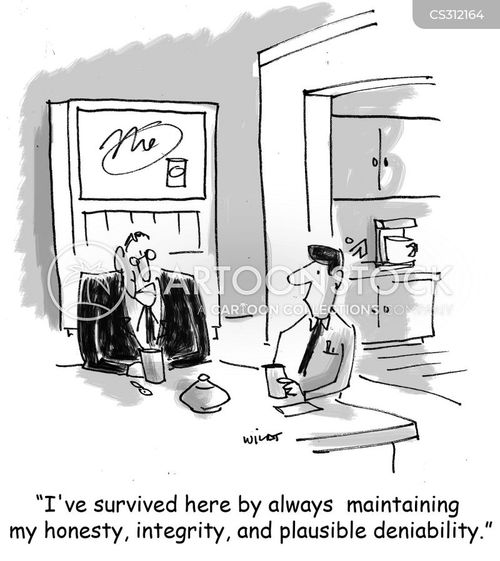
Cartoon – Modern Leadership Survival


Spin Belongs in The Gym, Not The Workplace – 4 Ways to Increase Transparency

I have a motto when it comes to honesty and transparency at work: Spin belongs in the gym, not the workplace.
Spinning the truth is a way of shaping our communications to make our self, the company, or the situation appear better than it is in reality. It’s become so commonplace in the corporate world that many times we don’t even realize we’re doing it. We “spin” by selectively sharing the facts, overemphasizing the positive, minimizing the negative, or avoiding the obvious, all in an attempt to manipulate the perception of others. See if a few of these spins on the truth sound familiar:
Spinning the truth is one of the most common ways leaders bust trust. It also leads to tremendous inefficiencies because people are confused about roles, they duplicate work, balls get dropped, and people resort to blaming others. Poor morale, cynicism, and political infighting become the norm when honesty and transparency are disregarded.
There are macro-level societal events and trends driving the need for greater transparency in the workplace. We’re all familiar with the digital privacy concerns related to the pervasiveness of technology in our lives, and we’ve witnessed the corporate scandals of blatant deceit and dishonesty that’s contributed to record low levels of trust. The global meltdown of trust in business, government, and other institutions over the last several years has generated cries for more transparency in communications, legislation, and governance. Oddly enough, research has shown that in our attempts to be more transparent, we may actually be suffering an illusion of transparency—the belief that people are perceiving and understanding our motivations, intents, and communications more than they actually are.
But at the individual, team, and organization levels, what can we do to build greater trust, honesty, and transparency? I have four suggestions:
Spin is a great activity for the gym and it keeps you in fantastic shape. However, in the workplace, spin is deadly to your health as a leader. It leads to low trust, poor morale, and cynicism in your team. Keep spin in the gym and out of the workplace.
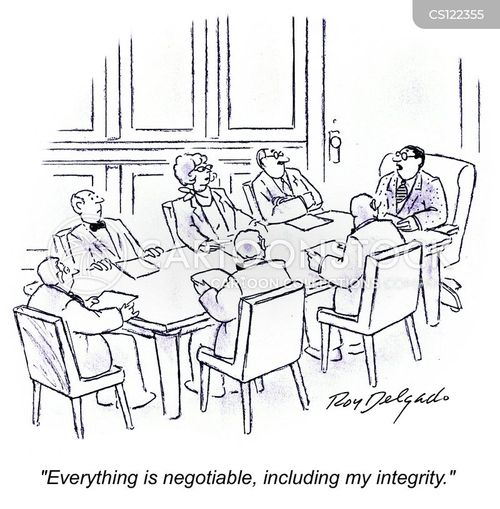

Nearly 50% of Upper-Level Managers Avoid Holding People Accountable

46% of upper-level managers are rated “too little” on the item, “Holds people accountable … .” (HBR)
You missed the point if accountability is:
Accountability:
Accountability recognizes strength and honors performance.
Mutual accountability:
I’ve never been asked to lead a workshop on how to hold ourselves accountable. It’s always about others. That is the heart of the problem.
Accountability is something to work on together, not mandate from on high.
One-sided accountability:
Mutual accountability:
Jim Whitehurst, CEO of Red Hat, said, “Go into every interaction with those who work for you believing that you are as accountable to them for your performance as they are to you for their performance.”, and author of, “The Open Organization.”
Practice accountability:
Blurry responsibility leads to vague accountability. Vague accountability is no accountability.
Complexity is like fog to accountability.
What might mutual accountability look like in your organization?
How might leaders lift accountability out of the category of punishment?
 HENRY KOTULA