

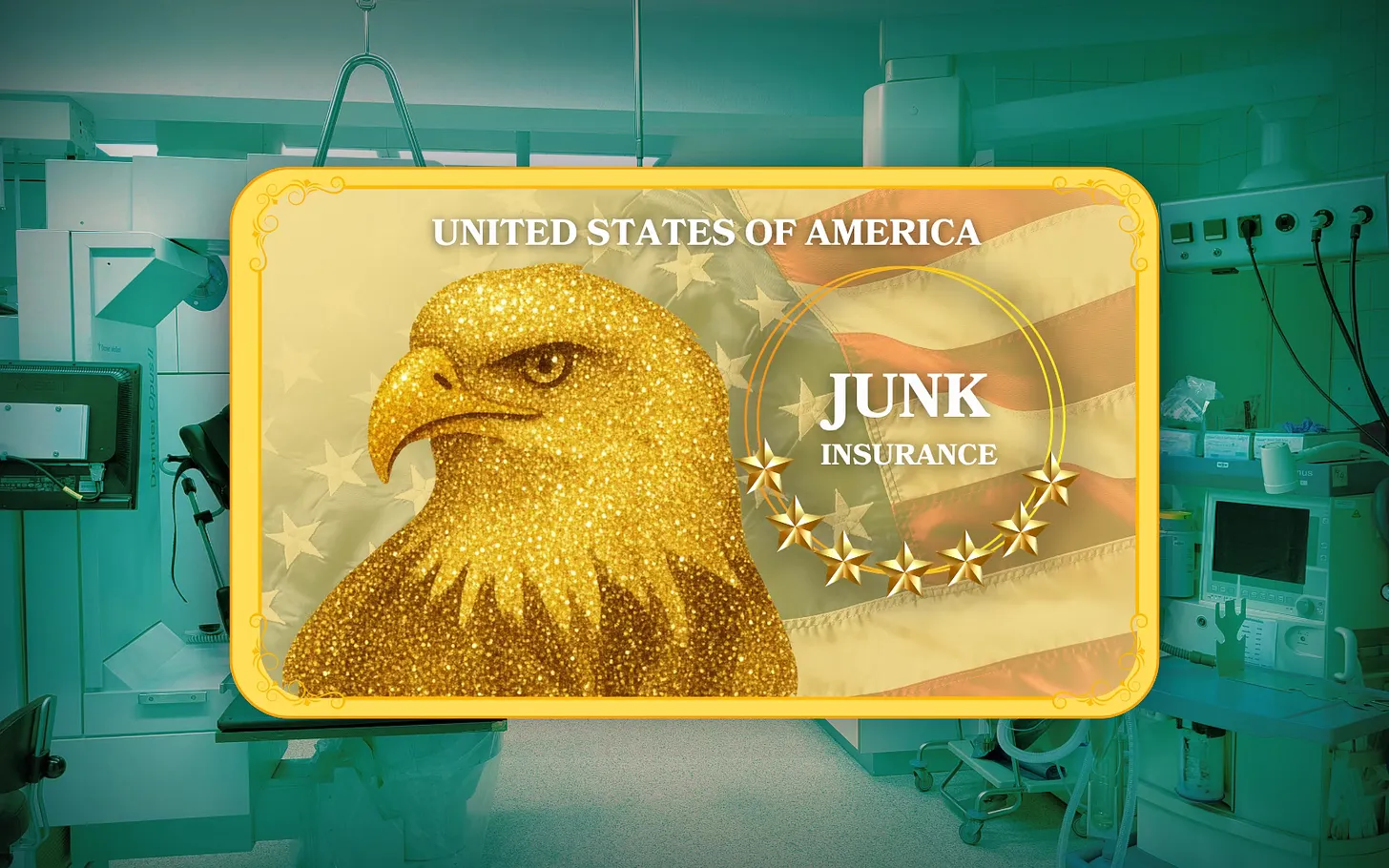
The Trump administration has announced that it will significantly expand access to so-called catastrophic health insurance plans, which are policies with comparatively low monthly premiums but deductibles so high they often leave families effectively uninsured until a medical crisis strikes. CMS described the move as giving Americans “flexibility” and improving access to “affordable healthcare coverage.” But what I call them are “junk plans”.
Back in October, I warned that these plans (often called short-term, limited-duration insurance plans, or STLDIs) were poised for a comeback as enhanced Affordable Care Act subsidies expired and millions of Americans faced sharp premium increases. Well, now these plans are, in fact, a reality.
The Affordable Care Act outlawed most of these junk-style plans because the law requires insurers to cover health care services people need, including prescription drugs, hospitalization, mental health care and maternity care. The ACA also forced insurers to spend most premium dollars on medical care instead of executive compensation, advertising and shareholder returns.
But the ACA never fully solved the deeper affordability crisis in American health care. Premiums have steadily become much too high. Deductibles and other out-of-pocket requirements have put care out of reach for millions as insurers have continued to shift more costs onto patients while simultaneously becoming larger, more powerful and more profitable. The shortcomings of the ACA and the decisions by the President and congressional Republicans have created the perfect opening for catastrophic plans to return.

Affordability’s all the buzz, but Trump’s sweeping payment rule emphasizes consumer choice over cost control.
When families are staring at monthly premiums they can no longer afford, a cheaper option — even one loaded with massive deductibles and coverage gaps — starts looking attractive. That is exactly what insurers are counting on.
In my old job at Cigna, I helped market plans like these. In my book Deadly Spin, I called them what they often really are: “the illusion of coverage.” These policies were designed to look like insurance while minimizing the likelihood insurers would actually have to pay significant claims. Companies like UnitedHealth Group and other insurance and health care conglomerates make enormous profits on catastrophic-style plans because the deductibles are so high and the restrictions so extensive that relatively few claims ever get paid.
Supporters of these plans frame them as “consumer choice.” But choice is a misleading word when many Americans are being financially cornered into skimpier coverage because comprehensive insurance has become unaffordable. People do not think they will get cancer before it happens. No one expects a devasting car crash or for their kid to come down with a confusing illness. The danger with junk plans is that people undoubtedly only discover how weak their coverage is after their lives have already been turned upside down.
And so, both parties in Washington deserve criticism. Republicans are now openly expanding access to catastrophic-style plans. But Democrats also bear responsibility for defending a post-ACA system that still leaves millions of Americans underinsured and financially exposed. Expanding coverage was enormously important. But coverage alone is not enough if using that coverage can still bankrupt you. We need a comprehensive update to the consumer protections in the ACA – expanding junk insurance is not that – and Republicans know better.
The real danger now is that America slowly normalizes a health care system where people are expected to carry insurance cards that offer little meaningful protection until disaster strikes. Once that becomes acceptable, legitimate insurance and junk insurance become indistinguishable.

