Private equity could worsen cardiology’s overutilization problem

https://mailchi.mp/e1b9f9c249d0/the-weekly-gist-september-15-2023?e=d1e747d2d8

 An article published this week in Stat documents private equity’s move into the cardiovascular space. There’s reason to suspect private equity ownership could exacerbate cardiology’s overuse problem, according to several cardiologists and researchers. Studies has found private equity acquisition results in more patients, more visits per patient, and higher charges.

Outpatient atherectomies have become a poster child for overutilization, with the volume billed to Medicare more than doubling from 2011-2021.

The Gist: Fueled by the growing number of states allowing outpatient cardiac catheterization, all signs point to cardiovascular practices being the next specialty courted for PE rollups.

However, the service line brings more complexities to deal structure and future returns than recent targets like dermatology and orthopedics. Heart and vascular groups are more heterogeneous, and less profitable medical management of conditions like congestive heart failure accounts for a greater portion of patient volume. Much more of the medical group business is intertwined with inpatient care, and, unlike other proceduralists, around 80 percent of cardiologists are already employed by health systems. While that doesn’t mean health systems are safe from cardiologists seceding for the promise of PE windfalls, 

the closer PE firms get to the “heart” of medicine, the more they’ll find their standard playbook at odds with the broad spectrum of care that cardiovascular specialists provide—and the more they’ll find that partnering with local hospitals will be non-negotiable to maintain the book of business.
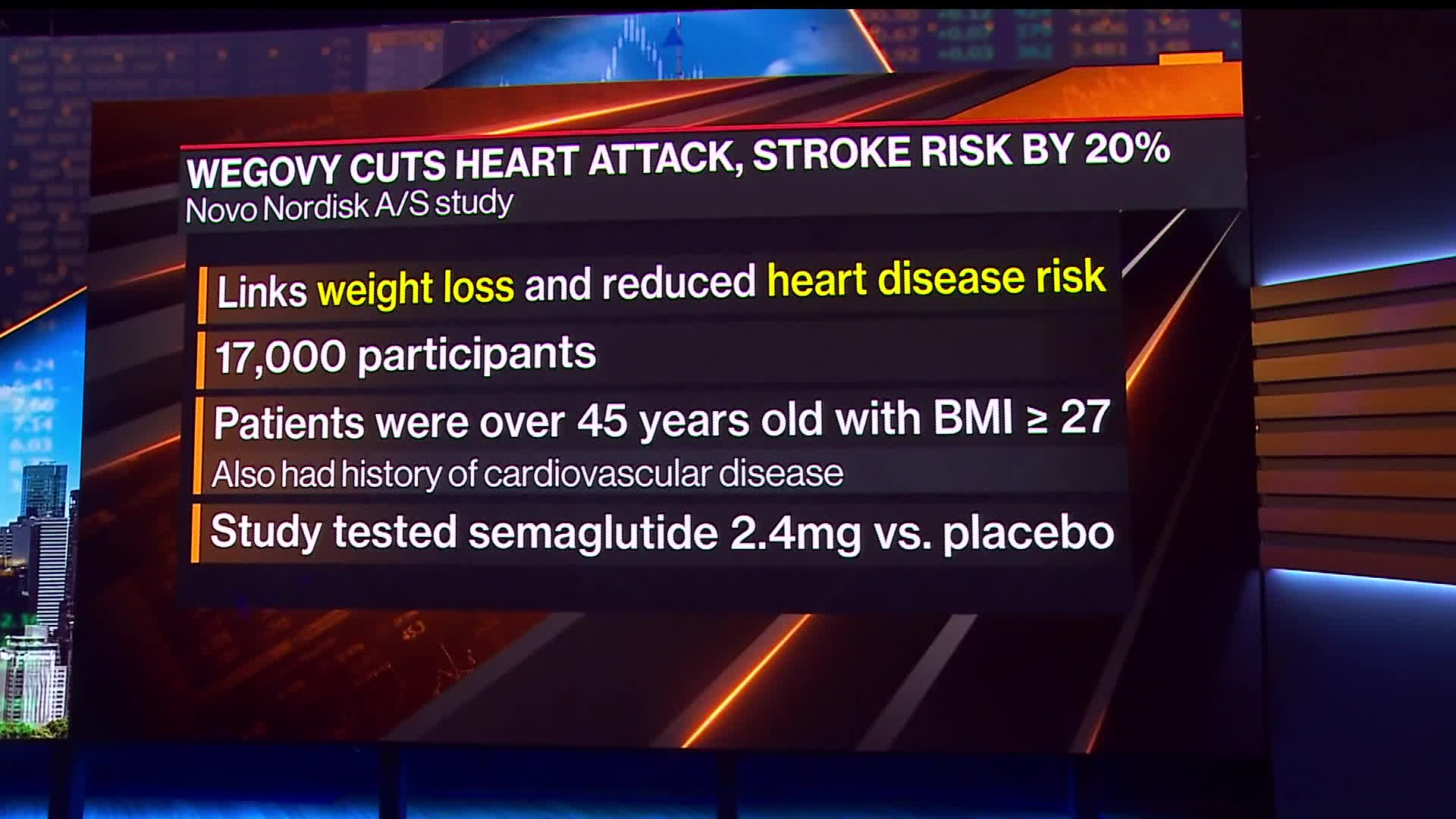
Weight loss drug Wegovy cuts risk of heart problems by 20 percent

https://mailchi.mp/27e58978fc54/the-weekly-gist-august-11-2023?e=d1e747d2d8

On Tuesday, Novo Nordisk released the headline results of a large clinical trial demonstrating that its popular GLP-1 inhibitor Wegovy reduced the risk of heart attacks, strokes, and cardiovascular deaths by 20 percent. The SELECT trial enrolled roughly 17,600 non-diabetic adults aged 45 and older who were overweight or obese with established cardiovascular disease. It compared people in this population treated with the drug to those given a placebo, and tracked them for up to five years. The drugmaker said it plans to release the full trial results at a conference later this year. These results are similar to a previous study that found Wegovy sister drug Ozempic, also made by Novo Nordisk, reduced the risk of adverse cardiac events by 26 percent in adults with type 2 diabetes.

The Gist: The cardioprotective effects demonstrated in this study far exceeded researchers’ expectations. Though concerns still abound about the high costs of Wegovy (nearly $1,350 per month) and similar drugs, these results will certainly put pressure on Medicare and other insurers to provide coverage. 

Questions remain around how the drug actually improves cardiovascular outcomes, and whether patients with cardiac disease who are not overweight or obese might also benefit from taking it.

Despite the fact that the data are still preliminary, the argument that obesity medications are solely “lifestyle” or “vanity drugs”—which some insurers and employers have been using to deny coverage—will now be much harder to defend.

The growth of private equity investment in physician practice

https://mailchi.mp/192abb940510/the-weekly-gist-february-7-2020?e=d1e747d2d8

Private equity (PE) investment in US healthcare has ballooned over the past decade—2018 and 2019 saw record numbers of deals, representing more than $100 billion in total value. As we show below, in 2018 just under a fifth of these transactions were in the physician practice space, with the largest number of deals in dermatology and ophthalmology.

While these two specialties remain active areas of PE investment, a growing number of recent deals have focused on women’s health, gastroenterology, and urology practices.

Across all these areas, PE firms see an opportunity to grow revenue from high-margin ancillary services, cash procedures, and retail products.

Physician groups are pursuing PE investment as an alternative to joining health systems or large payer-owned physician organizations to access capital and fund buyouts of legacy partners. Doctors’ heads are increasingly being turned by the current sky-high multiples PE firms are offering, often up to 10 or even 12 times EBITA.

Private equity roll-ups of physician practices are far from over. Recent activity suggests that the behavioral health market is heating up, as it remains very fragmented in a time of increasing consumer demand.

And we predict a rush for further investment in cardiology and orthopedic practices, as investors look to profit from the shift of lucrative joint and heart valve replacement procedures to outpatient facilities.