


On March 8, 2024, FDA approved Wegovy (semaglutide)opens in a new tab or window to treat cardiovascular disease risks — heart attack, stroke, and death — for obese or overweight adults with a history of cardiovascular disease, making it the first anti-obesity medication (AOM) to obtain such approval. Studies showopens in a new tab or window that semaglutide reduces heart disease risks when accompanied by blood pressure and cholesterol management and healthy lifestyle counseling. FDA noted that this approval is “a major advance in public health.”
Less than 2 weeks after FDA approved the new indication (semaglutide is also approved for chronic weight management and type 2 diabetes), CMS issued a memorandumopens in a new tab or window stating that Medicare Part D plans may cover AOMs if they are FDA approved for an additional medically accepted indication beyond only weight management. CMS’ guidance is prospective and is not limited to semaglutide. The guidance applies to all AOMs that may be approved in the future to treat other conditions. To ensure that AOMs are used for medically accepted indications, CMS clarified that Part D sponsors may employ common utilization management tools like step therapy and prior authorization.
Notably, FDA’s approval of semaglutide for cardiovascular disease is likely a harbinger of similar approvals in the near future — along with their coverage by Medicare. While the benefits are substantial, so too may be the costs as more and more drugs and patients receive coverage.
Obesity and Public Health
Obesity is a pressing public health crisis that requires robust, multidimensional solutions, including medical interventionsopens in a new tab or window. The CDC considers obesity an epidemicopens in a new tab or window, and in 2013, the American Medical Association recognized obesity as a diseaseopens in a new tab or window. Although there isn’t consensus in the scientific community as to whether obesity is a disease, one thing is clear: medical interventions (including AOMs) are key to addressing obesity, along with other public health measures.
Obesity prevalence in the U.S. is 41.9%opens in a new tab or window, with rates higher for Black and Hispanic adults — the very populations that face the greatest socioeconomic barriersopens in a new tab or window to accessing healthcare and medications. While AOMs offer a significant public health benefit, ensuring equitable and affordable access is vital.
Economic Implications
Analyses have foundopens in a new tab or window extraordinarily high prices for Wegovy , with a list price up to $1,349 and a net price (received by the manufacturer) of $701 for a 4-week supply. It is estimated that 6.6 million Americans opens in a new tab or window would benefit from medications like semaglutide for cardiovascular event reduction. Because AOMs are so costly, increasing their coverage and use could result in substantial Medicare spending, as well as higher premiums and cost-sharing for enrollees.
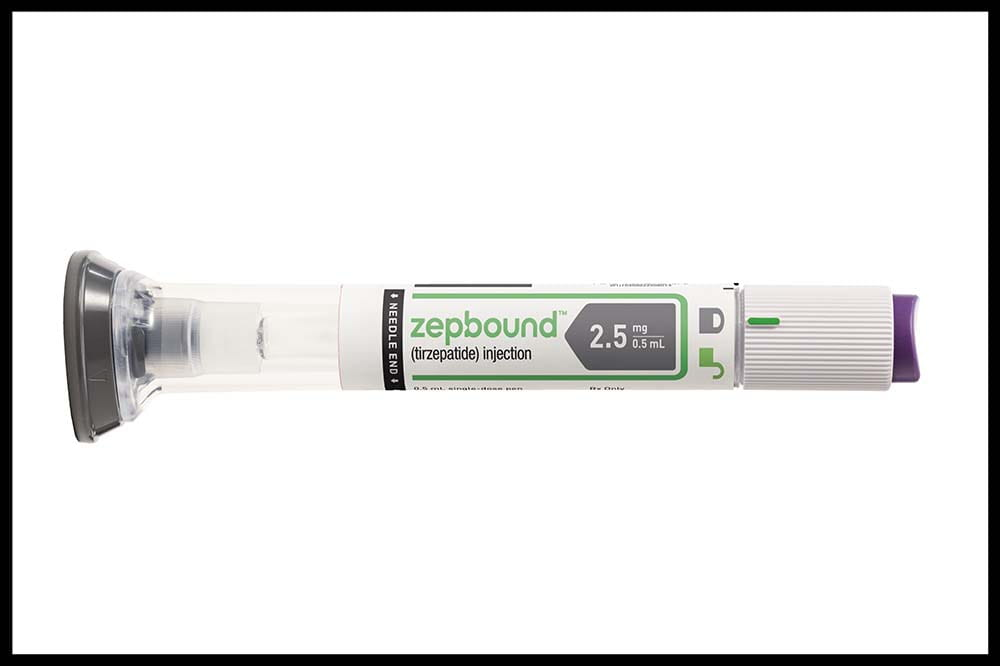
In 2022, Medicare gross total spending on semaglutide and tirzepatide for diabetes reached $5.7 billionopens in a new tab or window, up from $57 million in 2018. With FDA’s approval of these drugs as AOMs, Medicare spending for new indications can be expected to increase dramatically in the next few years.
In March 2024, the Congressional Budget Office (CBO) found that Medicare coverage of AOMs would result in considerable demand for and use of AOMsopens in a new tab or window by enrollees. CBO expects that generic competition, which could moderate prices and lead to higher rebates, would start in earnest only in the second decade of a policy allowing Medicare Part D to cover AOMs. However, even that assumption is not certain as pharmaceutical companies seek to “evergreen”opens in a new tab or window patent protection and market exclusives. CBO also acknowledges the possibility of new drugs that are more effective, have fewer side effects, or can be taken less often, which could translate to higher prices. Furthermore, if AOMs are stopped, weight then increases, meaning that these medications may have to be taken lifelong.
Arguably, reducing obesity rates could reduce the incidence of many chronic diseases such as diabetes and heart disease, potentially creating a net benefit in the long term. And even in the near-term, the Inflation Reduction Act (IRA) may help curb costs.
CBO and other reportsopens in a new tab or window suggest that semaglutide is likely to be selected by CMS for drug price negotiation opens in a new tab or window under the IRA within the next few years. If chosen in 2025, a negotiated Medicare price would be available by 2027. Successful CMS price negotiation is likely to address some of the cost concerns.
The IRA also has other mechanisms that may help address the high costs. The IRA’s rebate program, for example, ensures cost containment by requiring manufacturers of drugs that don’t have competitors to pay rebates to HHS if the prices of those drugs increase faster than the inflation rate. The IRA also caps out-of-pocket spending for prescription drugs at $2,000 starting in 2025opens in a new tab or window. (Although a $2,000 cap helps limit costs, spending that amount of money is still burdensome, especially for people of low socioeconomic status who are disproportionately impacted by obesity.)
In short, the IRA may alleviate, but not eliminate, Medicare spending concerns. The IRA’s ability to address the cost concerns of AOM coverage depends on various factors, and it is likely that those cost containment measures will take many years to materialize. As AOMs continue to be approved for new uses, the intense demand for these drugs coupled with their high costs are likely to place pressures on Medicare spending for years to come.
Takeaways
CMS has made clear that Medicare should cover semaglutide or other AOMs only when needed to avert cardiovascular or other serious diseases. This rule will have to be rigorously enforced and monitored.
Savvy Medicare enrollees could try to game the system, using medications primarily for weight loss purposes — which would be inconsistent with CMS’s approval. Some physicians might also engage in dishonest prescribing. Also, given the racial and ethnic disparities in access to obesity treatment, marginalized groups are unlikely to reap equal benefit from AOMs. For those reasons, robust and thoughtful strategies are needed to ensure that coverage for such drugs is not exploited. Without clear limits on the use of AOMs, Medicare could be overwhelmed with costs.
Beyond Medicare spending, there are wider equity concerns about access to drugs that treat medical conditions associated with obesity. Even if marginalized individuals can gain access to the medication, obtaining optimal health benefits of AOMs is likely to remain a challenge. FDA notes that semaglutide is most effective when it is taken together with other lifestyle or behavioral changesopens in a new tab or window, such as diet and exercise. Because healthy lifestyles and behaviors are mostly influenced by broader social and commercial determinants, the full health benefits of AOMs may elude those most at risk. To harness the public health benefits, AOMs must be seen as part of a broader approach to address health risks associated with obesity; they should not detract from the interventions targeted at socio-structural determinants of health that shape individual and population health outcomes.
To some, semaglutide and other AOMs are a miracle of modern science. Yet, we should entertain some skepticism about miracle solutions to deeply complex health threats. Medicare should extend coverage for AOMs under criteria that meaningfully considers the competing concerns and tradeoffs. Meanwhile, public health professionals and clinicians should continue to use all the tools at our disposal to reduce the burdens of disease caused by overweight and obesity, while also fighting against the stigma, shaming, and discrimination that are widely prevalent in our society.



 HENRY KOTULA