

https://www.healthleadersmedia.com/cfo/340b-rebate-fight-puts-hospital-cash-flow-line
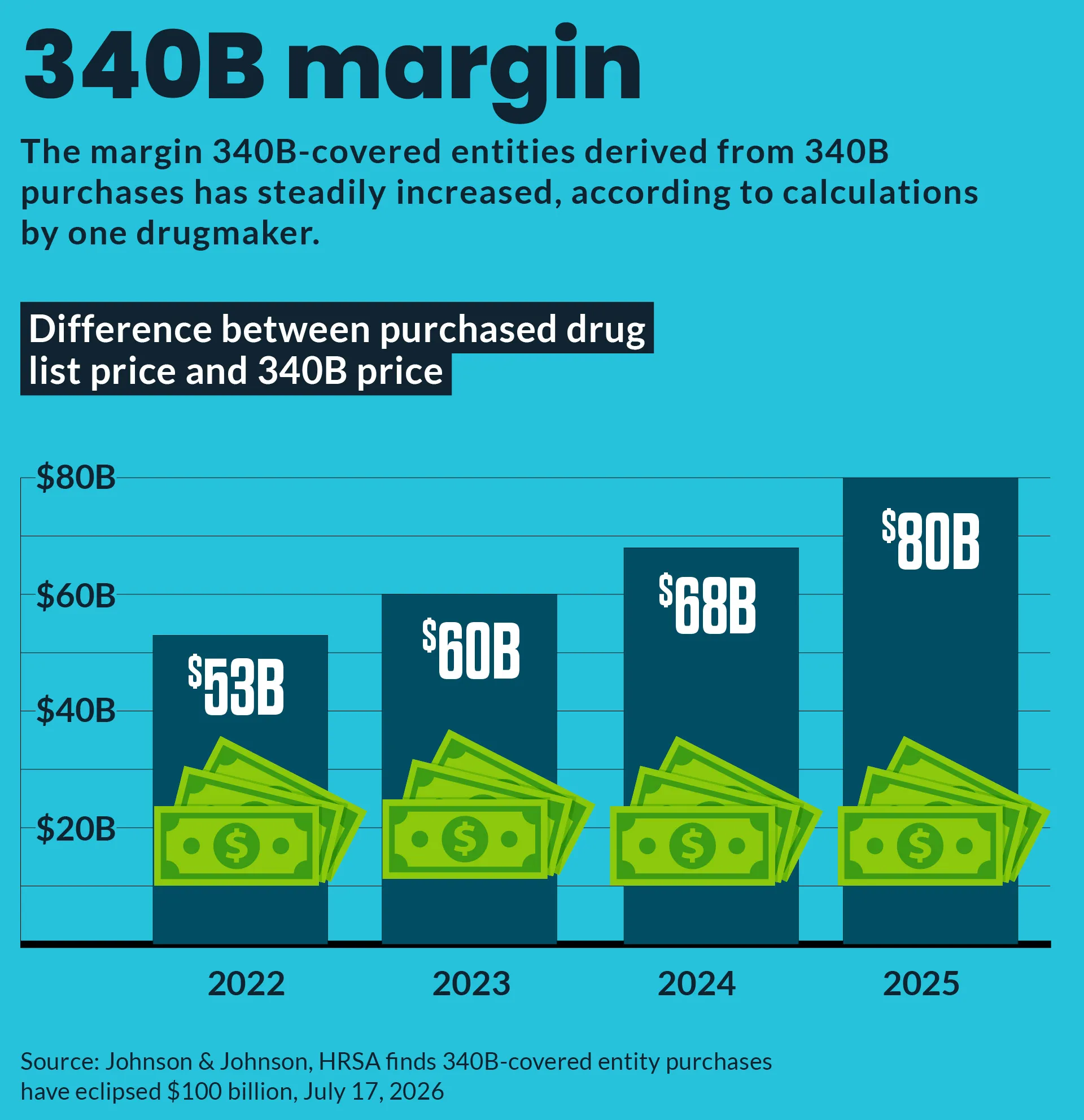
A new lawsuit from the American Hospital Association and four safety-net hospitals challenges a proposed federal drug rebate model, raising fresh concerns about liquidity, administrative spending and the financial stability of providers.
KEY TAKEAWAYS
Hospitals would pay wholesale prices for certain drugs upfront and seek 340B discounts through rebates.
Hospital groups estimate annual administrative expenses could exceed $1 billion, nearly double the federal government’s estimate of approximately $537 million.
The revised pilot is scheduled to begin January 1, 2027, but a new legal challenge could disrupt implementation.
The financial stakes of the federal 340B Drug Pricing Program are back in court. The American Hospital Association (AHA), the Maine Hospital Association and four safety-net hospitals filed a federal lawsuit October 9 seeking to block a revised rebate pilot that could change how participating providers obtain discounts on certain outpatient drugs.
The plaintiffs also requested a temporary restraining order to prevent the program from taking effect January 1, 2027. They argue that the Department of Health and Human Services (HHS) and the Health Resources and Services Administration (HRSA) failed to adequately assess the program’s financial consequences and consider less burdensome alternatives.
Under the current 340B model, eligible hospitals generally purchase covered outpatient medications at discounted prices. The revised pilot would instead require providers to buy participating drugs at wholesale acquisition cost, submit claims data and receive rebates for the difference between that price and the 340B ceiling price.
That change could create a significant working-capital challenge. Hospitals would have to front more money for medications and wait for rebates, while also managing claims submissions, payment reconciliation, potential denials and additional compliance work.
The cost estimates are the real disagreement. Hospital analyses cited by the AHA put annual administrative expenses above $1 billion, compared with the federal government’s estimate of roughly $537 million. The hospital groups contend that the government failed to fully account for startup costs, staff training, vendor expenses and the financial burden of advancing funds for drug purchases.
For hospitals operating on narrow margins, those expenses could have consequences well beyond the pharmacy department. Maine Hospital Association President Jeff Austin has said hospitals in the state average less than two weeks of cash on hand, underscoring how quickly additional working-capital demands could become a liquidity concern.
The HRSA, meanwhile, says the rebate model would improve transparency and program integrity by allowing individual transactions to be verified before rebates are paid. The agency also says the approach would help prevent overlapping discounts under 340B and the Medicare Drug Price Negotiation Program. The pilot is voluntary for manufacturers, and HRSA has approved plans from 10 manufacturers covering 18 drugs for the planned January launch, according to the lawsuit.
What CFOs should be watching
A shift from upfront discounts to retrospective rebates could increase cash-conversion-cycle pressure, require new investments in revenue-cycle and pharmacy systems, and expose hospitals to reconciliation delays. CFOs should therefore model potential cash requirements, assess vendor and staffing needs, and coordinate with pharmacy, compliance and legal teams rather than waiting for the litigation to conclude.
If the plaintiffs’ cost projections prove accurate, hospitals may have to redirect funds from patient assistance, specialty services and other community programs to cover administrative overhead and drug purchases. Smaller rural providers could be especially vulnerable because they have fewer reserves to absorb delays.
This is not the first legal challenge to the rebate approach. A federal judge temporarily blocked the original pilot in December 2025, and HHS later withdrew that version. HRSA announced the revised program in August 2026, but the latest lawsuit puts its planned launch back in question.
For now, CFOs should treat January 2027 as a planning deadline, not a settled outcome. The ultimate decision could shape how hospitals manage drug costs, liquidity and 340B-funded services for years to come.

