Healthcare Regulators’ Outdated Thinking Will Cost American Lives

In a matter of months, ChatGPT has radically altered our nation’s views on artificial intelligence—uprooting old assumptions about AI’s limitations and kicking the door wide open for exciting new possibilities.

One aspect of our lives sure to be touched by this rapid acceleration in technology is U.S. healthcare. But the extent to which tech will improve our nation’s health depends on whether regulators embrace the future or cling stubbornly to the past.

Why our minds live in the past

In the 1760s, Scottish inventor James Watt revolutionized the steam engine, marking an extraordinary leap in engineering. But Watt knew that if he wanted to sell his innovation, he needed to convince potential buyers of its unprecedented power. With a stroke of marketing genius, he began telling people that his steam engine could replace 10 cart-pulling horses. People at time immediately understood that a machine with 10 “horsepower” must be a worthy investment. Watt’s sales took off. And his long-since-antiquated meaurement of power remains with us today.

Even now, people struggle to grasp the breakthrough potential of revolutionary innovations. When faced with a new and powerful technology, people feel more comfortable with what they know. Rather than embracing an entirely different mindset, they remain stuck in the past, making it difficult to harness the full potential of future opportunities.

Too often, that’s exactly how U.S. government agencies go about regulating advances in healthcare. In medicine, the consequences of applying 20th-century assumptions to 21st-century innovations prove fatal.  

Here are three ways regulators do damage by failing to keep up with the times:

1. Devaluing ‘virtual visits’

Established in 1973 to combat drug abuse, the Drug Enforcement Administration (DEA) now faces an opioid epidemic that claims more than 100,000 lives a year.

One solution to this deadly problem, according to public health advocates,  combines modern information technology with an effective form of addiction treatment.

Thanks to the Covid-19 Public Health Emergency (PHE) declaration, telehealth use skyrocketed during the pandemic. Out of necessity, regulators relaxed previous telemedicine restrictions, allowing more patients to access medical services remotely while enabling doctors to prescribe controlled substances, including buprenorphine, via video visits.

For people battling drug addiction, buprenorphine is a “Goldilocks” medication with just enough efficacy to prevent withdrawal yet not enough to result in severe respiratory depression, overdose or death. Research from the National Institutes of Health (NIH) found that buprenorphine improves retention in drug-treatment programs. It has helped thousands of people reclaim their lives.

But because this opiate produces slight euphoria, drug officials worry it could be abused and that telemedicine prescribing will make it easier for bad actors to push buprenorphine onto the black market. Now with the PHE declaration set to expire, the DEA has laid out plans to limit telehealth prescribing of buprenorphine.

The proposed regulations would let doctors prescribe a 30-day course of the drug via telehealth, but would mandate an in-person visit with a doctor for any renewals. The agency believes this will “prevent the online overprescribing of controlled medications that can cause harm.”

The DEA’s assumption that an in-person visit is safer and less corruptible than a virtual visit is outdated and contradicted by clinical research. A recent NIH study, for example, found that overdose deaths involving buprenorphine did not proportionally increase during the pandemic. Likewise, a Harvard study found that telemedicine is as effective as in-person care for opioid use disorder.

Of course, regulators need to monitor the prescribing frequency of controlled substances and conduct audits to weed out fraud. Furthermore, they should demand that prescribing physicians receive proper training and document their patient-education efforts concerning medical risks.

But these requirements should apply to all clinicians, regardless of whether the patient is physically present. After all, abuses can happen as easily and readily in person as online.

The DEA needs to move its mindset into the 21st century because our nation’s outdated approach to addiction treatment isn’t working. More than 100,000 deaths a year prove it.

2. Restricting an unrestrainable new technology

Technologists predict that generative AI, like ChatGPT, will transform American life, drastically altering our economy and workforce. I’m confident it also will transform medicine, giving patients greater (a) access to medical information and (b) control over their own health.

So far, the rate of progress in generative AI has been staggering. Just months ago, the original version of ChatGPT passed the U.S. medical licensing exam, but barely. Weeks ago, Google’s Med-PaLM 2 achieved an impressive 85% on the same exam, placing it in the realm of expert doctors.

With great technological capability comes great fear, especially from U.S. regulators. At the Health Datapalooza conference in February, Food and Drug Administration (FDA) Commissioner Robert M. Califf emphasized his concern when he pointed out that ChatGPT and similar technologies can either aid or exacerbate the challenge of helping patients make informed health decisions.

Worried comments also came from Federal Trade Commission, thanks in part to a letter signed by billionaires like Elon Musk and Steve Wozniak. They posited that the new technology “poses profound risks to society and humanity.” In response, FTC chair Lina Khan pledged to pay close attention to the growing AI industry.

Attempts to regulate generative AI will almost certainly happen and likely soon. But agencies will struggle to accomplish it.

To date, U.S. regulators have evaluated hundreds of AI applications as medical devices or “digital therapeutics.” In 2022, for example, Apple received premarket clearance from the FDA for a new smartwatch feature that lets users know if their heart rhythm shows signs of atrial fibrillation (AFib). For each AI product that undergoes FDA scrutiny, the agency tests the embedded algorithms for effectiveness and safety, similar to a medication.

ChatGPT is different. It’s not a medical device or digital therapy programmed to address a specific or measurable medical problem. And it doesn’t contain a simple algorithm that regulators can evaluate for efficacy and safety. The reality is that any GPT-4 user today can type in a query and receive detailed medical advice in seconds. ChatGPT is a broad facilitator of information, not a narrowly focused, clinical tool. Therefore, it defies the types of analysis regulators traditionally apply.

In that way, ChatGPT is similar to the telephone. Regulators can evaluate the safety of smartphones, measuring how much electromagnetic radiation it gives off or whether the device, itself, poses a fire hazard. But they can’t regulate the safety of how people use it. Friends can and often do give each other terrible advice by phone.  

Therefore, aside from blocking ChatGPT outright, there’s no way to stop individuals from asking it for a diagnosis, medication recommendation or help with deciding on alternative medical treatments. And while the technology has been temporarily banned in Italy, that’s unlikely to happen in the United States.  

If we want to ensure the safety of ChatGPT, improve health and save lives, government agencies should focus on educating Americans on this technology rather than trying to restrict its usage.

3. Preventing doctors from helping more people

Doctors can apply for a medical license in any state, but the process is time-consuming and laborious. As a result, most physicians are licensed only where they live. That deprives patients in the other 49 states access to their medical expertise.

The reason for this approach dates back 240 years. When the Bill of Rights passed in 1791, the practice of medicine varied greatly by geography. So, states were granted the right to license physicians through their state boards.

In 1910, the Flexner report highlighted widespread failures of medical education and recommended a standard curriculum for all doctors. This process of standardization culminated in 1992 when all U.S. physicians were required to take and pass a set of national medical exams. And yet, 30 years later, fully trained and board-certified doctors still have to apply for a medical license in every state where they wish to practice medicine. Without a second license, a doctor in Chicago can’t provide care to a patient across a state border in Indiana, even if separated by mere miles.

The PHE declaration did allow doctors to provide virtual care to patients in other states. However, with that policy expiring in May, physicians will again face overly restrictive regulations held over from centuries past.

Given the advances in medicine, the availability of technology and growing shortage of skilled clinicians, these regulations are illogical and problematic. Heart attacks, strokes and cancer know no geographic boundaries. With air travel, people can contract medical illnesses far from home. Regulators could safely implement a common national licensing process—assuming states would recognize it and grant a medical license to any doctor without a history of professional impropriety.

But that’s unlikely to happen. The reason is financial. Licensing fees support state medical boards. And state-based restrictions limit competition from out of state, allowing local providers to drive up prices.

To address healthcare’s quality, access and affordability challenges, we need to achieve economies of scale. That would be best done by allowing all doctors in the U.S. to join one care-delivery pool, rather than retaining 50 separate ones.

Doing so would allow for a national mental-health service, giving people in underserved areas access to trained therapists and helping reduce the 46,000 suicides that take place in America each year.

Regulators need to catch up

Medicine is a complex profession in which errors kill people. That’s why we need healthcare regulations. Doctors and nurses need to be well trained, so that life-threatening medications can’t fall into the hands of people who will misuse them.

But when outdated thinking leads to deaths from drug overdoses, prevents patients from improving their own health and limits access to the nation’s best medical expertise, regulators need to recognize the harm they’re doing.  

Healthcare is changing as technology races ahead. Regulators need to catch up.

What will end with the COVID public health emergency?

https://mailchi.mp/d62b14db92fb/the-weekly-gist-february-10-2023?e=d1e747d2d8

Last week the Biden Administration announced that the federal COVID public health emergency (PHE) will expire on May 11. While the recent Omnibus law will lessen the impact, the graphic above highlights several important provisions for providers which are currently set to end with the PHE.

The Centers for Medicare and Medicaid Services (CMS) will no longer provide hospitals with a 20 percent inpatient payment boost for treating traditional Medicare patients hospitalized with COVIDThe cost of COVID testing and treatments will shift from the federal government to consumers as private and public insurers can charge for tests and care, while the uninsured will bear the full costs of COVID vaccines and treatment. 

Medicare’s current flexibilities around skilled nursing facility (SNF) admissions will end, as it reinstates the three-day prior hospitalization rule for SNF transfers, and ceases paying for SNF stays beyond 100 days.

The end of the PHE also means that providers will no longer be able to prescribe controlled substances virtually, without an initial in-person evaluation. This is especially significant given the volume of mental health and substance abuse treatment that shifted to telehealth across the course of the pandemic.

While the Drug Enforcement Agency has been working on regulations to address this, a proposed rule has not yet been released. Together, these changes amount to lower payments for health systems, COVID cost exposure for patients, and fewer flexibilities for providers managing care, even as thousands of patients are still being hospitalized with COVID each week.

At a Tennessee Crossroads, Two Pharmacies, a Monkey, and Millions of Pills

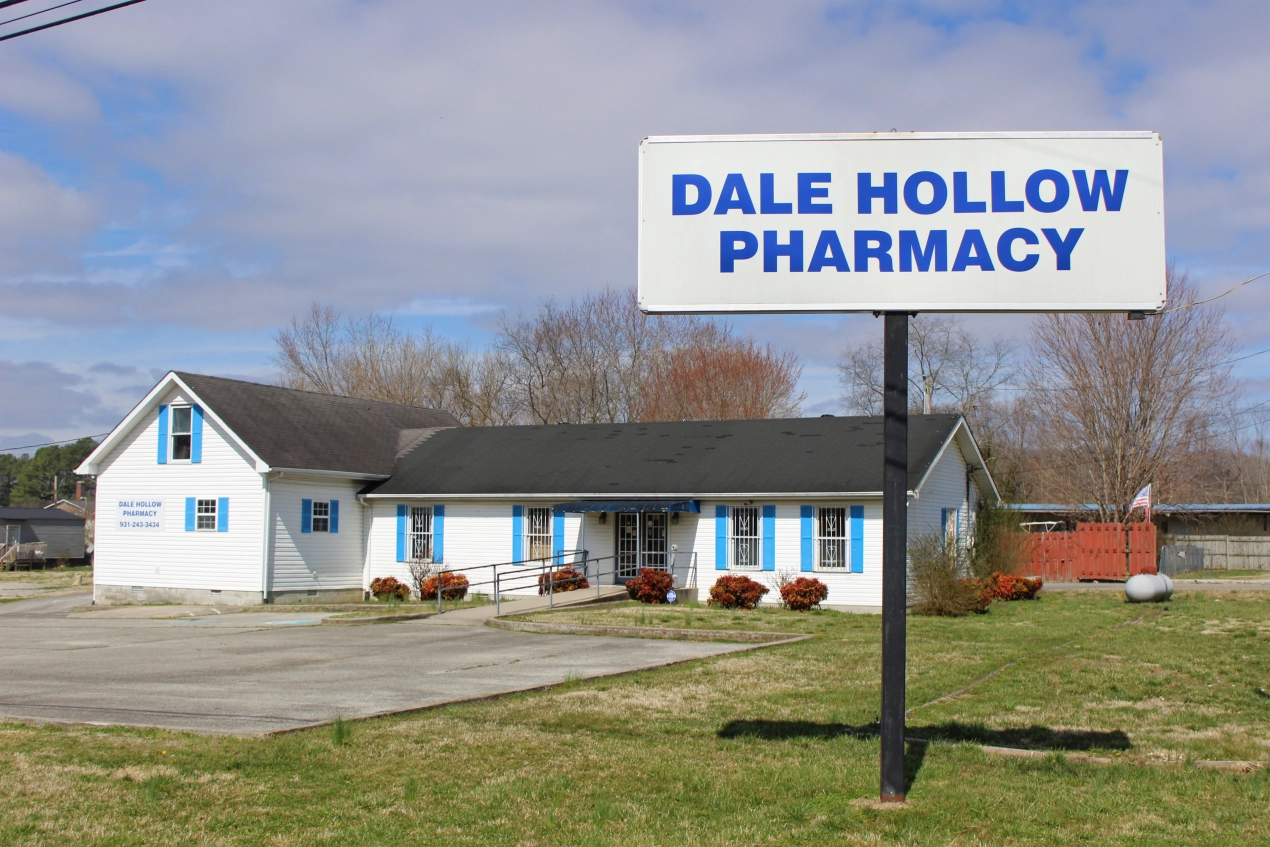
CELINA, Tenn. — It was about 1 a.m. on April 19, 2016, when a burglary alarm sounded at Dale Hollow Pharmacy in Celina, a tiny town in the rolling, wooded hills near the Kentucky border.

Two cops responded. As their flashlights bobbed in the darkness, shining through the pharmacy windows, they spotted a sign of a break-in: pill bottles scattered on the floor.

The cops called the co-owner, Thomas Weir, who arrived within minutes and let them in. But as quickly as their flashlights beamed behind the counter, Weir demanded the cops leave. He said he’d rather someone “steal everything” than let them finish their search, according to a police report and body camera footage from the scene.

“Get out of there right now!” Weir shouted, as if shooing off a mischievous dog. “Get out of there!”

The cops argued with Weir as he escorted them out. They left the pharmacy more suspicious than when they’d arrived, triggering a probe in a small town engulfed in one of the most outsize concentrations of opioids in a pill-ravaged nation.

Nearly six years later, federal prosecutors have unveiled a rare criminal case alleging that Celina pharmacy owners intentionally courted opioid seekers by filling dangerous prescriptions that would have been rejected elsewhere. The pharmacies are accused of giving cash handouts to keep customers coming back, and one allegedly distributed its own currency, “monkey bucks,” inspired by a pet monkey that was once a common sight behind the counter. Two pharmacists admitted in plea agreements they attracted large numbers of patients from “long distances” by ignoring red flags indicating pills were being misused or resold. In their wake, prosecutors say, these Celina pharmacies left a rash of addiction, overdoses, deaths, and millions in wasted tax dollars.

“I hate that this is what put us on the map,” said Tifinee Roach, 38, a lifelong Celina resident who works in a salon not far from the pharmacies and recounted years of unfamiliar cars and unfamiliar people filling the parking lots. “I hate that this is what we’re going to be known for.”

Celina, an old logging town of 1,900 people about two hours northeast of Nashville, was primed for this drug trade: In the shadow of a dying hospital, four pharmacies sat within 1,000 feet of each other, at the crux of two highways, dispensing millions of opioid pills. Before long, that intersection had single-handedly turned Tennessee’s Clay County into one of the nation’s pound-for-pound leaders of opioid distribution. In 2017, Celina pharmacies filled nearly two opioid prescriptions for every Clay County resident — more than three times the national rate — according to the Centers for Disease Control and Prevention.

Visitors once came to Celina to tour its historical courthouse or drop their lines for smallmouth bass in the famed fishing lake nearby. Now they came for pills.

Soon after Weir’s police encounter in 2016, the Drug Enforcement Administration set its sights on his two Celina pharmacies, three doors apart — Dale Hollow Pharmacy and Xpress Pharmacy. Separately, investigators examined the clinic of Dr. Gilbert Ghearing, which sat directly between Dale Hollow and Xpress and leased office space to a third pharmacy in the same building, Anderson Hometown Pharmacy. Its owners and operators have not been charged with any crime.

In December, a federal judge unsealed indictments against Weir and the other owners of Dale Hollow and Xpress pharmacies, Charles “Bobby” Oakley and Pamela Spivey, alleging they profited from attracting and filling dangerous and unjustifiable opioid prescriptions. Charges were also filed against William Donaldson, the former pharmacist and owner of Dale Hollow, previously convicted of drug dealing, who allegedly recruited most of the customers for the scheme.

The pharmacists at Dale Hollow and Xpress, John Polston and Michael Griffith, pleaded guilty to drug conspiracy and health care fraud charges and agreed to cooperate with law enforcement against the other suspects.

Ghearing was indicted on drug distribution charges for allegedly writing unjustifiable opioid prescriptions in a separate case in 2019. He pleaded not guilty, and his case is expected to go to trial in September.

‘An American Tragedy’

The Celina indictment comes as pharmacies enter an era of new accountability for the opioid crisis. In November, a federal jury in Cleveland ruled pharmacies at CVS, Walgreens, and Walmart could be held financially responsible for fueling the opioid crisis by recklessly distributing massive amounts of pain pills in two Ohio counties. The ruling — a first of its kind — is expected to reverberate through thousands of similar lawsuits filed nationwide.

Criminal prosecutions for such actions remain exceedingly rare. The Department of Justice in recent years increased prosecutions of doctors and pain clinic staffers who overprescribed opioids but files far fewer charges against pharmacists, and barely any against pharmacy owners, who are generally harder to hold directly responsible for prescriptions filled at their establishments.

In a review of about 1,000 news releases about legal enforcement actions taken by the Department of Health and Human Services since 2019, KHN identified fewer than 10 similar cases involving pharmacists or pharmacy owners being criminally charged for filling opioid prescriptions. Among those few similar cases, none involved allegations of so many opioids flowing readily through such a small place.

The Celina case is also the first time the Department of Justice sought a restraining order and preliminary injunction against pharmacies under the Controlled Substances Act, said David Boling, a spokesperson for the U.S. Attorney’s Office for the Middle District of Tennessee. DOJ used the civil filing to shut down Dale Hollow and Xpress pharmacies quickly in 2019, allowing prosecutors more time to build a criminal case against the pharmacy owners.

Former U.S. Attorney Don Cochran, who oversaw much of the investigation, said the crisis in Celina was so severe it warranted a swift and unique response.

Cochran said it once made sense for small pharmacies to be clustered in Celina, where a rural hospital served the surrounding area. But as the hospital shriveled toward closure, as have a dozen others in Tennessee, the competing pharmacies turned to opioids to sustain themselves and got hooked on the profits, he said.

“It’s an American tragedy, and I think the town was a victim in this,” Cochran said. “The salt-of-the-earth, blue-collar folks that lived there were victimized by these people in these pharmacies. I think they knew full well this was not a medical necessity. It was just a money-making cash machine for them.”

And much of that money came from taxpayers. In its court filings, DOJ argues the pharmacies sought out customers with Medicaid or Medicare coverage — or signed them up if they didn’t have it. To keep these customers coming back, the pharmacies covered their copays or paid cash kickbacks whenever they filled a prescription, prosecutors allege. The pharmacies collected more than $2.4 million from Medicare for opioids and other controlled substances from 2012 to 2018, according to the court filings.

Prosecutors say the pharmacies also paid kickbacks to retain profitable customers with non-opioid prescriptions. In one case, Dale Hollow gave $100 “payouts” to a patient whenever they filled his prescription for mysoline, an anti-seizure drug, then used those prescriptions to collect more than $237,000 from Medicare, according to Polston’s plea agreement.

Attorneys for Weir, Oakley, Donaldson, Spivey, Polston, and Griffith either declined to comment for this article or did not respond to requests for comment.

Ronald Chapman, an attorney for Ghearing, defended the doctor’s prescriptions, saying he’d done “the best he [could] with what was available” in a rural setting with no resources or expertise in pain management.

Chapman added that, while he does not represent the other Celina suspects, he had a theory as to why they drew the attention of federal law enforcement. As large corporate pharmacies made agreements with the federal government to be more stringent about opioid prescriptions, they filled fewer of them. Customers then turned to smaller pharmacies in rural areas to get their drugs, he said.

“I’m not sure if that’s what happened in this case, but I’ve seen it happen in many small towns in America. The only CVS down the street, or the only Rite Aid down the street, is cutting off every provider who prescribes opioids, leaving it to smaller pharmacies to do the work,” Chapman said.

Donaldson, reached briefly at his home in Celina on March 9, insisted the allegations levied against Dale Hollow and Xpress could apply to many pharmacies in the region.

“It wasn’t just them,” Donaldson said.

The Monkey and the Monkey Bucks

Long before it was called Dale Hollow Pharmacy, the blue-and-white building that moved millions of pills through Celina was Donaldson Pharmacy, and Donaldson was behind the counter doling out pills.

Donaldson owned and operated the pharmacy for decades as the eccentric son of one of the most prominent families in Celina, where a street, a park, and many businesses bear his surname. Even now, despite Donaldson’s prior conviction for opioid crimes and his new indictment, an advertisement for “Donaldson Pharmacy” hangs at the entrance of a nearby high school.

“Bill has always had a heart of gold, and he would help anyone he could. I just think he let that, well …” said Pam Goad, a neighbor, trailing off. “He’s always had a heart of gold.”

According to interviews with about 20 Celina residents, including Clay County Sheriff Brandon Boone, Donaldson is also known to keep a menagerie of exotic animals, at one point including at least two giraffes, and a monkey companion, “Carlos,” whom he dressed in clothing.

The monkey — a mainstay at Donaldson Pharmacy for years — both attracted and deterred customers. Linda Nelson, who owns a nearby business, said Carlos once escaped the pharmacy and, during a scrap with a neighbor’s dogs, tore down her mailbox by snapping its wooden post in half.

But the monkey wasn’t the only reason Donaldson Pharmacy stood out.

According to a DEA opioid database published by The Washington Post, Donaldson Pharmacy distributed nearly 3 million oxycodone and hydrocodone pills from 2006 to 2014, making it the nation’s 20th-highest per capita distributor during that period. It retained its ranking even though the pharmacy closed in 2011, when Donaldson was indicted for dispensing hydrocodone without a valid prescription.

Donaldson confessed to drug distribution and was sentenced to 15 months in prison. The pharmacy’s name was changed to Dale Hollow and ended up with Donaldson’s brother-in-law, Oakley. In 2014, Oakley sold 51% of the business to Weir, who also bought a majority stake of Xpress Pharmacy, three doors away, according to the DOJ’s civil complaint.

Under Weir’s leadership, these two pharmacies became an opioid hub with few equals, prosecutors say. From 2015 to 2018, Dale Hollow and Xpress pharmacies were the fourth-and 11th-highest per capita opioid purchasers in the nation, according to the DOJ, citing internal DEA data.

Many of these prescriptions were for Subutex, an opioid that can be used to treat addiction but is itself prone to abuse. Unless the patient is pregnant or nursing or has a documented allergy, Tennessee law requires doctors instead to prescribe Suboxone, an alternative that is much harder to abuse.

But at the Celina pharmacies, prescriptions for Subutex outnumbered those for Suboxone by at least 4-to-1, prosecutors say. In their plea agreements, pharmacists from Dale Hollow and Xpress described stores that thrived on the trade in Subutex, and said Weir set “mandates” for how many Subutex prescriptions to fill and instructed them to “never run out.”

Griffith, the head pharmacist at Xpress, said the pharmacy in 2015 created flyers specifically advertising Subutex, then delivered them on trays of cookies to practices throughout Tennessee, including some hours away. In the following two years, the amount of Subutex dispensed by Xpress increased by about eightyfold, according to his plea agreement.

Dale Hollow didn’t need flyers or cookies. It had Donaldson.

After getting out of prison in 2014, Donaldson was hired by the pharmacy he once owned, where he “recruited and controlled” about 50% to 90% of customers, according to the indictment filed against him. The pharmacy also enticed customers by distributing a Monopoly-like currency called “monkey bucks” — an apparent callback to Carlos — that could be spent at the pharmacy like cash, the indictment states.

Prosecutors also allege that, from a desk inside Dale Hollow, Donaldson would sign customers up for Medicare or Medicaid, then use a vehicle provided by the pharmacy to drive them to a doctor’s office to get opioid prescriptions, then back to Dale Hollow where he’d offer to cover their copays himself if they kept their business at the pharmacy. Sometimes, he would text the Dale Hollow pharmacist with instructions to fill specific prescriptions, or just to fill more of them, according to federal court records.

“Y’all have got to get your numbers up. Fill fill,” Donaldson texted Polston in 2018, according to his plea agreement.

By then, however, all those prescriptions had drawn unwanted attention.

In August 2018, Dale Hollow and Xpress pharmacies were raided by DEA agents, who brought with them Fox News’ Geraldo Rivera and a television crew. Six months later, DOJ filed its civil complaint, persuading a federal judge to immediately close both pharmacies.

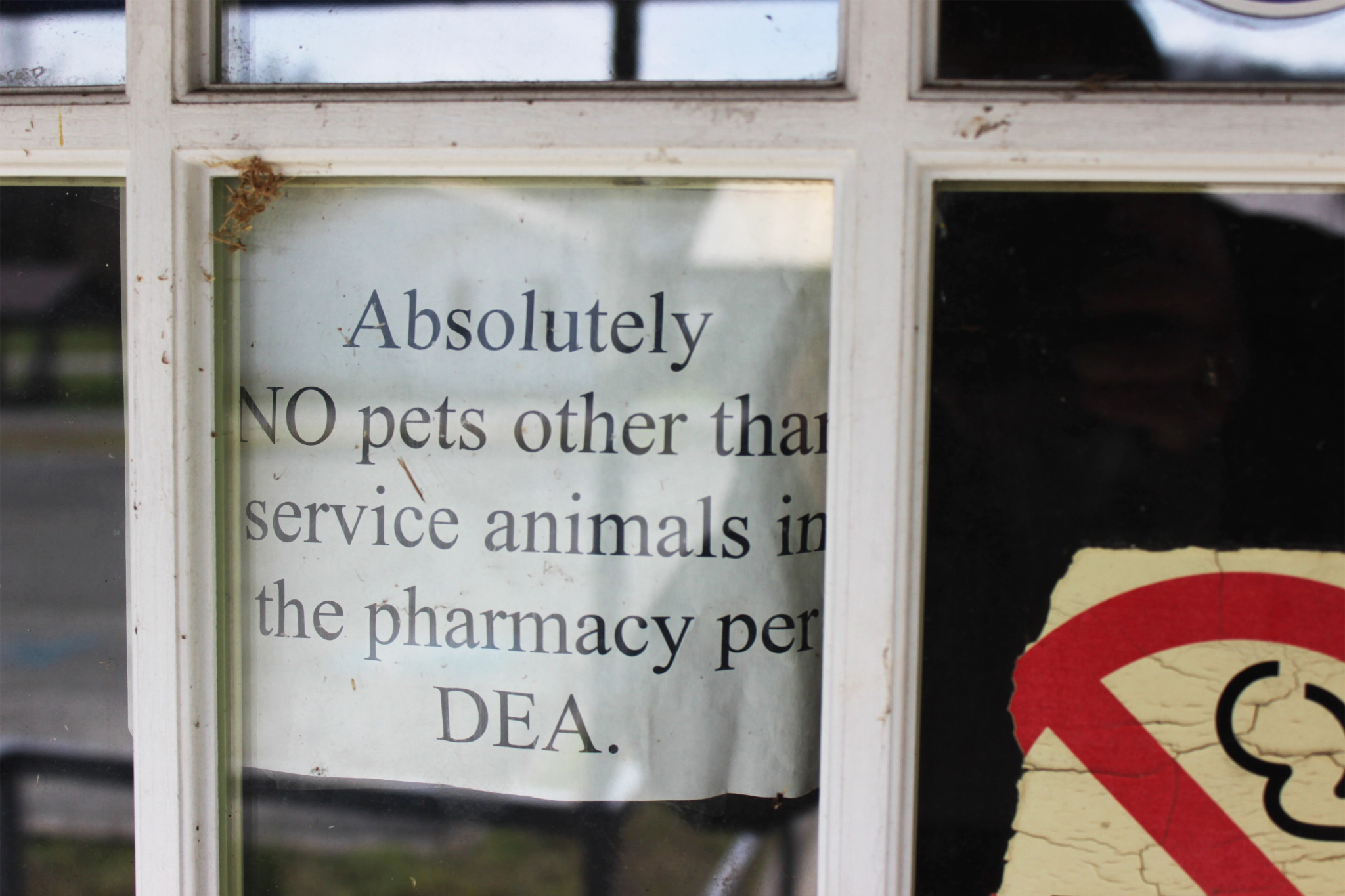
Today, Dale Hollow Pharmacy sits shuttered, as it has been for the past three years, and a paper sign taped to the door says animals are not allowed inside by order of the DEA. The building that was once Xpress Pharmacy reopened this year as an unrelated pharmacy with a fresh coat of paint. Ghearing’s clinic and Anderson Hometown Pharmacy are closed.

Most of Celina’s opioid prescriptions are gone, too. According to the latest available CDC data, Clay County reported about 32 opioid prescriptions per 100 residents in 2020 — one-sixth the rate of 2017’s.

Drug companies seek billion-dollar tax deductions from opioid settlement

https://www.washingtonpost.com/business/2021/02/12/opioid-settlement-tax-refund/?arc404=true

Image result for Drug companies seek billion-dollar tax deductions from opioid settlement

Four companies that agreed to pay a combined $26 billion to settle claims about their roles in the opioid crisis plan to deduct some of those costs from their taxes and recoup around $1 billion apiece.

In recent months, as details of the blockbuster settlement were still being worked out, pharmaceutical giant Johnson & Johnson and the “big three” drug distributors — McKesson, AmerisourceBergen and Cardinal Health —all updated their financial projections to include large tax benefits stemming from the expected deal, a Washington Post analysis of regulatory filings found.

In one example, Dublin, Ohio-based drug distributor Cardinal Health said earlier this month it planned to collect a $974 million cash refund because it claimed its opioid-related legal costs as a “net operating loss carryback” — a tax provision Congress included in last year’s coronavirus bailout package as a way of helping companies struggling during the pandemic.

The deductions may deepen public anger toward companies prosecutors say played key roles in a destructive public health crisis that kills tens of thousands of Americans every year. In lawsuits filed by dozens of states and local jurisdictions, public officials have argued that the companies, among other corporate defendants, flooded the country with billions of highly addictive pills and ignored signs they were being steered to people who abused them.

Under the terms of the proposed settlement — which is being finalized and will ultimately be subject to federal court approval — the four companies would pay between $5 billion and $8 billion each to reimburse communities for the costs of the health crisis. Plaintiffs who support the proposal say it will resolve a highly complex litigation process and make funds available to communities and individuals still struggling with addiction.

Others including Greg McNeil, whose son became addicted to opioids and died from an overdose, have said $26 billion is only a small fraction of the epidemic’s financial toll and argue the proposal doesn’t include what many family members of opioid victims want the most: an admission of guilt.

All four firms disavow any wrongdoing or legal responsibility. The companies have said they produced government-approved prescription pills, distributed them to registered pharmacies and took steps to try to prevent their misuse.

U.S. tax laws generally restrict companies from deducting the cost of legal settlements from their taxes, with one major exception: Damages paid to victims as restitution for the misdeeds can usually be deducted. Still, Congress has placed stricter limits on such deductions in recent years, and some tax experts say the Internal Revenue Service could challenge the companies’ attempts to deduct opioid settlement costs.

Harry Cullen, a Brooklyn-based activist who has worked to hold drug companies accountable for the epidemic, said it is “incredibly insulting” that companies would try deduct the settlement payments. “As if they are donating it to these people who they harmed in the first place.”

Erich Timmerman, a spokesman for Cardinal Health, said in a statement that the company’s tax deductions are permissible under federal law. He also pointed to a statement chief executive Mike Kaufmann made in November, when he said Cardinal takes its role in the pharmaceutical supply chain seriously and remains “committed to being part of the solution to this epidemic.”

AmerisourceBergen declined to comment on its taxes but said in a statement the company takes steps to mitigate the diversion of prescription drugs, including by refusing service to customers it sees as a risk and by making daily reports to federal drug officials.

Johnson & Johnson declined to comment on the opioid settlement and tax deductions beyond its regulatory filings.A spokeswoman for McKesson did not respond to multiple requests for comment.

Cardinal Health’s use of the “carryback” tax break draws attention to what some see as a shortcoming of the $2 trillion U.S. coronavirus bailout known as the Cares Act. In their haste to funnel cash benefits to businesses facing economic peril, lawmakers made billions of dollars in tax breaks broadly available to any company, regardless of whether it suffered during the pandemic.

Cardinal, a company with a $15 billion market capitalization and $4 billion in available cash, surpassed Wall Street expectations for its most recent earnings period. Last week, CEO Kaufmann told investors a rebound in medical treatments and procedures had revived demand for Cardinal’s health devices and drugs. He said the company was boosting its investment in sophisticated supply-chain technology.

On the same day, Cardinal said it was filing for a tax break using the Cares Act provision and expected a nearly $1 billion cash refund from the IRS within the next 12 months. The company plans to pay $6.6 billion in the settlement.

Francine J. Lipman, a tax professor at the University of Nevada at Las Vegas, said Cardinal Health appears to be “getting a bit of a windfall from laws that Congress intended to help companies that are suffering due to a pandemic.”

The “carryback” tax break permits any company that lost money in 2018, 2019 or 2020 to apply those losses to previous, more profitable years. Some form of this provision has been permitted by the U.S. tax code for over a century to help businesses that face ups and downs to even out their taxes.

The Cares Act raised the limit on the amount of losses companies can use to offset taxes and permitted them to apply those losses to earlier periods. Because the corporate tax rate was higher before 2018, companies with recent losses can increase tax refunds they received before that year by up to 67 percent.

Cardinal estimated in August it expected to deduct $488 million from the expected opioid legal settlement. But in its Feb. 5 filing, the company said the amount probably would be higher in part because the Cares Act permitted it to carry back losses related to the opioid litigation to previous years when the tax rate was higher.

UNLV’s Lipman said Cardinal’s decision to apply for a tax refund before any legal settlement has been finalized could face scrutiny from the IRS. Deductions must be made against business expenses that are shown to have “economic effect,” she said, which may preclude deductions against future, unpaid legal settlements.

Timmerman, Cardinal’s spokesman, said the company has already recorded a loss related to the opioid litigation because Cardinal insures itself through a wholly-owned insurance subsidiary. The opioid litigation caused a loss to the insurance company’s reserve, and that is the loss that Cardinal is deducting, he said.

“Tax and accounting rules applicable to insurance companies, including self-insurance companies, require recognition of loss when an insurance reserve is set, thus establishing economic effect, even if the underlying settlement is not final,” Timmerman said.

The three other companies involved in the $26 billion settlement have estimated the tax benefits of the deal but have not filed for tax refunds. They all said the tax benefits could be lower if courts or regulators determined some or all of the payments are not tax-deductible.

McKesson, which expects to pay $8.1 billion in the settlement, said in a Feb. 2 filing that the actual cost of the deal would be $6.7 billion after taxes, implying a $1.4 billion tax benefit. The company also said $497 million in tax benefits were “uncertain” because of the “uncertainty in connection with the deductibility of opioid related litigation and claims.”

AmerisourceBergen, which anticipates a $6.6 billion settlement payment, said in November it expects a $1.1 billion tax benefit. The company said an additional $371.5 million tax benefit was possible but “uncertain.”

“A settlement has not been reached, and, therefore, we applied significant judgment in estimating the ultimate amount of the opioid litigation settlement that would be deductible,” the company said.

Matthew Gardner, a senior fellow at the nonprofit Institute on Taxation and Economic Policy, said these disclaimers suggest the companies are making conservative estimates. “That’s one way of saying they are likely going to claim even bigger tax benefits in their tax returns than they are showing on their financial statements,” he said.

Whether the payments will be deductible may hinge on specific word choices in the final terms of the settlement. Though recent changes to the tax code have attempted to close loopholes that permit companies to deduct taxes when they have committed wrongdoing, many companies now push to make sure their settlements include a “restitution” payment for victims — the “magic word” that often qualifies them for deductions, Gardner said.

In previous opioid-related settlements local governments reached with McKesson, Purdue Pharma and Teva Pharmaceuticals, the companies admitted no fault and agreed to restitution payments that appeared to qualify them for tax deductions, USA Today reported in 2019.

Johnson & Johnson has said it expects it could deduct as much as 21.4 percent of its $5 billion share of the settlement, which would mean a roughly $1.1 billion tax benefit. However, the company said last summer that the deductible amount may be lower if a regulation proposed by the IRS last year came into effect.

The rule, which did take effect Jan. 20, requires companies to meet a long list of specific criteria to qualify government settlements for tax deductions.

Faces on pills are seen at the Provocative Opioid Memorial in 2018 in Washington, D.C. There are 22,000 pills that represent the number of people who died of an opioid overdose in 2015. 

In 2019, The Post analyzed a database maintained by the Drug Enforcement Administration that tracks the path of every pain pill sold in the United States. The database shows that America’s largest drug companies distributed 76 billion oxycodone and hydrocodone pain pills across the country between 2006 and 2012 as the nation’s deadliest drug epidemic spun out of control.

McKesson, Cardinal Health and AmerisourceBergen distributed 44 percent of the nation’s oxycodone and hydrocodone pills — the two most abused prescription opioid drugs — during that time.

An investigation by The Post last year found that near the peak of U.S. opioid production, a Johnson & Johnson subsidiary was manufacturing enough oxycodone and hydrocodone to capture half or more of the U.S. market. The company also lobbied for years to help persuade regulators to loosen a narcotics import rule, allowing Johnson & Johnson’s U.S. subsidiary to produce rising amounts of opioids out of potent poppies harvested by its Tasmanian subsidiary, The Post found.

Attorneys for Johnson & Johnson have said its opioid-producing subsidiaries did not cause the United States’ addiction crisis, that the companies were heavily regulated, and that such companies play only a “peripheral role in the multibillion-dollar market for prescription opioids.”

Drug companies seek removal of judge in landmark opioid case

https://www.washingtonpost.com/health/drug-companies-seek-removal-of-judge-in-landmark-opioid-case/2019/09/14/1609f69a-d6f6-11e9-9343-40db57cf6abd_story.html?wpisrc=nl_most&wpmm=1

Drug companies facing more than 2,000 lawsuits over their alleged roles in the opioid epidemic demanded Saturday that the federal judge overseeing the case step aside, questioning his impartiality because he has consistently urged both sides to settle the case.

The request comes after a series of rulings against the companies by U.S. District Judge Dan Aaron Polster in the landmark trial slated to begin Oct. 21.

“Defendants do not bring this motion lightly,” the lawyers wrote in a filing Saturday morning on behalf of some of the nation’s biggest drug distributors and retailers but no drug manufacturers. “Taken as a whole and viewed objectively, the record clearly demonstrates that recusal is necessary.”

The lawyers contended Polster has overstepped his authority and created the appearance of bias. They cited his statements since the beginning of the case encouraging settlement so that money for badly needed drug treatment and other services could go quickly to communities hard hit by the opioid epidemic.

With just two counties “seeking $8 billion in cash for so-called ‘abatement,’ the Court has determined that it, not a jury, has the discretion to decide how much money defendants may pay to government agencies for medical treatment and other addiction-related services and initiatives,” the drug companies wrote.

Polster could not be reached for comment. A telephone call to his assistant Saturday went unanswered.

Lawyers for the more than 2,000 cities, towns, counties and tribal communities suing the drug industry called the attempt to remove Polster a desperate move. The lead plaintiffs’ lawyers said in a statement they “remain confident the judiciary will swiftly respond to yet another attempt by the opioid defendants to delay the trial.”

The plaintiffs have demanded the drug companies, including manufacturers, distributors and retailers, pay billions of dollars for the damage they allegedly caused. Since 1999, more than 200,000 people have died of overdoses of prescription narcotics, and another 200,000 have died from overdoses of heroin and illegal fentanyl, according to government data.

Two Ohio counties, Cuyahoga and Summit, are scheduled to begin trial next month as test cases to determine how other plaintiffs and defendants may fare before a jury.

As of now, they would face off against drug distributors McKesson Corp., Cardinal Health, AmerisourceBergen and Henry Schein; manufacturers Johnson & Johnson and Teva Pharmaceuticals; and retail drugstore chain Walgreens.

Two law professors called the defendants’ motion unusual and saw little chance it would succeed.

The law that authorizes large, consolidated cases like this one — known as “multidistrict litigation” — explicitly recognizes that judges would use the opportunity to encourage settlements, said Carl Tobias, a professor at Richmond University School of Law.

“Judges overseeing MDLs are supposed to encourage settlement and most MDLs end with settlements” for the majority of plaintiffs, Tobias wrote in an email.

Alexandra Lahav, a professor at the University of Connecticut School of Law, agreed.

“It is a highly unusual motion and not one that I think can win,” she wrote in an email. “I am not sure what the strategy is behind bringing it, and filing on Saturday, other than public relations.”

She added, however, “I don’t think there is anything wrong with filing a non-frivolous motion to bring attention to an issue and start a conversation. Given the courts’ historic emphasis on settlement, I just don’t see how that conversation goes anywhere.”

This past week, Purdue Pharma, the company most widely blamed for its role in the crisis, announced a tentative settlement with all the municipalities and about half the state attorneys general who have separately sued members of the drug industry in state courts. If finalized, that agreement would remove Purdue from the first trial.

Ohio Attorney General Dave Yost (R), whose state backs the Purdue settlement, also has asked to halt the trial, saying the municipalities should allow states to take the lead in the litigation.

In the lead-up to the trial, Polster denied a series of motions filed by the companies seeking to throw out, or limit, the case against them. Those included a defense motion to dismiss arguments that the drug companies conspired with each other to protect their companies from enforcement actions by the Drug Enforcement Administration.

Polster also rejected a motion to dismiss the plaintiffs’ legal theory that the companies created a “public nuisance” by inundating communities across the nation with enormous amounts of pain pills. And he denied a defense motion to dismiss a strategy to pursue the case under the Racketeer Influenced and Corrupt Organizations Act, originally created to prosecute the Mafia.

This past week, Polster agreed to an unusual plan that would include 30,000 jurisdictions across the United States in any settlement, if they agreed to it. It is aimed at preventing more lawsuits and ensuring that communities everywhere get some money from any settlement.

In their motion, the drug distributors and retail chains said the crucial test is whether a reasonable person would conclude that Polster appeared biased against the defendants.

They cited Polster’s statements inside and outside court “evidencing a personal objective to do something meaningful to abate the opioid crisis, with the funding to be provided through defendants’ settlements,” as well as “numerous improper comments to the media and in public forums about the litigation.”

And they noted Polster’s “apparent prejudgment of the merits and outcome of the litigation and singular focus on, and substantial involvement in, settlement discussions.”

They also protested his decision to limit defendants to 12.5 hours apiece to present their cases during the upcoming trial.

Last month, an appellate court admonished some of the defendants for a legal attack on Polster over an unrelated question. The panel of appellate judges said their claim that Polster’s “assurances are not entitled to our respect because [he] has been deceptive or duplicitous … is a very serious allegation and we find no merit to it.”