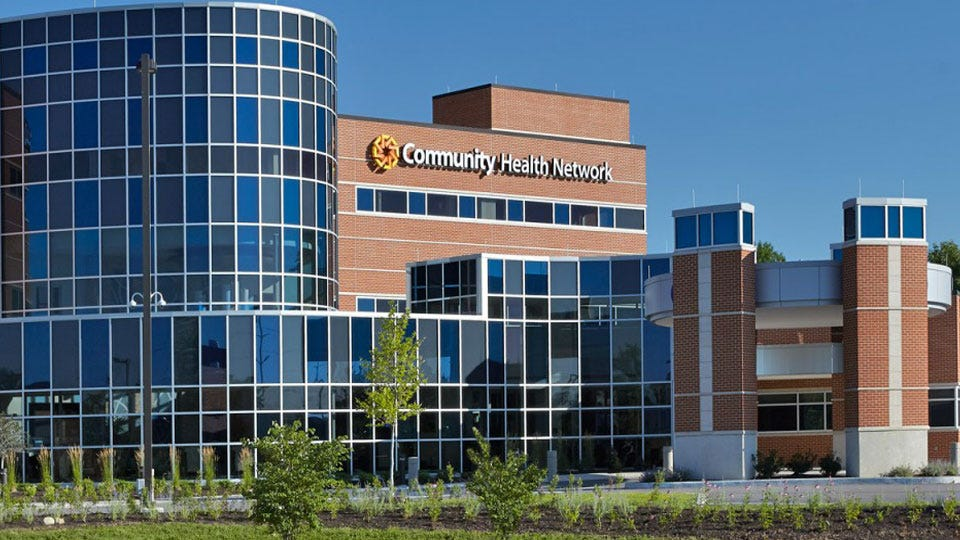
Indiana system to pay $345M in case tied to physician pay

Indianapolis-based Community Health Network has agreed to a $345 million settlement to resolve allegations that, dating back to 2008, it violated the False Claims Act and Stark law.

The settlement, announced Dec. 19, stems from a whistleblower complaint filed in 2014 by the nonprofit health system’s former CFO and COO under the qui tam provisions of the False Claims Act. 

The United States filed suit against CHN in 2020, alleging that the system violated the False Claims Act by knowingly submitting claims to Medicare for services that were referred in violation of the Stark law, which requires that the compensation of employed physicians be fair market value and cannot account for the volume of referrals. 

The U.S. complaint alleged that, starting in 2008, CHN’s senior management engaged in a scheme to recruit physicians for employment with outsized pay in an effort to secure profitable referrals. The salaries offered to cardiologists, cardiothoracic surgeons, vascular surgeons, neurosurgeons and breast surgeons for CHN employment were sometimes up to double what physicians earned in private practices, the complaint alleged. 

The government alleged that CHN provided false compensation information to a valuation firm, ignored the consultants’ warnings about legal risks of overcompensation and awarded bonuses to physicians based on their referrals to providers within the CHN network. 

CHN said the $345 million settlement will be paid from its reserves, which reported operating revenue of $3.1 billion in 2022. The nonprofit system has more than 200 sites of care and affiliates throughout Central Indiana, including 10 hospitals. 

“This is completely unrelated to the quality and appropriateness of the care Community provided to patients,” CHN Spokesperson Kris Kirschner said in a statement shared with Becker’s. “This settlement, like those involving other health systems and hospitals, relates to the complex, highly regulated area of physician compensation. Community has consistently prioritized the highest regulatory and ethical standards in all our business processes.” 

The system said it “has always sought to compensate employed physicians based on evolving industry best practices with the advice of independent third parties” and “has always sought to provide complete and accurate information to our third-party consultants.” 

“When doctors refer patients for CT scans, mammograms or any other medical service, those patients should know the doctor is putting their medical interests first and not their profit margins,” Zachary Myers, U.S. attorney for the Southern District of Indiana, said in the Justice Department news release. 

“Community Health Network overpaid its doctors. It also paid doctors bonuses based on the amount of extra money the hospital was able to bill Medicare through doctor referrals,” Mr. Myers said. “Such compensation arrangements erode patient trust and incentivize unnecessary medical services that waste taxpayer dollars.”  

Under the settlement, CHN will enter into a five-year corporate integrity agreement with HHS in addition to its $345 million payment to the U.S.

6 WAYS TO REDUCE FINANCIAL DISTRESS IN HEALTHCARE

Welcome to the second installment of Pulse on Healthcare. This month’s issue takes a look at the issues causing financial distress for healthcare organizations, and how CFOs can take action to relieve it.

According to the 2022 BDO Healthcare CFO Outlook Survey, 63% of healthcare organizations are thriving, but 34% are just surviving. And while healthcare CFOs have an optimistic outlook—82% expect to be thriving in one year—they’ll need to make changes this year if they’re going to reach their revenue goals. To prevent and solve for financial distress, CFOs need to review and address the underlying causes. Otherwise, they might find themselves falling short of expectations in the year ahead.

Here are six ways for CFOs to address financial distress:

1.      Staffing shortages: 40% of healthcare CFOs say retaining key talent will be a top workforce challenge in 2022.

How can you avoid a labor shortage? Think about increasing wages for your frontline staff, especially your nurses. You could also reconsider the benefits you’re offering and ask yourself what offerings would be attractive for your frontline staff. For example, whether you offer free childcare could mean the difference between your staff staying and walking out for another employment opportunity. Additionally, consider enhancing or simplifying processes through technology to relieve some strain from day-to-day tasks.

2.      Budget forecasting: Almost half (45%) of healthcare organizations will undergo a strategic cost reduction exercise in 2022 to meet their profitability goals.

 How else can you cut costs? One option is to adopt a zero-based approach to budgeting this year. This allows you to build your budget from the ground up and find new areas to adjust costs to free up resources. Consider some non-traditional cost reduction areas, like telecommunication or select janitorial expenses, which are overlooked year after year. Cost savings in these areas can be substantial and quick to implement.    

3.      Bond covenant violations: 42% of healthcare CFOs have defaulted on their bond or loan covenants in the past 12 months. Interestingly, 25% say they have not defaulted but are concerned they will default in the next year.

 How can you avoid violations? The first step to take is to meet with your financial advisors, especially if you are worried you’re going to default on your bond or loan covenants. You want to get their counsel before you default so you can prepare your organization and mitigate the damage. Ideally, they can help you avoid a default altogether.

4.      Supply chain strains: 84% of healthcare CFOs say supply chain disruption is a risk in 2022.

How can you mitigate these risks? Supply chain shortages are a ubiquitous problem across industries right now, but not all of the issues are within your control. Focus on what is, including assessing your supply chain costs and seeing where you can find the same or similar products for lower prices. Identifying alternative suppliers may end up saving you a lot of frustration, especially if your regular suppliers run into disruptions.

5.      Increased cost of resources: 39% of healthcare CFOs are concerned about rising material costs and expect it will pose a significant threat to their supply chain.

How can you alleviate these concerns? Price increases for the resources you purchase — including medical supplies, drugs, technology and more — could deplete your financial reserves and strain your liquidity, exacerbating your financial difficulties. You may be able to switch from physician-preferred products to other, most cost-effective products for the time being. Switching medical suppliers may even save you money in the long run. Involving clinical leadership in the process can keep physicians informed of the choices you are making and the motivation behind them.

6.      Patient volume: 39% of healthcare CFOs are making investments to improve the patient experience.

How can you satisfy your patient stakeholders? As hospitals and physician practices get closer to the new normal of care, patients are returning to procedures and check-ins they put off at the height of the pandemic. Patients want a comfortable experience that will keep them coming back, including a safe and clean atmosphere at in-person offices.

They also want access to frictionless telehealth and patient portals for those who don’t want to or can’t travel to receive care. Revisit your “Digital Front Door Strategy” and consider ways to improve and streamline it. These investments can also go toward improving health equity strategies to ensure everyone across communities is receiving the same level of care.