🚨New CDC warning: The highly contagious variant B.1.1.7 originally detected in the U.K. could become the dominant strain in the U.S. by March.
Why it matters: The variant is estimated to be 30% to 50% more transmissible than other forms of the virus, threatening efforts to push the U.S. past its record high case count.
The variant is in 12 states, but has been diagnosed in only 76 of the 23 million U.S. cases reported to date, the AP reports.
It’s likely that the variant is more widespread than currently reported.
The big picture: Americans are exhausted and burned out, and COVID wariness is slipping.
So far, the variants do not appear to be resistant to the existing vaccines or cause more severe disease.
But the health care system is on the brink in places like Southern California.
Another spike in cases could lead us to a very dark place.
The bottom line:There’s no evidence that this variant is transmitted differently, so keep up the masks and social distancing.
Go deeper … The coronavirus variants: What you need to know.
The highly contagious variant of the coronavirus first seen in the United Kingdom will become the dominant strain in the United States within about two months, its rapid spread heightening the urgency of getting people vaccinated, the Centers for Disease Control and Prevention predicted Friday in its most sobering warning yet about mutations in the virus.
In every scenario explored by the CDC, the U.K. strain, which British researchers estimate is roughly 50 percent more transmissible than the more common coronavirus strain, will account for a majority of cases in the United States by some point in March.
The CDC released modeling data to back up its forecast showing a rapid spike in infections linked to the U.K. strain. The agency said the emergence of these mutation-laden variants requires greater efforts to limit viral spread — immediately, even before the U.K. variant becomes commonplace.
So far, no variant is known to cause more severe illness, although more infections would inevitably mean a higher death toll overall, as the CDC made clear in an informational graphic released Friday: “MORE SPREAD — MORE CASES — MORE DEATHS,” it said.
The CDC report “speaks to the urgency of getting vaccines out. It’s now a race against the virus,” said William Hanage, an epidemiologist at the Harvard T.H. Chan School of Public Health.
Scientists both in and out of government have stressed the need for the public to stick to proven methods of limiting viral spread, such as wearing a mask, social distancing, avoiding crowds and having good hand hygiene.
“We know what works and what to do,” CDC scientist Jay Butler said Friday.
The emergence of highly contagious variants has grabbed the full attention of scientists, who in recent weeks have warned that these mutations require closer surveillance. The CDC and its partners in private and academic laboratories are ramping up genomic sequencing efforts to gain better awareness of what is already circulating. Experts think there could be many variants containing mutations worth a closer look.
“This is a situation of concern. We are increasing our surveillance of emerging variants. This virus sometimes surprises us,” Butler said.
Mutations could limit the efficacy of vaccines or therapeutic drugs such as monoclonal antibodies. Scientists believe vaccines will probably remain effective because they produce a robust immune system response, but such reassurances have been paired with cautionary notes about how much remains unknown.
The coronavirus mutations are not unexpected, because all viruses mutate. There are now several “variants of concern” receiving close scrutiny, including ones identified first in South Africa and Brazil, and U.S. officials have said genomic surveillance is still ramping up here and that there may be other variants in circulation, not yet identified, that are enhancing transmission.
“We’re going forward with the assumption that these three variants that we know about now are not going to be the only variants that emerge that are of concern to us,” Greg Armstrong, head of the CDC’s strain surveillance program, said Friday.
The CDC model suggests that the level of pain and suffering in March, when the new variant is expected to be dominant, depends on actions taken today to try to drive down infection rates. Because the threshold for herd immunity depends in part on how infectious a virus is, the emergence of a more transmissible strain can prolong efforts to crush a pandemic.
The emergence in recent weeks of mutation-laden variants has alarmed the CDC and the scientific community because of accelerating infections in Britain, Denmark, Ireland and other countries where the variant named B.1.1.7 has been spreading.
“Increased SARS-CoV-2 transmission might threaten strained healthcare resources, require extended and more rigorous implementation of public health strategies, and increase the percentage of population immunity required for pandemic control,” the CDC wrote. “Taking measures to reduce transmission now can lessen the potential impact of B.1.1.7 and allow critical time to increase vaccination coverage.”
It is unclear if the winter surge in the United States is at a peak, but the numbers are staggering, with more than 200,000 new infections confirmed every day on average.
This is not the first warning from the CDC about variants of the virus, but it is the first to offer a plausible timeline for when and to what degree the mutations seen recently could complicate efforts to end the pandemic.
It shows that vaccination, performed rapidly, is critical to crushing the curve of viral infections. Without vaccines, under one CDC scenario, the country could be dealing with even greater levels of infections in May than in January.
But if public health agencies can ramp up to 1 million vaccinations a day, the CDC model forecasts that daily new infections will decline in the next few months — even with the extra boost from the highly contagious U.K. variant. It has been identified in 12 states, the CDC said Friday, and the agency has informed officials nationwide that they should assume the variant is present in their state.
The CDC and unaffiliated scientists have said they see no evidence that this particular variant is driving the winter surge in cases. So far, it has been involved in fewer than 0.5 percent of infections nationwide, testing data suggests.
Friday’s sobering CDC forecast is based on simple models and has limitations, the agency acknowledged.
The model looks at just the B.1.1.7 variant and does not consider the impact of other variants already discovered or not yet identified. The variants in South Africa and Brazil could prove to be even more problematic, though they have not been spotted so far in the United States. Researchers have noted the disastrous spike in cases in Manaus, Brazil, in recent weeks, despite the high percentage of the population believed to have been previously infected — a situation that raises suspicions, not confirmed by data, that some people who had recovered are becoming re-infected by the new strain.
The CDC model treats the country as a single unit even though the virus is spreading at different rates locally and regionally. No one knows, even at the national level, the current “R,” the reproduction number, of the common coronavirus variant. That’s the number of people an infected person will infect, on average.
The CDC model used plausible reproduction rates of 1.1 (faster spread right now) and 0.9 (slower). The CDC then used British data to project that the U.K. variant is 50 percent more transmissible than the common variant. The model assumes that between 10 and 30 percent of the population has been infected already and recovered and now has immunity.
“It would be foolish to say that this is never going to end, and we might as well stop trying,” the CDC’s Butler said Friday. “But there is reason to be concerned. We’re not out of the woods on this pandemic yet. We need to continue to press ahead.”
Most people who have recovered from Covid-19 have similar levels of immunity against future infection to those who received a coronavirus vaccine, a study by Public Health England found, offering early hope against fears of a short-lived immunity spurred on by reports of people catching the virus twice, though the researchers warn that those with immunity may still be able to carry and transmit the virus to others.
KEY FACTS
Naturally acquired immunity from a previous Covid-19 infection provides 83% protection against reinfection when compared with people who have not had the disease before, government researchers found in a study of more than 20,000 healthcare workers.
The study, which has not yet been peer reviewed for rigor by other scientists, shows that this protection lasts for at least five months and is at a level just below that offered by vaccines from Pfizer-BioNTech (95%) and Moderna (94%) and significantly above that of the vaccine developed by the University of Oxford and AstraZeneca (62%), though manufacturers don’t know for how long this immunity lasts.
The figures suggest reinfection is relatively rare — occurring in fewer than 1% of the the 6,614 people who had already tested positive for the disease — though the scientists warned that while “those with antibodies have some protection from becoming ill with Covid-19 themselves,” early evidence suggests that they can carry and transmit the virus to others.
“It is therefore crucial that everyone continues to follow the rules and stays at home, even if they have previously had Covid-19, to prevent spreading the virus to others,” Public Health England wrote.
The study will continue to follow participants for another 12 months to determine “how long any immunity may last, the effectiveness of vaccines and to what extent people with immunity are able to carry and transmit the virus,” as well as investigate the highly-contagious new variant of coronavirus spreading across the U.K..
CRUCIAL QUOTE
Professor Lawrence Young, a virologist and Professor of Molecular Oncology at Warwick Medical School in England, said an important takeaway from the study is that we don’t yet know how long antibody protection will last outside of the five month window. He said it is “possible that many people who were infected during the first wave of the pandemic may now be susceptible to re-infection.” Young said it will be interesting to see whether people previously infected with Covid-19 and are subsequently vaccinated have “an even longer-lived protective immune response” and whether or not these findings hold true for the new virus variant currently spreading in the U.K..
WHAT TO WATCH FOR
The information gathered from reinfection cases could prove important as the pandemic progresses, especially when it comes to designing and implementing an effective vaccination program and deciding whether to ease lockdown measures. Whether or not those who are immune to serious illness are capable of transmitting the infection to others will be a crucial deciding factor.
WHAT WE DON’T KNOW
It’s not yet clear for how long the protection provided by vaccines last. This will have to be studied over time, as with this case of natural immunity, and is something manufacturers are already doing. Moderna believes their vaccine offers at least a year’s protection against disease. Whether or not this protection prevents individuals from infecting others will also need to be figured out.
BIG NUMBER
384,784. That’s how many people have died from Covid-19 in the U.S. since the pandemic began, according to Johns Hopkins university. According to CDC projections, this figure is set to grow 25% in the next three weeks. At the moment, more than 23 million people have contracted the disease in the U.S..
At least 60 sitting members of Congress — more than one in 10 — have tested positive for the coronavirus or are believed to have had Covid-19 at some point since the pandemic began. The list includes 44 Republicans and 16 Democrats.
That’s a higher proportion than the general population. As of Wednesday, a bit fewer than one in 14 Americans are known to have had the virus, according to a New York Times database, though many more cases have probably gone undetected.
Five House members have reported positive testssince the attack on the Capitol last week, when many lawmakers were holed up in a secure location together and some refused to wear masks — a situation that angered several Democrats, including Representative Pramila Jayapal of Washington, one of those who has since tested positive. Congress’s attending physician warned members afterward that it was possible they were exposed while sheltering and recommended that they get tested.
Congress has struggled to stem the spread within its ranks in recent weeks. Most members who have tested positive have done so since the election in November, as coronavirus cases have surged across the country.
Representative Jake LaTurner, Republican of Kansas, said he received word just after the attack on the Capitol last Wednesday that he had tested positive, and did not return to the House floor for a vote early on Thursday.
Representative Gus Bilirakis of Florida and Representative Michelle Steel of California, both Republicans, were absent from the House floor when the mob entered the Capitol because each had received positive test results earlier that morning. Representative Chuck Fleischmann, Republican of Tennessee, said on Sunday that he had tested positive after exposure to Mr. Bilirakis, with whom he shares a residence.
More than 4,400 people in the country died of the coronavirus on Tuesday, the day before lawmakers were set to charge President Trump with inciting last week’s violence at the Capitol.
As America slogs through this grimmest of winters, there is no relief in the daily tabulations of coronavirus-related deaths: More than 4,400 were reported across the United States on Tuesday, according to a New York Times database, a number once unimaginable.
Yet even as Covid-19 touches thousands of families, the nation is distracted by the political crisis gripping Washington in the last days of the Trump administration.
Tuesday’s death count, which set another daily record, represented at least 1,597 more people than those killed in the terrorist attacks of Sept. 11, 2001.
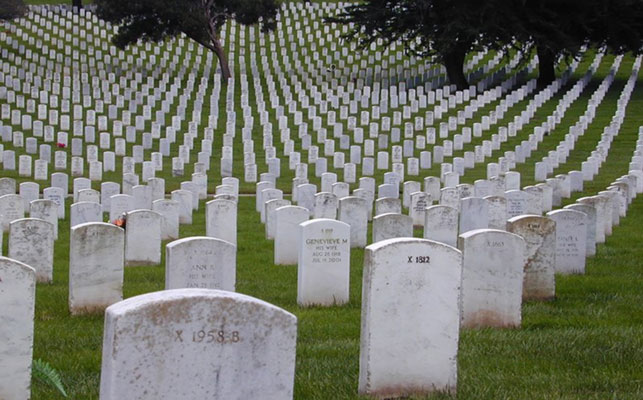
The U.S. death toll, already the world’s highest by a wide margin, is now about 20,000 shy of 400,000 — only a month after the country crossed the 300,000 threshold, a figure greater than the number of Americans who died fighting in World War II.
But much of the nation’s attention is focused on the fallout from the Capitol siege, prompted in part by President Trump’s efforts to prevent Congress from certifying Joseph R. Biden Jr.’s victory in the November election.
On Wednesday, the House will vote to formally charge Mr. Trump with inciting violence against the country. House lawmakers have formally notified Vice President Mike Pence that they will impeach the president if Mr. Pence and the cabinet do not remove Mr. Trump from power by invoking the 25th Amendment.
As people in the country wait to see how Mr. Trump’s tenure will end, they have also focused on the stories of the five people who were left dead after last week’s rampage — in particular, the death of Brian D. Sicknick, a Capitol Police officer who was overpowered by the mob and struck on the head with a fire extinguisher.
“Brian is a hero,” his brother Ken Sicknick said. “That is what we would like people to remember.”
Each coronavirus death is no less painful to the families and friends who have lost loved ones. Among the latest victims are a revered basketball coach, a travel writer who loved country winters and an architect who had survived the Holocaust.
“This next phase reflects the urgency of the situation we face,” he said. “Every vaccine dose that is sitting in a warehouse rather than going into an arm could mean one more life lost or one more hospital bed occupied.”
We know that the vaccines now available across the world will protect their recipients from getting sick with Covid-19. But while each vaccine authorized for public use can prevent well over 50% of cases (in Pfizer-BioNTech and Moderna‘s case, more than 90%), what we don’t know is whether they’ll also curb transmission of the SARS-CoV-2 virus.
That question is answerable, though—and understanding vaccines’ effect on transmission will help determine when things can go back to whatever our new normal looks like.
The reason we don’t know if the vaccine can prevent transmission is twofold. One reason is practical. The first order of business for vaccines is preventing exposed individuals from getting sick, so that’s what the clinical trials for Covid-19 shots were designed to determine. We simply don’t have public health data to answer the question of transmission yet.
The second reason is immunological. From a scientific perspective, there are a lot of complex questions about how the vaccine generates antibodies in the body that haven’t yet been studied. Scientists are still eager to explore these immunological rabbit holes, but it could take years to reach the bottom of them.
Acting the part
Vaccines work by tricking the immune system into making antibodies before an infection comes along. Antibodies can then attack the actual virus when it enters our systems before they have a chance to replicate enough to launch a full-blown infection. But while vaccines could win an Oscar for their infectious acting job, they can’t get the body to produce antibodies exactly the same way as the real deal.
From what we know so far, Covid-19 vaccines cause the body to produce a class of antibodies called immunoglobulin G, or IgG antibodies, explains Matthew Woodruff, an immunologist at Emory University. IgG antibodies are thugs: They react swiftly to all kinds of foreign entities. They make up the majority of our antibodies, and are confined to the parts of our body that don’t have contact with the outside world, like our muscles and blood.
But to prevent Covid-19 transmission, another type of antibodies could be the more important player. The immune system that patrols your outward-facing mucosal surfaces—spaces like the nose, the throat, the lungs, and digestive tract—relies on immunoglobulin A, or IgA antibodies. And we don’t yet know how well existing vaccines incite IgA antibodies.
“Mucosal immunology is ridiculously complicated,” says Woodruff. “Rather than thinking of immune system as a way to fight off bad actors, it’s really a way for your internal environment to maintain some sort of homeostatic existence with a really dynamic outside world,” as you breathe, eat, drink, and touch your face.
People who get sick and recover from Covid-19 produce a ton of these more-specialized IgA antibodies. Because IgA antibodies occupy the same respiratory tract surfaces involved in transmitting SARS-CoV-2, we could reasonably expect that people who recover from Covid-19 aren’t spreading the virus any more. (Granted, this may also depend on how much of the virus that person was exposed to.)
But we don’t know if people who have IgG antibodies from the vaccine are stopping the virus in our respiratory tracts in the same way. And even if we did, scientists still don’t know how much of the SARS-CoV-2 virus it takes to cause a new infection. So even if we understood how well a vaccine worked to prevent a virus from replicating along the upper respiratory tract, it’d be extremely difficult to tell if that would mean a person couldn’t transmit the disease.
Making it real
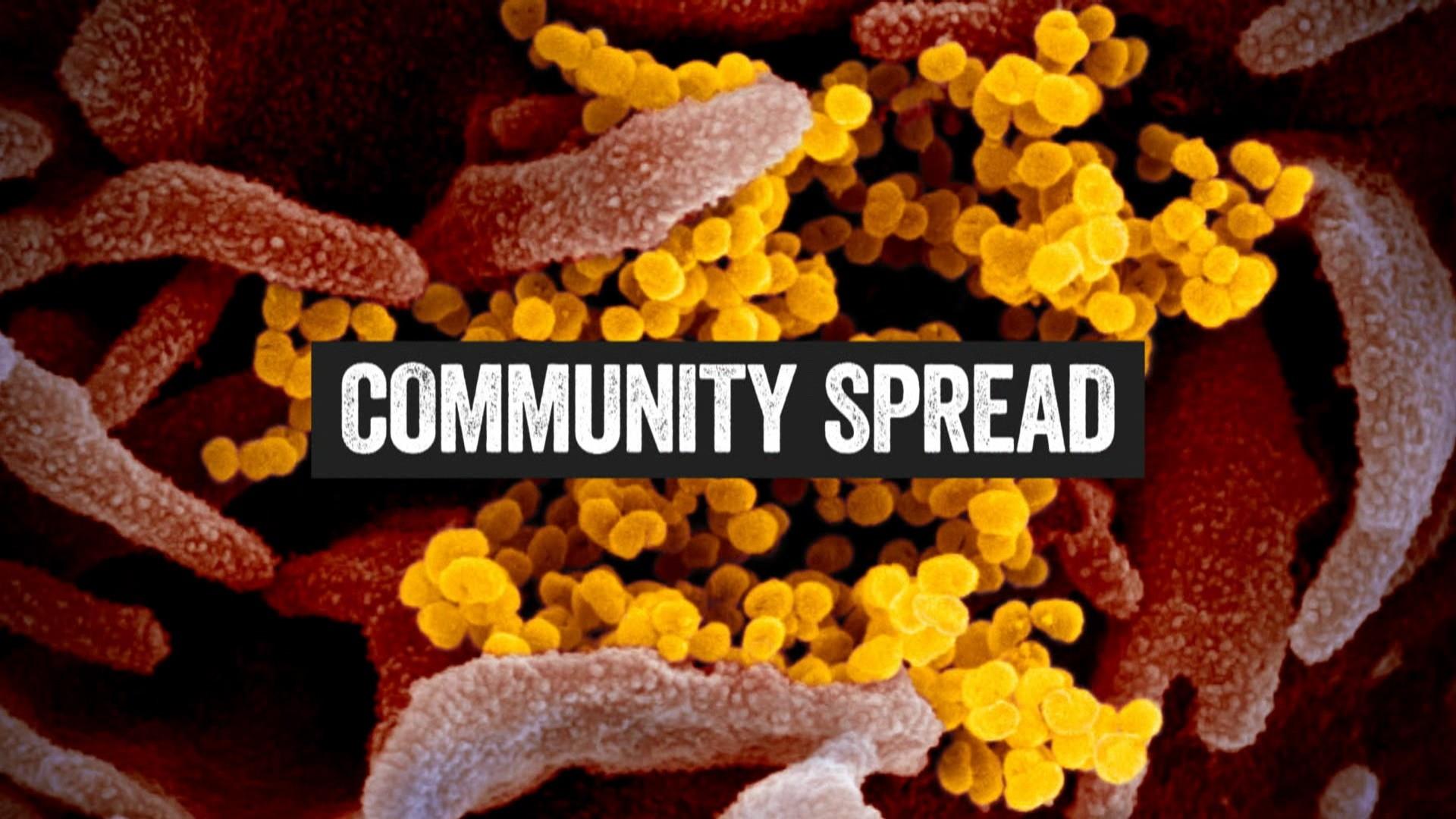
Because of all that complication, it’s unlikely that immunological research alone will reveal how well vaccines can prevent Covid-19 transmission—at least, not for years. But there’s another way to tell if a vaccine can stop a person from transmitting a virus to others: community spread.
As more and more people get both doses of a Covid-19 vaccine (and wait a full two weeks after their second dose for maximum immunity to kick in), public health officials can see how fast case counts fall. It may not be a perfect indicator of whether we’re stopping the virus in its tracks—there are many other variables that can slow transmission, including lockdown measures—but for practical purposes, it’ll be good enough to help make public health decisions.
Plus, even though the data we have from clinical trials isn’t perfect, it’s a pretty good indicator that the vaccine at least stops some viral replication. “I can’t imagine how the vaccine would prevent symptomatic infection at the efficacies that [companies] reported and have no impact on transmission,” Woodruff says.
Each of the vaccines granted emergency use in western countries—Moderna, Pfizer-BioNTech, and AstraZeneca—have all shown high efficacy in phase 3 clinical trials. (The Sinopharm and Sinovac vaccines from China and the Bharat Biotech vaccine in India have also been shown to be effective at preventing Covid-19, but aren’t widely approved for use yet.)
Frustratingly, it’s just going to take more time to see if people who got the vaccine are involved in future transmission events. That’s why it’s vital that even after receiving both doses of the Covid-19 vaccine, all individuals wear masks, practice physical distancing, and wash their hands when around those who haven’t been vaccinated—just in case.
In the first week of 2021, roughly two people died from Covid-19 in the U.S. every minute, amid a struggling national vaccination effort, soaring coronavirus cases and the deadliest day of the pandemic yet.
KEY FACTS
According to data from the Covid Tracking Project, 19,418 people died from the disease in the first seven days of 2021.
The U.S. is the country hardest hit by the novel coronavirus — more than 4,000 people died on Thursday, the deadliest day yet of the pandemic, and over 355,000 people have died from the disease since the pandemic began.
Experts warn that things are likely to get worse before they get better as hospitals across the country are stretched to breaking point — hospitals in LA are reportedly rationing oxygen and many are running out of beds.
More than 132,000 Americans are currently admitted in hospitals for Covid-19-related care.
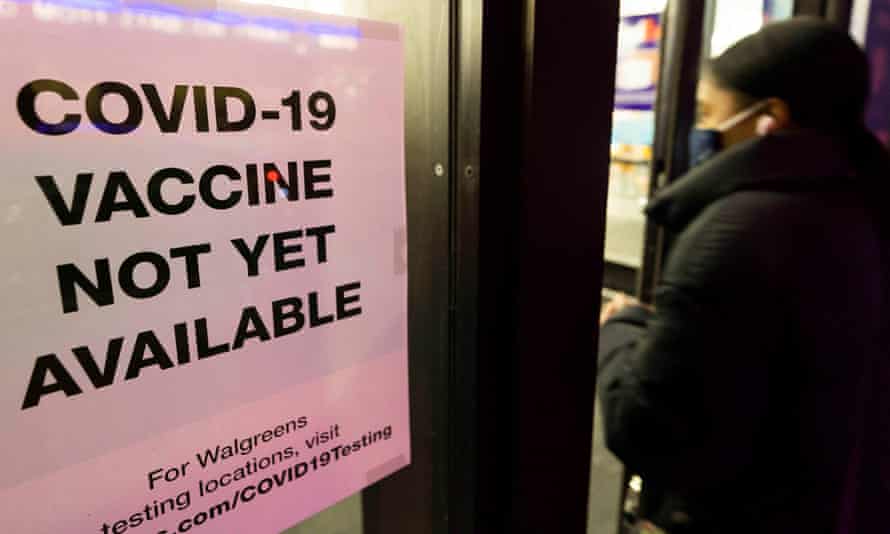
Widespread vaccination, which could help turn the tide against the virus, has failed to gain momentum and the U.S. is way behind its inoculation targets.
The Centers for Disease Control and Prevention says that only 28% of the more than 21 million vaccines it has distributed have been used — many are reportedly languishing in storage.
WHAT TO WATCH FOR
President-elect Joe Biden has said he will release all available Covid-19 vaccine doses for immediate use upon taking office, ending Trump’s strategy of saving doses to ensure people have access to a recommended second shot. Some countries, such as the U.K., have decided to space out doses beyond what manufacturers recommend in a bid to provide as many people as possible with some degree of immunity. Experts are torn on the strategy. The U.S. Food and Drug Administration recommends the vaccines are distributed as intended, with a second shot after a 21 or 28 day gap. The British medical regulator, and more recently the World Health Organization, say the second shot can be delayed, although they do not agree on how long this should be.
CRUCIAL QUOTE
Biden warned that the U.S. is falling “far behind” what is needed to control the pandemic. Trump’s approach would take “years,” he said.
WHAT WE DON’T KNOW
A highly infectious variant of coronavirus, first discovered in the U.K., could be circulating in the U.S.. At least 52 cases have been reported so far. Fortunately, scientists do not believe the variant is able to evade the recently-developed vaccines.
The United States on Friday surpassed 300,000 daily coronavirus cases, the second alarming record this week. The number, which roughly equates to the population of St. Louis, Pittsburgh or Cincinnati, comes about two months after the country reported 100,000 coronavirus cases a day for the first time, and one day after more than 4,000 people died from the virus, also a record.
The United States has reported 21.8 million infections and 367,458 deaths.
Wednesday’s storming of the U.S. Capitol did not just overshadow one of the deadliest days of the coronavirus pandemic — it could have contributed to the crisis as a textbook potential superspreader, health experts warn.
Thousands of Trump supporters dismissive of the virus’s threat packed together with few face coverings — shouting, jostling and forcing their way indoors to halt certification of the election results, many converging from out of town at the president’s urging. Police rushed members of Congress to crowded quarters where legislators say some of their colleagues refused to wear masks as well.
“This was in so many ways an extraordinarily dangerous event yesterday, not only from the security aspects but from the public health aspects, and there will be a fair amount of disease that comes from it,” said Eric Toner, senior scholar at the John Hopkins Center for Health Security.
Experts said that resulting infections will be near-impossible to track, with massive crowds fanning out around the country and few rioters detained and identified. They also wondered if even a significant number of cases would register in a nation overwhelmed by the coronavirus. As Americans shared their shock and anger at the Capitol breach Thursday, the United States reported more than 132,000 people hospitalized with the virus, and more than 4,000 deaths from covid-19, the disease caused by the coronavirus — making it the highest single-day tally yet.
“It is a very real possibility that this will lead to a major outbreak but one that we may or may not be able to recognize,” Toner said. “All the cases to likely derive from this event will likely be lost in the huge number of cases we have in the country right now.”
Trump devotees who flocked to the capital this week said they were unconcerned by the virus, belittling common precautions known to slow its spread and echoing the president’s dismissive attitude toward rising case counts. Trump had encouraged them to gather in defiance of his election loss: “Big protest in D.C. on January 6th,” he tweeted last month. “Be there, will be wild!”
Mike Hebert, 73, drove two days from Kansas to participate. Marching toward the Capitol on Wednesday with an American flag, he said he did not feel the need to wear a face covering.
“I am as scared of the virus as I am of a butterfly,” said Hebert, adding that he is a veteran who was shot twice in Vietnam.
Sisters Courtney and Haley Stone left New York at 11 p.m. to make it to the Capitol by morning so they could quietly counterprotest, draped in Biden gear. “Do you want a mask? I have one,” Haley, 22, asked a Trump supporter, only to be rebuffed.
“Oh, you believe in the mask hoax?” the woman replied.
Health experts predicted Wednesday’s events will contribute to an ongoing case surge in the greater Washington region. The average number of daily new infections in Virginia, Maryland and the District of Columbia reached a record high Thursday, and current covid-19 hospitalizations in the District have risen 19 percent in the past week.
They also noted differences with other large gatherings such as Black Lives Matter protests. Fewer people wore masks during the Capitol protests and riot, they said, and crowds were indoors.
“If you wanted to organize an event to maximize the spread of covid it would be difficult to find one better than the one we witnessed yesterday,” said Jonathan Fielding, a professor at the schools of Public Health and Medicine at UCLA.
“You have the drivers of spreading at a time when we are bearing the heaviest burden of this terrible virus and terrible pandemic,” he said.
Calling in to CBS News Wednesday, Rep. Susan Wild (D-Pa.) described her evacuation to a “crowded” undisclosed location with 300 to 400 other people.
“It’s what I would call a covid superspreader event,” she said. “About half the people in the room are not wearing masks, even though they’ve been offered surgical masks. They’ve refused to wear them.”
She did not identify the lawmakers forgoing face coverings beyond saying they were Republicans, including some freshmen. The Committee on House Administration says it is a “critical necessity” to mask up while indoors at the Capitol, and D.C. has a strict mask mandate.
“It’s certainly exactly the kind of situation that we’ve been told by the medical doctors not to be in,” Wild said.
“We weren’t even allowed to get together with our families for Thanksgiving and Christmas,” she said, “and now we’re in a room with people who are flaunting the rules.”
At least one member of Congress has tested positive since the mob spurred an hours-long lockdown. Newly elected Rep. Jacob LaTurner (R-Kan.) tested positive for the coronavirus late Wednesday evening, according to a statement posted on his Twitter account. It said he is not experiencing symptoms.
“LaTurner is following the advice of the House physician and CDC guidelines and, therefore, does not plan to return to the House floor for votes until he is cleared to do so,” the statement said.
Luke Letlow, a 41-year-old congressman-elect from Louisiana, died of covid-19 last month.
Any infections among members of Congress and their staff will be far easier to contact-trace than those among rioters, said Angela Rasmussen, an affiliate at the Center for Global Health Science and Security at Georgetown University.
“It certainly would have been easier if they were detained by Capitol police and identified, but testing suspects may be something to consider as law enforcement begins to identify them,” Rasmussen said in an email.
She noted that some may try to evade identification and criminal charges, and said she is deeply concerned for the households and communities they might expose.
“I think really rigorous contact tracing of people who are not identified as being present on Capitol grounds will not be possible,” she said.
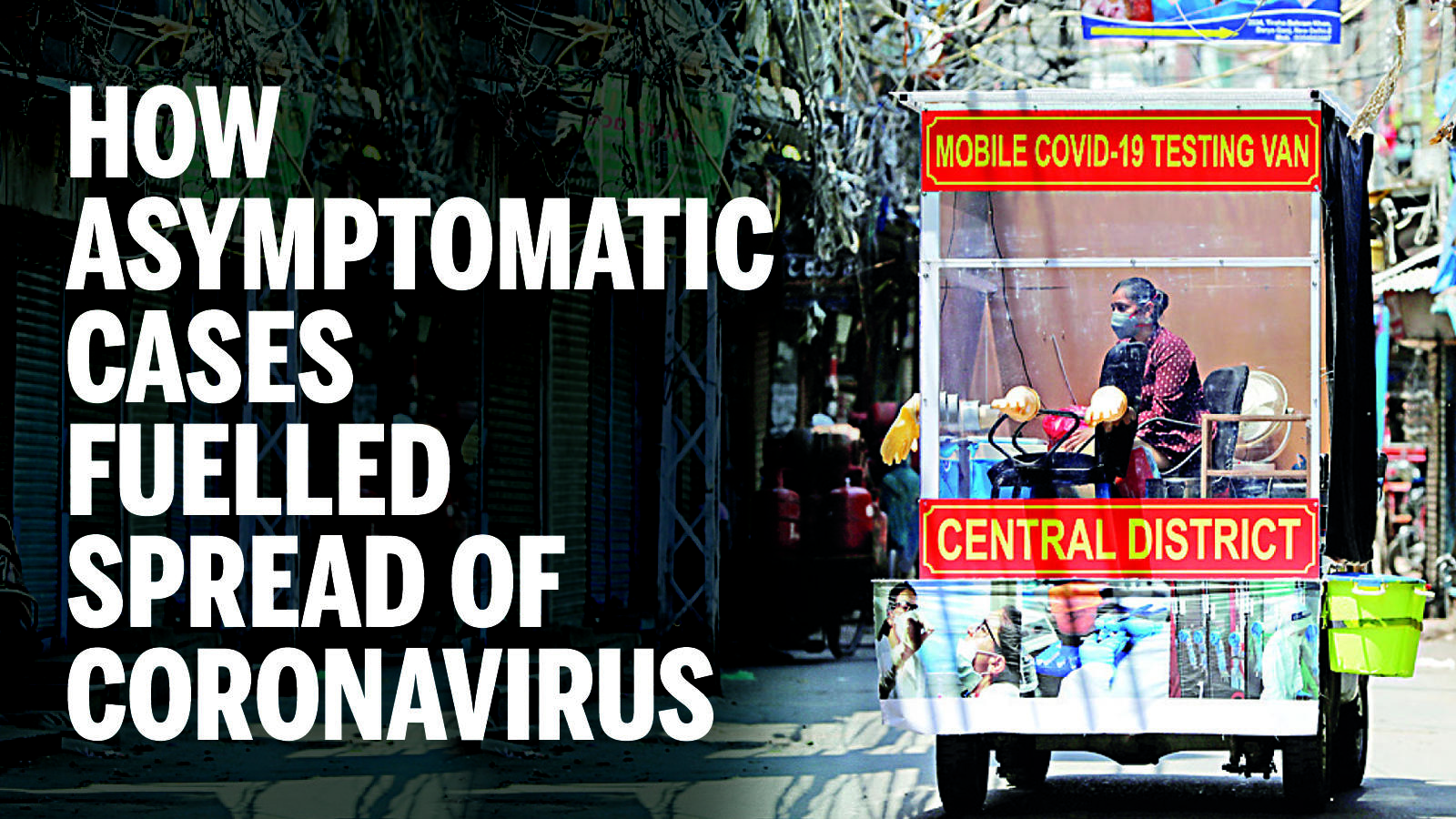
People with COVID-19 who don’t exhibit symptoms may transmit 59 percent of all virus cases, according to a model developed by CDC researchers and published Jan. 7 in JAMA Network Open.
Since many factors influence COVID-19 spread, researchers developed a mathematical approach to assess several scenarios, varying the infectious period and proportion of transmission for those who never display symptoms according to published best estimates.
In the baseline model, 59 percent of all transmission came from asymptomatic transmission. That includes 35 percent of new cases from people who infect others before they show symptoms and 24 percent from people who never develop symptoms at all. Under a broad range of values for each of these assumptions, at least 50 percent of new COVID-19 infections were estimated to have originated from exposure to asymptomatic individuals.
The more contagious variant first identified in the U.K. and since found in six states underscores the importance of the model findings, said Jay Butler, MD, CDC deputy director for infectious diseases and a co-author of the study.
“Controlling the COVID-19 pandemic really is going to require controlling the silent pandemic of transmission from persons without symptoms,” Dr. Butler told The Washington Post. “The community mitigation tools that we have need to be utilized broadly to be able to slow the spread of SARS-CoV-2 from all infected persons, at least until we have those vaccines widely available.”
Whether vaccines stop transmission is still uncertain and was not a scenario addressed in the model.





 HENRY KOTULA