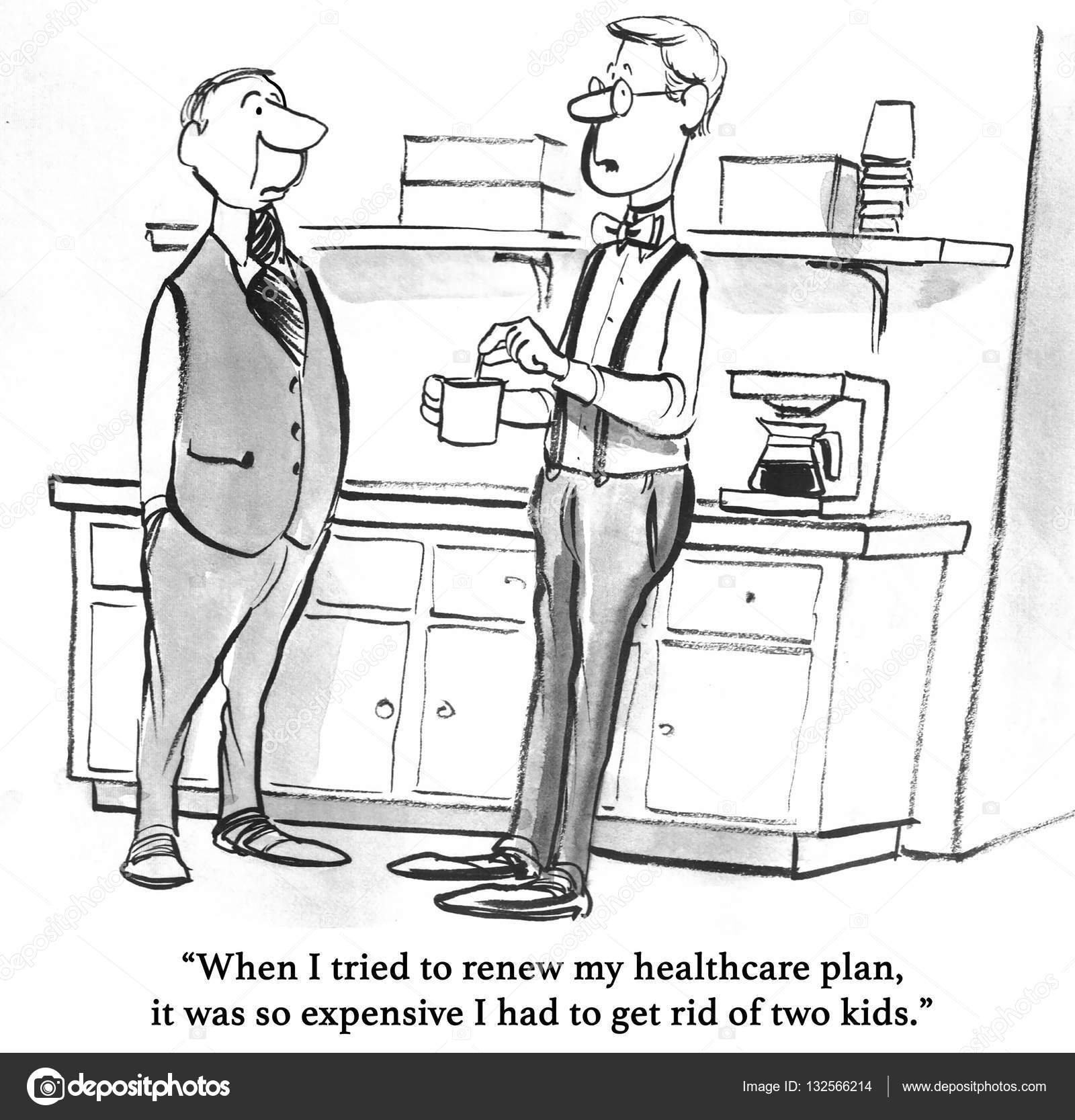
America’s health care system is neither healthy, caring, nor a system.
– Walter Cronkite
Healthcare policy in America is too short-sighted and vulnerable to party-politics. We need a system that’s built to last.
As open enrollment through the ACA marketplace begins November 1, millions of Americans will soon discover their health insurance rates going up in 2026 as the direct result of ACA tax subsidies expiring because party politicians in charge of the Senate refuse to budge. If you know how much your rates will be increasing in 2026, please share so I can see the impact that this inaction will have on regular folks.
Career politicians like my opponent Mike Rounds aren’t willing to stray from the party line to make sure Americans and their families get affordable healthcare, and in the process they are causing innumerable harm to not just those Americans on ACA, but also all the furloughed federal employees and families on SNAP. Something needs to change.
As an Independent candidate who supports pragmatic solutions, I will not claim my proposals are the best or only choices, but I will claim just about anything will be overall less expensive and more effective than the status quo. The bottom line is that our dysfunctional politics have us fighting over half-measure solutions to today’s problems instead of complete solutions to tomorrow’s.
Overhauling American healthcare is a complex challenge, but that cannot let it deter us. Americans deserve access to affordable, quality care. According to a KFF analysis, healthcare accounted for 27% of federal spending in fiscal year 2024. The U.S. spends far more per person on healthcare than any of the other 37 members of the Organization for Economic Co-operation and Development (OECD). Despite spending nearly twice as much per person as similar wealthy countries, we still rank poorly on key health outcomes.
America does, however, hold a commanding lead in medical debt, accounting for between 50% and 66% of annual personal bankruptcies. Other wealthy countries clearly understand better how to set up a healthcare system that is both less expensive and produces the same or better outcomes.
Considering the immense costs and mediocre outcomes, I am reminded of the famous observation from Dr. Amos Wilson: “If you want to understand any problem in America, you need to look at who profits from that problem, not at who suffers from that problem.” Having done so, I support an incremental reinvention of the American healthcare system that doesn’t just solve immediate problems such as premium hikes, expiring ACA subsidies, or Medicare cuts, but also secures a stable and healthy future for the American people.
My plan for America’s healthcare system has three basic steps, ensuring folks can get the care they need, now and in the future.
Stage 1: Fixing the Supply Side: Regulate Healthcare Companies, Lower Drug Prices, & Encourage Preventive Care
The healthcare industry (from insurers to providers) is a functional monopoly, especially at the local/regional level, similar to electric, gas, and telecommunications companies. It deserves to be treated the same way. Drawing from how the South Dakota Public Utilities Commission (and similar entities in other states) regulate utility companies to ensure that they provide “reliable service” and “reasonable rates,” creating a regulatory framework for healthcare companies (including insurers) is a good first step in adapting our current system into one that considers the needs of regular folks. Providers shouldn’t have to butt heads with insurers to provide the services that patients need, so creating a more transparent and regulated system would benefit every level of the process.
Pharmaceutical companies have the highest profit margins in the healthcare industry. According to a RAND report, Americans pay 278% higher prescription drug prices than similar countries where the government negotiates drug pricing. The common-sense solution is for the federal government to negotiate pricing for all drugs. Doing so will yield much greater savings for both the government and consumers.
To offset reduced pharmaceutical company profits and also help more consumers, the U.S. should negotiate a treaty with the European Union and other G7 countries to establish a pharmaceutical common market based on uniform drug development/approval standards enabling the elimination of trade barriers for drugs.
RFK Jr.’s “Make America Healthy Again” (MAHA) agenda includes multiple nonsensical proposals that are likely to do the opposite, but there are a handful of beneficial ideas. A MAHA focus on preventive care that strengthens primary care, expands access to screenings, and incentivizes healthy lifestyles will lower long-term healthcare spending the same way that keeping up routine maintenance on your car prevents big repair bills in the future.
Investing in community health centers, mobile clinics, and telehealth services will make preventive care more accessible, particularly in underserved rural and urban areas. Similarly, reducing reliance on highly processed foods and ensuring government nutrition assistance programs incentivize and enable healthy foods would also pay dividends.
Many states approve the rates that insurers charge consumers, but these rates increase as the base cost of providing healthcare services increases. Holding healthcare companies, providers and insurers alike, to uniform standards and making information transparently available for comparison will remove the various pressures driving up the cost of care, keeping rates down for consumers.
Stage 2: Fixing the Demand Side: Create a Public Option, Streamline Administration, Increase Residency Slots
Profits are up 230% for the top 5 health insurance companies since the Affordable Care Act (ACA) was adopted, while family premiums have also skyrocketed. While I think it was a step in the right direction to provide folks with healthcare, it isn’t a viable permanent solution. Creating a broadly available public option would enable Americans to buy into a health insurance plan administered by the government.
A public option like this wouldn’t have a profit motive, so it would be able to offer lower-cost plans, creating a baseline for other companies to compete with. Increased competition would drive down premiums and improve quality of service across the market, even amongst private for-profit insurers.
Technology can also help lower costs by reducing the complicated bureaucracy healthcare administrators must navigate. Healthcare providers currently spend enormous time and money dealing with insurance paperwork, eligibility verification, and billing disputes. Universally interoperable electronic health records (EHRs) and streamlined billing systems would significantly reduce costs. Uniform standards for these processes and better technology infrastructure would free up providers’ time to focus more on patient care.
By 2036, the U.S. is projected to need 86,000 more physicians than it will have. The primary cause of the growing shortage is a 1997 law freezing federal support for Medicare-funded residency positions. Limiting the number of doctors in training also fosters misallocation of training slots across the country, creating a mismatch between where they train and where they are needed most. Correcting this self-inflicted shortage is essential to maximizing access.
On the subject of innovative approaches to providing healthcare, fee-for-service payment models reward volume over value, encouraging unnecessary tests and procedures. Transitioning to value-based care, where providers are paid based on patient outcomes, can lead to better health outcomes at a lower cost. Accountable Care Organizations (ACOs), bundled payments, and capitation models (in which providers receive a fixed fee per patient for a specific time period regardless of services delivered) have shown promise in reducing spending while maintaining or improving quality.
Stage 3: Use The Foundation To Build a Better System
While I believe that our leaders today should be looking towards the future with long-lasting solutions rather than scrambling for band-aid policies, I also know that we shouldn’t put the cart before the horse. I believe that Stages 1 and 2 lay the foundation for a healthier America and a more streamlined healthcare system. Stage 3 of my plan is geared towards keeping our options open for the future of American healthcare.
All OECD countries with lower per-person healthcare spending provide universal or near-universal coverage to their citizens. Various universal healthcare systems seem to be an effective way to improve access and reduce systemic costs. In particular, I think that looking to our allies such as Canada (with a single-payer system) and Germany (with a multi-payer system) would be a good place to start. In both systems, the government negotiates prices directly with providers and pharmaceutical companies, leading to significant cost savings for consumers.
Conclusion
In summary, the American healthcare system doesn’t suffer from a lack of resources but rather anti-competitive profit-seeking, inefficiency, and a lack of imagination. Creative solutions lie in addressing the supply and demand side of the healthcare industry, continuously blending technological innovation, community-based delivery, and incentivizing healthier living.
No single policy will fix the U.S. healthcare system overnight, but a combination of reforms can dramatically improve access and lower costs. Providing a public option is a foundational step that keeps options open for other innovations. In tandem, reforms such as drug price negotiation, investment in preventive care, value-based payments, and administrative simplification can deliver a more efficient and equitable healthcare system. Political will and public support are crucial, but the long-term benefits for individuals, businesses, and the broader economy make these changes not only possible but necessary.
The path forward is not and cannot be a purely partisan choice of public versus private. It must be guided solely by a simple question: What is most effective at making healthcare cheaper, faster, and more accessible for everyone? At this point, I believe a robust public option is essential, but I remain unsure whether a single-payer or a refined version of a multi-payer universal system is warranted. I’m keeping an open mind.
I am sure that Washington politicians shouldn’t be screwing over regular Americans by making their healthcare inaccessible or more expensive. As South Dakota’s Independent senator, I would be empowered to break through party-first politics to make sure people always come first.
The American healthcare is complicated, so this article leans on the longer side to try and do it justice. Thank you for reading.