Relevance is King, and “The Top of the Funnel” is Most Relevant to The Most People

http://thinkrevivehealth.com/2017/09/relevance-is-king-and-the-top-of-the-funnel-is-most-relevant-to-the-most-people/


CVS’ recent announcement that the company is expanding its reach in chronic care management is the latest sign that the market has never been more competitive or complicated. (Are you asking yourself, “which market?”) CVS isn’t just protecting its PBM business and driving sales for its retail business. The company has plans to provide one-on-one support and coaching — in a store, via phone, or video — to people who have diabetes, asthma, hypertension, hypercholesterolemia, or high cholesterol, and depression.

This, of course, follows in the footsteps of other companies encroaching on traditional provider-territory, like Optum. OptumCare, the care delivery arm of the company, has 22,000 physicians in 30 markets and 200 surgery centers in 33 states. The combination of the two presents a formidable continuum that could provide consumers with most of the outpatient services they’ll ever need. In other words, the health system brand defined by superior service lines will continue to be less and less relevant as the “top of the funnel” becomes more competitive and more important.

Despite the fierce competition, many health systems continue to focus a large majority of marketing dollars on down-funnel service line care, such as chronic disease treatments and surgeries. There’s logic to that strategy: market and differentiate the services that are most profitable and keep you in business. The problem is that logic doesn’t work in a digital age when consumers have more choices and less patience. Their healthcare mindshare is occupied by a host of companies — like CVS Health and OptumCare — that are more relevant to their daily life than heart surgery or cancer care.

HEALTH SYSTEMS MUST ESTABLISH (AND MAINTAIN) CONTROL OVER THE TOP OF THE FUNNEL

Therein lies the problem for health systems. When Joe Public interacts with your brand, relevance is king. And as we all know, specialty care isn’t relevant to the vast majority of people most of the time. When the competitive field wasn’t as crowded and consumers weren’t showered with more than 5,000 ads every day, it was easier to make an impression that might not be relevant in the moment but could be recalled later when it mattered. That day has passed. The emphasis must shift from awareness and impressions to real engagement.

Health systems — just like any other brands — must be relevant and provide value as often as possible to stay engaged with consumers. Think about your continuum of services as a funnel (Figure 1). Primary care, urgent care, ER, and health & wellness programs sit at the top as these are the services most often used, and represent the most common entry point into your system.

They are also more subject to cost and convenience scrutiny. To maximize the path to specialty and surgical care in the middle of the funnel, health systems can’t just rely on people who go through the side of the funnel – those who did their research to determine which hospital had the best cardiovascular outcomes in the region. For most health systems, the vast majority of their down-funnel, inpatient service line volume — more than 75% — comes from prior top of the funnel activity, not from out of the blue. Health systems need to get as many people in the top of the funnel to build brand, build engagement, and feed all service lines.

Why? Because this is the best way to engage consumers and build brand loyalty. Brand loyalty develops as consumers repeatedly engage with a service over time, and they become repeat customers if they are satisfied. A good experience at the top of the funnel can lead to more profitable business in the middle of the funnel. In fact, our research and work with hundreds of health systems across the country reveals that most people who receive specialty care at a health system had at least one prior experience. And where does most engagement with the healthcare system occur? At the top of the funnel.

Back to CVS. Health systems run the risk of being expensive specialty factories if they cede control of the top of the funnel to competitors — especially competitors who are not other hospitals. The strongest relevance is at the top of the funnel, which is where prescriptions and chronic care management live along with a host of other more frequently used services. CVS Health, Optum, Walgreens, Amazon, and even Google present formidable, well-resourced companies vying for the top of the funnel in some capacity.

What’s your strategy?

After Rallies and a Resolution, These Patients Will Stay in San Francisco

https://ww2.kqed.org/stateofhealth/2017/09/12/after-rallies-and-a-resolution-these-patients-will-stay-in-san-francisco/

Image result for After Rallies and a Resolution, These Patients Will Stay in San Francisco

After months of protests from families, city supervisors and public health officials, California Pacific Medical Center (CPMC) announced that it will continue to care for 28 patients with complex medical needs, instead of transferring them to other facilities outside the city.

In June, the patients and their families received letters from CPMC saying that the skilled nursing unit where they lived  at St. Luke’s Hospital, known as a “subacute” unit, was closing permanently. The hospital as a whole is closing because it doesn’t meet earthquake codes, but CPMC officials are replacing it with a new building on the same site in the Mission district. But they did not plan to include any subacute beds in the new hospital, nor would they create a subacute unit  in another new hospital under construction near Japantown.

But in an unexpected reversal,  CPMC CEO Dr. Warren Browner said Monday the hospital system will continue to care for the 28 patients who would have been affected. Spokesman Dean Fryer said the medical center changed course after hearing concerns about the potential impact of the transition on patients and their families. CPMC officials also changed their minds after facing challenges securing beds for patients elsewhere in the Bay Area.

Subacute nursing units treat patients with complex medical needs, such as those on ventilators, for months or even years. The patients don’t need as much care as a regular “acute” hospital patient, but do need a level of skilled nursing care that is difficult to provide at home.

The subacute unit at St. Luke’s is the last one in San Francisco based at a hospital. Regionally and nationally, hospitals have been shuttering these units. The patients demand a high level of care, but reimbursements for the treatment  — typically through Medicaid — are low compared to private insurance.

Families were concerned that the move from St. Luke’s to another facility would be difficult for patients, who are in medically fragile states, and would also impose a burden on them because of the cost and difficulty of traveling farther away for visits.

When word circulated on Monday that the patients would stay in San Francisco, family members rejoiced. Leneta Anderson’s husband has lived in St. Luke’s subacute unit for 18 months. She visits him nearly every day at dinner time.

“I could cry right now. I am just thrilled, thrilled that my husband and the other patients don’t have to leave,” Anderson said over the phone on Monday. “It’s a victory.”

The new plan is for patients to move to another CPMC facility in August 2018 —  either the new Van Ness hospital, the new Mission Bernal hospital, which will replace St. Luke’s, or CPMC Davies.

Family members, subacute nurses, and city supervisors said Tuesday that their next goal is to increase access by advocating for the creation of more skilled nursing beds in San Francisco.

Uninsured Rate In U.S. Falls To A Record Low Of 8.8%

Uninsured Rate In U.S. Falls To A Record Low Of 8.8%

Three years after the Affordable Care Act’s coverage expansion took effect, the number of Americans without health insurance fell to 28.1 million in 2016, down from 29 million in 2015, according to a federal report released Tuesday.

The latest numbers from the U.S. Census Bureau showed the nation’s uninsured rate dropped to 8.8 percent. It had been 9.1 percent in 2015.

Both the overall number of uninsured and the percentage are record lows.

The uninsured rate has fallen in all 50 states and the District of Columbia since 2013, although the rate has been lower among the 31 states that expanded Medicaid under the health law. California’s rate was 7.3 percent in 2016, less than half of its 17.2 percent rate in 2013.

“California has shown that the Affordable Care Act is working to expand health coverage and provide new patient protections,” said Anthony Wright, executive director of Health Access California, a consumer advocacy group. “While many thought our nation’s rising uninsured rate was unsolvable, the advancement in California shows that if policymakers and the public are united in trying to make reform work, we can do big things.”

The latest figures from the Census Bureau effectively close the book on President Barack Obama’s record on lowering the number of uninsured. He made that a linchpin of his 2008 campaign, and his administration’s effort to overhaul the nation’s health system through the ACA focused on expanding coverage.

When Obama took office in 2009, during the worst economic recession since the Great Depression, more than 50 million Americans were uninsured, or nearly 17 percent of the population.

The number of uninsured has fallen from 42 million in 2013 — before the ACA in 2014 allowed states to expand Medicaid, the federal-state program that provides coverage to low-income people, and provided federal subsidies to help lower- and middle-income Americans buy coverage on the insurance marketplaces. The decline also reflected the improving economy, which has put more Americans in jobs that offer health coverage.

The dramatic drop in the uninsured over the past few years played a major role in the congressional debate over the summer about whether to replace the 2010 health law. Advocates pleaded with the Republican-controlled Congress not to take steps to reverse the gains in coverage.

The Census numbers are considered the gold standard for tracking who has insurance because the survey samples are so large.

Among the states, the lowest uninsured rate last year was 2.5 percent in Massachusetts and the highest was 16.6 percent in Texas, the Census Bureau said. States that expanded Medicaid had an average uninsured rate of 6.5 percent compared with an 11.7 percent average among states that did not expand, the Census Bureau reported.

More than half of Americans — 55.7 percent — get health insurance through their jobs. But government coverage is becoming more common. Medicaid now covers more than 19 percent of the population and Medicare nearly 17 percent.

Home Visiting Programs Are Vital for Maternal and Infant Health

https://www.americanprogress.org/issues/early-childhood/reports/2017/09/12/438414/home-visiting-programs-vital-maternal-infant-health/

A woman shows the footprints of her daughter, reaching into photo,  in Texas, September 2015.

When 19-year-old Rosa went into labor three months early, she had to be taken 60 miles to the nearest hospital, according to a 2013 video interview with the organization Save the Children. Her baby, Sirena, was born premature and needed immediate and constant medical attention. Days after giving birth, Rosa was discharged to the home she shared with seven other family members in her small, economically challenged California community. Sirena stayed in the hospital’s intensive care unit to continue receiving treatment, miles away from her mother.

Even in the best circumstances, parents’ joy at greeting a new baby is tempered by stress and worry during a child’s first months. But mothers like Rosa face many additional stressors, including preterm birth, inadequate housing, economic uncertainty, and being young themselves. Fortunately, Rosa did not have to navigate these challenges alone. Diana, a dedicated home visitor—someone specially trained to provide support to new or expectant parents—immediately arranged Rosa’s transportation to and from the hospital to visit Sirena. This helped Rosa and her daughter bond during a crucial period and soothed Rosa’s heartache over their separation. Once Sirena was healthy enough to go home with her mother, Diana continued to visit them regularly, bringing books and educational tools to help Rosa support her baby’s development.1

Home visitors like Diana are support professionals, such as nurses or social workers, who are well-versed in child development, parenting, and family functioning. Local agencies—such as tribal organizations and departments of health, human services, or education—match home visitors with new or expectant parents interested in receiving services.2Home visiting is a voluntary, home-based service-delivery strategy that provides services to parents and children that help the whole family.3 Parents often learn about home visiting through their children’s pediatricians, social workers, and other support professionals. Although home visiting can benefit any family, it can be especially helpful for families who need additional support during stressful periods of economic insecurity or health concerns. Decades of research prove that home visiting can promote healthy child development and academic success, improve health outcomes, and support families’ economic security in both the short and long terms.4

This issue brief explores how home visiting programs—specifically, evidence-based programs funded by the Maternal, Infant, and Early Childhood Home Visiting (MIECHV) program—address three key maternal risk factors that directly influence maternal and child health and disproportionately affect mothers who participate in home visiting: postpartum depression, domestic violence, and tobacco use. Each of these risk factors negatively affects a mother’s physical and emotional health, which in turn can produce worse outcomes for children, including low birth weight, prematurity, and even death. Although families face many more challenges, these health indicators highlight the diverse ways home visiting can benefit mothers and children. The brief also demonstrates how home visiting programs contribute to women’s economic security and, therefore, to the economy as a whole. Finally, it examines continued challenges to funding these programs, as well as potential solutions.

Click to access MaternalHealth-brief.pdf


Despite strong patient interest, only 8% are offered no- or low-interest loans

http://www.beckershospitalreview.com/finance/despite-strong-patient-interest-only-8-are-offered-no-or-low-interest-loans.html

Image result for cash transfusion

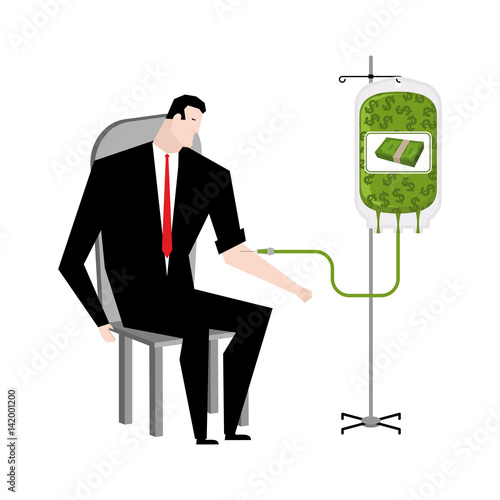
A majority of healthcare providers fail to discuss pricing and payment options prior to providing care, despite patient demands, according to the HealthFirst Financial Patient Survey.

The survey, conducted by ORC International, took place Aug. 7-9 among 1,011 adults.

Here are seven findings from the survey.

1. The survey found 77 percent of respondents believe it’s “important” or “very important” they know healthcare costs prior to care, and more than half of respondents (53 percent) want to discuss financing options prior to treatment.

2. Additionally, a majority of respondents (63 percent) indicated it was “important” or “very important” for providers to publish prices of common procedures.

3. But only 18 percent of respondents said any of their healthcare providers had discussed patient financing options with them at all in the past two years.

4. More than half of respondents (57 percent) reported it’s “important” or “very important” their healthcare provider offer no-interest payment extension options. But only 8 percent of respondents received zero- or low-interest financing from a healthcare provider, according to the survey.

5. Respondents also indicated availability of payment programs affect their choice in provider. The survey found 40 percent of millennials, ages 18 to 36, would be “very likely” or “likely” to change providers if another provider offered low- or zero- interest financing for medical payments, and 29 percent of respondents overall indicated they would change to a provider with attractive payment programs.

6. Patients seek these discussions and options as they are concerned about medical costs. The survey found 42 percent of respondents are “very concerned” or “concerned” about being able to cover out-of-pocket medical bills in the next two years. More than half of respondents (54 percent) with annual income of less than $35,000 said the same.

7. HealthFirst Financial said 53 percent of respondents indicated they are worried about being able to pay a medical bill of less than $1,000. For a bill of that amount, the survey also found 52 percent of respondents would initially have interest in a multiyear, no-interest financing option from their healthcare provider.

Access the full survey here.

Moody’s downgrades UPMC to ‘A1’

http://www.beckershospitalreview.com/finance/moody-s-downgrades-upmc-to-a1.html

Image result for university of pittsburgh medical center


Moody’s Investors Service downgraded Pittsburgh-based UPMC from “Aa3” to “A1,” affecting $2.9 billion of debt.

In addition, Moody’s downgraded UPMC-Hamot’s bonds, which are parity obligations for UMPC, from “Aa3” to “A1.”

The downgrade is a result of several factors including UPMC’s rapid expansion project, high execution risk following the acquisition of Harrisburg, Pa.-based PinnacleHealth and a new service area with high competition. Moody’s also acknowledged UPMC’s increased debt burden, below average financial performance and suppressed margins. Offsetting an additional notch downgrade is UPMC’s strong market position, integration of various hospital acquisitions and core competency in acute care management.

The outlook is negative, reflecting Moody’s expectation that UPMC’s rapid expansion may pose financial and cultural stress.

Banner Health secures $550M bond to finance construction of two hospitals

http://www.beckershospitalreview.com/facilities-management/banner-health-secures-550m-bond-to-finance-construction-of-two-hospitals.html

Image result for hospital construction

Phoenix-based Banner Health secured a $550 million revenue bond issue to finance the construction of two new teaching hospitals in Tucson, Ariz., and Phoenix, according to Az Central.  

The bonds will be used to help finance $325 million of a new 16-story patient tower currently under construction at Banner University Medical Center in Phoenix, and another $225 million will finance the construction of a nine-story tower at Banner University Medical Center in Tucson.

When the construction is completed in Phoenix, the tower will house 256 inpatient beds, an emergency department, trauma center, operating rooms and lab space. The 16-story tower is expected to be completed by October 2018.

The new hospital tower in Tucson will replace the current hospital, include 200 patient rooms and provide new laboratories, operating rooms and diagnostic centers, according to The Daily Wildcat.

The Maricopa County Board of Supervisors approved the bond issue Sept. 6. Banner Health is obligated to pay off the bonds, under the agreement.

Supreme Court exempts church-affiliated hospitals from federal pension law: 5 things to know

http://www.beckershospitalreview.com/legal-regulatory-issues/supreme-court-exempts-church-affiliated-hospitals-from-federal-pension-law-5-things-to-know.html

Image result for supreme court erisa church plans

The U.S. Supreme Court on Monday held that church-affiliated hospitals do not have to comply with the federal Employee Retirement Income Security Act, which governs employee pensions.

Here are five things to know about the case and the high court’s ruling.

1. The Supreme Court agreed in December to take up appeals filed by religiously affiliated hospital systems that were accused of underfunding their employee pension plans.

2. In three lawsuits, which were consolidated into one case, the high court was asked to decide whether the health systems can rely on their church affiliations to avoid complying with ERISA, which requires pension plans to have adequate funding to pay their promised benefits.

3. The lower courts said each of the three hospital systems — Saint Peter’s HealthCare System in New Brunswick, N.J., Dignity Health in San Francisco and Advocate Health Care in Downers Grove, Ill. — misclassified their pensions as “church plans” exempt from ERISA.

4. In an 8-0 ruling issued Monday, the Supreme Court overturned the lower court decisions that could have cost the health systems billions of dollars combined. Supreme Court Justice Neil Gorsuch did not participate in Monday’s decision, as he joined the court after arguments were presented in the case.

5. Justice Elena Kagan, writing for the court, said ERISA’s religious exemption applies to pension plans established by churches themselves and those established by organizations affiliated with churches.

“Because Congress deemed the category of plans ‘established and maintained by a church’ to ‘include’ plans ‘maintained by’ principal-purpose organizations, those plans — and all those plans — are exempt from ERISA’s requirements,” wrote Ms. Kagan.

Ascension to pay $29.5M settlement in pension lawsuit

http://www.beckershospitalreview.com/legal-regulatory-issues/ascension-to-pay-29-5m-settlement-in-pension-lawsuit.html

Image result for pension lawsuit settlement

St. Louis-based Ascension Health ended a class-action lawsuit filed against the system and subsidiary Wheaton Franciscan Services in Glendale, Wis., alleging Wheaton erroneously treated its pension plan as a “church plan” exempt from the federal Employee Retirement Income Security Act, Bloomberg BNA reports.

Under the settlement, Ascension will pay $29.5 million in benefit payments for Wheaton’s retirement plan and up to $2.25 million in legal fees and expenses. Court papers filed Sept. 1 show the deal mandates Ascension to guarantee payment of the $29.5 million for the benefits if the plan cannot cover the costs, the report states.

Ascension and Wheaton denied the allegations in filed court papers, St. Louis Business Journal reports. The settlement requires court approval before it is finalized.

In June, the U.S. Supreme Court held church-affiliated hospitals are not required to comply with ERISA, which governs employee pensions.


Irma forces 35 hospitals across 3 states to evacuate: 9 things to know

http://www.beckershospitalreview.com/patient-flow/irma-forces-35-hospitals-across-3-states-to-evacuate-9-things-to-know.html

Image result for hurricane irma

Hurricane Irma hit southwest Florida Sunday and continued its destructive march north, forcing at least 35 hospitals across Florida, Georgia and South Carolina to evacuate patients or shut down. Downgraded to a tropical storm Monday morning, Irma still presents a major threat to many healthcare facilities.

Here are nine things to know.

1. As of Saturday afternoon, most of Florida’s hospitals remained open, the Florida Hospital Association told STAT. In advance of the hurricane, healthcare facilities across the state evacuated nearly 1,900 patients.

2. Four hospitals in the Florida Keys — Lower Keys Medical Center in Key West, Fishermen’s Hospital in Marathon, Mariners Hospital in Tavernier and Depoo Hospital in Key West — were among the first healthcare facilities in the state to close last week ahead of the hurricane, according to STAT.

3. In Miami, Mercy Hospital, part of Nashville, Tenn.-based HCA Healthcare, closed Friday after evacuating 200 patients. The patients were transferred to other HCA facilities. The Miami Cancer Institute, part of Coral Gables-based Baptist Health South Florida, also closed.

4. Mt. Sinai Hospital in Miami opened two conference rooms to house 30 expectant couples who were unable to leave during the hurricane. The women are 36 or more weeks pregnant and unable to travel, according to WHDH.

5. Naples, Fla.-based NCH Healthcare System stayed open during the hurricane and provided shelter for hundreds of evacuees, according to the Naples Daily News.

6. On Florida’s west coast, at least five hospitals have closed. Tampa General Hospital, the region’s only Level 1 trauma center, stayed open. As of Sunday, about 650 patients were in the hospital. A group of physicians, nurses and other staff will care for patients throughout the remainder of the storm, according to the Tampa Bay Times.

7. In central Florida, Cape Canaveral Hospital closed after evacuating patients last week, according to STAT.

8. In Georgia, Candler Hospital in Savannah transferred patients to St. Joseph’s Hospital in Savannah. Officials said St. Joseph’s Hospital “is better equipped to handle the long-term needs of our caregivers, medical staff and any patients who are too sick to be discharged or evacuated.”

9. In South Carolina, Hilton Head Hospital evacuated all patients and suspended services.