The U.S. health industry revolves around a flawed presumption: individuals and families are dependent on the health system to make health decisions on their behalf. It’s as basic as baseball and apple pie in our collective world view.
It’s understandable. Consumers think the system is complex. They believe the science on which diagnostics and therapeutics are based requires specialized training to grasp. They think health insurance is a hedge against unforeseen bills that can wipe them out. And they think everything in healthcare is inexplicably expensive.
This view justifies the majority of capital investments, policy changes and competitive strategies by organizations geared to protecting traditional roles and profits. It justifies guardianship of scope of practice limits controlled by medical societies because patients trust doctors more than others. It justifies pushback by hospitals, insurers and drug companies against pro-price transparency regulations arguing out-of-pocket costs matter more. It justifies mainstream media inattention to the how the health system operates preferring sensationalism (medical errors, price sticker shock, fraud) over more complicated issues. And it justifies large and growing disparities in healthcare workforce compensation ranging from hourly workers who can’t afford their own healthcare to clinicians and executives who enjoy high six figure base compensation and rich benefits awarded by board compensation committees.
It’s a flawed presumption. It’s the unintended consequence of a system designed around sick care for the elderly that working age populations are obliged to fund. Healthcare organizations should pivot because this view is a relic of healthcare’s past. Consider:
Most consumers think the health system is fundamentally flawed because it prioritizes its business interests above their concerns and problems.
Most think technologies—monitoring devices, AI, et al– will enable them to own their medical records, self-diagnose and monitor their health independently.
And most –especially young and middle age consumers—think their healthcare spending should be predictable and prices transparent.
In response, most organizations in healthcare take cautious approaches i.e. “affordability” is opined as a concern but defined explicitly by few if any. “Value” is promised but left to vague, self-serving context and conditions. “Quality” is about affiliations, capabilities and processes for which compliance can be measured but results (outcomes, diagnostic accuracy, efficacy, savings, coverage adequacy, et al) — hardly accessible. And so on.
For starters, the industry must address its prices, costs and affordability in the broader context of household discretionary spending. Healthcare’s insiders are prone to mistaken notions that the household healthcare spend is somehow insulated from outside forces: that’s wrong. Household healthcare expenditures constitute 8.3% of the monthly consumer price index (CPI); housing is 35.4%, food is 13.6% and energy is 6.4%. In the last 12 months, the overall CPI increased 2.9%, healthcare services increased 4.2%, housing increased 3.6%, food increased 3.2% and energy costs increased only 0.2%. In that same period, private industry wages increased 1.0% and government wages increased 1.2%. Household financial pressures are real and pervasive. Thus, healthcare services costs are complicit in mounting household financial anxiety.
The pending loss of marketplace subsidies and escalating insurance premiums means households will be expected to spend more for healthcare. Housing market instability that hits younger and lower-middle income households hardest poses an even larger threat to household financial security and looms large in coming months. Utilization of healthcare products and services in households during economic downturns shrinks some, but discretionary spending for health services—visits, procedures, tests, premiums, OTC et al—shrinks substantially as those bills take a back seat to groceries, fuel, car payments, student loan debt, rent/mortgage payments and utilities in most households.
Healthcare organizations must rethink their orientations to patients, enrollees and users. All must embrace consumer-facing technologies that empower individuals and households to shop for healthcare products and services deliberately. In this regard, some insurers and employers seem more inclined than providers and suppliers, but solutions are not widely available. And incentives to stimulate households to choose “high value” options are illusory. Data show carrots to make prudent choices work some, but sticks seem to stimulate shopping for most preference-sensitive products and services.
The point is this: the U.S. economy is slowing. Inflation is a concern and prices for household goods and necessary services are going up. The U.S. health industry can ill-afford to take a business-as-usual approach to how our prices are set and communicated, consumer debt collection (aka “rev cycle”) is managed and how capital and programmatic priorities are evaluated.
Net Promoter Scores, Top 100 Recognition and Star Ratings matter: how organizations address household financial pressures impacts these directly and quickly. And, as never before, consumer sentiment toward healthcare’s responsiveness to their financial pressures is at an all-time low. It’s the imperative that can’t be neglected.
September 2025 marks a significant shift in U.S. health policy, especially its approach to the public’s health.
On September 9, the Make America Healthy Again (MAHA) Commission issued its first report pursuant to Executive Order 1421 which included 128 recommendations focused on reducing childhood chronic disease prevalence involving nutrition, chemical exposure, “over-medicalization” in pediatric care and more.
On September 19, the newly-appointed CDC Advisory Committee on Immunization Practices (ACIP) issued new guidance on MMRV, Hep B and Covid vaccines for the coming season.
On September 22, the FDA announced label updates for acetaminophen (Tylenol) during pregnancy urging caution. In response, the Blue Cross Blue Shield Association (BCBSA) and America’s Health Insurance Plans (AHIP) said they would not modify their coverage from prior guidance.
On September 26, HHS and the Food and Drug Administration (FDA) announced enforcement actions against misleading DTC prescription drug advertisements aimed at protecting consumers by increasing transparency and accuracy in drug marketing.
All these as Congress faces a federal government shutdown Tuesday where debate centers on the President’s proposed FY2026 budget that cuts CDC funding by 53% compared to FY2024, eliminates over 100 public health programs and elevates readiness risks for outbreaks (e.g., measles) and more. Neither side wants a shutdown. Both see political advantage in staying their courses:
Republicans enjoy strong MAGA support for federal spending cuts.
Democrats enjoy voter majority support for extending ACA subsidies and maintaining health programs like SNAP with eligibility/program improvements.
But neither party is trusted by the majority of voters. The public’s distaste for the political system is palpable. Confidence in Congress is at an all-time low (Gallup), and trust in the Centers for Disease Control has plummeted:
“KFF polls have shown a steady decline in the share of the public saying they trust the CDC to provide reliable information about vaccines and other topics, from a high of 85% at the onset of the COVID-19 pandemic to 57% in our latest poll in July. This drop was largely driven by Republicans, among whom the share trusting the CDC dropped from 90% in March 2020 to 40% in September 2023 before rebounding somewhat following President Trump’s 2024 election victory and Kennedy’s appointment as HHS Secretary. While trust among Democrats remained high throughout Joe Biden’s presidency, it began to decline in President Trump’s second term just as Republicans showed signs of increasing trust. As of July, Democrats remained more trusting of the CDC than Republicans, but it’s unclear how recent events might affect trust among partisans going forward.”
In June 2024, Jonathan Samet, Colorado School of Public Health) and Ross C. Brownson (Washington University) offered this view:
“Public health system” is an optimistic misnomer in the United States, as it is used in reference to a fragmented and loosely connected set of entities. Moreover, the public health system, which is itself not readily delimited, is part of a system of systems that encompasses at least governmental public health; community-based organizations; the health care sector; and the education, training, and research of the academic public health and medical enterprises. The organization, policies, and politics of public health in the United States present opportunities and challenges. In the current decentralized model of public health, governance and are distributed across more than3,300 state and local health departments. “
My take:
Public health is a vital part of the U.S. health system but a stepchild to its major players. In reality, the U.S. operates a dual system: one that serves those with insurance (public and private) and another for those without. Public health programs like SNAP, HeadStart, Federally Qualified Health Centers et. al., serve lower income and under-insured populations and integrate with local delivery systems emergency services and during mass-events like pandemics, mass-casualties and disease outbreaks. Funding for public health programs is 2-5% of total health spending shared between local, state and federal governments.
Studies show food, housing and income insecurity—areas targeted by public health– correlate to chronic disease prevalence and health costs. Unlike most developed systems of the world which operate at a lower cost and produce better population-health outcomes, our system perpetuates a structural divide between healthcare and public health. Integrating the two is a necessary strategy for system transformation, but a difficult task given entrenched animosity toward “the system” held by public health leaders and funding pressures. The bridge between public health and the healthcare delivery systems is a two-lane road with lots of potholes at the federal level, and sometimes better in local communities. But funding seems to be an afterthought unless local communities deem it vital.
Public health is an opportunity for industry leaders to demonstrate pursuit of the greater good. Most public health programs are under-funded and dependent on a patchwork of local, state and federal appropriations (sometimes augmented by philanthropy) to keep their doors open. A particular opportunity exists for not-for-profit hospitals and health systems who enjoy tax exemptions to pursue integration as the core community benefits strategy, offering community leaders a sensible basis for eliminating duplicative services, expanding preventive health services and reducing demand for unnecessary hospitalizations resulted from uncoordinated care.
As the federal shutdown is addressed this week in DC, public health officials will be watching closely. As noted on the American’s Public Health Association website (www.apha.org) “The health care industry treats people who are sick, while public health aims to prevent people from getting sick or injured in the first place. Public health also focuses on entire populations, while health care focuses on individual patients.” Both are necessary but responsibility and funding for the public’s health seems in limbo.
The Trump administration’s rollback of a policy that prohibited immigration enforcement in hospitals is sparking fear and confusion in exam rooms and emergency departments amid a surge in ICE arrests.
Why it matters:
Health care workers say stepped-up enforcement is interfering with care in some instances, and lawyers say it has created enough privacy concerns that some are erasing whiteboards on patient floors and concealing medical records.
Many hospitals don’t have clear protocols, Sandy Reding, president of the California Nurses Association and vice president for National Nurses United told Axios.
That’s put nurses and other health workers in situations in which they have to confront ICE agents carrying warrants in unauthorized areas.
State of play:
A Homeland Security Department directive in January rescinded a Biden administration policy that designated hospitals, schools and churches “sensitive locations” that were off limits to immigration enforcement.
That had the effect of giving Immigration Customs and Enforcement more leeway to detain individuals in hospitals. They are also able to closely monitor people in their custody who are brought in for medical care.
Health systems have been seeking legal advice and stepping up training for employees about what’s permissible in public and private spaces.
“The judicial warrant needs to be specific as to the place and who you’re looking for. It’s not going to say you can just walk into the ICU and check everybody,” Douglas Grimm, head of ArentFox Schiff’s national health care practice and a former hospital administrator, told Axios.
Zoom in:
The legal gray areas were driven home by physicians at a Los Angeles hospital who told LAist that ICE personnel interfered with the care of a detainee. Medical personnel were not able to call the patient’s family, even to find out health history, and agents refused to leave during confidential medical conversations.
Adventist Health White Memorial, in a statement, said it provides the same level of care to patients who come in while in government custody. “Our guidelines for caring for patients who are in custody are based on legal requirements. Our primary goal is to ensure the health and safety of our patients, staff and visitors,” the hospital operator said.
Elsewhere, a UCLA emergency nurse said she was blocked from assessing a screaming patient by an ICE agent,the Guardian reported.
And a Chicago alderwoman was arrested by ICE agents while checking on detainee at hospital in Humboldt Park,CBS reported.
Between the lines:
Distinguishing which areas are public and which are private is the first order of business, said Maria Kallmeyer of Quarles & Brady. So is laying out a protocol, including a phone tree with whom to call if ICE agents arrive, for front desk receptionists.
Staff are generally told to inform ICE that they don’t have the authority to grant access and should keep them in the lobby until they are able to reach a supervisor, she said.
Agents can access private areas like patient rooms if they have a judicial warrant or if they brought the patient in for care while in ICE custody.
In such scenarios, Grimm said, he advises health facilities to have a plan for wiping whiteboards and ensuring that all medical records on paper or on screens are put away.
Grimm noted past instances in which one officer enters a patient’s room while a second wanders the halls. In those scenarios, it’s up to the nurse manager or compliance manager to orally point out the officer is not authorized to be anywhere but with the specific patient.
“If the officer keeps walking, you have to take the next step, which is just try and record that. But don’t try and impede their progress,” Grimm said.
The other side:
ICE did not respond to requests for comment from Axios.
A spokeswoman previously told LAist the agency “is not denying any illegal alien access to proper medical care or medications” and that it’s “longstanding practice to provide comprehensive medical care from the moment an alien enters ICE custody.”
Yes, but:
Reading of the California Nurses Association said she received an Instagram video from some of her union members this summer showing ICE agents with large guns sitting behind a hospital reception desk. She learned they were there because they had brought a patient in custody to the facility.
It was intimidating for visitors and staff alike, and also created a clear potential privacy violation for any patient entering and being asked to provide personal information as they enter the building, she said.
“The nurses couldn’t do their work unencumbered because they were worried about the ICE agents,” she said. “There was one [agent] that was found in another unit which was off limits. They had to ask that person to leave because they weren’t supposed to be in patient care areas. So it became very clear that we need some rules.”
California Gov. Gavin Newsom (D) recently signed into law a requirement that hospitals have protocols prohibiting health providers from giving immigration authorities access to non-public areas unless there’s a warrant or court order. It also expanded the definition of protected “medical information” to immigration status.
It’s an important step toward setting some ground rules, but certain health facilities are still seeing dramatic drops in caseloads as patients forgo care.
“It is creating an atmosphere of fear,” Céline Gounder, clinical professor at NYU, told CBS Mornings about her experience in New York. “My colleagues and I have had numerous patients tell us that they hesitated or waited too long to come in for health care.”
Medicare Advantage Majority and Better Medicare Alliance are flooding the zone with attacks against bipartisan legislation aimed at curbing health insurers’ “upcoding” maneuver.
HEALTH CARE un-covered readers were the first to tip me off to television attack ads against the bipartisan No UPCODE Act, sponsored by Senators Bill Cassidy (R-LA) and Jeff Merkley (D-OR). The ads in question, airing in the Washington D.C. media market, were paid for byMedicare Advantage Majority (MAM), which bills itself as a patient and provider coalition but has all the markings of a front group funded by the nation’s largest health insurers.
After a quick search through MAM’s YouTube channel, I think I found the ad I was tipped about. Titled “Voices,” the video features six seniors fawning over their Medicare Advantage plans – and it ends with a desperate plea to “oppose the No UPCODE Act” and “protect Medicare Advantage.”
MAM appears to have been propped up fairly recently – with their earliest ad (that I can find) from October 2024. All of their ads support Medicare Advantage. Some appear nonpartisan, while others are more overtly political, like the ad “Biden’s Playbook.” Here is a transcription of that ad:
“President Trump kept his promise to protect Medicare benefits for millions of American seniors. But now some in Congress want to take a page out of Joe Biden’s playbook and cut Medicare. These cuts threaten primary and preventative care that help keep millions of seniors healthy while also raising costs.
It’s a betrayal. It’s why people don’t trust Washington. Don’t let the politicians cut Medicare. Tell Congress to stand with President Trump and protect America’s seniors.”
None of MAM’s ads mention the expensive hidden fees, narrow networks of doctors and life-threatening prior-authorization hurdles often associated with private Medicare Advantage plans. Nor does it even hint at why Sen. Cassidy, a doctor and senior Republican leader and committee chair, introduced the No UPCODE Act in the first place: to reduce the tens of billions of dollars in overpayments to Medicare Advantage insurers and keep the Medicare Trust Fund solvent for years longer. Those overpayments – at least $84 billion this yearalone – is a leading reason why the Medicare Trust Fund is being depleted.
But Medicare Advantage Majority is not the only insurance industry front group flooding the zone.
I kid you not, while I was writing this very article I got a text from a different Big Insurance-funded group fear-mongering the same “cuts” to Medicare Advantage. As I’m typing away on my laptop, my phone dings… The first words in the text read: “ATTENTION NEEDED:”. The message had all the hallmarks of a cookie-cutter political blast that was cooked up by some DNC-alum or K Street PR strategist.
When I followed the prompt and clicked on the link, it took me to one of the industry’s most trusted hands in the Medicare Advantage fight, the Better Medicare Alliance (BMA) – one of my former colleagues’ most essential propaganda shops these days.
BMA is a slickly branded PR and lobbying shop that presents itself as a coalition of “advocates” working to protect seniors’ care, but it’s heavily funded by private insurers in the MA business who reap billions in those overpayments from taxpayers each year. BMA’s board has been stacked with Humana and UnitedHealth representatives and allies tied to medical schools like Emory and Meharry Medical College. For years, they’ve spent millions lobbying and propagating to protect MA insurers’ profits. This includes rallying against the No UPCODE Act since July; opposing CMS’ risk adjustment model in 2024 (which should help reduce some of the overpayments); and objecting vigorously to any Medicare Advantage plan payment reductions, year in and year out.
In short, BMA and MAM are both 501(c)(4) “social welfare” nonprofits used by Big Insurance as part policy shop, part lobbying arm, and part attack dog. Together, they make up a strategy for insurers that want to keep their MA cash cows gorging on your money.
None of this is new, though. It’s the same PR crap I used to fling back in the old days when I was an industry executive and had to peddle Medicare Advantage plans. (Its deliciously ironic that MAM had the audacity to use the term “playbook” in one of its ads. In my old job I used to help write the industry’s playbook.) Each fall we’d work with AHIP (formerly America’s Health Insurance Plans) to host “Granny Fly-Ins” in Washington, D.C. Industry money (actually, taxpayer money) would cover the fly-in expenses, and the seniors would trot around Capitol Hill to extol the supposed benefits of Medicare Advantage plans and dare lawmakers to tamper with it. And that tactic worked for years. Of course, this was all before texting existed.
The squeal tells the story
For years, MA insurers have exaggerated how sick their patients are on paper (making them seem sicker so they can get a bigger taxpayer-funded handout). Hence the term “upcoding.” And the sick joke is – unfortunately – the same insurers who profit most from this upcoding scheme are using their taxpayer loot to stop this bill from gaining traction.
I think the industry’s squeal tells the story.
Let’s be real: Big Insurance wouldn’t be running this PR and lobbying blitz unless this legislation really would do some major good for Americans. The No UPCODE Act is a strong, bipartisan step toward ending wasteful, fraudulent practices that funnel taxpayer money into the pockets of industry executives and Wall Street shareholders. This one bill could save taxpayers as much as $124 billion over the next decade and keep the Medicare Trust Fund solvent for years longer.
You can be sure, though, that people on Capitol Hill and the administration already know ads like these are industry-funded. They see them for what they really are — part of a well-financed intimidation campaign. A game. Running ads like these is the industry’s way of flaunting its power and a reminder that big money can and will be spent in Congressional campaigns — and possibly (again) even during the Super Bowl — to mislead voters.
So remember, when you see an ad or get a text from an organization like MAM or BMA – know that these organizations have a lot to lose if legislation like the No UPCODE Act becomes law. And spending your premium and tax dollars on text blasts and TV spots are well worth the investment – to them, anyway.
Recent analysis of spending data from five states with health care cost growth targets—Connecticut, Delaware, Massachusetts, Oregon, and Rhode Island—revealed an unexpected trend in 2023: Spending grew sharply in service categories that have historically increased more slowly. The most notable increase was in non-claims payments—payments made through financial arrangements between providers and health insurers that are not tied to individual claims. These payments rose by an average of 40.4 percent across the five states, driven largely by increases in Medicare Advantage non-claims spending.
Increases in non-claims payments are often seen as a positive sign. They suggest a shift away from fee-for-service payments toward alternative payment methods (APMs)—value-based payment models that incentivize care coordination, efficiency, and a focus on outcomes. However, it’s unclear what is included in these non-claims payments. A closer examination of this issue revealed a less visible but important concern: the role of insurer-provider vertical integration in potentially weakening the effectiveness of Medical Loss Ratio (MLR) requirements for insurers.
MLR Requirements
Medical Loss Ratio is a measure of the percentage of premium dollars that a health insurer spends on medical care and quality improvement activities—as opposed to administration, marketing, or profit. Since 2011, the Affordable Care Act has required insurers to maintain an MLR of at least 80 percent in the individual and small group markets, and 85 percent in the large group market. That is, for every dollar spent by an insurer, 80 cents or 85 cents—depending on the market—must go toward actual care and improvement. Insurers that don’t meet these required thresholds must pay a rebate to consumers for the premium dollars that were not spent on health care, less taxes, fees, and adjustments. In 2014, the Centers for Medicare and Medicaid Services instituted a requirement for Medicare Advantage and Part D plans; they must maintain an MLR of at least 85 percent or rebate any excess revenues to the federal government.
These MLR requirements aim to ensure that the majority of premium revenue is used to deliver or improve care. However, a significant loophole allows insurers that have “vertically integrated” with providers to inflate reported medical spending. This reduces their rebate liability while increasing held profits. Since the MLR provisions took effect in 2012, an estimated $13 billion in rebates have been issued—highlighting the strong incentive insurers have to minimize these payouts.
The MLR Loophole
A company is vertically integrated when it owns or controls more than one entity in the supply chain. For insurers, this means acquiring physician practices, outpatient clinics, and even entire health systems. As a result of this vertical integration, payments to these affiliated providers count as medical spending when calculating an MLR for the insurer. However, there is no MLR requirement for providers. This creates an incentive for the insurer to direct spending to these affiliated provider entities, which may charge inflated prices, allowing the insurer to increase its reported MLR without delivering more care or improving quality.
Consider a hypothetical scenario: Company X owns Health Insurer A and Clinic Y. There’s another health insurer, B, in the market, but it is not owned by Company X. It costs Clinic Y $300 to deliver a particular service.
When a patient covered by Health Insurer B receives this service at Clinic Y, Insurer B pays the clinic $300 for delivering the service. But when another patient covered instead by Health Insurer A receives the same particular service at Clinic Y, Health insurer A pays the clinic a lot more: $500. The full $500 is counted as medical spending in Health Insurer A’s MLR calculation, even though the additional $200 didn’t buy any more services or any better care. It just represents internal profit for the vertically integrated entity, Company X, that is captured on the provider side of the business, and not true care delivery (see exhibit 1 below).
Exhibit 1: Incentives for vertically integrated insurers to direct spending to these affiliated provider entities
Source: Authors’ analysis.
The structure of APMs exacerbates this problem by making it easier to mask price increases. In fee-for-service systems, a price increase shows up directly. However, in APM payments that are per capitation or per episode, providers receive lump-sum payments for a group of services or a population. There is no service breakdown for these APMs. These lump-sum payments can facilitate investment in population health improvement, but if vertically integrated entities are exploiting the MLR loophole by increasing internal payment rates, the use of APMs make such profit maximization easier to conceal.
This dynamic reveals a limitation of the MLR rules. When the insurer is also the provider, there is less transparency into how health care dollars are actually allocated. The vertically integrated insurer and provider entity can also artificially inflate prices for medical services, worsening the nation’s health care affordability problem.
Potential Impact
Currently, there is no standardized way to assess the extent to which insurers that own or are otherwise affiliated with clinics and health systems are taking advantage of this loophole, or how much the practice contributes to high health care prices. However, with the growing trend toward insurer-provider vertical integration, the potential cost implications are significant.
Insurers That Own Providers Capture A Significant Share Of Commercial And Medicare Advantage Enrollment
In the large-group commercial market, the three largest insurers—Kaiser Permanente, UnitedHealthcare, and Elevance—held a combined 39 percent of the national market share in 2023. In the Medicare Advantage market, the top five plans—UnitedHealthcare, Humana, CVS Health/Aetna, Elevance, and Centene—accounted for 68 percent of total enrollment in 2023.All of these insurers operate within larger parent companies that own or control a range of health care provider entities.
For example, UnitedHealth Group, UnitedHealthcare’s parent company, also owns OptumHealth, which employs or manages more than 90,000 physicians across the country. The recently released Sunlight Report on UnitedHealth Group shows that it grew more than 10 times its size over the past decade, and the company now consists of nearly 3,000 distinct legal entities.
UnitedHealth Group is not the only insurer pursuing this strategy of vertical integration. Elevance Health (formerly Anthem, Inc.) owns Carelon, a health services provider that claims to serve one in three people in the US. CVS Health encompasses retail pharmacy storefronts (CVS Pharmacy), a pharmacy benefits manager (CVS Caremark), a health insurer (Aetna), in-store clinics (MinuteClinic), and provider groups such as Oak Street Health and Signify Health. This high level of consolidation gives these companies significant control over how care is delivered, priced, and reported.
Transactions Between Insurers And Their Affiliated Provider Entities Are Substantial And Growing
A 2022 analysis by the Brookings Institution suggests that in Medicare Advantage plans, internal transactions between affiliated insurers and providers can account for spending that ranges from about 20 percent to as much as 71 percent of the total. Cost growth target states’ reports on 2023 spending growth appear to confirm these trends within the Medicare Advantage market. Upon examination of the drivers behind the sharp increases in non-claims payments, a clear pattern emerged. In Connecticut, UnitedHealthcare launched a program that paid its affiliated provider group, which was then called OptumCare Network, a fixed percentage of Medicare Advantage premiums to cover care and care coordination. Oregon reported that the rise in Medicare Advantage non-claims payments was largely due to UnitedHealthcare shifting a significant share of its claims payments into non-claims spending through Optum.
These trends are not limited to Medicare Advantage, however. UnitedHealth and other major insurers such as Elevance and Aetna operate across multiple markets, raising concerns about similar dynamics in the commercial market. A recent analysis by Seth Glickman, a physician and former insurance executive, shows that in the past five years, UnitedHealth Group’s reported corporate “eliminations”—intercompany revenues reported in its consolidated financial statements that represent all books of business—more than doubled, increasing from $58.5 billion to $136.4 billion. At the same time, the share of Optum’s revenue derived from UnitedHealthcare, as opposed to unaffiliated entities, increased by nearly 50 percent.
Prices Of Health Care Services From Vertically Integrated Insurers And Providers Are Higher Than Prevailing Market Prices
Growing evidence also suggests that insurers are paying more for services provided through their affiliated entities than for those delivered by non-affiliated entities. A STAT News investigation revealed that UnitedHealth Group reimburses its own physician groups considerably more than other providers in the same markets for the same set of services. Similarly, a Wall Street Journal investigation showed how certain insurers and pharmacy benefit managers are generating substantial profits by overcharging for generic drugs within their own networks. The analysis found that for a selection of specialty generic drugs, Cigna and CVS’s prices were at least 24 times higher, on average, than the drug manufacturers’ prices.
Stronger Oversight Is Needed
The potential impact of these trends is so significant that policy makers are beginning to take notice. In 2023, Senators Elizabeth Warren (D-MA) and Mike Braun (R-IN) requested that the Department of Health and Human Services Office of Inspector General evaluate the extent to which vertical integration is increasing costs and allowing insurers to bypass federal MLR requirements. Earlier this year, Representatives Lloyd Doggett (D-TX) and Greg Murphy (R-NC) submitted a bipartisan request to the Government Accountability Office—Congress’s independent, nonpartisan oversight agency—urging an investigation into the same issue in Medicare Advantage. It is unclear whether these investigations have been initiated.
Some states—understanding the role that market consolidation plays in driving up health care prices—have made efforts to strengthen oversight. In 2024, 22 states passed laws related to health system consolidation and competition. However, historically, these efforts have largely focused on promoting competition, preventing monopolies, and limiting dominant providers’ ability to charge prices well above competitive levels. Little attention has been given to the MLR loophole and the ability of vertically integrated insurers to report profits as medical care.
As states pursue policies to slow cost growth, they must apply greater scrutiny of vertical integration arrangements—especially around internal financial transactions between affiliated entities. States should require insurers to report detailed information on transactions between related parties, including non-claims-based APMs to affiliated providers and the pricing methodology used to develop these APMs. This reporting could be integrated into states’ premium rate review processes, allowing regulators to assess whether such transactions reflect actual medical costs. States could then modify or deny rate increases where evidence points to gaming of MLR rules.
Policy makers should also reassess whether, given these market dynamics, current regulatory tools such as the MLR are adequate. Addressing these issues will be essential for maintaining the integrity of cost containment efforts and ensuring that health care dollars are spent on delivering meaningful care.
Hospitals in rural and underserved areas could lose out on billions of dollars in federal funding if the government shutdown drags on.
Why it matters:
Many hospitals already run on tight margins and are bracing for fallout from Medicaid cuts and other changes in the One Big Beautiful Bill Act.
The big picture:
The immediate concern is health policies that expired when government funding lapsed at midnight Tuesday. Health providers and their lobbyists expect Congress will make providers whole in an eventual funding deal and reimburse claims made during the shutdown.
But that’s not a given. And uncertainty about how long the shutdown will go on is leaving some of the most financially vulnerable hospitals in limbo.
“There’s just that underlying fear of, oh my gosh, what if they can’t come together on any agreement to open the government again, and we all get looped into it,” said Kelly Lavin Delmore, health policy adviser and chair of government relations at Hooper Lundy Bookman.
State of play:
Safety-net hospitals face an $8 billion cut to Medicaid add-on payments in the absence of a government funding package.
The cuts to so-called disproportionate share hospital payments originate from the Affordable Care Act.
Congress has postponed the pay reductions more than a dozen times, but the most recent delay expired on Tuesday and Congress hasn’t signaled if or when it will step in.
The add-on payments are made quarterly, so hospitals may not feel immediate effects, even if Congress doesn’t further delay the cuts, according to the American Hospital Association. But state Medicaid agencies could let the cuts take place if they think lawmakers’ standoff will continue indeterminately, per AHA.
The uncertainty “really impacts that predictability and reliability as it relates to funding,” said Leonard Marquez, senior director of government relations and legislative advocacy at the Association of American Medical Colleges.
If the cuts do take effect, it would significantly hamper hospitals’ ability to care for their communities, Beth Feldpush, senior vice president of advocacy and policy at America’s Essential Hospitals, told Axios in a statement.
Additionally, two long-running programs that give pay bumps to rural hospitals expired on Wednesday.
One program adjusts Medicare payment upward for rural hospitals that discharge relatively few patients.
The other gives increased reimbursement rates to rural hospitals that have at least 60% of patients on Medicare.
They were designed to keep care available in communities that might otherwise not be able to support a hospital.
Both programs have expired in the past, only to be brought back to life with claims paid retroactively.
Zoom out:
Hospital industry groups have also been urging Congress to extend enhanced Affordable Care Act tax credits, which have become a flashpoint in the shutdown fight. Democrat lawmakers have so far refused to pass GOP-led funding proposals that don’t include a full extension of the subsidies.
What they’re saying:
AHA is urging Congress to find a bipartisan solution and reopen the government, a spokesperson told Axios.
“Patient care doesn’t go away with the loss of coverage and the loss of funding,” said Lisa Smith, vice president of advocacy and public policy for the Catholic Health Association.
“I just don’t know how long that’s going to be sustainable for our facilities that are really already operating on the margins.”
The Trump 2.0 administration is 8-months into its MAGA agenda. Summer has passed. Schools are open. Congress is in session. Campaign 2026 is underway. The economy is slowing and public sentiment is dropping.
For U.S. healthcare, it’s more bad news than good. The challenges are unprecedented. Most organizations—hospitals, medical groups, drug and device makers, infomediaries and solution providers, insurers, et al—are defaulting to lower risk bets since the long-term for the health system is unclear.
The good news is that the health system in the U.S. is big, fragmented, complex, expensive (5% CAGR spending increases thru 2034) and slow to change. It is highly regulated at local, state and federal levels, labor intense (20 million) and capital-dependent (government funding, private investment)—a trifecta nightmare for operators and goldmine for private investors who time the system for shareholders effectively. And it operates opaquely: business practices are hidden from everyday users and bona-fide measures of its effectiveness not widely applied or accepted.
The bad news is its long-term sustainability in its current form is suspect and its short-term success is dependent on adapting to key tenets in Trump Healthcare 2.0:
Trump Healthcare 2.0 is about reducing federal healthcare spending so federal deficits appear to be going down to voters in the mid-term election (November 3, 2026). Healthcare, which represents 27% of federal spending is an attractive target since a significant majority of all voters (especially MAGA Republicans) are dissatisfied with its performance and think is wasteful and inefficient. It views healthcare as a market where less government, more private innovation achieves more.
The effect of One Big Beautiful Bill Act cuts to Medicaid and marketplace subsidies and imposition of Make America Healthy Again dogma in CMS, CDC, FDA and FCC are popular in the MAGA base while problematic to states, hospitals, physicians and insurers whose business practices and clinical accountability will be more closely scrutinized.
The federal courts—SCOTUS, 13 circuit and 94 district courts– will support Trump Healthcare 2.0 policy changes in their decisions favoring state authority over federal rules, enabling White House executive orders and administrative actions against challenges and departmental directives that encourage competition, price transparency and cost reduction.
The FTC and DOJ will pro-actively pursue actions that reverse/disable collusion, horizontal and vertical consolidation in each sector deemed to raise prices and lower choices for consumers.
In the administration’s posturing for the mid-term election November 3, 2026, it’s assumed the economy and prices will be THE major issues to voters: healthcare affordability, housing costs and food prices will get heightened attention as a result. Thus, every healthcare organization board and leadership team should revisit short and long-term strategies, since traditional lag indicators re: utilization, regulations, structure, roles, responsibilities and funding are decreasingly predictive of the future.
Though every organization is different, there are 6 takeaways that merit particular attention as C suites and Boards re-evaluate strategies and timing:
Monitor the entire economy. The healthcare is 18% of the GDP; 82% of commerce falls outside its domain. Appropriations for healthcare compete with education, defense and public safety and health; household spending for healthcare competes with housing, food and transportation costs. The healthcare dollar is not insulated from competing priorities. If, as expected, the economy slows due to slowdowns in the job market and in housing, and if cuts to marketplace subsidies are enacted, healthcare spending will quickly and significantly drop though utilization will increase.
Follow clinical innovations carefully. Understand bench to bedside obstacles. The FDA will authorize 50-60 novel drugs and biologics and over 100 AI-enabled devices this year. Some will fundamentally alter care management processes; all will change costs and pricing. Those with short-term cost-reduction potential require consideration first. Given increased margin pressures, capital and operating budgets will reflect a more cautious and risk averse posture.
Manage fixed costs (more) aggressively and creatively. Direct costs reduction is not enough. Facilities and administrative functions are fair game and for outsourcing, partnerships and risk sharing with suppliers, vendors, advisors and even competitors.
Don’t underestimate price transparency. Prices matter. Consumers and regulator demand for price transparency from drugmakers, hospitals and insurers are inescapable. Justification and verification will be critical to trust and utilization.
Navigate AI strategically. The pace and effectiveness of Ai-enabled solutions will define winners and losers in each segment. And private capital—investors, partners—will bring those solutions to market.
Don’t discount public opinion. Consumer sentiment about the economy is low and dissatisfaction with the health system is high and increasing. Understanding root causes and initiating process improvement are starting points.
As I head back to DC today, the FY26 federal budget is in suspense as the GOP-controlled Senate and House debate a final version to avoid a shutdown next week. Physicians, public health and state officials will digest last week’s ACIP vaccine advisory recommendations and issue their own directives and insurers will file their plan revisions for 2026. That’s what lawmakers and trade groups will be watching.
But at the kitchen tables in at least 40% of America’s households, unpaid healthcare bills from hospitals, labs, doctor offices and set-aside cash for over-the-counter remedies and prescription drug co-pays are on the agenda. Student loan payments, escalating costs for groceries, housing, rent and child care and an unstable employment market are squeezing families. Budgeting for healthcare is more problematic for them than anything else because price are not accessible and charges are not known until after services are performed.
Trump Healthcare 2.0 is not transformational: it is transactional. It aims to simplify the system and facilitate changes certain to disrupt the status quo. Its locus of control, is Main Street USA. not Pennsylvania Ave, in DC.
Lawmakers weigh extending enhanced subsidies that keep plans affordable while grappling with calls to curb hidden costs and insurer abuses.
There’s some real political drama brewing in Washington, and the outcome will determine whether millions of Americans will be able to keep their health insurance. I’m not talking about Medicaid or Medicare but the 24 million Americans who are not eligible for either of those programs or even for coverage through an employer.
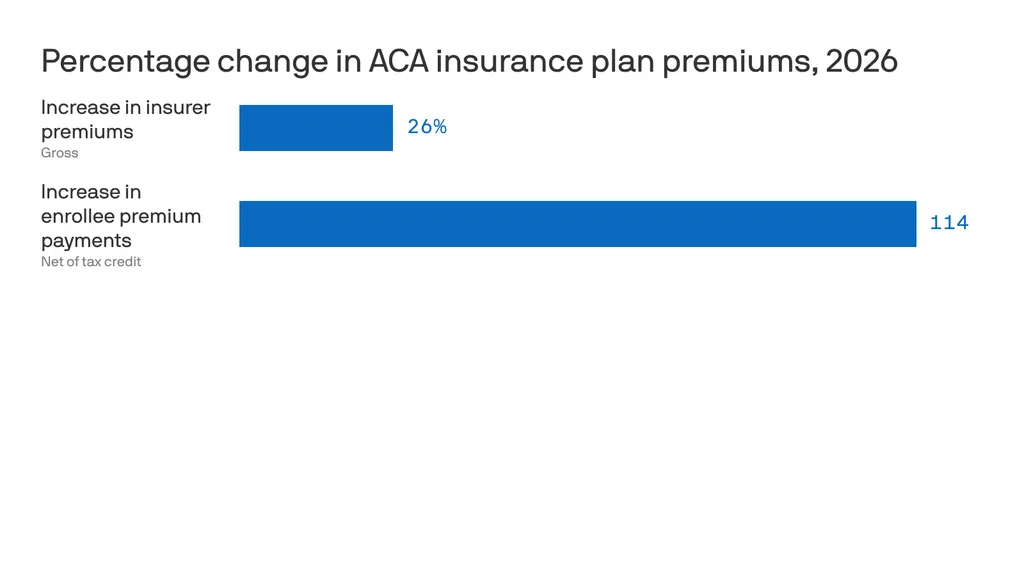
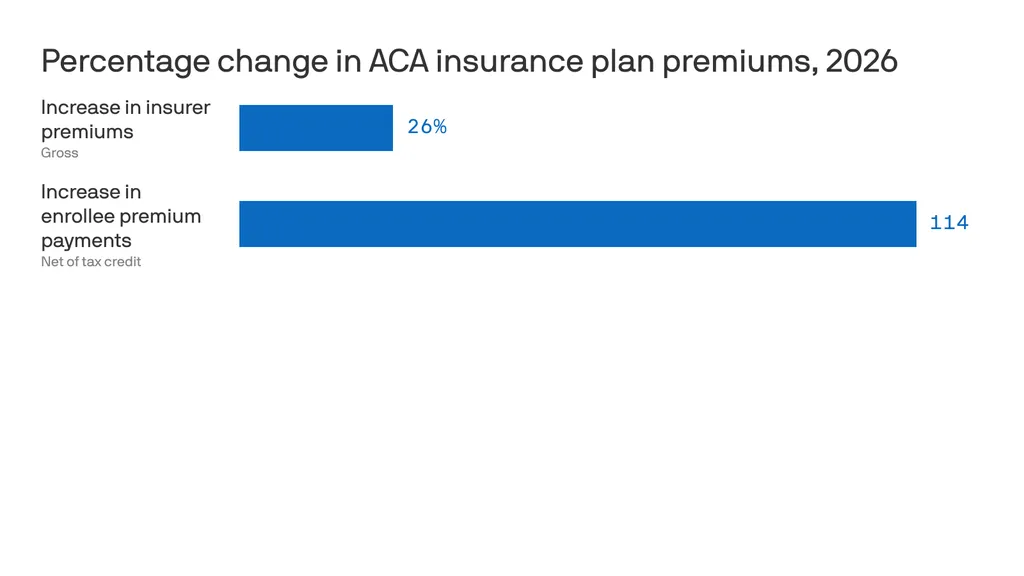
As the federal government barrels toward its Sept. 30 shutdown deadline, Democrats say they won’t vote to keep the government open unless Republicans agree to extend the subsidies that make coverage available through the Affordable Care Act (ACA) marketplace more affordable for individuals and families who get their health insurance there. At the heart of the debate are the so-called “enhanced” subsidies that were put in place during the Covid pandemic. Those subsidies are set to expire at the end of this year. If they do, more than 90% of people who buy coverage in the ACA marketplace will have to pay a whole lot more for it next year.
Republicans, who control Congress, are split. Hardliners want the subsidies to disappear, but a growing faction of GOP lawmakers see the political peril staring them in the face: Millions of their constituents will receive marketplace renewal notices with eye-popping premium hikes as open enrollment begins Nov. 1, and they likely will blame Republicans for those hikes.
Virginia Republican Rep. Jen Kiggans has even taken the lead on a one-year extension bill, warning that “people will get a notice that their health care premiums are going to go up by thousands of dollars” if Congress doesn’t act. A July GOP poll found that letting the subsidies lapse could tank Republicans’ midterm prospects.
“The Republicans have to come to meet with us in a true bipartisan negotiation to satisfy the American people’s needs on health care or they won’t get our votes, plain and simple”.
Why extending the subsidies matters — but why it shouldn’t be a blank check
When I was an insurance executive, I used to champion high deductible health plans and steep out-of-pocket costs, arguing Americans needed to have “more skin in the game.” The industry sold Congress on that logic during the ACA debates – and it worked. Lawmakers not only set the law’s out-of-pocket (OOP) maximum high from the start, they also – at the insurance industry’s insistence – let it rise to new heights every year.
The result? That cap ballooned 67% between 2014 and 2025. And in 2026, the max will reach $10,600 for an individual and $21,200 for a family. That means most ACA plans leave people exposed to thousands of dollars in medical bills even after they’ve paid their premiums. And the people who get burned the most are those with chronic illnesses or sudden serious diagnoses – or even an accident.
If the subsidies vanish, the nonpartisan Congressional Budget Office projects about 4 million people will drop out of ACA plans in the first year. People will get sicker. Some will die sooner.
But let’s not kid ourselves: Simply shoveling more taxpayer money into insurers’ coffers is not a solution. These same companies are already awash in tax dollars through their private Medicare Advantage plans, Medicaid contracts, and even the VA.
The concessions for subsidy extension
Here’s the tradeoff Congress should demand: Insurers can get the subsidies (which go straight to them), but only if they agree to put some of their own skin in the game. And they have plenty of it. Just the seven largest for-profit health insurers reported more than $71 billion in profits last year.
Specifically, lawmakers should:
Cap out-of-pocket costs on ACA plans. Apply the same protections Congress just gave to Medicare beneficiaries: a $2,000 cap on prescription drugs AND a $5,000 overall cap on annual out-of-pocket costs. That would be a seismic shift, bringing ACA plans closer to what Americans think they’re buying when they pay for “coverage.”
Crack down on prior authorization abuse. Prior authorization delays and denials are rampant in ACA plans, just as they are in Medicare Advantage. If taxpayers are footing the bill, patients should get timely care — not insurer red tape.
Fix ghost networks. Insurers routinely list doctors who aren’t actually accepting new patients or aren’t even in-network. Regulators should require accurate, verified networks so people can actually see the providers they’re paying to have access to.
My former Big Insurance colleagues will howl and launch a massive propaganda campaign when these ideas gain traction, claiming they’ll have to jack up premiums even more than they usually do if they have to be even slightly more patient-friendly. I know because I used to plan and execute the industry’s fear-mongering campaigns. Don’t fall for it this time or ever again. Those seven giant insurers took in more than 1.5 trillion dollars and shared more than $71 billion of their windfall with their already rich shareholders last year alone. Yes, the industry’s lobbying will be intense. But if members of Congress do the right thing, they won’t just preserve coverage for millions, they will finally start forcing insurers to compete on value, not just premium retention.
What comes next
If Democrats are going to play hardball by threatening a government shutdown if Republicans don’t extend these ACA subsidies, they should make it count. Americans need relief not just on premiums, but on the crushing costs hidden behind their insurance cards.
Republicans’ sweeping Medicaid overhaul has left a lot of the heavy lifting to governors and state health officials as the program launches the biggest package of changes in its 60-year history.
Why it matters:
States working with hospitals, clinics and other providers will have to do more with less as they face about $1 trillion in program cuts and the likelihood of 10 million or more newly uninsured people from new work rules and other changes.
While the GOP views Medicaid as a waste-riddled program that’s due for a shakeup, the cuts will force painful tradeoffs at the local level as health systems also struggle with inflation, higher labor costs and rising medical costs.
“Congress left the dirty work to be done by the governors and state legislators, and that work will start very soon,” said Joan Alker, executive director of Georgetown University’s Center for Children and Families.
State of play:
Medicaid typically accounts for about 30% of a state’s budget each year. Spending goes up during tough economic times, and states are required to cover a set of mandatory benefits.
The fallout from the cuts will vary by state based on their reliance on certain funding mechanisms, like taxes on health care providers, and whether they’ve expanded Medicaid coverage under the Affordable Care Act.
The new work requirements only apply to people in the expansion group.
The biggest changes from the law will arrive in 2027. But states have already started planning for how they’ll implement work requirements, decide who’s eligible more frequently and cope with new restrictions on how they draw down federal funds.
They’ll also be competing for $50 billion in rural health funding that Congress added to the law — a sum that’s been widely criticized as inadequate.
“We are working day and night ever since this bill was passed,” New York’s Medicaid director, Amir Bassiri, said while speaking at a conference in Manhattan in July.
“Chances are we will not be able to mitigate all of the impacts of these changes, but we’re going to do everything in our power to do that.”
The other side:
The new dynamic will force states to think more critically about how taxpayer dollars are being spent in Medicaid, said Brian Blase, president of Paragon Health Institute and a White House official during the first Trump administration.
“I want there to be a real budget constraint so [states] have to grapple with the actual cost of these programs,” he said.
Zoom in:
Many states were already preparing austerity moves before President Trump signed the law. States faced with Medicaid budget crunches often cut or limit benefits they aren’t required to offer, like dental care or home- and community-based services.
Other strategies to adjust to the new era of Medicaid funding could include reducing Medicaid payment rates for providers or finding new sources of revenue like additional taxes.
A big focus is how well states will track whether recipients are either meeting a requirement to complete 80 hours of work, school or community service a month or are exempt from the rules.
Illinois, Missouri, Montana, North Dakota, New Mexico, Utah and Wisconsin have the highest risk of improperly kicking many eligible people off of Medicaid due to procedural issues, per a recent Georgetown Center for Children and Families report.
The report ranked state performance on eight key metrics, including how long Medicaid centers take to answer calls, how long the states take to process new applications and whether they renew eligibility automatically.
Between the lines:
Congress authorized $200 million in federal funds to help states modernize their infrastructure for determining whether people are eligible for Medicaid.
HHS communications director Andrew Nixon said $100 million of the funds will be allocated equally among states, while the other half will be divvied up based on the share of enrollees in the state that will be subject to work requirements.
“All funding decisions will be guided by efficiency and legal compliance,” he said in an email.
States are still waiting for guidance and regulations from Medicaid administrators on some of the policy changes, and what kinds of technology they can use to ease the burden of reporting work hours and verifying who’s eligible.
Even timelines for getting systems running are up in the air. The budget law gives the Centers for Medicare and Medicaid Services discretion to let states have up to two more years to get work requirements up and running.
What we’re watching:
What role health systems and Medicaid advocates have in states’ decision-making processes — and whether they can persuade state lawmakers to make up for some of the federal cuts with state funds.
“We’ve always said the cuts to Medicaid are … going to impact so many other parts of state budgets, and so that’s where the fight really is,” said Nicole Jorwic, chief program officer of Caring Across Generations, a nonprofit that advocated against Congress’ health care changes.
If Trump and RFK Jr. want to crack down on deceptive health care ads, they should start with the avalanche of misleading Medicare Advantage commercials blanketing seniors every fall.
The Trump administration announced last week it plans to crack down on prescription drug advertising. In reporting on the news, the New York Times quoted former Food and Drug Administrator David Kessler as saying that what the administration is proposing “would in essence remove direct-to-consumer advertising from television.”
In a press release, Health and Human Services Secretary Robert F. Kennedy Jr. said the intent is to “shut down that pipeline of deception and require drug companies to disclose all critical safety facts in their advertising.”
You’ll get no argument from me that companies of any kind, especially those that make money in health care, should not be allowed to deceive the public by withholding critical facts.
What I do argue – and hope this administration and Democrats in Congress will agree on – is that this crackdown should also include so-called Medicare Advantage ads.
As we get close to “open enrollment” season, the period of time every fall when seniors and people with qualifying disabilities can choose between Traditional Medicare and one of many private health insurance plans, we already are beginning to see deceptive ads by Big Insurance to once again lure Medicare beneficiaries into their often deadly money machine.
You’ve seen the ads: happy, smiling seniors playing tennis or pickleball and gabbing about “free” groceries and dental benefits they presumably get because of the generosity of their MA plans. Nowhere – ever – have you seen or heard anything in any of those ads about the potentially lethal side effect of signing up for those plans. But the terrifying truth is that an untold number of MA enrollees have gone to early graves because their insurers delayed or outright denied a test, treatment or medication their doctors said they needed. Or because they couldn’t even find a high-quality doctor, hospital or skilled nursing facility close to their home – or even far away for that matter. Many centers of excellence – hospitals and clinics that are renowned for things like cancer and cardiac care – are not in many MA plans’ “networks.”
Seniors need to be told how limited MA networks can be – and that Traditional Medicare, by contrast, doesn’t even have networks. Traditional Medicare doesn’t restrict you to certain providers. That’s because almost all doctors, labs, clinics and hospitals participate in Traditional Medicare.
And seniors need to be told explicitly in ads what prior-authorization is and how it can affect them. And they need to be told about how much money they’ll have to pay out of their own pockets if they knowingly or unknowingly get care from an out-of-network provider. They also need to be told that their MA plans can and do drop doctors and hospitals from their networks during the course of a given year and that more and more physician practices and hospitals – including world-class facilities like Johns Hopkins and M.D. Anderson and the Cleveland Clinic – have dropped out of many MA networks. And they need to be told that their MA plan could very well dump them next year by “exiting” the community they live in, as Humana, Aetna, UnitedHealth and other plans did this year and plan to do next year.
Why, Mr. Trump and Mr. Kennedy, are MA insurers not held to the same standards as pharmaceutical companies? And how fast can you put standards in place to assure us that MA ads don’t omit “critical facts?” You know as well as anyone that between October 15 and December 7 (the open enrollment period) you won’t be able to turn on your TV or scroll through your social media feeds without seeing multiple MA ads that blatantly lie by omission.
Researchers at the nonpartisan KFF found TV ads hawking MA plans ran 650,000 times during the 2022 open enrollment period. You can expect that number will be surpassed this year because Medicare Advantage has become such a cash cow for Big Insurance. As just one example, UnitedHealthcare, a division of the biggest health care conglomerate in the world, got more than 75% of its revenue last year from Medicare and other taxpayer-supported programs. Now you know why those deceptive ads are so ubiquitous, and why private insurers lie with impunity.
Speaking of UnitedHealthcare, it co-brands its MA plans with AARP, which gives that corporation a kind of good seal of approval. AARP has received billions of dollars from UnitedHealthcare over the years as part of the relationship. To its credit, AARP called attention to that KFF study on its website just before the 2023 open enrollment season started. That’s notable, but AARP needs to do much more. So I am hereby calling on AARP to join us in demanding that both the Trump administration and Congress take immediate action to make sure MA ads cannot leave out essential information. Truthful MA ads are just as important as drug company ads. Maybe even more so when you consider all the potential harms MA plans inflict on seniors and people with disabilities every single year.