EHR vendors continue to push the nation closer to interoperability

http://www.healthcaredive.com/news/ehr-vendors-continue-to-push-the-nation-closer-to-interoperability/424578/

Dive Brief:

  • Providers at more than 200 U.S. hospitals and 3,000 clinics can now share patient health information even though they use different EHR vendors, thanks for the Carequality Interoperability Framework, The Sequoia Project collaborative announced this week.
  • The hospitals and clinics use EHR software and services from athenahealth, eClinicalWorks, Epic, HIETexas, NextGen and SureScripts, which have agreed to the information exchange.
  • The Carequality Interoperability Framework, published in December, provides the necessary legal and policy requirements, technical specifications, and governance processes to enable interoperability among different health systems.


21st Century Cures Act: 4 health industry impacts summarized

http://www.healthcaredive.com/news/21st-century-cures-act-explained/431491/

On Wednesday, the Senate voted 94-5 to pass the long-awaited 21st Century Cures Bill. As it has backing from the current White House administration, President Barack Obama is expected to sign the legislation into law.

The law has been called the “most important bill of the year” by Senator Lamar Alexander (R-TN), as Politico Pulse reported Tuesday. The bill, while bipartisan, is not without controversy. While the House version of the legislation passed swimmingly with a vote of 392-26, the bill did have its share of opponents in the Senate– including Sen. Elizabeth Warren (D-MA) and Sen. Bernie Sanders (I-VT) – who think the bill is too favorable to pharmaceutical companies. Both Sanders and Warren were among the five Senators to vote against the measure.

And as Modern Healthcare’s Merrill Goozner notes in an editorial, it’s likely the true impact of the bill won’t be known right away but will be realized as the years pass. “The final details of the 996-page legislation…weren’t known until five days before it passed,” Goozner wrote.

About three years of work and efforts from 1,400 lobbyists for 400 companies went into the making of this $6.3 billion package. It seeks to deliberately speed medical research and treatments. Because seemingly no healthcare legislation can be a reasonable length (it’s about 90 pages longer than the ACA) and because nothing in healthcare is simple, we’ve summarized some of the notable implications of the bill in four buckets: Health IT, mental health, FDA reform and research and care funding.

What’s up with Apple in healthcare?

http://www.healthcaredive.com/news/whats-up-with-apple-in-healthcare/429706/

In recent months, Apple has been sending out smoke signals suggesting a major thrust into healthcare. The tech giant has bolstered its health team with four recent high-profile hires and forged partnerships with large healthcare systems. These include a clinical trial partnership with Beth Israel Deaconess Hospital and a precision medicine initiative with Scripps Translational Science Institute, according to Politico.

The company has also partnered with IBM, Johnson & Johnson and Medtronic on cognitive computing platform called Watson Health Cloud. The platform offers tailored data analytics services to clinicians.

With a current health team of about 100 strong, including medical device and medical sensor experts, the Cupertino, CA company appears poised to move beyond fitness apps to fully regulated medical technologies and clinical support systems.

In August, Apple confirmed its first digital health acquisition, personal health record startup Gliimpse. The Redwood, CA-based firm, which has raised about $1 million in seed funding, hopes to advance interoperability by aggregating health data into a single digital patient record.

Hospital execs: ACA, population health will be game changers in next three years

http://www.fiercehealthcare.com/story/hospital-execs-aca-population-health-will-be-game-changers-next-three-years/2016-04-15?utm_medium=nl&utm_source=internal&mkt_tok=eyJpIjoiTURjNU56QmxORGd4WmpoaiIsInQiOiJtZkFGUkQ1UVlcL3RZR3pPa0dFQ3E0c2xrczBBdVdYVDNZa1JkSzV5ZVRzOWc2NjBPdlNnVUpLbHhUbUNybkVibmlSU2d0K2NZVTBXeTBDQzUzM2pVZUo2aDBwR0E0MGdJNGJFYk5BQWZCSVk9In0%3D

C-suite leaders say innovative care delivery, post-acute care networks key areas of focus

Now that CMS’ Andy Slavitt has spoken, did meaningful use spawn or stall EHR innovation and interoperability?

http://www.healthcareitnews.com/news/now-cms-andy-slavitt-has-spoken-did-meaningful-use-spawn-or-stall-ehr-innovation-and

aging-doctors_newm-1050x702

Electronic health record vendors, hospital IT departments and clinicians have complained for years about the current state of EHRs. The revelation that meaningful use could soon be changed for the better may open new doors.

DirectTrust predicts the end of Meaningful Use

http://www.fiercehealthit.com/story/directtrust-predicts-end-meaningful-use/2015-12-08?utm_medium=nl&utm_source=internal&mkt_tok=3RkMMJWWfF9wsRonvK%252FBc%252B%252FhmjTEU5z14ukkX6a2lMI%252F0ER3fOvrPUfGjI4DTcFkMK%252BTFAwTG5toziV8R7LMKM1ty9MQWxTk

Interoperability, “freed” health data, patient engagement and data security among trends to watch in 2016

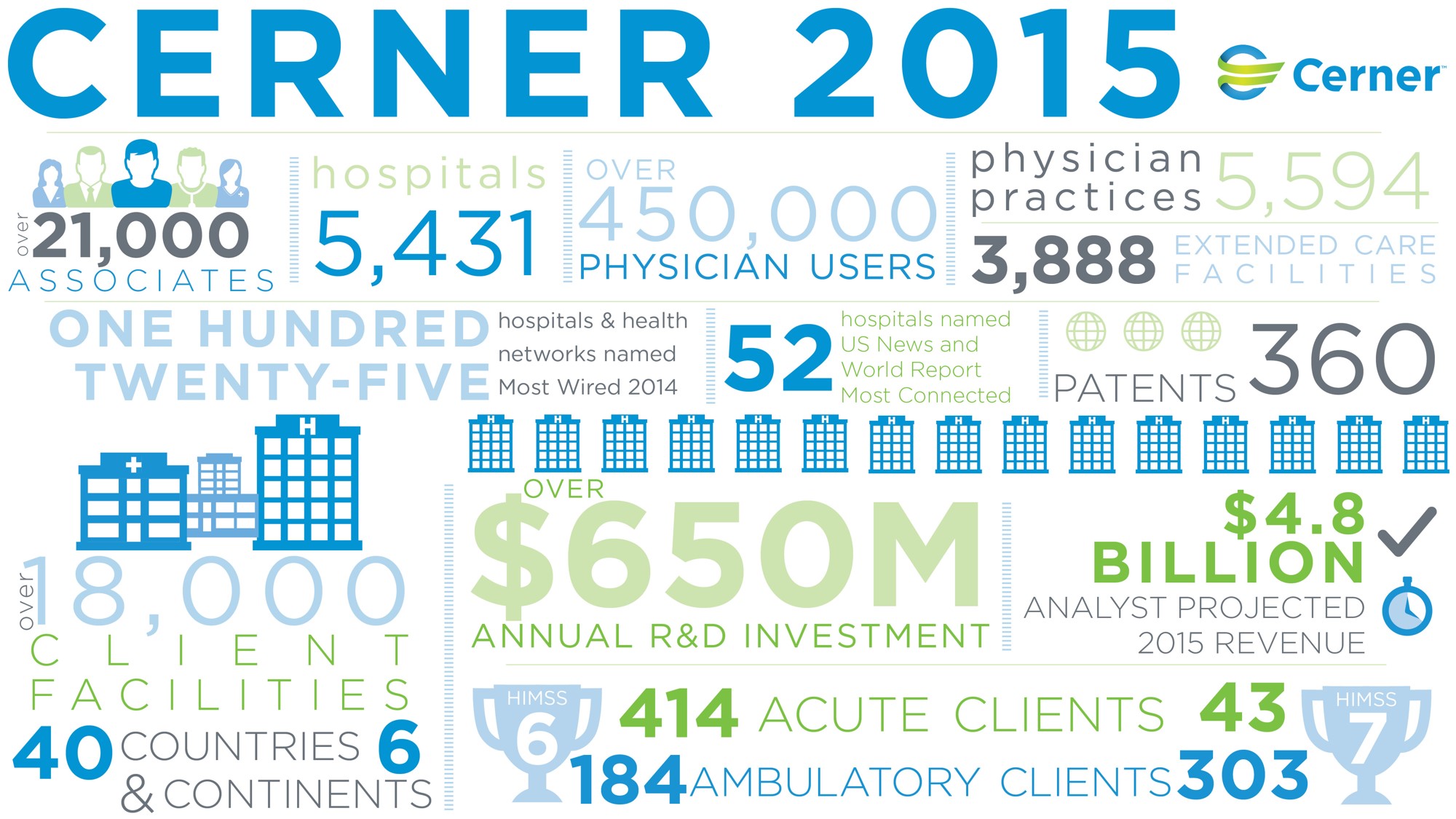
5 key takeaways from Cerner’s annual conference

http://www.beckershospitalreview.com/healthcare-information-technology/5-key-takeaways-from-cerner-s-annual-conference.html

Cerner Summary

Eight Health IT Terms Healthcare Executives Must Know

http://managedhealthcareexecutive.modernmedicine.com/managed-healthcare-executive/news/eight-health-it-terms-healthcare-executives-must-know

Leaders should understand what big data, interoperability and patient engagement really means.

http://www.fiercehealthcare.com/story/5-health-it-terms-every-hospital-ceo-must-know/2015-06-24?utm_medium=nl&utm_source=internal


Halamka: ‘Probably Time to Retire the Meaningful Use Construct’

http://www.healthleadersmedia.com/page-1/TEC-316911/Halamka-Probably-Time-to-Retire-the-Meaningful-Use-Construct

cyber_security