Hospital cost containment plateaus, Kaufman Hall reports

https://www.healthcaredive.com/news/hospital-cost-containment-plateaus-kaufman-hall-reports/551173/

Related image

Dive Brief:

  • Hospitals are having a harder time controlling costs through labor and efficiencies and improvement efforts plateaued last year, according to Kaufman Hall’s 2018 National Flash Report. Profitability indicators show that operating margin improved by about 5% compared to 2017.
  • Kaufman Hall, which analyzed more than 600 hospitals, found that volume trends underperformed compared to the previous year. Higher-acuity patients resulted in higher reimbursement per adjusted discharge and adjusted patient day.
  • Drug expenses are one reason for the cost issues. Drug costs increased by about 4% from 2017. Also, bad debt and charity care grew, though at a slower pace at the end of the year. One piece of good news for hospitals is that revenue increased in 2018.

Dive Insight:

Kaufman Hall found that 2018 was generally a year of improvement in regards to profitability. However, volume indicators showed underperformance as discharges continue to drop.

Revenue indicators showed promise, but an ongoing problem is expenses. Hospitals are trying to contain costs by reducing full-time equivalents and bed numbers. However, those savings only go so far and hospitals expect they’ll need to add staff in the coming years. A recent Healthcare Financial Management Association/Navigant survey reported that 78% of hospital CFOs said their organizations’ labor budgets will grow in the coming years, with 18% expecting an increase of more than 5%.

Another factor working against hospitals is drug costs. A recent InCrowd survey found that physicians are pessimistic that those prices will change, with 82% saying it’s unlikely the situation will improve next year.

The Trump administration backs cutting prescription prices as a way to reduce costs. HHS released a proposal in January to end safe harbor protections for drug rebates through pharmacy benefit managers in Medicare Part D and Medicaid managed care plans. Those savings would instead go directly to consumers.

Hospitals have implemented cost-containment strategies, but the report shows there comes a point when hospitals can’t cut anymore. It appears the industry may have reached that point. “Hospitals will need to think more innovatively on how to manage expense,” according to the report.

Kaufman Hall pointed specifically to the West, which experienced “worsening labor efficiency.” Hospitals in this region “need to consider how to employ more advanced approaches to labor management,” the authors wrote.

There are other ways to squeeze dollars out of hospital costs, according to a recent McKinsey & Company report. It estimated that between $1.2 trillion and $2.3 trillion could be saved over the next decade on productivity gains and not expanding the workforce. The report highlighted potential opportunities to improve productivity through efficiency and care coordination.


Financial updates for Cleveland Clinic, Sutter + 9 other health systems

https://www.beckershospitalreview.com/finance/financial-updates-for-cleveland-clinic-sutter-9-other-health-systems.html

Image result for dollars

The following 11 health systems recently released financial updates:

1. Naples, Fla.-based NCH Healthcare System saw its revenue and net income improve in the 2018 fiscal year. The health system ended fiscal 2018 with net income of $37.3 million, up 45.3 percent from $20.4 million reported in the year prior.

2. Salt Lake City-based Intermountain Healthcare saw its revenues and operating income improve in fiscal year 2018. After incorporating nonoperating income, which was $240.2 million lower than the year before, Intermountain ended fiscal 2018 with net income of $598.5 million. That’s down 8.6 percent from $655.1 million reported in fiscal 2017.

3. Boston-based Dana-Farber Cancer Institute‘s revenue climbed 11.5 percent year over year to $487.2 million in the first quarter of fiscal year 2019. After factoring in a $31.6 million investment loss, Dana-Farber recorded a net loss of $1.2 million in the first three months of fiscal 2019. That’s compared to the first quarter of fiscal 2018, when the hospital recorded net income of $46.1 million.

4. Bronx, N.Y.-based Montefiore Medical Center saw operating revenue increase in 2018 but ended the period with a lower overall operating margin. After factoring in nonoperating gains and losses, the medical center recorded net income of $26.6 million for 2018, down 52.9 percent year over year from net income of $56.5 million.

5. Renton, Wash.-based Providence St. Joseph Health saw operating revenue increase in fiscal year 2018 but ended the period with a net loss. After factoring in investment losses, Providence St. Joseph ended 2018 with a net loss of $445 million compared to net income of $780 million the year prior.

6. Cleveland Clinic‘s revenue increased in 2018, but the system’s operating income and net income declined year over year. After factoring in nonoperating losses, Cleveland Clinic ended 2018 with net income of $103.9 million, down 91 percent from $1.2 billion in the year prior.

7. Trinity Health recorded higher revenue in the first half of fiscal year 2019 than in the same period of the year prior, but the Livonia, Mich.-based health system ended the first two quarters of the current fiscal year with a net loss. After factoring in nonoperating losses of $419.6 million, including investment losses due to turbulent financial markets, Trinity reported a net loss of $301.5 million in the first half of fiscal 2019. That’s compared to the first six months of fiscal 2018, when the system posted net income of $806.4 million.

8. Quorum Health‘s revenue declined year over year in the fourth quarter of 2018, and the Brentwood, Tenn.-based company ended last year with a net loss. After factoring in expenses and one-time charges, Quorum ended the fourth quarter of 2018 with a net loss of $20.7 million, compared to a loss of $26.8 million in the same period of the year prior. Looking at full-year results, Quorum’s net loss widened from $114.2 million in 2017 to $200.2 million in 2018.

9. Sacramento, Calif.-based Sutter Health reported its first annual loss in 23 years due to investment losses caused by turbulent financial markets in the fourth quarter of 2018 and recognizing less revenue from the California Hospital Fee Program. Sutter reported a net loss of $198 million in 2018, compared to net income of $893 million in the year prior.

10. Columbia, Md.-based MedStar Health saw its revenue increase in the first half of fiscal year 2019, but ended the six-month period with a net loss due to the investment markets’ unfavorable performance. After including nonoperating results, MedStar ended the first half of fiscal 2019 with an $87.5 million net loss, compared to net income of $171.5 million in the first half of the prior year.

11. Philadelphia-based Temple University Health System saw its financial position improve in the six months ended Dec. 31. TUHS ended the six-month period with an operating loss of $26.2 million, compared to an operating loss of $39.1 million in the six months ended Dec. 31, 2017.


WINNERS AND LOSERS FROM HEALTHCARE’S Q4 EARNINGS SEASON

https://www.healthleadersmedia.com/finance/winners-and-losers-healthcares-q4-earnings-season

Healthcare companies have reported their earnings from the final quarter of 2018, revealing some success stories and some ongoing struggles.

Earnings season for Q4 2018 has concluded for companies across the healthcare industry, from insurers, for-profit providers, telemedicine companies, and others in between.

Given the challenging market conditions during the final quarter of last year, including the surprise federal ruling that struck down the Affordable Care Act as unconstitutional, many companies reported weaker earnings than they did earlier in 2018.

However, some were buoyed by new intitiatives and product performance that sustained a level of success they intend to carry into 2019.

Below is a list of healthcare’s winners and losers from the 2018 Q4 earnings season:

WINNERS:

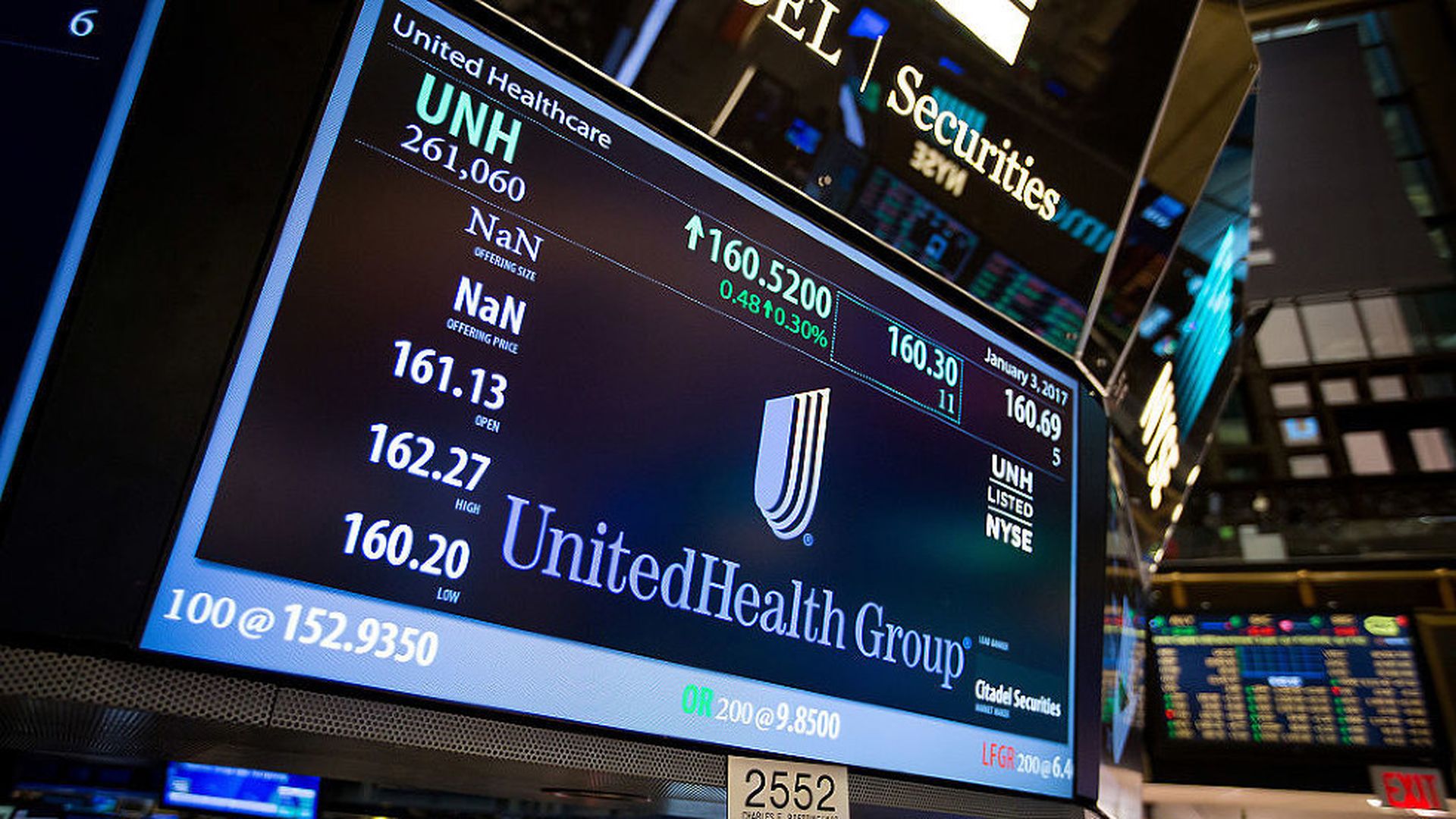
UnitedHealth Group

  • The Minnetonka, Minnesota-based insurer led the pack again, ending 2018 on an upswing thanks to Optum’s record-breaking performance.
  • The PBM subsidiary recorded year-end revenues above $100 billion for the first time ever.
  • Based United expects to achieve revenues above $240 billion in 2019.

Centene Corp.

  • 2018 was a strong year for the St. Louis-based insurer, finishing with more than $60.1 billion in revenues.
  • Managed care membership reached 14 million, an increase of 15% year-over-year.
  • Centene’s net earnings for Q4 2018 were $241 million, an increase of $11 million year-over-year.

Anthem Inc.

  • IngenioRX, Anthem’s PBM slated for debut in 2020, is now expected to launch in Q2.
  • The subsidiary is expected to achieve gross annual savings north of $4 billion, including more than 20% returned to shareholders.
  • Anthem added 37,000 medical enrollment members in Q4, and saw its operating gain grow by 30% year-over-year.


MIDDLE:

Teladoc

  • The Purchase, New York-based telemedicine company produced revenues of $122 million and saw total visits rise by 70% while net losses fell.
  • The company still has sizable net losses to account for, posting a net loss of nearly $25 million in Q4 and $97.1 million for the full year.
  • Despite some positive financial metrics, Teladoc’s issued a tepid financial guidance for 2019.

CVS-Aetna

  • While we still wait on final federal approval for the megamerger set to drastically change the healthcare landscape, CVS Health posted its earnings report from a difficult Q4.
  • The Aetna merger played a role in rising revenues by 12.5% for CVS in the last quarter of 2018, but it also hampered some crucial metrics.
  • CVS suffered a net loss of $421 million in Q4 2018 and $596 million during the full year.
  • However, CEO Larry Merlo said he believes CVS’ acquisition of Aetna provides the company with “long-term value” in a rapidly transforming market.

Cigna Corp.

  • As with CVS, a megamerger couldn’t save Cigna from a down quarter to wrap up 2018.
  • The Philadelphia-based insurer produced $14.3 billion in total quarterly revenues and $144 million in net income, but failed to meet earnings estimates after closing its deal with Express Scripts.
  • Overall, Cigna capped off 2018 with total adjusted revenues of $48 billion, a 15% year-over-year increase, along with a net income of $3.6 billion.

LOSERS:

Community Health Systems 

  • Amidst lingering divestiture activity, CHS posted a net loss of more than $325 million.
  • CHS recorded a net loss attributable to shareholders of $328 million in Q4 2018, down from a net loss of more than $2 billion during Q4 2017.
  • On one positive note, the the Franklin, Tennessee-based for-profit hospital operator did manage net operating revenues of $3.5 billion, an increase of nearly $400 million year-over-year.

Tenet Healthcare Corp.

  • Tenet experienced a net loss of $5 million in Q4 and saw its full year operating revenues decline 4.5%.
  • The Dallas-based company’s quarterly adjusted EBITDA fell 34.6% year-over-year.
  • CEO Ron Rittenmeyer praised the “significant progress” Tenet made to “create a more efficient, agile enterprise with new leadership.”

Magellan Health

  • Segment profit fell to $16 million in Q4, down 83.8% year-over-year, and only reached $228 million in 2018, a 26.7% drop.
  • Net revenues for 2018 did increase more than 25%, a lone bright spot for Magellan.
  • CEO Barry Smith remains confident despite the significant financial declines over the past year.


12 health systems with strong finances

https://www.beckershospitalreview.com/finance/12-health-systems-with-strong-finances-031219.html


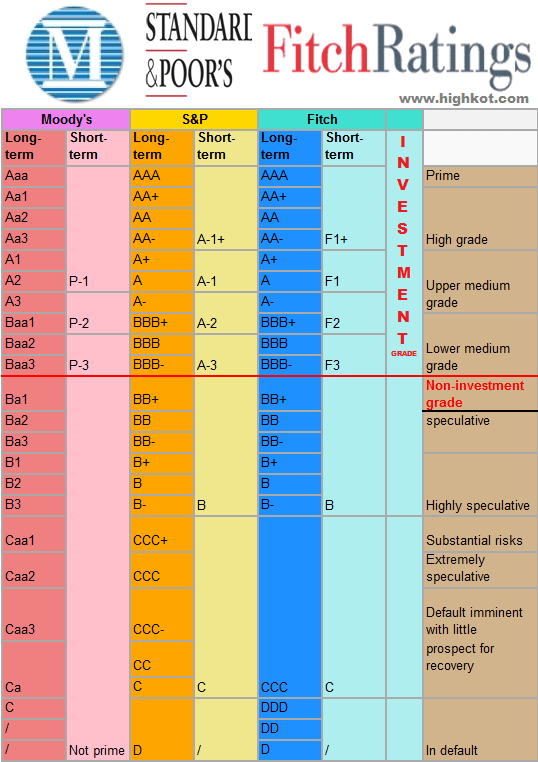
Here are 12 health systems with strong operational metrics and solid financial positions, according to recent reports from Moody’s Investors Service, Fitch Ratings and S&P Global Ratings.

1. Dallas-based Baylor Scott & White Health has an “Aa3” rating and stable outlook with Moody’s. The health system has strong cash flow margins, and its favorable demographics will contribute to volume and revenue growth, according to Moody’s.

2. Newark, Del.-based Christiana Care has an “Aa2” rating and stable outlook with Moody’s. The health system has solid margins and a robust balance sheet, according to Moody’s.

3. Durham, N.C.-based Duke University Health System has an “Aa2” rating and stable outlook with Moody’s. The health system is a leading provider of tertiary and quaternary services and has solid margins and cash levels, according to Moody’s.

4. Chicago-based Northwestern Memorial HealthCarehas an “Aa2” rating and stable outlook with Moody’s. Moody’s expects that the health system’s operating model and comprehensive IT systems will enable it to execute growth strategies while maintaining strong margins.

5. Winston-Salem, N.C.-based Novant Health has an “Aa3” rating and stable outlook with Moody’s. The credit rating agency expects Novant to continue generating strong cash flow margins in favorable markets.

6. Boston-based Partners HealthCare has an “Aa3” rating and stable outlook with Moody’s and an “AA-” rating and stable outlook with S&P. The health system has an excellent reputation in the clinical and research spaces, a long track record of fundraising, and adequate balance sheet measures, according to Moody’s.

7. St. Louis-based SSM Health Care has an “AA-” rating and stable outlook with Fitch. SSM has a strong financial profile, and Fitch expects the system to continue growing unrestricted liquidity and to maintain improved operational performance.

8. Appleton, Wis.-based ThedaCare has an “AA-” rating and stable outlook with Fitch. The health system has a leading market share in a stable service area and strong operating performance, according to Fitch.

9. Cincinnati-based TriHealth has an “AA-” rating and stable outlook with Fitch. Fitch expects the health system to maintain good operating ratios, leading to liquidity growth.

10. Iowa City-based University of Iowa Hospitals & Clinics has an “Aa2” rating and stable outlook with Moody’s. The system’s strong brand and position as the only academic medical center in Iowa will continue to translate into strong market share and high patient demand, according to Moody’s.

11. York, Pa.-based WellSpan Health has an “AA-” rating and stable outlook with Fitch. The health system has a leading market position in south-central Pennsylvania and a strong financial profile, according to Fitch.

12. Yale New Haven (Conn.) Health has an “Aa3” rating and stable outlook with Moody’s. The health system has a leading market position in Connecticut, with a broad reach for tertiary and quaternary patients from throughout the state, and strong brand recognition, according to Moody’s.


Tenet’s patient volumes face sustained pressure

https://www.healthcaredive.com/news/tenets-patient-volumes-face-sustained-pressure/549171/

Image result for headwinds

Dive Brief:

  • Tenet Health reported Monday patient volumes continue to slide for both inpatient and outpatient units for the fourth quarter and full-year. Looking at volumes on a same facility basis, which accounts for the sale of facilities, total admissions declined nearly 3% in the fourth quarter compared to 2017 and fell nearly 2% in 2018 compared to 2017. Still, the hospital operator beat analyst expectations for its fourth quarter revenue and earnings per share.
  • Hospital segment fourth quarter revenue fell nearly 8% to $3.8 billion from 2017 due to hospital sales last year and the California Provider Fee program. The ambulatory segment reported a modest increase in revenue to $554 million. And client losses in the Conifer RCM segment, which Tenet is looking to sell, caused revenue to dip nearly 6% compared with the fourth quarter in 2017.
  • Overall, for the full year, revenue declined nearly 5% from 2017, while net income improved to $111 million compared to a net loss of $704 million in 2017

Dive Insight:

Hospitals throughout the country continue to face a number of headwinds affecting patient volumes, particularly inpatient admissions. But Tenet reported volume declines for nearly every patient measure, including outpatient visits. 

Tenet’s competitor CHS also reported a drop in total admissions for the year, although CHS’ was much steeper.

While analysts with Jefferies said the softening of patient volumes for Tenet was of concern, the company also delivered strong payer-mix growth and increased hospital profit margins, which underscores “(management’s) progress in delivering cost efficiencies,” the investment bank’s analysts wrote in a note.

CEO Ronald Rittenmeyer told investors Tuesday the company is entering 2019 with a renewed sense of urgency around volume growth. Tenet’s chief operating officer will be tasked with improving organic growth at the system’s hospitals, he said.

Rittenmeyer also outlined the priorities for 2019, which include expanding its ambulatory business, adding new physicians and improving operations to win over patient loyalty. He added the company will look to develop its brand image by delivering the “same unified message” in advertising in its markets around the country.

Tenet disclosed it may have found a buyer or partner for its Conifer business, though executives could not offer any specifics. “We have recently entered into exclusivity with one of the parties that has been engaging with us. While there can be no assurance that this negotiation will result in a transaction we are very pleased with this progress,” Rittenmeyer said.

Tenet also released its guidance for 2019. It expects to generate revenue between $18 billion and $18.4 billion while its window for net income is expected to be between $15 million and $115 million.

Rittenmeyer called 2018 “a year of significant change for the company,” and pledged “additional progress in each of our business segments in 2019 in line with our plan to deliver long-term sustainable growth.”


20 recent hospital, health system outlook and credit rating actions

https://www.beckershospitalreview.com/finance/20-recent-hospital-health-system-outlook-and-credit-rating-actions.html?origin=cfoe&utm_source=cfoe

Related image

The following hospital and health system credit rating and outlook changes or affirmations occurred in the last two weeks, beginning with the most recent:

1. Fitch upgrades Cottage Health rating to ‘AA-‘

Fitch Ratings assigned an issuer default rating of “AA-” to Santa Barbara, Calif.-based Cottage Health and upgraded its revenue bond rating from “A+” to “AA-.”

2. Moody’s assigns ‘A1’ rating to Bexar County Hospital District

Moody’s Investors Service assigned an “A1” rating to Bexar County (Texas) Hospital District.

3. Moody’s confirms ‘Ba1’ ratings for Monroe County Health Authority

Moody’s Investors Service confirmed its “Ba1” issuer and general obligation limited tax ratings for Monroe County (Ala.) Health Care Authority.

4. Moody’s affirms ‘A3’ rating for The Christ Hospital

Moody’s Investors Service has affirmed its “A3” rating for Cincinnati-based The Christ Hospital, affecting $311 million of outstanding debt.

5. Moody’s assigns ‘Aa3’ rating to Partners Healthcare System

Moody’s Investors Service assigned an “A3” rating to Boston-based Partners Healthcare’s proposed revenue bonds.

6. Moody’s affirms ‘Aa2’ rating for Northwestern Memorial HealthCare

Moody’s Investors Service affirmed its “Aa2,” “Aa2/VMIG 1,” and “P-1” ratings for Chicago-based Northwestern Memorial HealthCare, affecting $1.1 billion of debt.

7. Moody’s affirms Yale New Haven Health’s ‘Aa3’ rating

Moody’s Investors Service affirmed the long-term underlying “Aa3” ratings of Yale New Haven (Conn.) Health, affecting $715 million of rated debt.

8. Moody’s assigns ‘A2’ rating to Kettering Health Network

Moody’s Investors Service assigned an “A2” rating to Dayton, Ohio-based Kettering Health Network.

9. S&P assigns ‘A+’ rating to Indiana’s Marion General Hospital

S&P Global Ratings assigned an “A+” long-term rating to Marion (Ind.) General Hospital.

10. Moody’s affirms ‘Ba3’ rating for Antelope Valley Healthcare District

Moody’s Investors Service affirmed its “Ba3” rating for Lancaster, Calif.-based Antelope Valley Health District, which includes Antelope Valley Hospital, affecting $122 million of revenue bonds.

11. Moody’s affirms ‘Ba2’ rating for Community Memorial Health System

Moody’s Investors Service affirmed Ventura, Calif.-based Community Memorial Health System’s “Ba2” rating, affecting $339 million of rated debt.

12. Moody’s affirms ‘A2’ rating for University of Maryland Medical System

Moody’s Investors Service affirmed its “A2” rating for the Baltimore-based University of Maryland Medical System, affecting $1.1 billion of outstanding debt.

13. Moody’s affirms ‘B1’ rating for Sauk Prairie Healthcare

Moody’s Investors Service affirmed its “B1” rating for Sauk Prairie Healthcare in Prairie du Sac, Wis., affecting $38 million of fixed rate bonds.

14. Moody’s affirms ‘A3’ rating for Excela Health

Moody’s Investors Service affirmed Greensburg, Pa.-based Excela Health’s “A3” rating, affecting $72 million of outstanding debt.

15. Moody’s affirms Northwest Community Hospital’s ‘A2’ rating

Moody’s Investors Service affirmed its “A2” rating for Arlington Heights, Ill.-based Northwest Community Hospital, affecting $194 million of rated debt.

16. Fitch assigns ‘AA-‘ long-term rating to Trinity Health

Fitch Ratings assigned an “AA-” long-term rating to Livonia, Mich.-based Trinity Health, affecting $175 million of bonds.

17. Fitch withdraws rating for Greenwich Hospital

Fitch Ratings has withdrawn its issuer default rating for Greenwich (Conn.) Hospital.

18. Fitch assigns ‘A’ rating to East Tennessee Children’s Hospital

Fitch Ratings has assigned an “A” rating and an “A” issuer default rating to Knoxville-based East Tennessee Children’s Hospital.

19. Moody’s affirms ‘A1’ rating for Lexington County Health Services District

Moody’s Investors Service affirmed its “A1” rating for Lexington County (S.C.) Health Services District, affecting $369 million of outstanding revenue bonds.

20. Moody’s assigns ‘A1’ rating to Munson Healthcare

Moody’s Investors Service assigned an “A1” long-term rating to the proposed revenue refunding bonds for Traverse City, Mich.-based Munson Healthcare while also maintaining an “A1” rating on the system’s existing debt.

UnitedHealth’s Optum revenues surpass $100B for 1st time

https://www.beckershospitalreview.com/payer-issues/unitedhealth-s-optum-revenues-surpass-100b-for-1st-time.html?origin=cioe&utm_source=cioe

Image result for unitedhealth group

Growth in UnitedHealth Group’s health services business Optum helped the health insurance company beat Wall Street estimates for the fourth quarter ended Dec. 31, according to Reuters.

Five things to know:

1. Revenues for Optum, which is UnitedHealth’s fastest-growing unit and includes an in-house pharmacy benefits manager, topped $100 billion for the first time in the year ended Dec. 31. Optum grew revenues by 11.1 percent year over year to $101.3 billion, the company said Jan. 15.

2. While Optum may face heightened competition this year after Aetna and Cigna scored deals with large benefit managers, Piper Jaffray analyst Sarah James told Reuters: “We view [the Optum results] as a positive sign given the increasingly competitive nature of the pharmacy benefits management market. We believe 2019 could be a big year at OptumHealth … and see potential for specialty [drugs] to double earnings by 2021.”

3. For the fourth quarter, the country’s largest health insurer posted $27.56 billion in revenues from its Optum unit, up 13 percent year over year. 

4. Still, UnitedHealth’s medical care ratio — or the amount of premiums used to cover medical expenses compared to overhead costs — fell short of expectations at 82.2 percent, according to Reuters. Higher costs in UnitedHealth’s government-sponsored Medicaid business were partially to blame, analysts told the publication.

5. UnitedHealth’s insurance business, UnitedHealthcare, increased sales by 11.1 percent in the fourth quarter, for a total of $46.2 billion. Net earnings to shareholders fell 16 percent to $3 billion in the fourth quarter, compared to $3.6 billion a year prior.


OUTLOOK ‘STABLE’ FOR HEALTH INSURERS IN 2019 DESPITE ACA UNCERTAINTY

https://www.healthleadersmedia.com/finance/outlook-stable-health-insurers-2019-despite-aca-uncertainty

A robust job market bolstering employer-sponsored plans, Baby Boomers transitioning to Medicare Advantage, and ACA exchanges attracting new payers are good signs for health plans in the coming year.


KEY TAKEAWAYS

Consolidations among larger payers makes it harder for smaller players to enter the market or sustain a presence.

Payment reforms around the ACA will continue to drive more cross-sector collaboration among payers and providers.

Despite the uncertainty over the future of the Affordable Care Act, the U.S. health insurance sector remains stable heading into 2019, according to a new analysis by S&P Global Ratings.

“A combination of still-favorable business conditions, financial factors, and diminished near-term legislative uncertainty balances our concerns relating to merger and acquisition activity, elevated policy risk, and re-emergent legal overhang,” said S&P analyst Joseph Marinucci.

Strong job growth is bolstering commercial markets, aging Baby Boomers are driving Medicare Advantage growth, states are shifting their high acuity populations into managed Medicaid, and the ACA exchanges are stabilizing and attracting new competitors, S&P said.

“We assess capital and liquidity as strong or better for most of our rated U.S. health insurers, which supports balance-sheet strength,” Marinucci said. “U.S. health insurers’ operating performance reflects sustained earnings strength and improved earnings quality.”

However, Marinucci said that profitability could moderate somewhat this year.

M&As remain a key rating factor, especially with larger transaction sizes, raising concerns about financial leverage, integration, and cultural compatibility. Consolidations, joint ventures, and partnering among larger insurers are defragmenting the sector, allowing the big insurers to build scale, “and create more touch points as the trend toward consumerism gains traction.”

This is making it harder for newer and smaller players to enter the market or sustain their presence,” S&P said. “As a result, we continue to see larger health insurers taking a bigger share of the marketplace, and smaller players being displaced or struggling to achieve profitable growth as the competitive gap widens.”

“Although the mid-term elections removed a good deal of legislative uncertainty for the industry, policy risk remains elevated given the administration’s preference for ACA alternatives,” S&P said.

In addition, S&P says that payment and delivery reforms mandated in the ACA around value-based care will continue to drive greater cross-sector collaboration among payers and providers.

“A COMBINATION OF STILL-FAVORABLE BUSINESS CONDITIONS, FINANCIAL FACTORS, AND DIMINISHED NEAR-TERM LEGISLATIVE UNCERTAINTY BALANCES OUR CONCERNS RELATING TO MERGER AND ACQUISITION ACTIVITY, ELEVATED POLICY RISK, AND RE-EMERGENT LEGAL OVERHANG.”


8 health systems with strong finances

https://www.beckershospitalreview.com/finance/8-health-systems-with-strong-finances-010719.html?origin=cfoe&utm_source=cfoe

Here are eight hospitals and health systems with strong operational metrics and solid financial positions, according to recent reports from Moody’s Investors Service and Fitch Ratings.

Note: This is not an exhaustive list. Hospital and health system names were compiled from recent credit rating reports and are listed in alphabetical order.

1. Dallas-based Baylor Scott & White Health has an “Aa3” rating and stable outlook with Moody’s. The health system has strong cash flow margins and its favorable demographics will contribute to volume and revenue growth, according to Moody’s.

2. Orange, Calif.-based Children’s Hospital of Orange County has an “AA-” rating and stable outlook with Fitch. The hospital has a strong financial profile, and Fitch expects its capital-related ratios to improve.

3. Newark, Del.-based Christiana Care has an “Aa2” rating and stable outlook with Moody’s. The health system has solid margins and a robust balance sheet, according to Moody’s.

4. Fort Worth, Texas-based Cook Children’s Medical Center has an “Aa2” rating and stable outlook with Moody’s. The hospital has a strong market position and solid operating performance, according to Moody’s.

5. Durham, N.C.-based Duke University Health System has an “Aa2” rating and stable outlook with Moody’s. The health system is a leading provider of tertiary and quaternary services and has solid margins and cash levels, according to Moody’s.

6. St. Louis-based SSM Health Care has an “AA-” rating and stable outlook with Fitch. SSM has a strong financial profile, and Fitch expects the system to continue growing unrestricted liquidity and to maintain improved operational performance.

7. Appleton, Wis.-based ThedaCare has an “AA-” rating and stable outlook with Fitch. The health system has a leading market share in a stable service area and strong operating performance, according to Fitch.

8. Cincinnati-based TriHealth has an “AA-” rating and stable outlook with Fitch. Fitch expects the health system to maintain good operating ratios leading to liquidity growth.