

Duluth, Minn.-based Essentia Health rolled out a mandatory flu shot policy last year, and the health system will continue the program this year.
Under the program, employees had until Nov. 20, 2017, to receive a flu shot, obtain a medical/religious exemption or face termination. Essentia reported more than 99.5 percent compliance with the program.
For 2018, Essentia will continue its mandatory flu shot program, which also applies to students who train and vendors who operate at the health system’s facilities, as well as people who volunteer through Essentia programs.
To ensure there is plenty of time to review medical/religious exemptions before this year’s Nov. 20 compliance deadline, Essentia moved up the deadline to submit exemption requests.
“The first year [is] the most difficult because everyone [is] doing first-time medical and religious exemption requests,” said Rajesh Prabhu, MD, infectious disease and chief patient quality and safety officer for the system. “Those granted medical exemptions last year still [have their medical exemptions] in place. For religious exemptions, they just have to confirm their belief hasn’t changed from last year.”
He expects compliance to increase this year since fewer people need to request medical exemptions for the first time. Essentia now has 14,700 employees and began its flu shot campaign Oct. 2.
Dr. Prabhu encouraged other systems or hospitals considering a mandatory flu shot program to focus on the reasoning behind beginning the program.
“It’s not just a technical change. You have to get everyone to feel why this is important for not only our employees but [also] the patients we serve. We focus a lot of efforts on that end,” he said.
Dr. Prabhu said support from leadership helped make the first year of Essentia’s mandatory flu shot program a success.
“We had support from our CEO and everyone in leadership,” he said. “[They had] direct, in-person communication with some of those hesitant to get vaccinated because sometimes it’s good to talk to people to understand their concerns and barriers.”
Lessons learned
Essentia announced its mandatory flu shot program in September 2017 and some employees felt they didn’t get enough notice to comply. However, Dr. Prabhu said he believes some employees would not have complied with the program even if they were given more time.
“No matter how much lead time you give, I don’t think it will change the minds of people who are resistant to get the influenza vaccine,” he said.
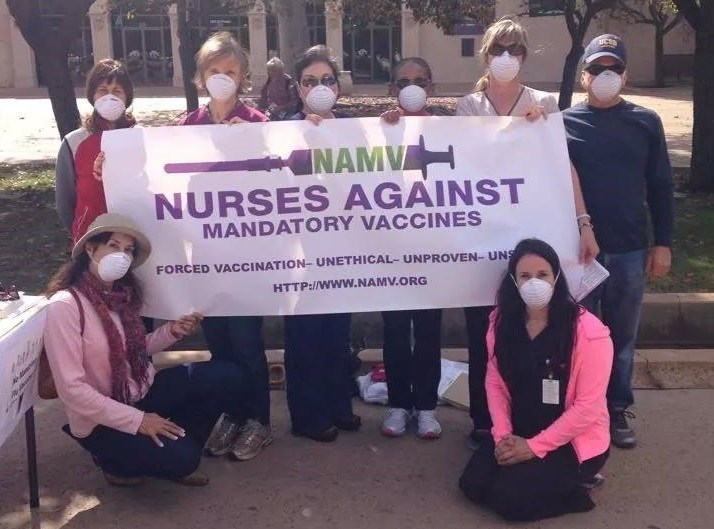
Essentia’s flu shot policy encountered opposition from unions as well. The Minnesota Nurses Association and some other labor groups that represent Essentia employees continue to challenge the flu shot policy. In July, an arbitrator sided with Essentia over the United Steelworkers Union regarding the policy.
Despite the opposition and a few challenges in the initial rollout, Dr. Prabhu said Essentia needed the policy. He said the system was not going to get to where it wanted to be with its previous voluntary policy, which had 82 percent compliance. And, after evaluating the first year, Essentia decided it was necessary to continue the policy into the 2018-19 flu season.
2018-19 flu season
For this flu season, the CDC recommends everyone 6 months and older receive a flu vaccine by the end of October. Nasal spray FluMist was not recommended last season, but it is recommended for 2018-19 as an option for flu vaccination of nonpregnant individuals age 2 to 49.
It’s unclear how severe the 2018-19 flu season will be. Last year’s flu season was particularly severe, with about 900,000 people hospitalized and about 80,000 people dead due to the virus.
Dr. Prabhu said the flu season hasn’t hit the Duluth area yet, but Essentia is trying to do everything possible to prevent the spread of the virus among patients and staff.




 HENRY KOTULA