How Uber will Redefine Healthcare

http://altarum.org/health-policy-blog/how-uber-will-redefine-healthcare

UberUber

My Twitter pal and founding partner of Forthright Health Management, Tom Valenti, wrote in TechCrunch that “there will never be an Uber for healthcare” because “[h]ealthcare is not a transaction business; it is a relationship business.”

I’ll respectfully disagree: Healthcare “Ubers” are already proliferating and will ultimately reshape 21st-century medicine. The more aspects of healthcare we can shift from relationship to transaction, the better life will be for patients and doctors alike.

ProPublica: For-profit southern hospitals host to most industry payments

http://www.healthcaredive.com/news/propublica-for-profit-southern-hospitals-host-to-most-industry-payments/421832/

Cash in Hand

The subject raises debate due to studies that have identified an association between industry payments and higher rates of brand-name prescribing, ProPublica reported, with some advocates arguing for limits or transparency to allow consumers to make informed decisions about providers who may be weighing outside factors in their care.

Judge sides with hospitals over California ballot initiative to cap executive pay

http://www.mercurynews.com/elections/ci_30057620/judge-sides-hospitals-over-california-ballot-initiative-cap

Executive Compensation


It’s NC Hospitals vs. Koch Brothers in CON Battle

http://www.healthleadersmedia.com/community-rural/its-nc-hospitals-vs-koch-brothers-con-battle?spMailingID=9138342&spUserID=MTMyMzQyMDQxMTkyS0&spJobID=942934540&spReportId=OTQyOTM0NTQwS0

Koch Brothers

The push to eradicate certificate of need statues in several states is spearheaded by a political advocacy group that claims a repeal of the regulations would “lower healthcare costs and improve medical access for millions of citizens.”

The Rise of Private Equity and It’s Impact on the US Public Healthcare System

Private Equity

The private equity takeover of the U.S. economy has gone largely unnoticed. Since the 2008 financial crisis, private equity firms have gone from managing $1 trillion to managing $4.3 trillion — more than the value of Germany’s gross domestic product. And private equity is now in every corner of the economy: Blackstone is America’s largest landlord of rental houses. Fortress Investment Group is the nation’s largest bill collector. And private equity now runs all sorts of services that used to be under public control – including emergency services we all depend on.

But private equity isn’t accountable – not to the public, not even to public shareholders. It’s run by a handful of extraordinarily wealthy people who are getting richer and more powerful all the time. Today’s New York Times provides an important look.

CERTIFICATE OF NEED: STATE HEALTH LAWS AND PROGRAMS

http://www.ncsl.org/research/health/con-certificate-of-need-state-laws.aspx

Map of 50 states with or without CON programs, 2015


Certificate of Need (C.O.N.) programs are aimed at restraining health care facility costs and allowing coordinated planning of new services and construction.  Laws authorizing such programs are one mechanism by which state governments seek to reduce overall health and medical costs.  Many “CON” laws initially were put into effect across the nation as part of the federal “Health Planning Resources Development Act” of 1974.  Despite numerous changes in the past 30 years, about 36 states retain some type of CON program, law or agency as of 2016.

Republicans unveil long-sought ACA replacement

http://www.fiercehealthcare.com/payer/republicans-unveil-long-sought-aca-replacement?utm_medium=nl&utm_source=internal&mrkid=959610&mkt_tok=eyJpIjoiTVROaVlUYzFOV1psTnpJNSIsInQiOiI4MDNhTTZwVEtacWtLV0k2NjZTaDBSc24zYndQNGh2aUE0cUNqRnhISGV0eEdVaUErbjl1K05rSksyOFhKYUljWHBPVDM0Zm9lM1JjOUJNdWdVU3dtZEJrUXNmNXZMM1AxU0w0WnhZMms0cz0ifQ%3D%3D

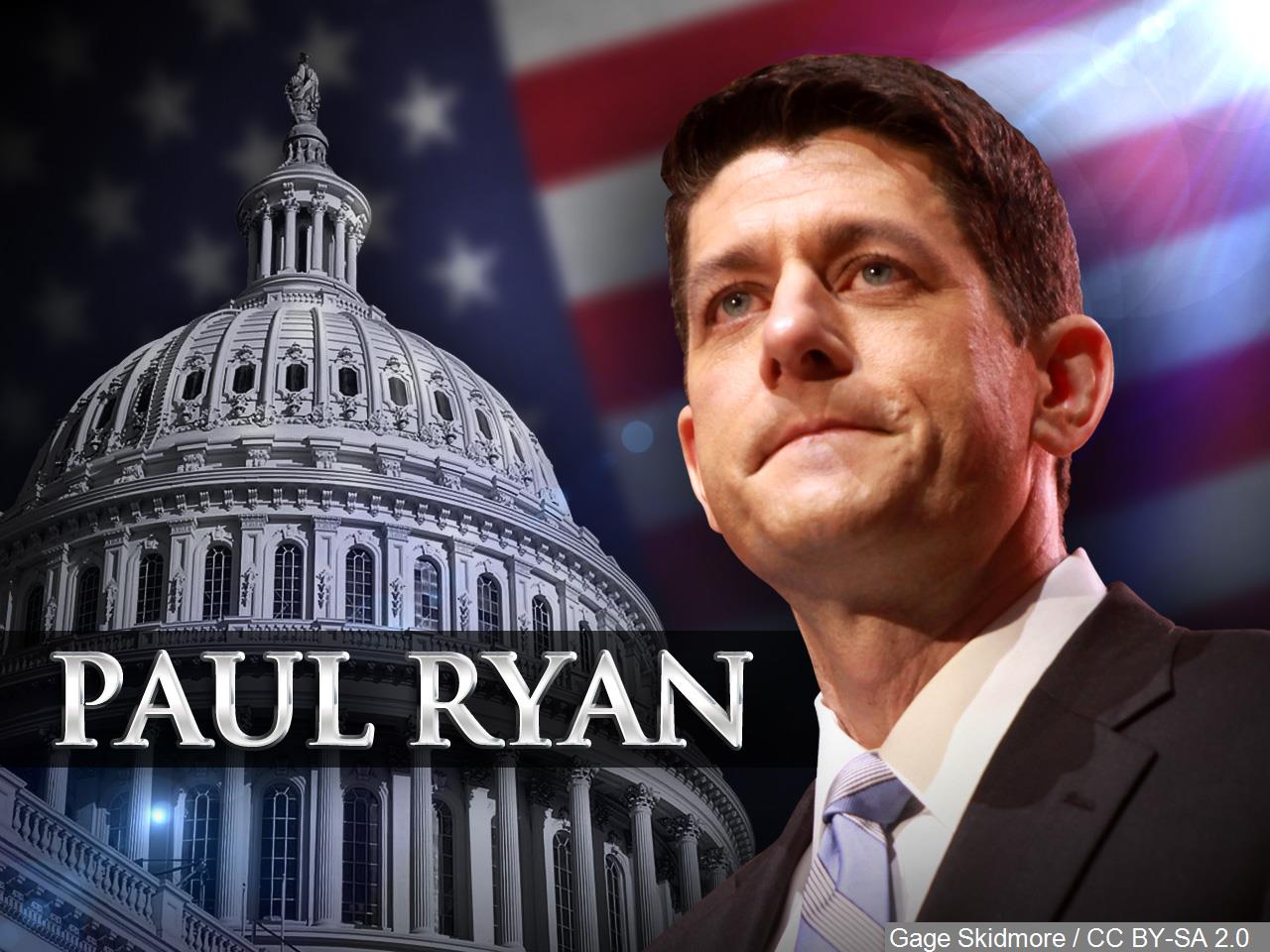
Paul Ryan holding up "A Better Way" document

Click to access ABetterWay-HealthCare-PolicyPaper.pdf

http://khn.org/news/house-republicans-unveil-long-awaited-plan-to-replace-health-law/


Questions to Ask About the House Republican Health Reform Proposal

http://blogs.wsj.com/washwire/2016/06/20/questions-to-ask-about-the-house-republican-health-reform-proposal/?utm_campaign=KFF-2016-Drew-WSJ-Jun20-HouseGOP&utm_medium=email&_hsenc=p2ANqtz-_NbfoCIZCQG6kGUv8vUld3vokzSuvVI9VWa9kHidYn8XYKLqHjC9eueS2Fqt39v_03tgl-QzorxDZgvw5Gkw7Fo5VqJA&_hsmi=30791782&utm_content=30791782&utm_source=hs_email&hsCtaTracking=092901de-a8d1-4b84-8ccf-2a923a6826ad%7C85e450b8-093a-4acd-840b-c16aa780d05c

Paul+Ryan21

House Speaker Paul Ryan’s health-care task force is expected to outline its alternative to Obamacare this week. The outline reportedly will not include the level of detail that would allow much external analysis of its impact by health-care experts and the media, though Democrats are likely to attack its concepts, most of which will be familiar proposals that Republicans favor and that Democrats have opposed in the past. The outline is part of Mr. Ryan’s effort to add Republican policy ideas to the election debate, in particular to the presidential campaign, and seems aimed at helping down-ticket Republicans as a part of an agenda that can appeal to their base. Details will be needed to understand whether the plan is more progressive or regressive and how many uninsured people would be covered. Another big question is how Donald Trump will respond.


The Fundamentally Different Goals of the Affordable Care Act and Republican ‘Replacement’ Plans

http://blogs.wsj.com/washwire/2016/06/07/the-fundamentally-different-goals-of-the-affordable-care-act-and-republican-replacement-plans/

cover art


Rep. Pete Sessions and Sen. Bill Cassidy introduced legislation last month calling for replacing elements of the Affordable Care Act. A House task force established by SpeakerPaul Ryan is expected to follow with more health-care proposals. These Republican health plans are generally referred to as “replacements” for the ACA–in the spirit of “repeal and replace”–as though they would accomplish the same objectives in ways that conservatives prefer. But the proposals are better understood as alternatives with very different goals, trade-offs, and consequences. Whether they are “better” or “worse” depends on your perspective.

To boil down to the most basic differences: The central focus of the Affordable Care Act is expanding coverage and strengthening consumer protections in the health insurance marketplace through government regulation. By contrast, the primary objective of Republican plans is to try to reduce health-care spending by giving people incentives to purchase less costly insurance with more “skin in the game,” with the expectation that they will become more prudent consumers of health services. They also aim to reduce federal spending on Medicare and Medicaid and the federal government’s role in both programs. Elements of the ACA were designed to reduce costs, such as the law’s Medicare payment reforms, and elements of Republican plans such as tax credits aim to expand access to insurance, but the primary aims of the ACA and the Republican plans differ.

Some Democrats Aren’t Giving Up on Universal Health Care

https://morningconsult.com/2016/06/20/some-democrats-arent-giving-up-on-universal-health-care/?utm_campaign=KHN%3A+Daily+Health+Policy+Report&utm_source=hs_email&utm_medium=email&utm_content=30825191&_hsenc=p2ANqtz–5Khvbin0eqd8lOVYUGjQOCkwHgK5yFJ0JfrGJu02u5DsX0eb2C2YyRqxE3kUAn9t8R_u1LZq77IAcdplSGjmcrsJmqA&_hsmi=30825191

Rob Kunzig/Morning Consult

Democrats should push for universal health coverage ahead of the November election, several health care advocates urged the committee drafting the Democratic National Committee’s platform at a recent session focused on health policy.

Their liberal health care proposals echo a similar theme from an environment-themed session the same day, in which activists criticized DNC members for not pushing harder on climate change.

The hearing was part of a series of regional events held by the Democratic Platform Drafting Committee “designed to engage every voice in the party.”

Too many people are still uninsured six years after the passage of the Affordable Care Act, said many of the advocates who spoke before the committee in Phoenix on Friday. Still more are underinsured, they said, and people are struggling to pay for rising premiums and to afford prescription drugs.