

As voters sour on private insurers and health care reform gains political momentum, decades-old warnings about “choice,” “wait times” and “slippery slopes” are resurfacing.
If you want a sense of where the health care debate is headed as we enter the final stretch before the midterm elections, take a look at what has been published over just the past week.
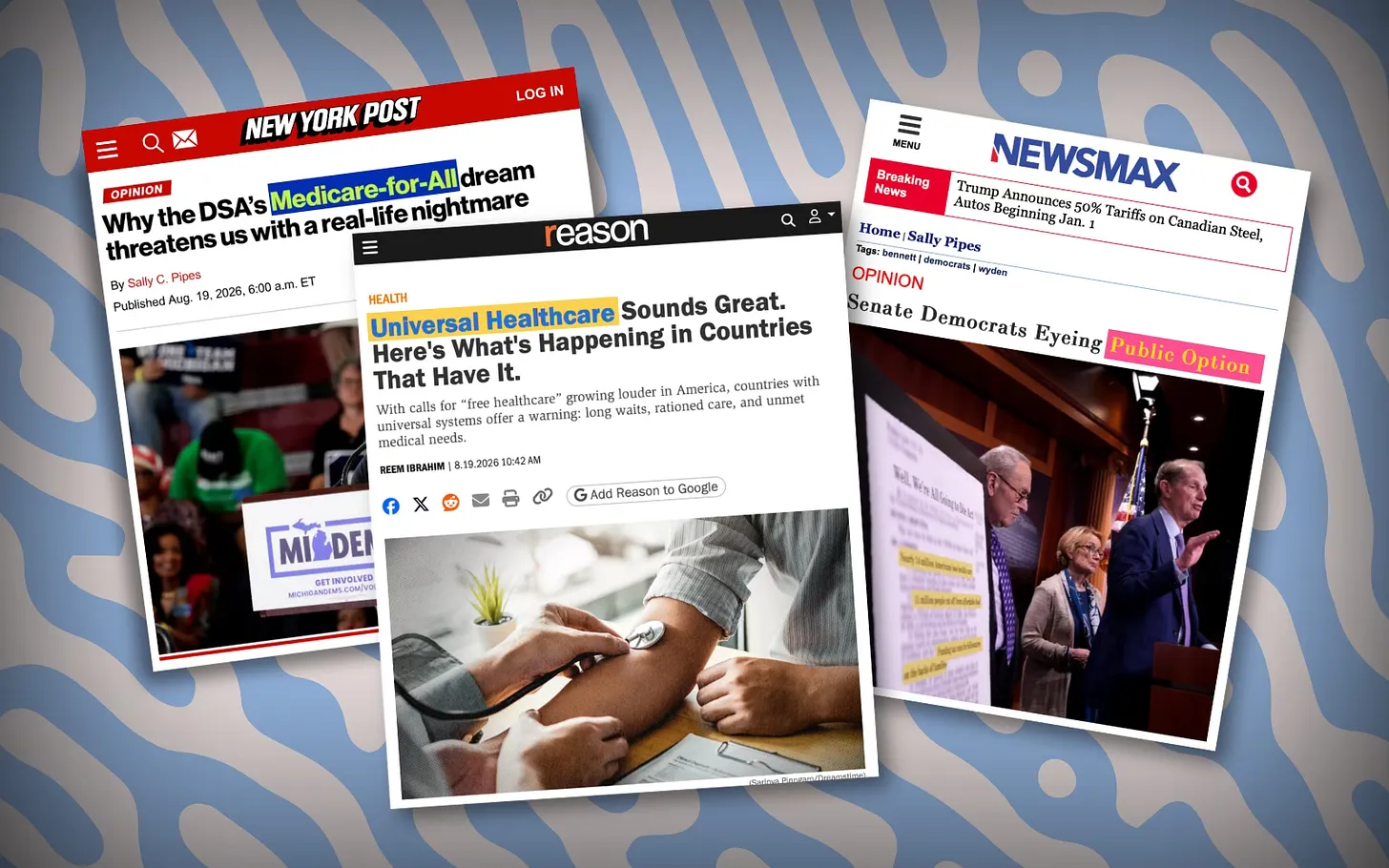
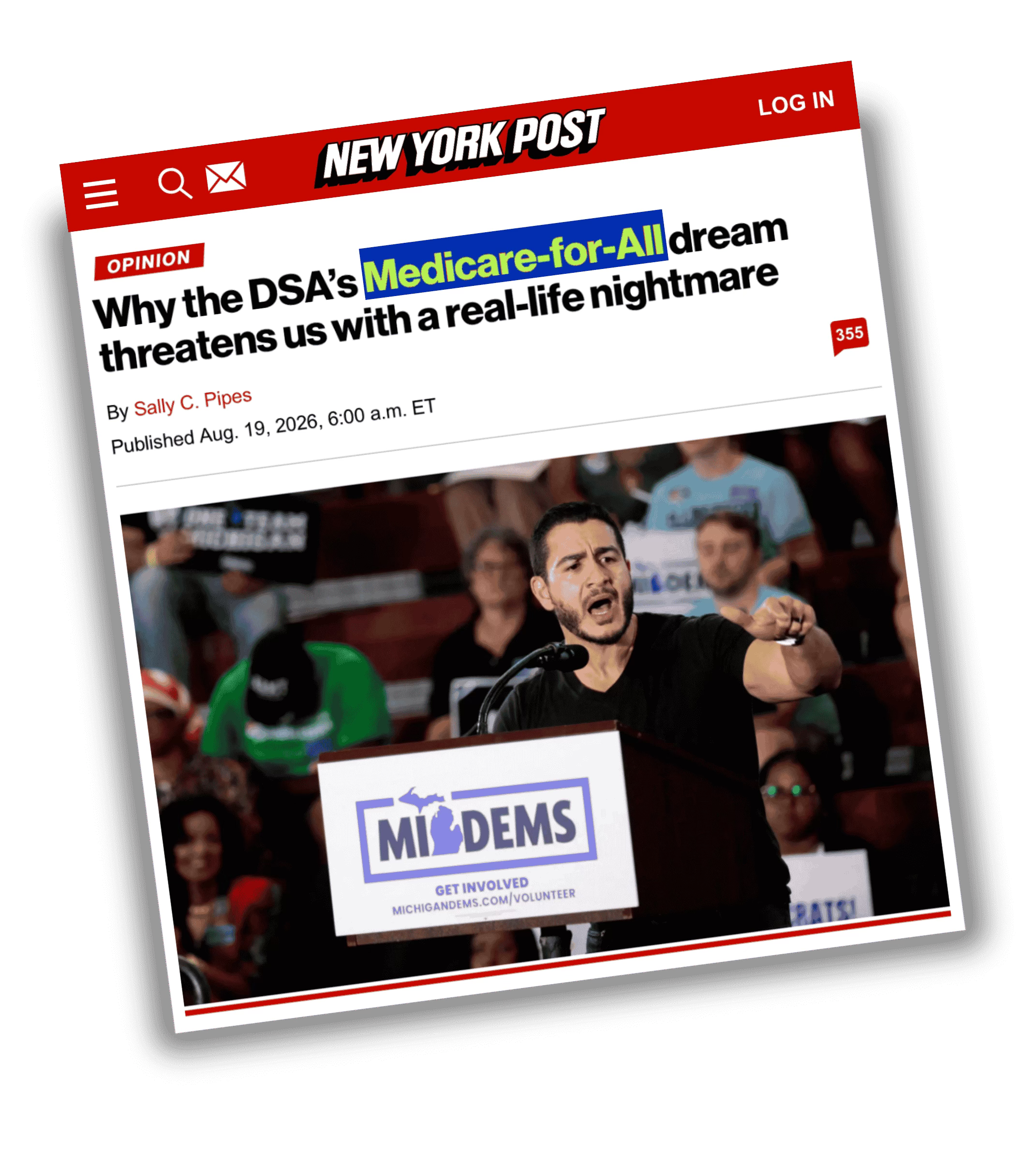
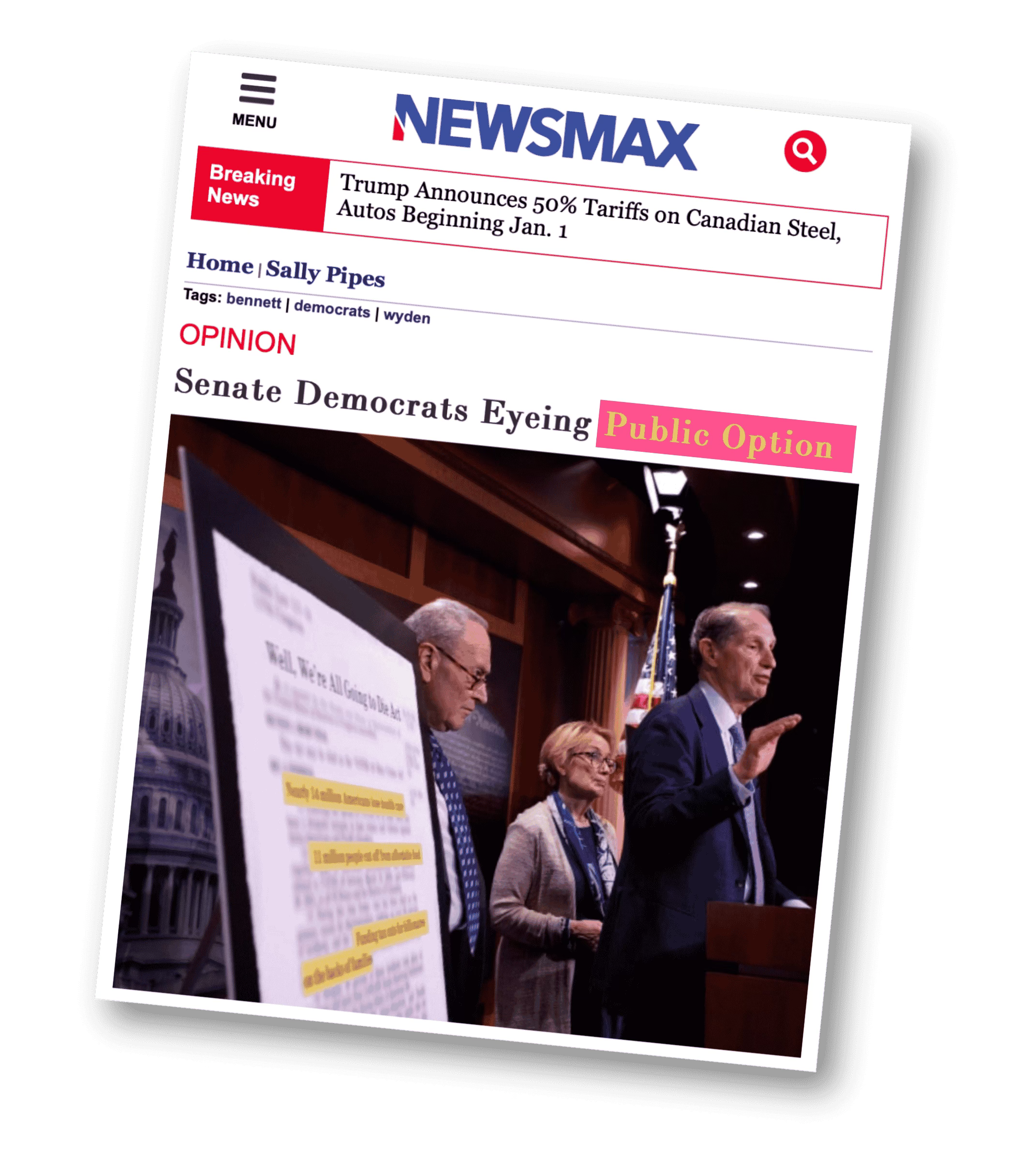
Last Wednesday, the New York Post published an op-ed by Pacific Research Institute President Sally Pipes warning that Medicare for All would be a “real-life nightmare.” That same day, another Pipes column, this one in Newsmax, warned that a public option would be the first step toward a “complete government takeover of health insurance.” And also last Wednesday, Reason published a piece warning that universal health care means “long waits, rationed care, and unmet medical needs.”
These old tropes are familiar to me, as I am sure they are to many readers. And there is a reason they are back getting airtime.
Health care costs have become a major vulnerability for politicians heading into November. A KFF poll this summer found that 51% of voters considered health care costs an “extremely important” issue for candidates to address. Earlier KFF polling found that 61% said health care costs would have a major impact on which party’s candidates they support. And it is Americans’ sentiments about health care costs that have pushed many Medicare for All candidates over the finish line and lit a fire under current members of Congress who are now seeking a way to increase competition in the health insurance space by creating a nonprofit health plan that would be operated by the federal government.
Americans are increasingly fed up with private health insurers. Complaints about denied care, prior authorization, rising premiums and exorbitant out-of-pocket requirements have put insurers under a level of scrutiny I haven’t seen in years. It’s not just Abdul El Sayed. It’s Marjorie Taylor Green, too.
And it’s because of this political storm brewing that the health insurance industry’s longtime defenders are coming out swinging.
I know Sally Pipes’ work especially well. Pipes, who grew up in Canada but has lived in the U.S. for years, has spent decades warning Americans about reforms that might move the United States closer to a system like our neighbors to the north have. When I was an insurance executive, she was always useful to us.
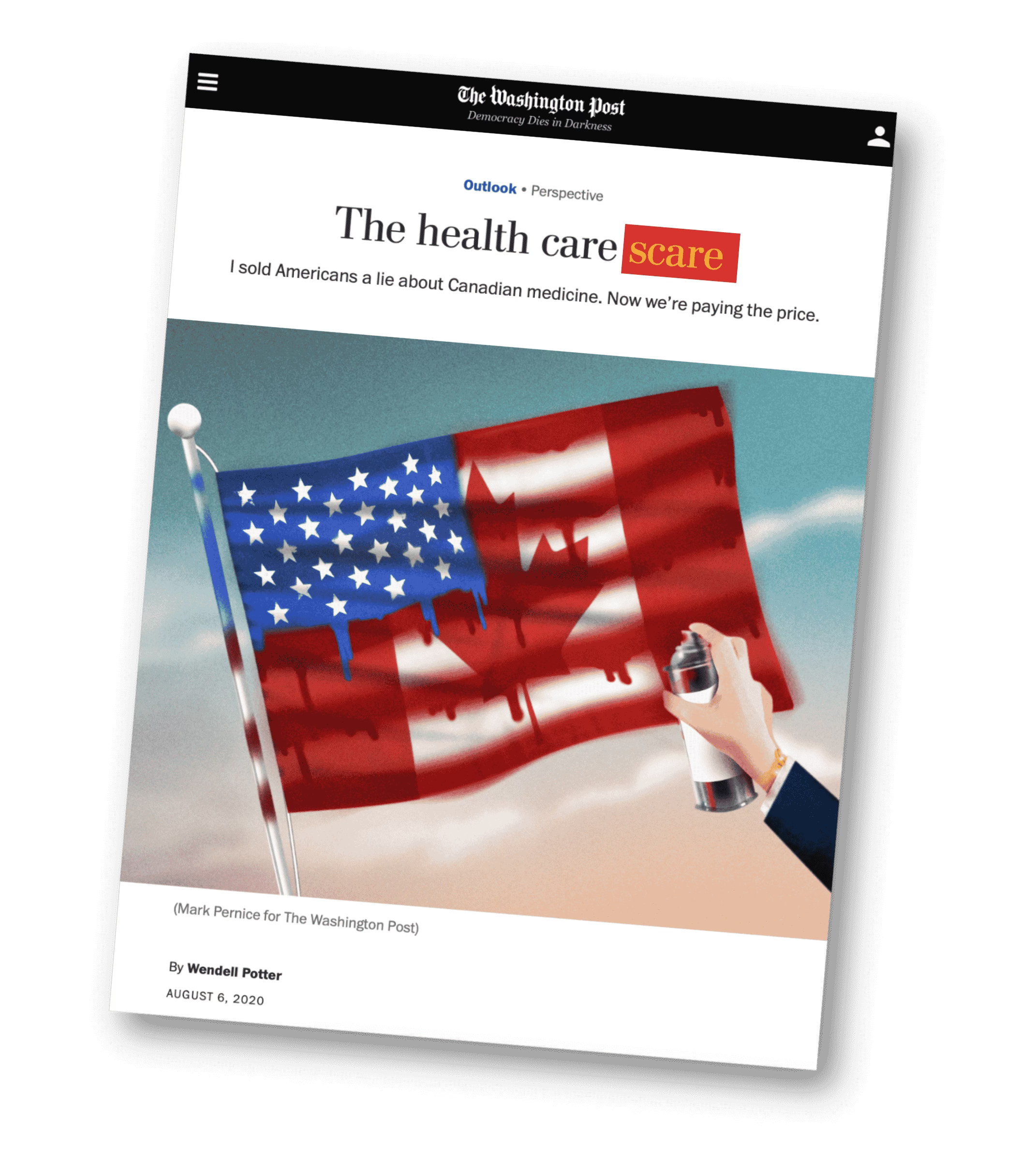
During the industry’s campaign against Michael Moore’s Sicko, for example, we drew on Pipes’ work to portray Canada’s health care system as a cautionary tale. I wrote about that in the Washington Post. And during the debate over what became the Affordable Care Act, she was a forceful critic of the public insurance option insurers desperately wanted to keep out of the final bill.
She was a reliable ally of the health insurance industry then, and she clearly is returning to that role once again.
In her New York Post column last week, Pipes reaches for one of the oldest and most effective arguments against health care reform: “choice.” Pipes says that (currently) employers can switch insurance companies, people buying their own coverage can shop among plans and Medicare beneficiaries can choose between traditional Medicare and privately run Medicare Advantage plans. Medicare for All, she warns, would take that “choice” away.
It’s an argument that has worked before because “choice” sounds pretty good. Who wants fewer “choices” when it comes to their health care? (That’s a rhetorical question. But one answer is the insurance industry, which has been eliminating “choice” and competition for decades now.)
The trick is that much of the “choice” Pipes is talking about is an illusion. Americans with employer-sponsored coverage most certainly do not get to choose their insurance company. Their employer does. And even if you can choose among a handful of health plans at work, all of them at most U.S. businesses that can still afford to offer coverage are operated by the insurance company your employer chose. That’s not the same as being able to choose your doctors or hospitals, which is the “choice” Americans really want. Your health insurer decides which doctors and hospitals are in your network and can require prior authorization before it will pay for care your doctor recommends.
In other words, Americans may have (some) “choice” of plans – with varying levels of deductibles and copayments – but that doesn’t necessarily mean they have a meaningful “choice” when it comes to their health care.
Pipes’ second column last week reveals something else about the “choice” argument. She warns in Newsmax that a public option would have advantages private insurers couldn’t match, eventually drive them from the market and put the country on a “slippery slope” toward single-payer health care. (I can’t tell you how many times I warned about that so-called “slippery slope” when I ran communications at Cigna.) So Pipes essentially is arguing that private insurers must continue to be protected from additional competition in the name of giving Americans “choices.” But give Americans the “choice” of a public plan—and the possibility that millions might prefer it to what private insurers are selling—and suddenly “choice” itself becomes the problem. She ignores the fact that seniors have long been able to choose a public option – traditional Medicare – or one operated by a private insurer – Medicare Advantage. I can assure you that Medicare Advantage is extraordinarily profitable for private insurers. No one should worry that insurance companies won’t continue to make money if people younger than 65 can also at long last be able to choose a public option.
Reason, the libertarian magazine that has been a persistent critic of the Affordable Care Act, Medicare for All and any concept that would allow the government to pass legislation that would interfere with insurance companies’ business practices, published its own warning last week under the headline: “Universal Healthcare Sounds Great. Here’s What’s Happening in Countries That Have It.”
The piece focuses heavily on Canada and Britain, arguing that people in those countries face long waits for care in overcrowded hospitals, and it cites examples of patients who received inadequate care. Those problems are real and shouldn’t be dismissed. Neither Canada nor Britain has a perfect health care system. But the United States sure as hell doesn’t either. Millions of Americans never get the care they need because they can’t afford to buy health insurance. Millions more with insurance can’t use it because of unaffordable out-of-pockets costs and have no “choice” but to go without the care they need.

Reason leans heavily on one of the most familiar scare tactics used against universal health care: the wait times. In Canada, you might wait a few months for an elective procedure like a knee replacement, and in the U.K. see a specialist or get a procedure. In Britain, you might find yourself in an NHS queue. But in either country, unlike in the U.S., you will not have to wait long at all to see your primary care doctor or be admitted to a hospital for medically urgent care.
To be sure, waiting for an elective procedure or imaging annoys many Canadians and Brits. They are real problems. But in this country, we ration care in a way that creates far more harm than waiting in a queue for a few weeks or months for non-urgent care. In the United States, if you can’t afford care, you don’t wait a few months or get thrown on a waiting list – you all too often never get the care. Because in the U.S. of A, if you’re one of the nearly 30 million Americans who are uninsured, or who can’t cover their deductibles, you don’t get it until you get so sick you have to go to the ER. And then you get saddled with hundreds or thousands of dollars in medical debt.
So comparatively, Americans put off the procedures, scans and medications they need. Americans live with pain and hope whatever is wrong doesn’t get worse. In the worst cases, folks in this country die prematurely with conditions that could have been treated because they couldn’t afford to get the care that could have saved their lives.
Reason has been making versions of this argument for years. The magazine has previously published pieces with headlines including “Medicare for All Is Bad Medicine,” “Why Bernie Sanders’ Medicare for All Is a Bad Idea,” and “Medicare for All Would Actually Be a Government Takeover of Health Care.” (“Government takeover” ranked right up there with “slippery slope” when I was an insurance industry propagandist. Get ready to hear both lies again and again and again between now and November.)
Not only did I find propaganda like this effective in my old job, I’ve also seen it effective in real life.
Obviously, the only way we are going to fix our health care system is by debating the difficult things. We can debate Medicare for All. We can debate a public option. Both proposals deserve serious scrutiny if we want to get the next version of our health care system right.
But the attacks against these reforms deserve scrutiny, too — especially when they come from the same people and organizations that have been making them for decades, and when those arguments have historically served the interests of a health insurance system with an enormous financial stake in preventing reform.

