

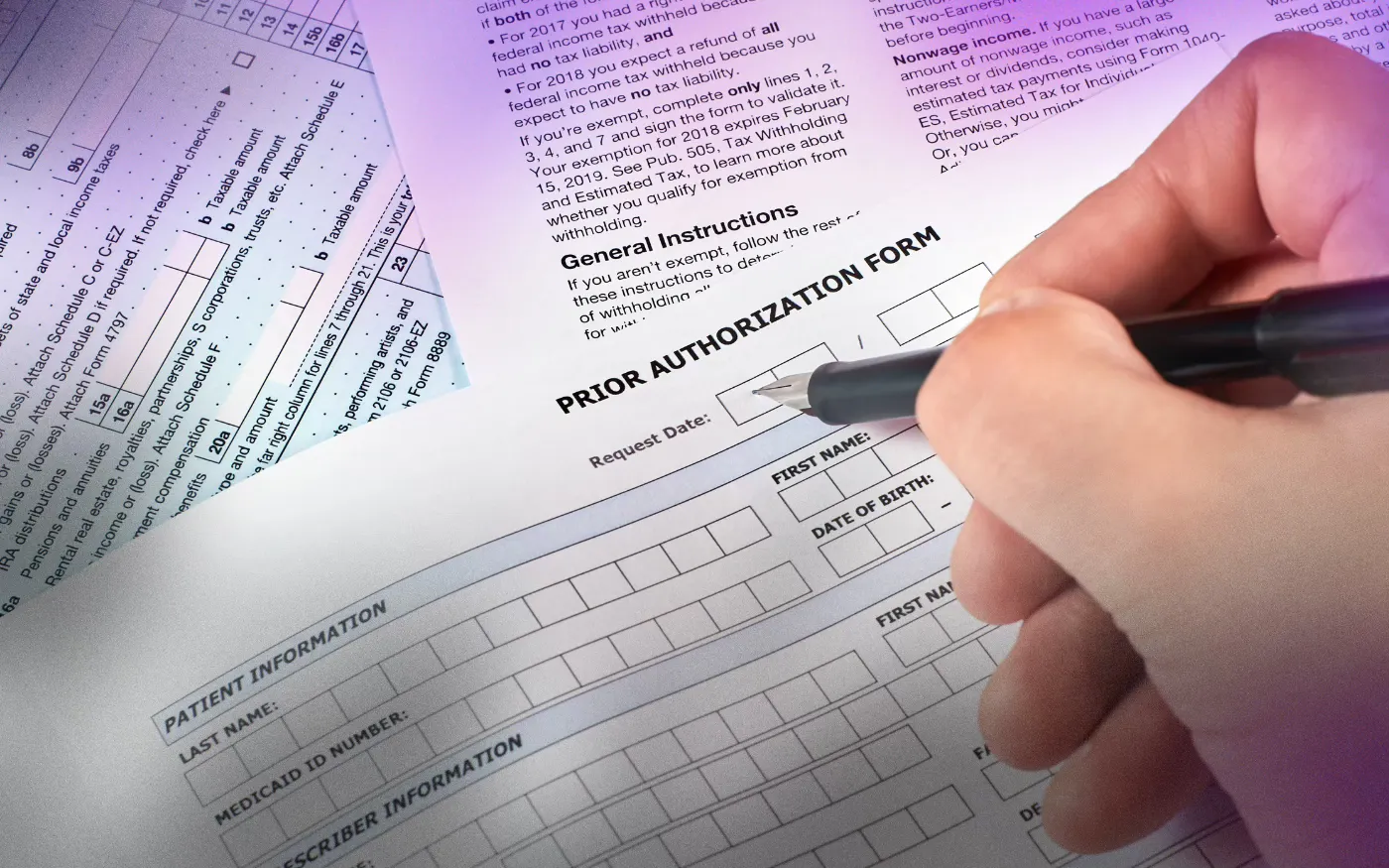
Insurers promised to cut back on prior authorization. Now, ProPublica wants to know whether patients are still being denied or delayed care – and they need your help.
Last year, many of the country’s biggest health insurers promised to cut back on prior authorization. That’s the extra approval step insurers require before they’ll pay for a treatment, test, drug or piece of medical equipment. The pledge came after years of anger from patients, doctors and lawmakers in both parties.
I was skeptical then and I’m skeptical now. Prior authorization makes money for insurers. Every delay and every denial can mean care that never gets paid for. Companies don’t easily give up tools that pad their bottom line.
ProPublica is now trying to find out whether the promises meant anything. Reporters Max Blau and Brandon Roberts are investigating how insurers’ continued use of prior authorization is affecting patients. They want to know if people are still facing delayed or missed care.
I’m delighted they’re doing this. ProPublica can do the kind of reporting my small team can’t do yet – and they need your help.
If you’re covered by Medicaid, CHIP, an ACA marketplace plan or Medicare, and you’ve had a prior authorization request delayed or denied, they want to hear from you. That includes people in Medicare Advantage plans, where prior authorization is especially prevalent. It also includes people in traditional Medicare, where it has been rare until very recently.
The Trump administration is testing a program called WISeR that brings prior authorization into traditional Medicare for certain services in several states. Private tech companies are doing the reviews. As we have reported previously, this could be the start of turning traditional Medicare into something that looks a lot more like Medicare Advantage. If you’re in traditional Medicare and have run into WISeR, ProPublica wants to hear about it.
The reporters also want to hear from people who see the process from the inside. That includes doctors, nurses and office staff who fight these battles every day. It also includes regulators and people who work for insurance companies.
That last group matters. I know from my own years in the industry how much insiders know that the public never sees. If you work at an insurer and you’ve seen how prior authorization really works, please consider reaching out.
ProPublica says it will read everything submitted and won’t publish anything without your consent.

