


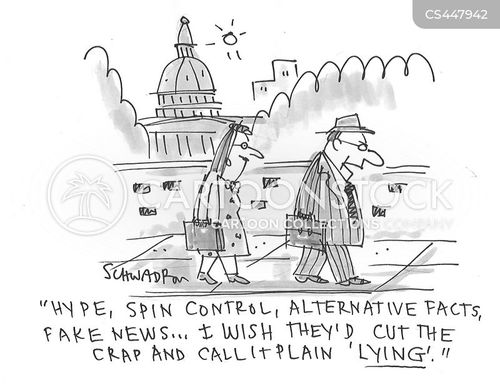
Cartoon – Now, We’re All Just Guessing


Suicide rates rose in all but one state between 1999 and 2016, with increases seen across age, gender, race and ethnicity, according to a report released Thursday by the Centers for Disease Control and Prevention. In more than half of all deaths in 27 states, the people had no known mental health condition when they ended their lives.
In North Dakota, the rate jumped more than 57 percent. In the most recent period studied (2014 to 2016), the rate was highest in Montana, at 29.2 per 100,000 residents, compared with the national average of 13.4 per 100,000.
Only Nevada recorded a decline — of 1 percent — for the overall period, although its rate remained higher than the national average.
Increasingly, suicide is being viewed not only as a mental health problem but a public health one. Nearly 45,000 suicides occurred in the United States in 2016 — more than twice the number of homicides — making it the 10th-leading cause of death. Among people ages 15 to 34, suicide is the second-leading cause of death.
The most common method used across all groups was firearms.
“The data are disturbing,” said Anne Schuchat, the CDC’s principal deputy director. “The widespread nature of the increase, in every state but one, really suggests that this is a national problem hitting most communities.”
It is hitting many places especially hard. In half of the states, suicide among people age 10 and older increased more than 30 percent.Percent change in annual suicide rate* by state, from 1999-2001 to 2014-2016 (Centers for Disease Control and Prevention)
“At what point is it a crisis?” asked Nadine Kaslow, a past president of the American Psychological Association. “Suicide is a public health crisis when you look at the numbers, and they keep going up. It’s up everywhere. And we know that the rates are actually higher than what’s reported. But homicides still get more attention.”
One factor in the rising rate, say mental health professionals as well as economists, sociologists and epidemiologists, is the Great Recession that hit 10 years ago. A 2017 study in the journal Social Science and Medicine showed evidence that a rise in the foreclosure rate during that concussive downturn was associated with an overall, though marginal, increase in suicide rates. The increase was higher for white males than any other race or gender group, however.
“Research for many years and across social and health science fields has demonstrated a strong relationship between economic downturns and an increase in deaths due to suicide,” Sarah Burgard an associate professor of sociology at the University of Michigan, explained in an email on Thursday.
The dramatic rise in opioid addiction also can’t be overlooked, experts say, though untangling accidental from intentional deaths by overdose can be difficult. The CDC has calculated that suicides from opioid overdoses nearly doubled between 1999 and 2014, and data from a 2014 national survey showed that individuals addicted to prescription opioids had a 40 percent to 60 percent higher risk of suicidal ideation. Habitual users of opioids were twice as likely to attempt suicide as people who did not use them.
High suicide numbers in the United States are not a new phenomenon. In 1999, then-Surgeon General David Satcher issued a report on the state of mental health in the country and called suicide “a significant public health problem.” The latest data at that time showed about 30,000 suicides a year.
Kaslow is particularly concerned about what has emerged with suicide among women. The report’s findings came just two days after 55-year-old fashion designer Kate Spade took her own life in New York — action her husband attributed to the severe depression she had been battling.
“Historically, men had higher death rates than women,” Kaslow noted. “That’s equalizing not because men are [committing suicide] less but women are doing it more. That is very, very troublesome.”
National Institute of Mental Health director Joshua A. Gordon explains some of the latest research surrounding suicide rates in the U.S.
Among the stark numbers in the CDC report was the one signaling a high number of suicides among people with no diagnosed mental health condition. In the 27 states that use the National Violent Death Reporting System, 54 percent of suicides fell into this category.
But Joshua Gordon, director of the National Institute of Mental Health, said that statistic must be viewed in context.
“When you do a psychological autopsy and go and look carefully at medical records and talk to family members of the victims,” he said, “90 percent will have evidence of a mental health condition.” That indicates a large portion weren’t diagnosed, “which suggests to me that they’re not getting the help they need,” he said.
Cultural attitudes may play a part. Those without a known mental health condition, according to the report, were more likely to be male and belong to a racial or ethnic minority.
“The data supports what we know about that notion,” Gordon said. “Men and Hispanics especially are less likely to seek help.”
The problems most frequently associated with suicide, according to the study, are strained relationships; life stressors, often involving work or finances; substance use problems; physical health conditions; and recent or impending crises. The most important takeaway, mental health professionals say, is that suicide is an issue not only for the mentally ill but for anyone struggling with serious lifestyle problems.
“I think this gets back to what do we need to be teaching people — how to manage breakups, job stresses,” said Christine Moutier, medical director of the American Foundation for Suicide Prevention. “What are we doing as a nation to help people to manage these things? Because anybody can experience those stresses. Anybody.”People without known mental health conditions were more likely to be male and to die by firearm. (CDC)
The rates of suicide for all states and the District of Columbia were calculated using data from the National Vital Statistics System. Information about contributing circumstances for those who died by suicide was obtained via the National Violent Death Reporting System, which is relatively new and in place in only 27 states.
“If you think of [suicide] as other leading causes of death, like AIDS and cancer, with the public health approach, mortality rates decline,” Moutier said. “We know that same approach can work with suicide.”

A new survey from Lumeris found that 27 percent of major U.S. health system executives intend to launch a Medicare Advantage plan in the next four years. Despite that, confidence among these same execs is lacking, with only 29 percent reporting they felt confident in their organization’s ability to make the launch successfully.
“These survey findings are consistent with our conversations with healthcare executives across the country who are feeling a sense of urgency around Medicare Advantage strategies, but also realize that this type of work is vastly different than traditional health system operations,” said Jeff Carroll, executive director of health plans at Lumeris, by statement.
In April, The Centers for Medicare and Medicaid Services announced it was releasing Medicare Advantage encounter data for the first time by request from the CMS Research Data Assistance Center. The MA encounter data, starting from 2015, provides detailed information about services to beneficiaries enrolled in a Medicare Advantage managed plan. It will give researchers insight into the care delivered under MA plans and will help them improve the Medicare program, CMS said. Annual updates are planned.
According to the 90 executives Lumeris surveyed from major health systems, the top reason for launching a Medicare Advantage plan is the opportunity to capture more value by controlling a greater portion of the premium dollar as compared to fee-for-service Medicare.
Other key drivers cited include market and regulatory trends supporting Medicare Advantage. In particular, shrinking Medicare margins could threaten the viability of hospitals and health systems as the senior population continues to grow and becomes a larger proportion of providers’ patient panels.
The respondents also recognized that launching a Medicare Advantage plan will be challenging due to the complexities of operating an insurance plan, which are far different than the capabilities required to successfully operate a health system.
They also shared concerns about the significant financial investment required and an overall lack of expertise in the health plan space. The majority of respondents, 59 percent, indicated they were likely to use outside resources to launch their plans — and that those resources are very likely to include a vendor partner that can mitigate operational risk.
“Launching and managing a Medicare Advantage plan requires skills beyond the core competencies of most health systems, which is one reason many provider-sponsored plans fail in the first few years,” Carroll said. “Through those failures, it has become clear that providers who select the right partners increase the likelihood for greater success in a shorter period of time.”

A new report from the American Hospital Association highlights just how much hospitals are driving their local economies, as well the national one, with data showing hospitals directly employ nearly 6 million people and purchase more than $900 billion worth of goods and services from other businesses.
But that’s not all. Enter the ripple effect. The goods and services hospitals buy drive economic vitality throughout their communities, with each hospital job supporting roughly two additional jobs in the community. Every dollar a hospital spends yields roughly $2.30 of additional business activity.
When you incorporate that ripple effects into calculations, the AHA reported hospitals actually support 16.5 million jobs nationwide and almost $3 trillion in economic activity.
“In 2016, America’s hospitals treated 143 million people in their emergency departments, provided 605 million outpatient visits, performed over 27 million surgeries and delivered nearly 4 million babies. Every year, hospitals provide vital health care services like these to hundreds of millions of people in thousands of communities. However, the importance of hospitals to their communities extends far beyond health care,” the AHA said.
When it come to states whose hospitals send the most money into the their economies, it’s no surprise that California is the top spender, with $103 billion in total expenditures. Factor in that ripple effect and the Golden State’s total economic output from its hospitals more than doubles to $230 billion.
New York, Texas, Florida and Pennsylvania rounded out the top five states that are most impacted by hospital expenditures, the report said.
When it comes to a hospitals impact on the state’s labor force, it’s not just about who creates the most. Maine is actually the state most impacted by hospital job creation with total of 38,105 hospital jobs. That hospital workforce makes up a little more than 14 percent of the states overall workforce. Ohio was the second most impacted state, with 298,371 hospital jobs that constitute just almost 13 percent of the state’s workforce.
Minnesota, West Virginia and Massachusetts rounded out the other top five states whose workforce is impacted by hospital jobs. Minnesota’s hospital workforce constitutes a little more than 12 percent of the overall state force, West Virginia’s hospital workforce was nearly 11.7 percent and Massachusetts was almost the same with 11.6 percent.
As both healthcare and economic cornerstones of their communities, the pressure is greater for hospitals leaders to find new ways to add value, maintain financial margins and keep doors open. That is one of the drivers behind the rash of merger and acquisition activity. With ever-increasing regulatory burdens that require more manpower or physician’s time to manage, coupled with the need to make much needed updates in technology, modernize facilities to meet current trends or just maintain appropriate levels of care and accommodation for patients, not to mention staying competitive for hospitals in areas where other systems want to dip into their patient volumes, hospital leaders are eyeing mergers as a means of keeping doors open sot they can continue to support their communities both clinically and economically.
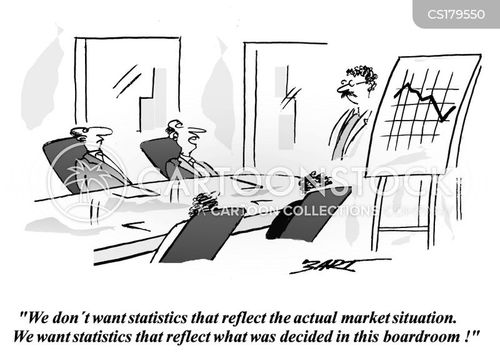
Spin Belongs in The Gym, Not The Workplace – 4 Ways to Increase Transparency

I have a motto when it comes to honesty and transparency at work: Spin belongs in the gym, not the workplace.
Spinning the truth is a way of shaping our communications to make our self, the company, or the situation appear better than it is in reality. It’s become so commonplace in the corporate world that many times we don’t even realize we’re doing it. We “spin” by selectively sharing the facts, overemphasizing the positive, minimizing the negative, or avoiding the obvious, all in an attempt to manipulate the perception of others. See if a few of these spins on the truth sound familiar:
Spinning the truth is one of the most common ways leaders bust trust. It also leads to tremendous inefficiencies because people are confused about roles, they duplicate work, balls get dropped, and people resort to blaming others. Poor morale, cynicism, and political infighting become the norm when honesty and transparency are disregarded.
There are macro-level societal events and trends driving the need for greater transparency in the workplace. We’re all familiar with the digital privacy concerns related to the pervasiveness of technology in our lives, and we’ve witnessed the corporate scandals of blatant deceit and dishonesty that’s contributed to record low levels of trust. The global meltdown of trust in business, government, and other institutions over the last several years has generated cries for more transparency in communications, legislation, and governance. Oddly enough, research has shown that in our attempts to be more transparent, we may actually be suffering an illusion of transparency—the belief that people are perceiving and understanding our motivations, intents, and communications more than they actually are.
But at the individual, team, and organization levels, what can we do to build greater trust, honesty, and transparency? I have four suggestions:
Spin is a great activity for the gym and it keeps you in fantastic shape. However, in the workplace, spin is deadly to your health as a leader. It leads to low trust, poor morale, and cynicism in your team. Keep spin in the gym and out of the workplace.

In the northeast corner of California, nearly kissing Nevada and Oregon, lies Surprise Valley. At approximately 70 miles long, the valley is home to 1,232 people, which works out to about two people per square mile. Services are sparse: The Chamber of Commerce website lists two grocery stores, one insurance agency, and one hospital with an emergency room to provide care to its residents.
 That hospital, Surprise Valley Community Hospital, is a vital institution, but it is bankrupt. Barbara Feder Ostrov of Kaiser Health News reports that years of mismanagement caught up to the hospital in 2017. By the time state inspectors arrived that June, the hospital was in a state of disarray — crushed by debt, it had only one acute care bed and a chief administrator who was MIA. Residents of Surprise Valley were torn between keeping it open and shuttering it even though the nearest hospital with an emergency room is 25 miles away on the other side of a mountain pass. In the June 5 California election, county voters chose to sell the hospital to an out-of-state entrepreneur rather than risk the hospital’s closure.
Surprise Valley isn’t alone in its lack of access to health care. Since 2010, 83 rural US hospitals have closed, Michael Graff writes in the Guardian. For residents of rural areas, the closure of the local hospital can cut off a lifeline. When Portia Gibbs of Belhaven, North Carolina, had a heart attack in 2014, her husband, Barry, had to choose between driving her 60 miles east to a hospital in Nags Head or 70 miles west to a hospital in the town of Washington. Portia never made it to a hospital.
It’s difficult to attract physicians and hospitals to rural areas, where wages and reimbursement rates tend to be lower. “What happens is if you’re a cardiologist you have a tendency to move to the East Coast where you can get paid more for the same procedure,” said US Senator Jerry Moran (R-Kansas) in a meeting with HHS Secretary Alex Azar, according to Modern Healthcare.
There is no easy fix for the decline in the number of rural hospitals, but Moran and other senators have proposed fixing the Medicare wage index. The index, which factors into reimbursement of hospitals serving Medicare patients, is a formula that accounts for geographic differences in wages and the cost of living. Some lawmakers contend that the formula penalizes rural hospitals and exacerbates the hospital shortage. Updating the index to increase payments to Medicare providers in underserved areas could draw more physicians to rural hospitals, which could help prevent hospitals from going under.
Some rural hospitals have tried another solution: joining multihospital systems. In California, where 25% of rural hospitals have closed over the past two decades, 19 rural hospitals have combined forces in systems composed of at least two other hospitals. However, our analysis of six of these hospitals showed mixed results for this strategy: The financial status of one rural hospital improved substantially after joining a system, but two others saw lower net income.
Perhaps a more feasible solution to lack of access to care in rural areas can be found in expanding the health care workforce. A study published in Health Affairsfound a growing presence of nurse practitioners (NPs) among rural practices nationwide. From 2008 to 2016, the number of NPs in rural areas increased 43%. Not surprisingly, “states with restricted scopes of practice had lower NP presence and slower growth.” The authors conclude that “adding nurse practitioners is a useful way for practices to align themselves with contemporary efforts to improve access and performance.”
It seems fitting and bittersweet to end this edition of Essential Coverage with our tribute to the late Herrmann Spetzler, the visionary CEO and the heart of Open Door Community Health Centers in rural Humboldt and Del Norte Counties. To underscore his commitment to providing health care in remote locales, he often described himself in meetings and speeches as “Herrmann Spetzler, RURAL.” Spetzler’s unexpected death in March cut short his life’s work to provide health care to everyone, regardless of income or geography. His passing leaves a huge hole in the community he served.

 HENRY KOTULA