Atrium Health releases 92 physicians looking to break away

https://www.beckershospitalreview.com/hospital-physician-relationships/atrium-health-releases-92-physicians-looking-to-break-away.html

Hospital-Physician Relationships

Charlotte, N.C.-based Atrium Health said April 25 it will grant the request of a group of physicians looking to separate and end their employment agreements with the health system Sept. 1, according to The Charlotte Observer.

In an emailed statement to Becker’s Hospital Review April 25, Atrium confirmed it will release a group of roughly 92 Mecklenburg Medical Group physicians from their noncompete agreements, effective Sept. 1. The physicians will continue practicing as part of the health system until Aug. 31.

“While we were hopeful that our many months of discussions would lead to an acceptable solution for everyone involved, we will not seek to prevent these physicians from forming a standalone practice,” the health system told Becker’s.

Atrium said it will also offer the physicians new employment agreements “in the hopes they remain at Atrium Health and their MMG practice … and join the other 1,900 physicians who provide care for our patients,” the health system told Becker’s.

The group of roughly 92 Mecklenburg Medical Group physicians filed a lawsuit against Atrium April 2, arguing the health system engaged in monopolistic and anticompetitive behavior. Atrium said the same day it would allow the physicians to leave the organization. On April 16, the physicians filed a complaint against the health system with the North Carolina Medical Board, alleging the health system violated board regulations by intentionally misleading patients.

Atrium acquired Mecklenburg Medical Group in 1993, according to The Charlotte Observer. In a statement to the publication, the physicians said their attorneys will meet with Atrium’s lawyers to further assess the situation.

Atrium Health CEO Eugene Woods told The Charlotte Observer the health system is in the process of hiring roughly 20 physicians to help fill the vacant positions left by physicians planning to leave Mecklenburg Medical Group. The health system also previously offered to give employees who choose to say a bonus of up to 10 percent of their salary if they remain through the end of the year.

“We feel for our staff, and our first concern was making sure that they feel that we’re with them,” Mr. Woods told the publication. “We offered them retention bonuses because some of them were scared about what the future is going to be.”


Health Care and the Midterms

1 big thing: health care and the midterms

More than half of voters in Arizona, Nevada and Tennessee want Congress to modify the Affordable Care Act, while less than a third want it to be completely repealed and only 6% think Congress should “let it fail.”

Why it matters: Arizona and Nevada are seen as the states where Democrats have the best chance in November to take Senate seats currently held by Republicans, and Tennessee is working its way up the list. One of Democrats’ most unifying and effective messages this cycle is health care, and they’ll be sure to campaign hard against the GOP’s repeal effort in these states.

Health Care’s New ‘Skinny Plans’: Winners and Losers

https://www.wsj.com/articles/health-cares-new-skinny-plans-winners-and-losers-1524654000

Image result for Health Care’s New ‘Skinny Plans’: Winners and Losers


Trump’s ‘skinny plans’ offer a cheaper alternative to the Affordable Care Act, but may have far less coverage.


New, more-limited health plans may draw consumers away from Affordable Care Act coverage and drive up prices on insurance sold in the health law’s marketplaces. These “skinny” plans offer lower premiums, making them an attractive alternative for young, healthy buyers.

New, more-limited health plans may draw consumers away from Affordable Care Act coverage and drive up prices on insurance sold in the health law’s marketplaces.

These “skinny” plans offer lower premiums, making them an attractive alternative for young, healthy buyers.

AHIP Sees SCOTUS Ruling as a Win for Generic Drugs

http://www.healthleadersmedia.com/health-plans/ahip-sees-scotus-ruling-win-generic-drugs?utm_source=edit&utm_medium=ENL&utm_campaign=HLM-Daily-SilverPop_04262018&spMailingID=13391393&spUserID=MTY3ODg4NTg1MzQ4S0&spJobID=1382296115&spReportId=MTM4MjI5NjExNQS2

Image result for supreme court


The high court upholds the constitutionality of a patent appeals process that the health insurance industry says will help to negate stall tactics used by brand name drug makers.

A U.S. Supreme Court ruling this week that upholds the constitutionality of a patent review process is being hailed as a win for consumers by the health insurance industry.

America’s Health Insurance Plans says the high court’s 7-2 decision in Oil States v. Greene’s Energy Group upheld the inter partes review process as a way to prevent drug manufacturers from inappropriately prolonging patent monopolies past the time intended by Congress.

“Patients had a lot at stake in the Supreme Court’s determination. Congress designed inter partes review as a quick and cost-effective way to weed out weak patents – including patents for branded prescription drugs,” AHIP said in prepared remarks.

Nicole S. Longo, senior manager of public affairs at Pharmaceutical Research and Manufacturers of America (PhRMA), said the ruling “was narrowly tailored, finding only that IPR is constitutional, not that it is efficient or fair.”

Longo pointed to another Supreme Court ruling this week, SAS Institute v Iancu, that raises concerns about the patent review process.

“SAS Institute v Iancu makes clear there are problems with the IPR process that need to be addressed. This decision points toward reforms to IPR, something stakeholders have raised time and again to the Patent and Trademark Office and members of Congress,” she said.

“Given this narrow decision, we call on Congress and the PTO to take steps to address the Supreme Court’s ruling in SAS Institutes v Iancu and concerns raised by stakeholders, and we stand ready to work with policymakers to make the IPR process more fair for all.”

According to Reuters, Congress created the reviews in 2011 to handle the perceived high number of flimsy patents issued by the patent office in prior years. Since then, the agency’s Patent Trial and Appeal Board has canceled all or part of a patent in about 80% of its final decisions.

The health insurance lobby said that the ruling ensures that millions of people will have faster access to affordable medicine.

“By upholding a faster and less costly patent review process, the Supreme Court has protected an important pathway that allows generic prescription drugs to get to patients faster. Generic drugs increase competition and choice in the market, which helps to lower drug prices,” AHIP said.

Longo said PhRMA has raised significant concerns with the IPR process because it requires drug makers to defend patents in multiple venues under different standards and with procedural rules that are less fair to patent owners than a federal court.

“This creates significant business uncertainty for biopharmaceutical companies that rely on predictable intellectual property protections to justify long-term investments needed to discover new treatments and cures,” Longo said.

What creates a toxic hospital culture?

https://www.kevinmd.com/blog/2015/10/what-creates-a-toxic-hospital-culture.html

Image result for toxic culture


Hospital culture is largely influenced by the relationship between administrative and clinical staff leaders. In the “old days” the clinical staff (and physicians in particular) held most of the sway over patient care. Nowadays, the approach to patient care is significantly constricted by administrative rules, largely created by non-clinicians. An excellent description of what can result (i.e., disenfranchisement of medical staff, burn out, and joyless medical care) is presented by Dr. Robert Khoo.

Interestingly, a few hospitals still maintain a power shift in the other direction — where physicians have a stranglehold on operations, and determine the facility’s ability to make changes. This can lead to its own problems, including unchecked verbal abuse of staff, inability to terminate bad actors, and diverting patients to certain facilities where they receive volume incentive remuneration. Physician greed, as Michael Millenson points out, was a common feature of medical practice pre-1965. And so, when physicians are empowered, they can be as corrupt as the administrations they so commonly despise.

As I travel from hospital to hospital across the United States (see more about my “living la vida locum” here), I often wonder what makes the pleasant places great. I have found that prestige, location, and generous endowments do not correlate with excellent work culture. It is critically important, it seems, to titrate the balance of power between administration and clinical staff carefully — this is a necessary part of hospital excellence, but still not sufficient to insure optimal contentment.

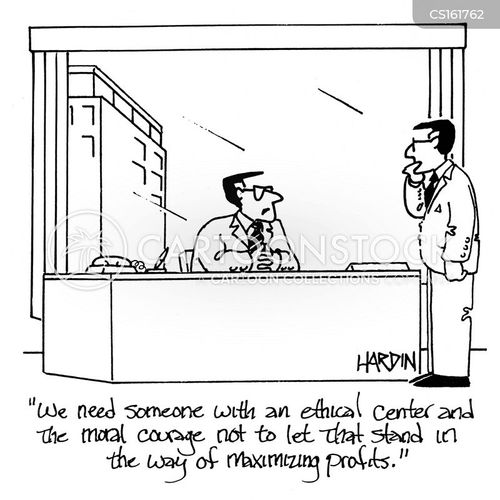
In addition to the right power balance, it has been my experience that hospital culture flows from the personalities of its leaders. Leaders must be carefully curated and maintain their own balance of business savvy and emotional IQ.  Too often I find that leaders lack the finesse required for a caring profession, which then inspires others to follow suit with bad behavior. Unfortunately, the tender hearts required to lead with grace are often put off by the harsh realities of business, and so those who rise to lead may be the ones least capable of creating the kind of work environment that fosters collaboration and kindness. I concur with the recent article in Forbes magazine that argues that poor leaders are often selected based on confidence, not competence.

The very best health care facilities have somehow managed to seek out, support and respect leaders with virtuous characters. These people go on to attract others like them. And so a ripple effect begins, eventually culminating in a culture of carefulness and compassion. When you find one of these gems, devote yourself to its success because it may soon be lost in the churn of modern work schedules.

Perhaps your hospital work environment is toxic because people like you are not taking on management responsibilities that can change the culture. Do not shrink from leadership because you’re a kind-hearted individual. You are desperately needed. We require emotionally competent leaders to balance out the financially driven ones. It’s easy to feel helpless in the face of a money-driven, heavily regulated system, but now is not the time to shrink from responsibility.

Be the change you want to see in health care.