

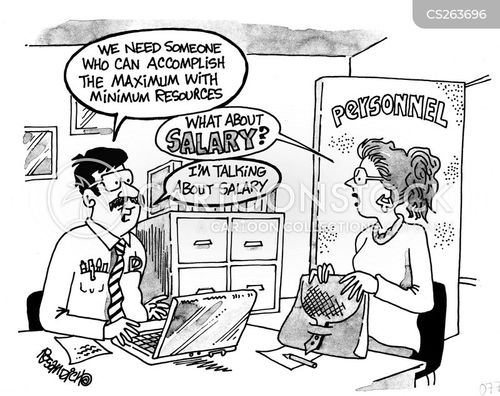
Cartoon – Recruiting Today


http://www.healthleadersmedia.com/leadership/healthcare-changes-so-must-its-ceos-cfos-coos%E2%80%A6

“An increasing number of boards are asking the question: ‘Are we structured in competency, number, and culture to lead a nine- or 10-figure business going forward?’ The time it takes to recalibrate can be fairly significant.”
“You’ve got to get beyond shared governance after a while and move toward unified governance. The right time is when you have a sense the board is struggling to keep up with the agenda and provide oversight.”

Issue: Finding ways to improve outcomes and reduce spending for patients with complex and costly care needs requires an understanding of their unique needs and characteristics.
Goal: Examine demographics and health care spending and use of services among adults with high needs, defined as people who have three or more chronic diseases and a functional limitation in their ability to care for themselves or perform routine daily tasks.
Methods:Analysis of data from the 2009–2011 Medical Expenditure Panel Survey.
Key findings: High-need adults differed notably from adults with multiple chronic diseases but no functional limitations. They had annual health care expenditures that were nearly three times higher—and which were more likely to remain high over two years of observation—and out-of-pocket expenses that were more than a third higher, despite their lower incomes. On average, rates of hospital use for high-need adults were more than twice those for adults with multiple chronic conditions only; high-need adults also visited the doctor more frequently and used more home health care.
Conclusion: Wide variation in costs and use of services within the high-need group suggests that interventions should be targeted and tailored to those individuals most likely to benefit.

Why Bundled Payments?
Under bundled payments, a single payment is made for all of the services associated with an episode of care, such as a hip or knee replacement or cardiac surgery. Services might include all inpatient, outpatient, and rehabilitation care associated with the procedure.
More conceptually, health care economists are drawn to bundled payments because a bundle of care constitutes a clinically and intuitively meaningful “product” — in this case, the clinical episode. Defining clear products in health care helps create markets in which providers directly compete on quality and price. One barrier to effective health care markets has been that prices, when available, tend to relate to inputs into clinical care — such as pills, bandages, bed days, or X-rays — that are not meaningful to consumers of care and that don’t necessarily predict the total costs of care. For example, a health system that charges a lot for X-rays may still be more efficient because it uses fewer of them or saves money on other inputs. Bundles bring all these inputs together into a single price for a single basket of services.


