


Cartoon – Job Automation


Nearly 4 million Americans have been unemployed for 27 weeks or longer — trapped in a vicious cycle that makes it harder to get back to work.
The big picture: Long-term unemployment during a pandemic is a double whammy. Millions are experiencing food and housing insecurity and lack health care when they need it most.
What’s happening: “The troubling amount of long-term unemployment and its continuing rise is dangerous for the U.S. labor market,” says Nick Bunker, an economist at the jobs site Indeed. “A fast labor market recovery will help alleviate these concerns, but that bounce back is still a ways away and dependent on controlling the coronavirus.”
Why it matters: Studies have shown that long-term unemployment hurts workers’ physical and mental health, reports Bloomberg. And the longer someone is unemployed, the harder it is for that person to get another job — let alone another job at the same pay level.
Job-seeking is even more exhausting during a pandemic, says Tim Classen, an economist at the Quinlan School of Business at Loyola University in Chicago.
“The fluctuations in uncertainty play into this, too,” Classen says. Millions of restaurant workers, flight attendants, retail workers and more aren’t sure when the pandemic will end — or if their employers will even survive it.
There’s a bit of a silver lining, though.

The figures are the last from the Trump administration, which has drastically reduced money toward navigators who help people use the Healthcare.gov website and find the best ACA plan for them. The administration has made no secret of its opposition to the law and after failing to overturn it in Congress has used executive actions to undermine it.
Still looming is the Trump administration’s lawsuit seeking to overturn the landmark law.
President-Elect Joe Biden and his pick for HHS chief, California Attorney General Xavier Becerra, however, are eager supporters and are likely to take a number of actions to restore and burnish it. That could be increasing tax credits and subsidies, increasing navigator funding and building on protections like essential health benefits.
The U.S. Supreme Court is expected to make its ruling on the ACA case later this spring or summer, but the Biden administration could essentially make it moot by walking back the zeroing out of the individual mandate penalty that is the linchpin of the lawsuit against it.
The relatively steady enrollment could be increased through those actions and the possibility of a special enrollment period to account for needs during the coronavirus pandemic. The COVID-19 crisis and the recession it has caused have kicked millions of people off their employer-sponsored insurance, and they could turn to the exchanges for coverage, especially with higher tax credits and subsidies.
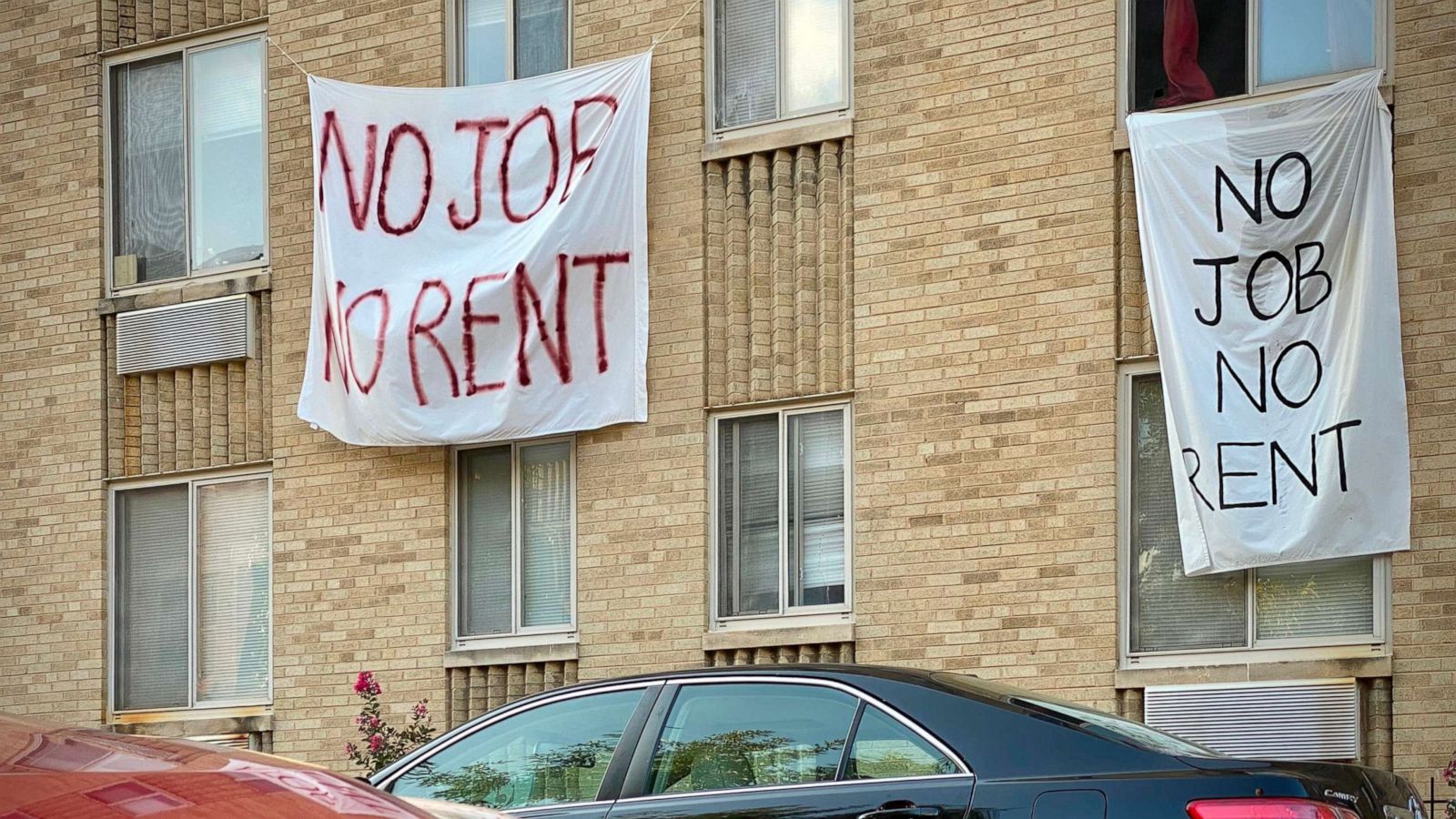
The number of new unemployment claims filed last week jumped by 181,000 the week before to 965,000, the largest increase since the beginning of the pandemic.
It was the largest number of new unemployment claims since August.
An additional 284,000 claims were filed for the Pandemic Unemployment Assistance, the insurance for gig and self-employed workers.
The weekly report is President Trump’s last before President-elect Joe Biden is sworn in on Jan. 20. Biden will inherit a labor market badly weakened by the coronavirus pandemic and an economic recovery that appears to have stalled: 140,000 people lost their jobs in December, the first decline in months, with the U.S. still down millions of jobs since February.
The dire numbers will serve as a backdrop for Biden as he formally unveils an ambitious stimulus package proposal on Thursday, which could top $1 trillion, and is expected include an expansion of the child tax credit, a $2,000 stimulus payment, and other assistance for the economy.
Democrats were already using the weak labor to argue about the necessity of more aid.
Economists say that the economy’s struggles could be explained, in part, by the delay Congress allowed between the summer, when many fiscal aid programs expired and December, when lawmakers finally agreed on a new package after months of stalemate.
The number of new jobless claims has come down since the earliest days of the pandemic, but remains at a extremely high level week in and week out.
The total number of continuing people in any of the unemployment programs at the end of the year was 18.4 million, although officials have cautioned that the number is inflated by accounting issues and duplicate claims.
The increase in claims is not entirely unexpected. As the aid package passed by Congress in December kicks in, including a $300 a week unemployment supplement, some economists expected that to result in more workers filing claims.
 HENRY KOTULA