The virus has likely been circulating in U.S. cities intermittently for years, experts say.
The fact that poliovirus was detected in New York City wastewater samples as far back as April of this year shouldn’t be surprising, as the virus likely has been circulating for longer and more widely than previously believed, several experts told MedPage Today.
“I think you’re gonna see over the next weeks more and more reports of poliovirus in wastewater elsewhere,” said Vincent Racaniello, PhD, a virologist at Columbia University in New York City.
Poliovirus probably still circulated in the U.S. after 2000, when officials stopped giving the oral polio vaccine, he said. That version protects against paralysis and provides short-term protection against intestinal infection from poliovirus.
The transition to injectable polio vaccine, which is equally as effective against paralysis but not against intestinal infection, meant that the U.S. population was more susceptible to transmitting vaccine-associated poliovirus, he explained.
This circulation is likely occasional and sporadic, he said, but the threat to vulnerable populations is still high.
“Here’s the thing: polio is here in the U.S. It’s not gone,” Racaniello said. “It’s in the wastewater. It could contaminate you, so if you’re not vaccinated, that could be a problem.”
Calls for Nationwide Surveillance
Racaniello said there’s value in learning more about the circulation of the virus, especially for communities with low vaccination rates.
The first step to understanding how long and how broadly poliovirus is circulating, he said, is to start testing wastewater everywhere. The CDC used stored wastewater from April to confirm that the virus had been circulating then, but it is just as possible to conduct nationwide surveillance for poliovirus now, he noted.
In fact, Racaniello said, he has long believed that this kind of surveillance should be done routinely to provide an early detection system for poliovirus.
“Ten years ago, I said to the CDC, you should really be looking in the sewage for poliovirus because of this issue where it could come in from overseas and be in our sewage,” he said. “If someone is unvaccinated, that would be a threat to them, but [the CDC] never did it.”
Davida Smyth, PhD, of Texas A&M University-San Antonio, pointed out that the National Wastewater Surveillance System (NWSS) was established to detect COVID-19 in 2020, so the infrastructure to conduct a wide search for the spread of polio is available.
The primary issue, she said, is that the collaboration that academic researchers have enjoyed with the CDC in surveillance of COVID-19 is so far absent with poliovirus.
“I imagine the CDC is testing those samples for polio, even as we speak, given the nature of what has happened,” Smyth said.
Better coordination with academia and better surveillance, she said, is crucial for finding any potential pockets of poliovirus circulating in other communities around the U.S.
In fact, she said, she is “absolutely convinced” that more polio will be found in the coming weeks.
MedPage Today contacted the CDC to ask whether there are plans to use the NWSS to look for polio around the U.S., but as of press time had not received a response.
Smyth noted that most areas in the country have high rates of polio vaccination, but she is concerned about pockets of rural America where vaccination has dipped in recent years.Most states boast polio vaccination rates over 90%, but Smyth said in some regions, the percentages may be as low as the mid-30s.
“[In] the vast majority of the United States, the vaccination rates are quite high, but the COVID pandemic has led to a decrease in vaccination rates,” Smyth told MedPage Today. “The rates are going down. They’re dipping below 90%, which is shocking, frankly.”
Smyth said the decline is largely due to a lack of opportunity or access to healthcare in some areas, but vaccine hesitancy around the COVID-19 vaccine might be affecting polio vaccinations as well.
“There’s a variety of reasons why people don’t get vaccinated,” she said. “The problem is children are very vulnerable. So if you have a population where the vaccination rates drop, those are exactly the kinds of areas where we need to do this surveillance.”
Racaniello echoed the importance of polio vaccination in adults as well. If patients don’t have a record of their shot, “just vaccinate them,” he said, “because there’s no downside to getting vaccinated again.”
Re-evaluating the Polio Endgame
The recent case of paralytic polio infection and concerns over the wider circulation of poliovirus have also altered some of the thinking around the goal of polio eradication.
In fact, William Schaffner, MD, of Vanderbilt University Medical Center in Nashville, highlighted the unique difficulty of preventing the spread of poliovirus.
“As you can imagine, we’ve gotten into polio endgame,” he told MedPage Today. “I think the notion has now been modified. Eradication isn’t going to be as neat and clean and quick as we once thought. Once we get rid of all paralytic disease, we will have to keep vaccinating for a long time, because there will still be circulating vaccine-associated viruses — some of which will mutate back.”
Schaffner compared the final push to eradicate polio with the successful eradication of smallpox. When the last case of smallpox ended, he explained, public health officials were able to end smallpox vaccination campaigns. For polio, however, he said, it will likely not be that simple, and it will be necessary “to keep vaccinating for quite a long time.”
He said that as public health officials in the U.S. and globally continue to grapple with the nuances of eradicating poliovirus, healthcare providers and their patients will have to come to terms with the simple fact that polio is a real health concern.
“[It’s] the reverse of the old saying, ‘it’s gone, but not forgotten,'” Schaffner said. “Polio is forgotten, but it’s not gone.”
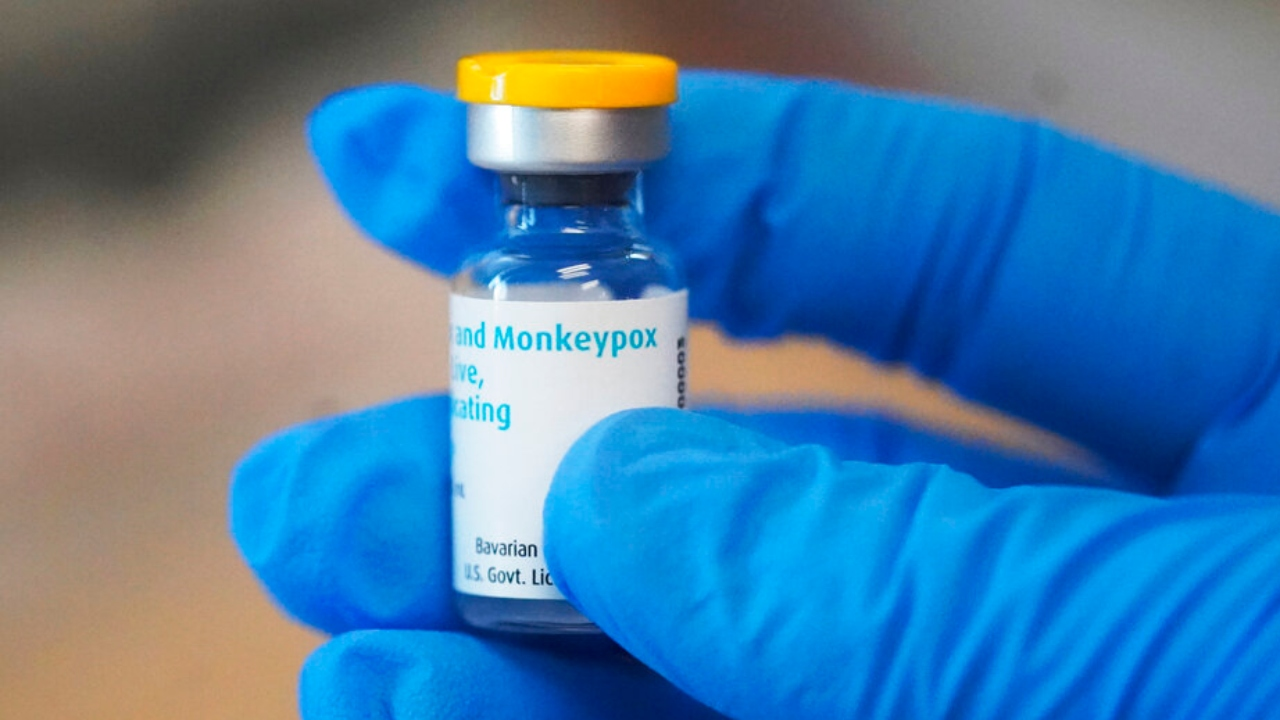
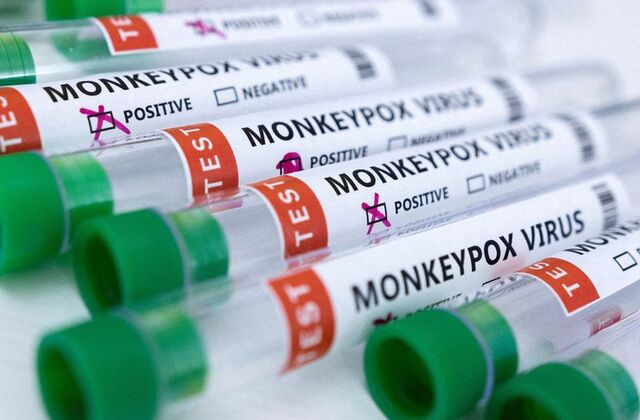
This week, the Food and Drug Administration (FDA) announced a change intended to stretch out the limited supply of monkeypox vaccine doses, allowing the shots to reach five times the number of patients. Monkeypox, a disease in the smallpox family, is spread primarily through skin-to-skin contact, often causing patients to develop painful lesions.
Although most cases resolve within a few weeks, the rapid growth in cases, now more than 9K domestically and 30K globally, is still a cause for concern, leading federal officials to declare a public health emergency last week. The FDA is also recommending that providers administer the vaccine between layers of skin, rather than below the skin into fatty tissue. This dosing change will allow providers to extend the nearly half a million doses not yet sent to states, in order to reach the more than 1.6M Americans considered highest risk.
The Gist: The country is now dealing with two public health emergencies from highly contagious diseases simultaneously. While monkeypox isn’t nearly as transmissible, deadly, or overwhelming to the healthcare system as COVID, the public health response has nonetheless been lackluster (and this week’s new COVID guidance suggests that the CDC has largely given up on managing the response, devolving responsibility to individuals in nearly all settings).
For those hoping that the COVID experience would spark faster action by our public health system, the federal response to monkeypox shows we haven’t applied the lessons learned. Public health authorities aren’t conducting rigorous disease surveillance, testing and treatments remain hard to get, and Congress isn’t dedicating funds for the response. The lack of proactive leadership is likely to result in healthcare providers again bearing the brunt of efforts to manage another unsuppressed viral outbreak.
The monkeypox virus typically spreads through direct contact with respiratory secretions, such as mucus or saliva, or skin lesions. Skin lesions traditionally appear soon after infection as a rash – small pimples or round papules on the face, hands or genitalia. These lesions may also appear inside the mouth, eyes and other parts of the body that produce mucus. They can last for several weeks and be a source of virus before they are fully healed. Other symptoms usually include fever, swollen lymph nodes, fatigue and headache.
I am an epidemiologist who studies emerging infectious diseases that cause outbreaks, epidemics and pandemics. Understanding what’s currently known about how monkeypox is transmitted and ways to protect yourself and others from infection can help reduce the spread of the virus.
How is this outbreak different from prior ones?
The current monkeypox epidemic is a bit unusual in a few ways.
First, the sheer scope of the current epidemic, with over 25,000 cases worldwide as of early August and in countries where the virus has never appeared, sets it apart from previous outbreaks. Monkeypox is endemic to specific areas in central and western Africa, where cases occur sporadically and outbreaks are usually contained and quickly burn out. In the current outbreak, global spread has been rapid. Young men, mostly ages 18 to 44, account for the majority of cases, and over 97% identify as men who have sex with men (MSM). Some superspreading events associated with air travel, international gatherings and multiple-partner sexual encounters contributed to early transmission of the virus.
Second, the way symptoms are appearingmay facilitate spread among people who don’t yet know they are infected. Mostpatients reported mild symptoms without fever or swollen lymph nodes, symptoms that typically appear before a skin rash is visible. While most people do develop skin lesions, many reported having only a single papule that was often obscured inside a mucosal area, such as inside the mouth, throat or rectum, making it easier to miss.
A number of people reported no symptoms at all. Asymptomatic infections are more likely to go undiagnosed and unreported than those with symptoms. But it is not yet known how asymptomatic individuals may be contributing to spread or how many asymptomatic cases may be undetected so far.
Who is at risk of getting monkeypox?
For most people, the risk of getting monkeypox is currently low. Anyone who has prolonged, close contact with an infected person is at risk, including partners, parents, children or siblings, among others. The most common settings for transmission are within households or health care settings.
Because of sustained transmission within the community of men who have sex with men, they are considered an at-risk group, and targeted recommendations can help allocate resources and limit transmission. While monkeypox is spreading primarily among MSM, this does not mean that the virus will remain confined to this group or that it won’t jump to other social networks. The virus itself has no regard for age, gender, ethnicity or sexual orientation.
Anyone who comes into direct contact with the monkeypox virus is at risk of being infected.New cases are recorded daily, with additional countries and regions reporting their first cases and already affected countries observing a continued rise in infections.
As with most infections, other factors, such as the amount of viral exposure, type of contact and individual immune response, play a role in whether an infection takes hold.
Is monkeypox an STI?
While sexual encounters are currently the predominant mode of transmission among reported cases, monkeypox is not a sexually transmitted infection. STIs are spread primarily through sexual contact, while monkeypox can spread through any form of prolonged, close contact.
Close contact that transmits the monkeypox virus involves encounters that are typically more intimate or involved than having a casual conversation or standing next to someone in an elevator. Transmission requires exchange of mucosal fluids or direct contact with the virus in sufficient quantity to seed an infection. This could occur through physical contact during kissing or cuddling.
Because sexual encounters involve direct skin-to-skin physical contact where bodily fluids may be exchanged, these close encounters can transmit viruses more easily. Recently, monkeypox DNA has been detected in feces and various body fluids, including saliva, blood, semen and urine. But the presence of viral DNA does not necessarily mean that the virus can infect someone else. Transmission from these sources is still under investigation.
As the virus moves through populations, public health officials focus on getting the message out to the most at-risk and hardest hit communities about how to stay safe. Currently, breaking the transmission chain among sexual contacts is a priority, including but not limited to MSM communities. Targeted messaging is meant to protect the health of a specific group, not to stigmatize the intended audience.
Other modes of transmission may play a greater role outside the MSM community. Household transmission, where individuals may come into close contact with infected people or contaminated items, is one of the most common types of exposure. Research is ongoing into the potential airborne and respiratory droplet spread of monkeypox in the current situation.
Outbreaks are dynamic situations that evolve over time, which is why public health messages may change as the epidemic progresses. Not every outbreak looks or behaves the same way – even pathogens seen in previous outbreaks can be different the next time around. As researchers learn more about how the disease is transmitted and identify changes in patterns of spread, public health officials will provide updates about specific forms of contact, behaviors or other factors that could increase infection risk. While changing guidelines can be frustrating or confusing, keeping up to date with the latest recommendations can help you protect yourself and stay safe.
What do I do if I’ve been exposed to monkeypox?
Anyone who has been infected can help contain spread by isolating from others, including pets. Covering skin lesions, wearing a mask in shared spaces and decontaminating shared surfaces or items, such as bed linens, dishes, clothes or towels, can also reduce spread.
You can also help interrupt the transmission chain by participating in contact tracing, notifying public health officials of others who may have been exposed through you, which is a basic tenet and common practice of disease control.
With a 51-50 vote, Senate Democrats passed a sweeping $739 billion bill Aug. 7 that furthers some of the largest changes to healthcare in years.
Titled the Inflation Reduction Act, the bill touches energy, tax reform and healthcare. The House is expected to take it up Aug. 12, with Democrats aiming to approve it and send it to President Joe Biden’s desk.
Here are seven healthcare takeaways from the 755-page bill:
Drug pricing
1. For the first time, Medicare would be allowed to negotiate the price of prescription medicines with manufacturers. Negotiation powers will apply to the price of a limited number of drugs that incrementally increases over the next seven years. Ten drugs will be eligible for negotiations beginning in 2026; eligibility expands to 15 drugs in 2027 and 20 by 2029.
2. The HHS secretary will provide manufacturers of selected drugs with a written initial offer that contains HHS’ proposal for the maximum fair price of the drug and reasoning used to calculate that offer. Manufacturers will have 30 days to either accept HHS’ offer or propose a counteroffer.
3. Members of Medicare Part D prescription drug plan would see their out-of-pocket costs for prescription drugs capped at $2,000 per year, with the option to break that amount into monthly payments, beginning in 2025.
4. Democrats lost on a provision to place a $35 cap on insulin for Americans covered by private health plans. The provision to cap insulin at $35 dollars for Medicare enrollees passed by a of 57-43.
5. Drug companies will be required to rebate back price differences to Medicare if they raise prices higher than the rate of inflation, coined an “inflation rebate.”
6. The legislation makes all vaccines covered under Medicare Part D free to beneficiaries with no deductibles, co-insurance or cost-sharing, starting in 2023.
Tax subsidies
7. The legislation extends the Affordable Care Act’s federal health insurance subsidies, now set to expire at the end of the year, through 2025. Democrats say the extension will prevent an estimated 3.4 million Americans from losing health coverage.
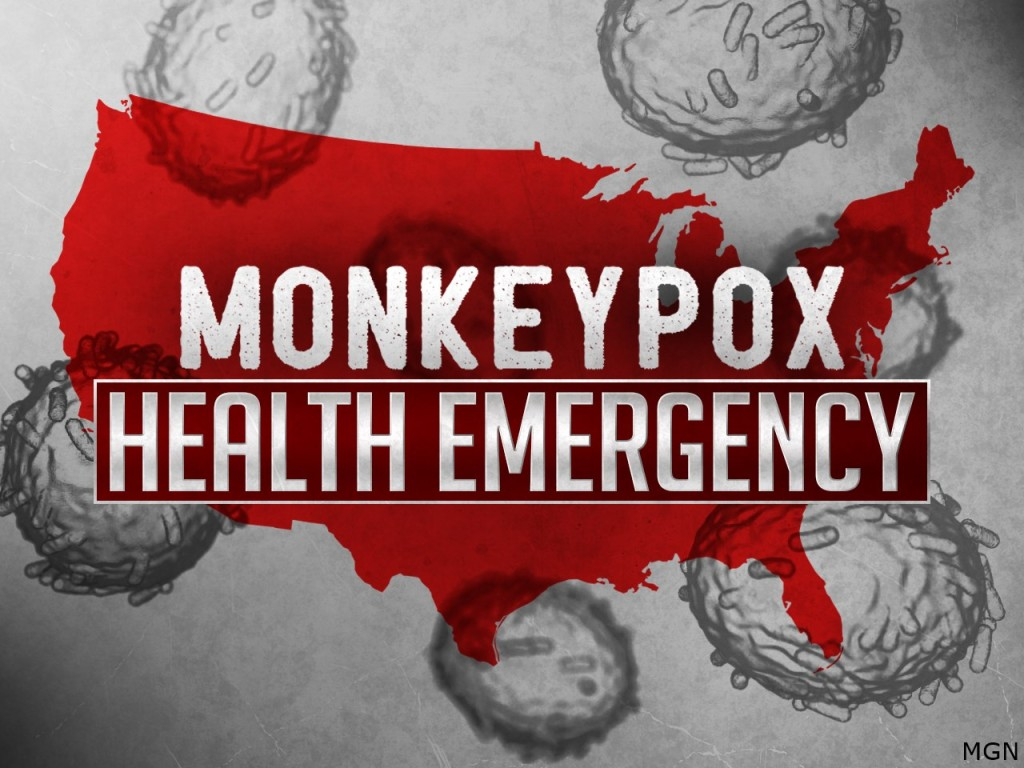
The Biden administration has declared the monkeypox outbreak a public health emergency — a move that gives officials more flexibility to tackle the virus’ spread.
Details: Department of Health and Human Services secretary Xavier Becerra made the announcement Thursday in a briefing on monkeypox.
Federal health officials can now expedite preventative measures to treat monkeypox without going through a full federal review, the Washington Post reports.
What they’re saying: “We’re prepared to take our response to the next level in addressing this virus,” Becerra said Thursday. “We urge every American to take monkeypox seriously and to take responsibility to help us tackle this virus.”
Dr. Rochelle Walensky, the director of the Centers for Disease Control and Prevention, said the declaration will help “exploit the outbreak” and potentially increase access to care for those at risk.
Dr. Demetre Daskalakis, the White House national monkeypox response deputy coordinator, said “today’s actions will allow us to meet the needs of communities impacted by the virus … and aggressively work to stop this outbreak.”
State of play: Dr. Robert Califf, the commissioner of the Food and Drug Administration, said the U.S. is “at a critical inflection point” in the monkeypox outbreak, requiring “additional solutions to address the rise in infection rates.”
There are 6,600 cases of monkeypox in the U.S. as of Thursday, Becerra said.
There were less than 5,000 cases of monkeypox last week, he added.
The big picture: Biden’s decision to declare monkeypox a public emergency allows him to raise awareness of the virus and unlock more flexibility for spending on ways to treat and tackle the virus.
About 20% of Americans are worried they’ll contract monkeypox, Axios previously reported. But there are still some gaps in Americans’ knowledge of the virus and how it impacts our population.
What’s next: U.S. health officials said that 800,000 monkeypox vaccine doses will be made available for distribution. But in hotspot states for the monkeypox outbreak, there’s a drastic disconnect between the number of doses that local health officials say they need versus what they have been allotted.
The U.S. will receive another 150,000 monkeypox vaccine doses in the strategic national stockpile in September, Dawn O’Connell, administrator at HHS’ Administration for Strategic Preparedness & Response, told reporters Thursday. These were previously scheduled to arrive in October.
New York state declared an imminent threat and San Francisco issued a state of emergency over monkeypox July 28 as the virus continues to spread in the U.S., NBC News reported.
The news comes after the World Health Organization declared monkeypox a global emergency July 23 and as the CDC reported 4,907 confirmed cases nationwide as of July 28. California and New York account for more than 40 percent of the reported cases in the U.S., according to The Washington Post.
In a statement, New York State Commissioner of Health Mary Bassett, MD, said the declaration allows local health departments “to access additional state reimbursement, after other federal and state funding sources are maximized, to protect all New Yorkers and ultimately limit the spread of monkeypox in our communities.” It covers monkeypox prevention response and activities from June 1 through the end of the year.
In San Francisco, the monkeypox public health emergency takes effect Aug. 1, city officials said in a news release. The release, from Mayor London Breed and the San Francisco Department of Public Health, said the declaration “will mobilize city resources, accelerate emergency planning, streamline staffing, coordinate agencies across the city, allow for future reimbursement by the state and federal governments and raise awareness throughout San Francisco about [monkeypox].”
Four other updates:
1. HHS announced July 28 that nearly 800,000 additional monkeypox vaccine doses will be available for distribution to states and jurisdictions. The 786,000 additional doses are on top of the more than 300,000 doses already distributed. This means the U.S. has secured a total of about 1.1 million doses “that will be in the hands of those who need them in the next several weeks,” HHS Secretary Xavier Becerra said during a July 28 news conference. The additional doses will be allocated based on the total population of at-risk people and the number of new cases in each jurisdiction. “This strategy ensures that jurisdictions have the doses needed to complete the second dose of this two-dose vaccine regimen for those who have been vaccinated over the past month,” HHS said in a news release.
2. As of the morning of July 29, the U.S. has held off on declaring a national monkeypox emergency. Mr. Becerra said July 28 that HHS “continue[s] to monitor the response throughout the country on monkeypox” and will weigh any decision regarding a public health emergency declaration based on the response.
3. The monkeypox response is straining public health workers. Health experts are concerned over how the monkeypox response will further deplete the nation’s public health workforce, still strained and burnt out from the ongoing COVID-19 pandemic. Barriers to testing, treatment and vaccine access largely mirror the missteps in the early coronavirus response, Megan Ranney, MD, emergency physician and academic dean of Brown University School of Public Health in Providence, R.I, told The Washington Post. “I can’t help but wonder if part of the delay is that our public health workforce is so burned out,” she said. “Everyone who’s available to work on epidemiology or contract tracing is already doing it for COVID-19.”
4. Monkeypox testing demand is low, commercial laboratories told CNN. In recent weeks, five major commercial laboratories have begun monkeypox testing, giving the nation capacity to conduct 80,000 tests per week. While Mayo Clinic Laboratories can process 1,000 samples a week, it’s received just 45 specimens from physicians since it began monkeypox testing July 11, according to the July 28 CNNreport. “Without testing, you’re flying blind,” William Morice, MD, PhD, president of Mayo’s lab and chair of the board of directors at the American Clinical Laboratory Association, told the news outlet. “The biggest concern is that you’re not going to identify cases and [monkeypox] could become an endemic illness in this country. That’s something we really have to worry about.”
The World Health Organization (WHO) has declared the monkeypox outbreak a global health emergency after the virus reached more than 70 countries around the world.
WHO Director General Tedros Adhanom Ghebreyesus said at a press conference on Saturday that he decided the outbreak represents a “public health emergency of international concern.”
“WHO’s assessment is that the risk of monkeypox is moderate globally and in all regions, except in the European region where we assess the risk as high,” he said.
Tedros said the WHO’s International Health Regulations Emergency Committee came to a consensus at a meeting a month ago that monkeypox did not represent an international public health emergency, but the situation has changed.
He said the WHO had received reports of just more than 3,000 cases from 47 countries at the time, but more than 16,000 cases have now been reported from 75 countries and territories. He said there have been five deaths.
Tedros said the committee was unable to reach a consensus on whether the outbreak should be considered a public health emergency of international concern, but he considered five factors in declaring it an emergency.
He said the first factor is information countries have shared with the WHO, and that data from countries around the world shows that the virus has spread rapidly to many countries that have not seen it before.
He added that the second factor is the definition of a public health emergency and that the three criteria for declaring such an emergency have been met.
A public health emergency of international concern is considered a situation that is serious, sudden, unusual or unexpected, carries implications for public health beyond a country’s borders and may require immediate international action, according to the WHO.
Tedros said the third factor is the advice of the committee, which was divided, and the fourth factor is scientific principles and evidence, which is currently “insufficient” and leaves “many unknowns.”
He said the fifth factor is the risk to human health, international spread and the potential for interfering with international traffic.
He said there is a “clear risk” for international spread, but the risk of interfering with international traffic is currently low.
“So in short, we have an outbreak that has spread around the world rapidly, through new modes of transmission, about which we understand too little and which meets the criteria in the International Health Regulations,” Tedros said.
The Hill has reached out to the WHO for comment.
Monkeypox has spread quickly in the United States since cases were first detected in the country in May. The virus appears to be spreading primarily among men who have sex with men and spreads through extended physical contact.
The virus can cause symptoms like lesions, a rash and swelling of lymph nodes.
Ghebreyesus said he is making recommendations for four categories of countries in managing monkeypox.
For countries that have not seen any cases or not reported a case in 21 days, they should take measures like activating health mechanisms to prepare to respond to monkeypox and raise awareness about transmission, according to a WHO statement.
Countries with recently imported cases of monkeypox and that are experiencing human-to-human transmission — which includes the United States — should implement a coordinated response, work to engage and protect their communities and implement public health measures like isolating cases and using vaccines.
The Biden administration announced earlier this month that it would distribute an additional 144,000 doses of the Jynneos vaccine to address monkeypox after having distributed about 40,000 doses previously.
The third group of countries are those with the “known or suspected” transmission of the virus from animals to humans. They should establish or activate mechanisms for understanding and monitoring the animal-to-human and human-to-animal transmission risk and study transmission patterns.
The fourth group are countries with the manufacturing capacity to create vaccines and other medical countermeasures. The WHO statement calls on these countries to increase production and availability of these measures and work with WHO to ensure necessary supplies are made available based on public health needs at “reasonable cost” to countries that need support the most.
Ghebreyesus said the outbreak is concentrated among men who have sex with men and especially those with multiple sexual partners.
“That means that this is an outbreak that can be stopped with the right strategies in the right groups,” he said.
He added that countries should work with communities of men with male sexual partners to inform them and offer support and to adopt measures that protect the “health, human rights and dignity of affected communities.”
Ghebreyesus said civil society organizations, especially those with experience working with people who are HIV-positive, should work with WHO to fight stigma and discrimination.
The spread of HIV and AIDS in the 1980s led to increased stigma for those who identify as gay as the virus was initially reported to be spreading among gay men.
The rise of the BA.5 variant is spurring new calls for funding for an Operation Warp Speed 2.0 to accelerate development of next-generation COVID-19 vaccines that can better target new variants.
The BA.5 subvariant of omicron that now makes up the majority of U.S. COVID-19 cases is sparking concern because it has a greater ability to evade the protection of current vaccines than past strains of the virus did.
Pfizer and Moderna are working on updated vaccines that target BA.5 that could be ready this fall, but experts say that by the time they are ready, a new variant very well could have taken hold.
As alternatives to vaccine makers chasing each variant, experts point to research on “pan-coronavirus” vaccines that are “variant-proof,” targeting multiple variants, as well as nasal vaccines that could drastically cut down on transmission of the virus.
There is ongoing research on these next-generation vaccines, but unlike in 2020, when the federal government’s Operation Warp Speed helped speed the development of the original vaccine, there is less funding and assistance this time around.
COVID-19 funding that could help develop and manufacture new vaccines more quickly has been stalled in Congress for months.
“There’s no Operation Warp Speed,” said Eric Topol, professor of molecular medicine at Scripps Research. “So it’s moving very slowly. But at least it’s moving.”
Leana Wen, a public health professor at George Washington University, wrote in a Washington Post op-ed this week that the U.S. needs “urgent investment” in next-generation vaccines and “we need an ‘Operation Warp Speed Part 2.’”
Pfizer and Moderna are working on updated vaccines that target BA.5 that could be ready this fall, but experts say that by the time they are ready, a new variant very well could have taken hold.
As alternatives to vaccine makers chasing each variant, experts point to research on “pan-coronavirus” vaccines that are “variant-proof,” targeting multiple variants, as well as nasal vaccines that could drastically cut down on transmission of the virus.
There is ongoing research on these next-generation vaccines, but unlike in 2020, when the federal government’s Operation Warp Speed helped speed the development of the original vaccine, there is less funding and assistance this time around.
COVID-19 funding that could help develop and manufacture new vaccines more quickly has been stalled in Congress for months.
“There’s no Operation Warp Speed,” said Eric Topol, professor of molecular medicine at Scripps Research. “So it’s moving very slowly. But at least it’s moving.”
Leana Wen, a public health professor at George Washington University, wrote in a Washington Post op-ed this week that the U.S. needs “urgent investment” in next-generation vaccines and “we need an ‘Operation Warp Speed Part 2.’”
Administration health officials pointed to funding when asked about next-generation vaccines at a press briefing on Tuesday.
“We need resources to continue that effort and to accelerate that effort,” said Anthony Fauci, the government’s top infectious disease expert. “So although we’re doing a lot and the field looks promising, in order to continue it, we really do need to have a continual flow of resources to do that.”
But COVID-19 funding has been stuck in Congress for months. Republicans have long said they do not see any urgency in approving the money. Democrats, while generally calling for the funding, have been caught up in their own internal divisions, like when a group of House Democrats objected to a way to pay for the new funding in March.
“Of course more funding would accelerate some parts of the development,” Karin Bok, acting deputy director of the National Institutes of Health’s (NIH) Vaccine Research Center, said in an interview.
She also cautioned that development of next-generation vaccines like nasal vaccines would take longer than the original vaccines, because less groundwork has been laid over the preceding years.
Experts stress that even for BA.5, the current vaccines still provide important protection against severe disease and hospitalization, and are urging people to get their booster shots now. But there is potential for further improvement in the vaccines as well.
Aside from funding, another obstacle is obtaining copies of the existing COVID-19 vaccines for use in research, said Pamela Bjorkman, a California Institute of Technology professor working on a next-generation vaccine.
“I would say we’ve wasted at least six months,” with various procedural hurdles on that front, she said. “It’s just ridiculous.”
For example, she said at one point when her team was able to get access to the AstraZeneca COVID-19 vaccine, it then took two or three months to get an import permit to send it from the United Kingdom.
“This is a hot topic,” Bok, of the NIH, said of access to existing vaccine doses for researchers. “The government is working very hard on an agreement with the companies to provide it to us and to all the investigators…that are funded by NIH.”
Asked about providing vaccine doses for researchers and any talks with the administration on that front, a Moderna spokesperson said: “We do provide vaccine in certain investigator-initiated studies where physicians and scientists propose research they have designed and want to conduct with our support,” pointing to a South African study as an example.
More broadly, the White House says it is working on accelerating next-generation vaccine research and will have more announcements soon.
“Let me be very clear: We clearly need a true next-generation vaccine,” White House COVID-19 response coordinator Ashish Jha told reporters on Tuesday.
“You’ll hear more from us in the days and weeks ahead,” he added. “This is something that we have been working quite assiduously on.”
The U.S. may see a “pretty sizable wave” of COVID-19 infections this fall and winter as the virus continues to evolve and immunity wanes, White House Covid-19 Response Coordinator Ashish Jha, MD, said May 8 on ABC News‘ “This Week.”
Federal health officials are looking at a range of disease forecasting models, which suggest the U.S. could experience a large surge in late 2022, similar to the last two winters, according to Dr. Jha. On May 6, the White House projected 100 million COVID-19 infections could occur this fall and winter, according to The Washington Post.
“If we don’t get ahead of this thing … we may see a pretty sizable wave of infections, hospitalizations and deaths this fall and winter,” he said. “Whether that happens or not is largely up to us as a country. If we can prepare and if we can act, we can prevent that.”
More funding to purchase COVID-19 vaccines and therapeutics will be crucial to stave off a potential surge, according to Dr. Jha. The Biden administration is asking Congress for an additional $22.5 billion in emergency aid to support these efforts.
“If Congress does not do that now, we will go into this fall and winter with none of the capabilities that we have developed over the last two years,” Dr. Jha said.
Unvaccinated people accounted for the overwhelming majority of deaths in the United States throughout much of the coronavirus pandemic. But that has changed in recent months, according to a Washington Post analysis of state and federal data.
The pandemic’s toll is no longer falling almost exclusively on those who chose not to or could not get shots, with vaccine protection waning over time and the elderly and immunocompromised — who are at greatest risk of succumbing to covid-19, even if vaccinated — having a harder time dodging increasingly contagious strains.
The vaccinated made up 42 percent of fatalities in January and February during the highly contagious omicron variant’s surge, compared with 23 percent of the dead in September, the peak of the delta wave, according to nationwide data from the Centers for Disease Control and Prevention analyzed by The Post. The data is based on the date of infection and limited to a sampling of cases in which vaccination status was known.
As a group, the unvaccinated remain far more vulnerable to the worst consequences of infection — and are far more likely to die — than people who are vaccinated, and they are especially more at risk than people who have received a booster shot.
“It’s still absolutely more dangerous to be unvaccinated than vaccinated,” said Andrew Noymer, a public health professor at the University of California at Irvine who studies covid-19 mortality.“A pandemic of — and by — the unvaccinated is not correct. People still need to take care in terms of prevention and action if they became symptomatic.”
A key explanation for the rise in deaths among the vaccinated is that covid-19 fatalities are again concentrated among the elderly.
Nearly two-thirds of the people who died during the omicron surge were 75 and older, according to a Post analysis, compared with a third during the delta wave. Seniors are overwhelmingly immunized, but vaccines are less effective and their potency wanes over time in older age groups.
Experts say they are not surprised that vaccinated seniors are making up a greater share of the dead, even as vaccine holdouts died far more often than the vaccinated during the omicron surge, according to the CDC. As more people are infected with the virus, the more people it will kill, including a greater number who are vaccinated but among the most vulnerable.
The bulk of vaccinated deaths are among people who did not get a booster shot, according to state data provided to The Post. In two of the states, California and Mississippi, three-quarters of the vaccinated senior citizens who died in January and February did not have booster doses. Regulators in recent weeks have authorized second booster doses for people over the age of 50, but administration of first booster doses has stagnated.
Even though the death rates for the vaccinated elderly and immunocompromised are low, their losses numbered in the thousands when cases exploded, leaving behind blindsided families. But experts say the rising number of vaccinated people dying should not cause panic in those who got shots, the vast majority of whom will survive infections. Instead, they say, these deaths serve as a reminder that vaccines are not foolproof and that those in high-risk groups should consider getting boosted and taking extra precautions during surges.
“Vaccines are one of the most important and longest-lasting tools we have to protect ourselves,” said California State Epidemiologist Erica Pan, citing state estimates showing vaccines have shown to be 85 percent effective in preventing death.
“Unfortunately, that does leave another 15,” she said.
‘He did not expect to be sick’
Arianne Bennett recalled her husband, Scott Bennett, saying, “But I’m vaxxed. But I’m vaxxed,” from the D.C. hospital bed where he struggled to fight off covid-19 this winter.
Friends had a hard time believing Bennett, co-founder of the D.C.-based chain Amsterdam Falafelshop, was 70. The adventurous longtime entrepreneur hoped to buy a bar and planned to resume scuba-diving trips and 40-mile bike rides to George Washington’s Mount Vernon estate.
Bennett went to get his booster in early December after returning to D.C. from a lodge he owned in the Poconos, where he and his wife hunkered down for fall. Just a few days after his shot, Bennett began experiencing covid-19 symptoms, meaning he was probably exposed before the extra dose of immunity could kick in. His wife suspects he was infected at a dinner where he and his server were unmasked at times.
A fever-stricken Bennett limped into the hospital alongside his wife, who was also infected, a week before Christmas. He died Jan. 13, among the 125,000 Americans who succumbed to covid-19 in January and February.
“He was absolutely shocked. He did not expect to be sick. He really thought he was safe,’” Arianne Bennett recalled. “And I’m like, ‘But baby, you’ve got to wear the mask all the time. All the time. Up over your nose.’”
Jason Salemi, an epidemiologist at the University of South Florida College of Public Health, said the deaths of vaccinated people are among the consequences of a pandemic response that emphasizes individuals protecting themselves.
“When we are not taking this collective effort to curb community spread of the virus, the virus has proven time and time again it’s really good at finding that subset of vulnerable people,” Salemi said.
While experts say even the medically vulnerable should feel assured that a vaccine will probably save their lives, they should remain vigilant for signs of infection. As more therapeutics become available, early detection and treatment is key.
When Wayne Perkey, 84, first started sneezing and feeling other cold symptoms in early February, he resisted his physician daughter’s plea to get tested for the coronavirus.
The legendary former morning radio host in Louisville had been boosted in October. He diligently wore a mask and kept his social engagements to a minimum. It must have been the common cold or allergies, he believed. Even the physician who ordered a chest X-ray and had no coronavirus tests on hand thought so.
Perkey relented, and the test came back positive. He didn’t think he needed to go to the hospital, even as his oxygen levels declined.
“In his last voice conversation with me, he said, ‘I thought I was doing everything right,’” recalled Lady Booth Olson, another daughter, who lives in Virginia. “I believe society is getting complacent, and clearly somebody he was around was carrying the virus. … We’ll never know.”
From his hospital bed, Perkey resumed a familiar role as a high-profile proponent for vaccines and coronavirus precautions. He was familiar to many Kentuckians who grew up hearing his voice on the radio and watched him host the televised annual Crusade for Children fundraiser. He spent much of the pandemic as a caregiver to his ex-wife who struggled with chronic fatigue and other long-haul covid symptoms.
“It’s the 7th day of my Covid battle, the worst day so far, and my anger boils when I hear deniers talk about banning masks or social distancing,” Perkey wrote on Facebook on Feb. 16, almost exactly one year after he posted about getting his first shot. “I remember times we cared about our neighbors.”
In messages to a family group chat, he struck an optimistic note. “Thanks for all the love and positive energy,” he texted on Feb. 23. “Wear your mask.”
As is often the case for covid-19 patients, his condition rapidly turned for the worse. His daughter Rebecca Booth, the physician, suspects a previous bout with leukemia made it harder for his immune system to fight off the virus. He died March 6.
“Really and truly his final days were about, ‘This virus is bad news.’ He basically was saying: ‘Get vaccinated. Be careful. But there is no guarantee,’” Rebecca Booth said. “And, ‘If you think this isn’t a really bad virus, look at me.’ And it is.”
Hospitals, particularly in highly vaccinated areas, have also seen a shift from covid wards filled predominantly with the unvaccinated. Many who end up in the hospital have other conditions that weakens the shield afforded by the vaccine.
Vaccinated people made up slightly less than half the patients in the intensive care units of Kaiser Permanente’s Northern California hospital system in December and January, according to a spokesman.
Gregory Marelich, chair of critical care for the 21 hospitals in that system, said most of the vaccinated and boosted people he saw in ICUs were immunosuppressed, usually after organ transplants or because of medications for diseases such as lupus or rheumatoid arthritis.
“I’ve cared for patients who are vaccinated and immunosuppressed and are in disbelief when they come down with covid,” Marelich said.
‘There’s life potential in those people’
Jessica Estep, 41, rang a bell celebrating her last treatment for follicular lymphoma in September. The single mother of two teenagers had settled into a new home in Michigan, near the Indiana border. After her first marriage ended, she found love again and got married in a zoo in November.
As an asthmatic cancer survivor, Estep knew she faced a heightened riskfrom covid-19, relatives said. She saw only a tight circle of friends and worked in her own office in her electronics repair job. She lived in an area where around 1 in 4 residents are fully vaccinated. She planned to get a booster shot in the winter.
“She was the most nonjudgmental person I know,” said her mother, Vickie Estep. “It was okay with her if people didn’t mask up or get vaccinated. It was okay with her that they exercised their right of choice, but she just wanted them to do that away from her so that she could be safe.”
With Michigan battling back-to-back surges of the delta and omicron variants, Jessica Estep wasn’t able to dodge the virus any longer — she fell ill in mid-December. After surviving a cancer doctors described as incurable, Estep died Jan. 27. Physicians said the coronavirus essentially turned her lungs into concrete, her mother said.
Estep’s 14-year-old daughter now lives with her grandparents. Her widower returned to Indianapolis just months after he moved to Michigan to be with his new wife.
Her family shared her story with a local television station in hopes of inspiring others to get vaccinated, to protect people such as Estep who could not rely on their own vaccination as a foolproof shield. In response to the station’s Facebook post about the story, several commenters shrugged off their pleas and insinuated it was the vaccines rather than covid causing deaths.
Immunocompromised people and those with other underlying conditions are worth protecting, Vickie Estep said. “There’s life potential in those people.”
A delayed shot
As Arianne Bennett navigates life without her husband, she hopes the lesson people heed from his death is to take advantage of all tools available to mitigate a virus that still finds and kills the vulnerable, including by getting boosters.
Bennett wore a music festival shirt her husband gave her as she walked into a grocery store to get her third shot in March. Her husband urged her to get one when they returned to D.C., but she became sick at the same time he did. She scheduled the appointment for the earliest she could get the shot: 90 days after receiving monoclonal antibodies to treat the disease.
“My booster! Yay!” Bennett exclaimed in her chair as the pharmacist presented an updated vaccine card.
“It’s been challenging, but we got through it,” the pharmacist said, unaware of Scott Bennett’s death.
Tears welled in Bennett’s eyes as the needle went in her left arm, just over a year after she and her husband received their first shots.
“Last time we got it, we took selfies: ‘Look, we had vaccines,’” Bennett said, beginning to sob. “This one leaves me crying, missing him so much.”
The pharmacist leaned over and gave Bennett a hug in her chair.
“He would want you to do this,” the pharmacist said. “You have to know.”
Methodology
Death rates compare the number of deaths in various groups with an adjustment for the number of people in each group. The death rates listed for the fully vaccinated, the unvaccinated and those vaccinated with boosters were calculated by the CDC using a sample of deaths from 23 health departments in the country that record vaccine status, including boosters, for deaths related to covid-19. The CDC study assigns deaths to the month when a patient contracted covid-19, not the month of death. The latest data published in April reflected deaths of people who contracted covid as of February. The CDC study of deaths among the vaccinated is online, and the data can be downloaded.
The death rates for fully vaccinated people, unvaccinated people and fully vaccinated people who received an additional booster are expressed as deaths per 100,000 people. The death rates are also called incidence rates. The CDC estimated the population sizes from census data and vaccination records. The study does not include partially vaccinated people in the deaths or population. The CDC adjusted the population sizes for inaccuracies in the vaccination data. The death data is provisional and subject to change. The study sample includes the population eligible for boosters, which was originally 18 and older, and now is 12 and older.
To compare death rates between groups with different vaccination status, the CDC uses incidence rate ratios. For example, if one group has a rate of 10 deaths per 100,000 people, the death incidence rate would be 10. Another group may have a death incidence rate of 2.5. The ratio between the first group and the second group is the rate of 10 divided by the rate of 2.5, so the incidence rate ratio would be 4 (10÷2.5=4). That means the first group dies at a rate four times that of the second group.
The CDC calculates the death incidence rates and incidence rate ratios by age groups. It also calculates a value for the entire population adjusted for the size of the population in each age group. The Post used those age-adjusted total death incidence rates and incidence rate ratios.
The Post calculated the share of deaths by vaccine status from the sample of death records the CDC used to calculate death incidence rates by vaccine status. As of April, that data included 44,000 deaths of people who contracted covid in January and February.
The share of deaths for each vaccine status does not include deaths for partially vaccinated people because they are not included in the CDC data.
The Post calculated the share of deaths in each age group from provisional covid-19 death records that have age details from the CDC’s National Center for Health Statistics. That data assigns deaths by the date of death, not the date on which the person contracted covid-19. That data does not include any information on vaccine status of the people who died.






 HENRY KOTULA
