The surprising link between air pollution and Alzheimer’s disease

http://www.latimes.com/science/sciencenow/la-sci-sn-air-pollution-alzheimers-20170131-story.html?utm_campaign=CHL%3A+Daily+Edition&utm_source=hs_email&utm_medium=email&utm_content=41764605&_hsenc=p2ANqtz-9DiZmgGHX54LqTpQGsAm4ohgFFyJHWy6ijRJ-3gxyi-aPS9QNViqc7K33BgIAVc43xoyt9TPB1HdtN7c-F__ONriUMMQ&_hsmi=41764605

Image result for The surprising link between air pollution and Alzheimer’s disease

With environmental regulations expected to come under heavy fire from the Trump administration, new research offers powerful evidence of a link between air pollution and dementia risk.

For older women, breathing air that is heavily polluted by vehicle exhaust and other sources of fine particulates nearly doubles the likelihood of developing dementia, finds a study published Tuesday. And the cognitive effects of air pollution are dramatically more pronounced in women who carry a genetic variant, known as APOE-e4, which puts them at higher risk for developing Alzheimer’s disease.

In a nationwide study that tracked the cognitive health of women between the ages of 65 and 79 for 10 years, those who had the APOE-e4 variant were nearly three times more likely to develop dementia if they were exposed to high levels of air pollution than APOE-e4 carriers who were not.

Among carriers of that gene, older women exposed to heavy air pollution were close to four times likelier than those who breathed mostly clean air to develop “global cognitive decline” — a measurable loss of memory and reasoning skills short of dementia.

While scientists have long tallied the health costs of air pollution in asthma, lung disease and cardiovascular disease, the impact of air pollutants on brain health has only begun to come to light. This study gleans new insights into how, and how powerfully, a key component of urban smog scrambles the aging brain.

Published Tuesday in the journal Translational Psychiatry, the research looks at a large population of American women, at lab mice, and at brain tissue in petri dishes to establish a link between serious cognitive decline and the very fine particles of pollution emitted by motor vehicles, power plants and the burning of biomass products such as wood.

All three of these biomedical research methods suggest that exposure to high levels of fine air pollutants increases both dementia’s classic behavioral signs of disorientation and memory loss as well as its less obvious hallmarks. These include amyloid beta protein clumps in the brain and the die-off of cells in the brain’s hippocampus, a key center for memory formation.


Four areas of unnecessary senior healthcare

http://managedhealthcareexecutive.modernmedicine.com/managed-healthcare-executive/news/four-areas-unnecessary-senior-healthcare?cfcache=true&ampGUID=A13E56ED-9529-4BD1-98E9-318F5373C18F&rememberme=1&ts=19102016

The number of seniors in the United States is projected to nearly double over the next 34 years—from 43 million in 2012 to nearly 84 million by 2050. During that time period, the number of seniors 85 and older is expected to jump from nearly 6 million to 19 million.

“Our Parents, Ourselves: Health Care for an Aging Population,” a report issued by the Dartmouth Atlas Project, a program of The Dartmouth Institute for Health Policy and Clinical Practice, also reveals that the number of seniors in Medicare private health plans such as Medicare Advantage increased from 6.4 million beneficiaries in 1999 to nearly 12 million in 2011—and that number continues to rise.

Because seniors are likely to experience frequent, complex interactions across many providers in the healthcare system, often there’s no single healthcare provider coordinating all of their care, according to the report, which was released in early 2016.

In addition, the American Geriatrics Society’s Choosing Wisely guidelines, which were released in 2013 and updated in 2015, provide geriatrics-specific recommendations to the American Board of Internal Medicine Foundation’s Choosing Wisely campaign. The campaign advances a national dialogue on avoiding wasteful or unnecessary medical tests, treatments, and procedures.

Here are four areas of elderly care—highlighted in the report and guidelines—that healthcare systems and health plans should be aware of to ensure that elderly patients aren’t receiving unnecessary care.

Dementia costs surpass those of all other diseases

http://managedhealthcareexecutive.modernmedicine.com/managed-healthcare-executive/news/dementia-costs-surpass-those-all-other-diseases?cfcache=true

Dartmouth Atlas: Evidence-based, Coordinated Care for Seniors Elusive

http://healthleadersmedia.com/content.cfm?topic=QUA&content_id=325531

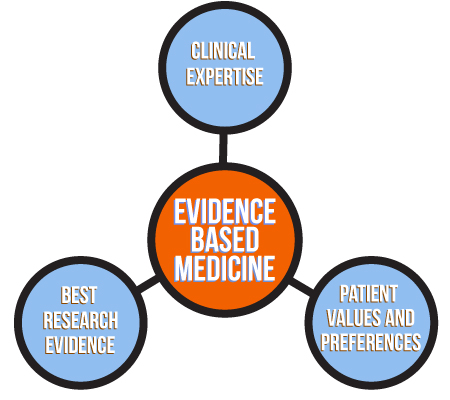
Evidence Based Medicine

Three areas where the use of evidence-base care is particularly lacking are prostate cancer screenings, breast cancer screenings, and feeding tube placement for Medicare recipients with advanced dementia.