Bay Medical to lay off up to half of 1,450 staff

https://www.beckershospitalreview.com/hospital-management-administration/bay-medical-to-lay-off-up-to-half-of-1-600-staff.html

Related image

Panama City, Fla.-based Bay Medical Sacred Heart revealed on Dec. 4 it expects to lay off 635 staff members early next year once it reopens, according to a news release obtained by the Panama City News Herald.

Bay Medical sustained heavy wind and water damage when Hurricane Michael hit the U.S. coastline in October, and has ceased all operations apart from its emergency room since the storm. Officials said they plan to reopen the hospital in stages starting soon after Jan. 1. However, the hospital will reopen at one-fourth of its previous 323-bed size.

The first phase of the reopening will include 75 inpatient beds with eight operating rooms and five catheterization labs, according to the report.

Hospital officials said in the Dec. 4 news release they plan to keep about half of the 1,450-person staff after Feb. 4, 2019, after the hospital reopens. A hospital board of trustee member told the Panama City News Herald “all levels of service will be affected, from department heads to the maintenance guys.” About one-third of the affected individuals are part-time, as needed or temporary employees, a hospital spokesperson told Becker’s.

Bay Medical has continued to pay employees and provide benefits since the hurricane and will continue to pay employees and fund benefits through Feb. 4 and Feb. 28, respectively.

“We are heartbroken to share this news at such a difficult time,” Bay Medical CEO Scott Campbell said in the Dec. 4 news release. “The decision to reduce our workforce has been incredibly difficult, but necessary to ensure our ability to continue providing care to the community and preserve critical services.”

The hospital is also in the midst of a transfer of control. Bay Medical’s owner, Nashville, Tenn.-based Ardent Health Services, recently signed a letter of intent to transfer its controlling interest in the hospital to St. Louis-based Ascension.

To aid in the workforce transition, Ascension said it plans to hold a job fair tentatively scheduled for Dec. 10-11. In a Dec. 4 statement to the Panama City News Herald, Ascension and Ardent said they are committed to hiring as many eligible employees as possible for openings in their systems.

To access the full report, click here.


CIVICA RX ADDS 12 HEALTH SYSTEMS AS FOUNDING MEMBERS

https://www.healthleadersmedia.com/strategy/civica-rx-adds-12-health-systems-founding-members

The alliance, which was formed last year by seven health systems and three philanthropic organizations, aims to tamp down drug costs by collaborating on generics.


KEY TAKEAWAYS

Health system executives and policymakers alike are looking for ways to get drug prices under control.

The consortium of major health systems aims to tackle cost and shortage challenges by producing its own generics.

The number of participating hospitals has grown to about 750 in the U.S., with more expected to join.

A nonprofit alliance of health systems seeking to rein in drug costs and alleviate shortages has grown significantly in the four months since its launch.

Civica Rx announced Monday that 12 additional health systems, representing about 250 hospitals, have joined the venture as founding members, bringing the total number of participating U.S. hospitals to about 750.

The organization described its growth as momentum, with future growth expected, as policymakers and health system executives nationwide look for ways to wrangle escalating drug costs.

Three philanthropic organizations and seven major health systems—including Trinity Health, Catholic Health Initiatives, HCA Healthcare, Intermountain Healthcare, Mayo Clinic, Providence St. Joseph Health, and SSM Health—founded Civica Rx last September, with a plan to produce generic drugs to stabilize supply and challenge manufacturers that have hiked prices sharply.

With its launch, the organization identified 14 hospital-administered generics as its initial focus. The plan is for members to drive the selection of additional drugs.

The 12 new founding members announced Monday are as follows:

  • Advocate Aurora Health
  • Allegheny Health Network
  • Baptist Health South Florida
  • Franciscan Alliance
  • Memorial Hermann Health System
  • NYU Langone Health
  • Ochsner Health System
  • Sanford Health
  • Spectrum Health
  • St. Luke’s University Health Network
  • Steward Health Care
  • UnityPoint Health

In a statement, Civica Rx CEO Martin VanTrieste expressed excitement and gratitude for the additions.

“Drug shortages have become a national crisis where patient treatments and surgeries are canceled, delayed or suboptimal,” VanTrieste. “We thank these organizations for joining us to make essential generic medicines accessible and affordable in hospitals across the country.”

The three philanthropic organizations that helped found Civica Rx are the Gary and Mary West Foundation, Laura & John Arnold Foundation, and the Peterson Center on Healthcare. The organization is collaborating also with the American Hospital Association’s Center for Health Innovation.


Industry Voices—Beyond benefit design, provider billing policies hit families hardest

https://www.fiercehealthcare.com/payer/industry-voices-beyond-benefit-design-it-s-provider-billing-hits-families-hardest?mkt_tok=eyJpIjoiWWpZNU4yTTROREExWlRsaSIsInQiOiJjZHh5VGpsWnhSN3RLQjNHbDNsWUROQkg0Y2EzOFZ3OFY2Z0Z1a1dFNVhwNkRXNTE3dTNMK0U2TloxUnFKT1RDU29cL3NEZ0gwMTdJbUptaTFxamFTbFg1cG1PbFRHbTQ2TmQzRHhYZERqcUZXQ1B0YVF1aW1QODBDb2g3aHA1cEwifQ%3D%3D&mrkid=959610&utm_medium=nl&utm_source=internal

What happens when record increases in health insurance premiums and deductibles put too much stress on patients’ pocketbooks? They delay needed care out of fear they’ll be unable to shoulder an unexpected medical expense for themselves or their families.

Now more than ever, patients worry about their ability to cover out-of-pocket healthcare costs, a recent Commonwealth Fund survey shows. The percentage of patients who believe they could afford the care they need is falling, and many say satisfying their financial obligations for care has become more difficult.

But these data only tell part of the story. Our own research shows that while 68% of patients want to discuss financing options that could ease their minds about mounting healthcare expenses, providers are falling short—and families, especially, are feeling the pinch.

Feeling the pinch

According to our survey, 27% of households with children are likely to delay care because they can’t afford to pay for it. Families are also less likely to pay their out-of-pocket costs for care in full—and their chances of having their account sent to collections are twice as high.

It’s not that families and individuals don’t want to cover their out-of-pocket costs. In fact, half of the patients surveyed were willing to select providers based on the availability of financing plans that stretch out their obligation into more manageable monthly payments. The trouble is, providers have been slow to adopt flexible payment plans. They are even slower to discuss financing options with patients or publicize them more broadly.

It’s time for a new approach to patient billing—one that takes into account patients’ desire to fulfill their financial obligations for care, addresses their concerns from the point of service, and demonstrates a willingness to meet them where they are.

The experience of one new mother in Florida illustrates the gains hospitals can make when they take a compassionate approach to patient collections. As she prepared to give birth to her daughter, she found herself facing a financial dilemma. The hospital required her to “reserve” her spot in its labor and delivery unit—for a $1,000 deposit. With no money in reserve and a baby on the way, she feared she wouldn’t be able to deliver her baby at the hospital.

She asked hospital representatives whether the hospital might consider a payment plan instead of a lump-sum payment. To her relief, the hospital allowed her to extend the payment over 12 months—interest-free. It’s an option that relieved the stress of the financial burden of care during what should be a joyous time for her family.

Making a difference through flexible payments

Offsetting the impact of out-of-pocket medical costs for individuals and families doesn’t require an overhaul of a hospital’s patient financial services program. Instead, hospitals can take simple steps to help patients more easily fulfill their financial obligations for care—and reduce their costs to collect as well as bad debt in the process.

Consider offering a variety of options for payment, such as low-interest and no-interest loans that all patients qualify for, without the fear of credit reporting or negative consequences. Setting the program up so that patients have a choice and opt into the program significantly helps the patient experience. Discuss their estimated out-of-pocket expense with patients before or at the point of care, and share information on payment plans widely, both onsite and online. Lastly, a program that is consumer friendly with easy ways to pay their bills and manage their accounts will go a long way to increase patient satisfaction.

Taking a more proactive approach to affordability is not only the right thing to do for patients but also the smart choice in protecting an organization’s long-term financial health.


Insurers blame specialty drug costs for rising premiums. This report from California shows why

https://www.fiercehealthcare.com/payer/report-prescription-drug-costs-driving-up-insurance-premiums?mkt_tok=eyJpIjoiWWpZNU4yTTROREExWlRsaSIsInQiOiJjZHh5VGpsWnhSN3RLQjNHbDNsWUROQkg0Y2EzOFZ3OFY2Z0Z1a1dFNVhwNkRXNTE3dTNMK0U2TloxUnFKT1RDU29cL3NEZ0gwMTdJbUptaTFxamFTbFg1cG1PbFRHbTQ2TmQzRHhYZERqcUZXQ1B0YVF1aW1QODBDb2g3aHA1cEwifQ%3D%3D&mrkid=959610&utm_medium=nl&utm_source=internal

Drugs and money sign

Specialty drugs made up about 3% of prescriptions in California in 2017 but accounted for more than half of the prescription drug spending that year, according to new report that compiled drug spending from nine insurers in that state.

According to the first Prescription Drug Cost Transparency Report released by the California Department of Insurance, there were about 270,000 specialty prescriptions compared to about 1.4 million brand-name prescriptions and about 8.9 million generic prescriptions in 2017.

Insurers—including Aetna, Anthem, Cigna, Kaiser Permanente and UnitedHealthcare—reported spending upwards of $606 million on specialty drugs, $271.3 million on brand-name drugs and $172.6 million on generics in 2017.

Among other findings, the report said:

  • In all, insurers reported that per member per month drug spending reached about $81 last year, or about 16.5% of premiums in 2017, comparable to per member per month spending of about $76 or 16.3% in 2016. Total health insurance premiums per member per month were about $491 in 2017, compared to about $470 in 2016.
  • Specialty prescriptions on average cost about $2,361 per prescription compared to about $236 for brand-name prescriptions and $29 for generics. Members typically pay about $113 per specialty prescription while insurers said they pay about $2,248 per specialty drug. They report members pay about $45 per brand-name drug, while insurers pick up $192 of the tab for brand names. And they report members typically pay about $10 for generics on average while insurers pay about $19.
  • The top 25 most frequently prescribed drugs in California represent about 40% of insurers’ overall spending. Specialty drugs make up about 1.3% of the 25 most frequently prescribed drugs and about 20% of insurers’ spending (resulting in a 3.7% impact on health insurance premiums.) In comparison, brand-name drugs make up about 6.8% of the most frequently prescribed drugs and about 11% of insurer spending (and a 1.2% impact on health insurance premiums). Generics represent about 32% of the most frequently prescribed drugs and 4% of the cost to insurers (and about .3% impact on premiums.)

The most frequently prescribed specialty drugs included HIV drug Truvada, immunosuppressant Humira, insulin therapeutic Humalog, diabetes drug Victoza and hormonal agent Androgel.

The most costly specialty drugs by total annual prescription drug spending included Humira, arthritis drug Enbrel, Truvada, psoriasis and psoriatic arthritis drug Stelara and multiple sclerosis drug Copaxone.


FROM NOW ON, IT’S ADVENTHEALTH

https://www.healthleadersmedia.com/strategy/now-its-adventhealth

Related image

The name change brings together 30 brands under one banner, with an emphasis on patient-centered care and easy access to healthcare resources.


KEY TAKEAWAYS

Starting today, nearly 50 hospitals and 1,200 care venues will fall under the AdventHealth brand.

The name-change is part of a system-wide effort to become more consumer-centric, with an emphasis on patient convenience and ease of access.

AdventHealth brand launch accompanied by “feel whole” ad campaign.

Adventist Health System on Wednesday changed its name to AdventHealth.

The Altamonte Springs, Florida-based health system announced the name change in August, and said its nearly 50 hospitals and more than 1,200 care venues in 10 states adopt the AdventHealth name and logo beginning Jan. 2.

The name change is part of a system-wide brand transformation to become what AdventHealth called “a more consumer-centric, connected and identifiable national system of care, enabling consumers to easily distinguish locations and services across its vast care network, which serves more than 5 million patients annually.”

“This is a historic day for our organization, and I can’t be more excited about the direction we are heading,” Terry Shaw, president/CEO for AdventHealth, said in a media release.

“Our facilities and team members are galvanized around one name, brand and mission, and in doing this, we will deliver on our promise of wholeness and make the health journey easier for consumers,” Shaw said.

In addition to the name change, AdventHealth launched a consumer-centric website with a user-friendly interface for system searches, appointment scheduling, and self-service payment options.

“Historically, we have consisted of about 30 brands,” Shaw said. “Now, united as AdventHealth under one brand promise, we are striving to provide preeminent whole-person care, focused on helping consumers seamlessly navigate from one care setting to the next and committed to never discharging anyone from our care.”

The new AdventHealth signage is being put on hospitals and other facilities, and a national advertising campaign featuring the “feel whole” message is also underway.

“OUR FACILITIES AND TEAM MEMBERS ARE GALVANIZED AROUND ONE NAME, BRAND AND MISSION, AND IN DOING THIS, WE WILL DELIVER ON OUR PROMISE OF WHOLENESS AND MAKE THE HEALTH JOURNEY EASIER FOR CONSUMERS.”


AHA: Medicare underpaid hospitals by $53.9B in 2017

https://www.beckershospitalreview.com/finance/aha-medicare-underpaid-hospitals-by-53-9b-in-2017.html

Image result for underpayment

Medicare underpaid hospitals by $53.9 billion in 2017, and Medicaid underpaid hospitals by $22.9 billion, according to the latest data from the American Hospital Association’s Annual Survey of Hospitals.

Underpayment occurs when the reimbursement hospitals receive is less than the amount paid for personnel, technology, and other goods and services required to provide care.

In 2017, hospitals received payment of 87 cents for every dollar they spent caring for Medicare and Medicaid patients, according to the AHA.

Access the AHA underpayment by Medicare and Medicaid fact sheet here.


Pennsylvania hospital closure will result in 505 layoffs

https://www.beckershospitalreview.com/finance/pennsylvania-hospital-closure-will-result-in-505-layoffs.html?origin=cfoe&utm_source=cfoe

Image result for upmc pinnacle lancaster

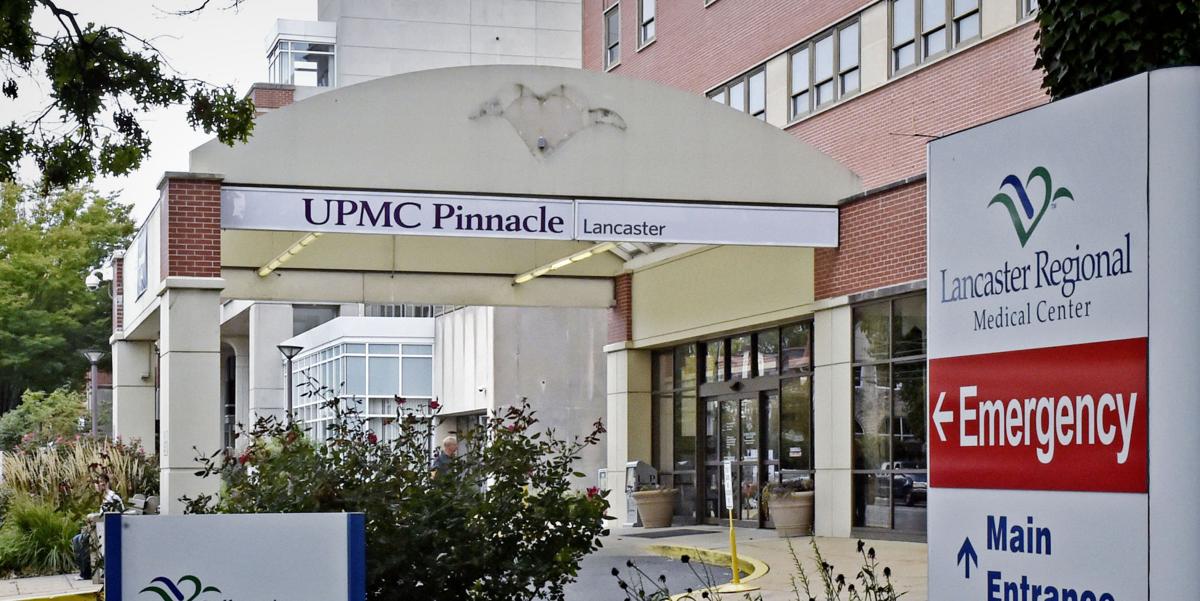
Harrisburg, Pa.-based UPMC Pinnacle will close its hospital in Lancaster, Pa., March 1, and lay off the hospital’s 505 employees.

The health system announced plans in December to close UPMC Pinnacle Lancaster and transition inpatient services to UPMC Pinnacle Lititz (Pa.). The two hospitals are about 7 miles apart.

The transition of inpatient services from the Lancaster hospital to the Lititz hospital will be completed by March. When the Lancaster hospital shuts down, 505 employees will be laid off, according to a Worker Adjustment and Retraining Notification Act notice filed by UPMC Pinnacle.

However, some employees may transfer to other UPMC Pinnacle facilities.

“Although employees do not have bumping rights into occupied positions, we do have a number of open positions for which many of the affected individuals would qualify,” Ann H. Gormley, senior vice president of human services for UPMC Pinnacle, wrote in the notice, according to the Central Penn Business Journal. “Employees are being provided notice and are encouraged to apply for vacant UPMC Pinnacle affiliate positions in which to seek a transfer.”


8 things for healthcare executives to note in 2019

https://www.beckershospitalreview.com/hospital-management-administration/2018-the-year-that-was-8-things-for-healthcare-executives-to-note-in-2019.html?origin=bhre&utm_source=bhre

Image result for 2019 healthcare trends

Hospital executives quit on the spot. Corporate giants took healthcare into their own hands. Flu hit the country hard. Nurses wanted to cut ties with Facebook. These and four other events and trends shaped the year in healthcare — and the lessons executives can take from them into 2019.

Flu-related deaths hit 40-year high

Roughly 80,000 Americans died of flu and related complications last winter, according to the CDC, along with a record-breaking estimate of 900,000 hospitalizations. That made 2017-18 the deadliest flu season since 1976, the date of the first published paper reporting total seasonal flu deaths, according to the CDC’s Kristen Nordlund.

The milestone flu season reflected a couple of trends. No. 1: Fee-for-service remains the dominant payment model in healthcare. Flu-related hospitalizations triggered financial gains for health systems and hospital networks. No. 2: A deadly flu season gave more weight to concerns about a flu pandemic, which weighs heavily on the minds of CDC Director Robert Redfield, MD, and Bill Gates, among others.

JP Morgan-Berkshire Hathaway-Amazon rocks healthcare

Not even one month into 2018, three corporate giants combined forces to lower healthcare costs for 1.2 million workers. Since the Jan. 30 announcement, Amazon, Berkshire Hathaway and JPMorgan Chase made several important hires: Surgeon, writer and policy wonk Atul Gawande, MD, started work as CEO of the health venture July 9. Soon after, Jack Stoddard, general manager for digital health at Comcast Corp., was appointed COO. More questions than answers remain about this corporate healthcare disruption, including how extensively the new entrants will redesign healthcare for their employees and how much they will collaborate with traditional healthcare providers.

While Dr. Gawande and Mr. Stoddard continue to build their healthcare-centric team to pursue an ambitious mission, remarks from a member of the old guard illustrate the frustration fueling these corporate giants’ foray into healthcare. “A lot of the medical care we do deliver is wrong — so expensive and wrong,” Charlie Munger, vice chairman of Berkshire Hathaway, said in a May interview with CNBC. “It’s ridiculous. A lot of our medical providers are artificially prolonging death so they can make more money.”

While someone briefed on the undertaking said the alliance does not plan to replace existing health insurers or hospitals, it will be fascinating to see how this partnership forces legacy providers to behave differently. Chief executives Jamie Dimon, Warren Buffett and Jeff Bezos are clearly dissatisfied with the way their employees’ healthcare has been accessed, delivered and priced to date.

Sudden executive resignations

The practice of two-week notice became less standard for hospital and health system leaders this year — especially CEOs. Becker’s covers roughly 100 executive moves per month, and the rate at which we wrote about executives abruptly leaving their hospitals in 2018 stood out from the norm. Executives normally provide ample notice of their departure from an organization, much more than the baseline of two weeks that’s expected for any industry or occupation. But in 2018 many more executives resigned immediately, withholding explanation for their sudden departure or bound by non-disclosures to keep it confidential. For the first time, we began publishing round-ups of executives who departed with little notice. Two months into the year, we had nearly a dozen to report.

Healthcare consistently has a high executive turnover rate — 18 percent in 2017. But 2018 was a year in which leadership churn became even more volatile with the swift and mysterious nature of executive exits. The uptick in unexplained resignations occurred during the #MeToo movement, but we don’t have the right information to draw any correlation between them. The frequency of “effective immediately” resignations will normalize this practice if it persists in 2019, which could prove detrimental to hospitals for a host of reasons. Transparency is important in healthcare; highly paid executives quietly walking away from their posts does not bode well for community affairs or physician engagement. It goes back to a lesson from media relations 101: “No comment” is the worst comment.

Health system-backed drug company receives warm welcome

Several leading health systems kicked off 2018 by uniting to create a nonprofit, independent, generic drug company named Civica Rx to fight high drug prices and chronic shortages. The pharmaceutical entrant — backed by Intermountain Healthcare, HCA Healthcare, Mayo Clinic, Catholic Health Initiatives, Providence St. Joseph Health, SSM Health and Trinity Health — is led by CEO Martin Van Trieste, former chief quality officer for biotech giant Amgen. The company’s focus will be a group of 14 generic drugs, administered to patients in hospitals, that have been in short supply and increasingly expensive in recent years. The consortium has declined to name the drugs in development, but said it expects to have its first products on the market as early as 2019.

Intermountain CEO Marc Harrison, MD, exercised measure when describing the new drug company’s mission, noting that responsible pharmaceutical companies will fair fine, but those that have been unprincipled in the past with price increases or supply issues should watch out. Civica Rx may be starting with 14 drugs, but it has noted that there are nearly 200 generics it considers essential that have experienced shortages and price hikes.

Based on reactions from providers and on The Hill, the potential for Civica Rx to quickly gain participants and policy advocates seems rich. For instance, even before Civica Rx applied to the FDA for permission to manufacture drugs, the idea of the company caught hospitals’ interest nationwide. Dr. Harrison said approximately 120 healthcare companies — representing about one-third of hospitals in the U.S. — contacted Civica Rx organizers with interest in participating. Furthermore, lawmakers and regulators were quick to throw support behind the venture even though Congress has done little to get drug pricing under control. Dr. Harrison noted to Modern Healthcare that, as of November 2018, the collaborative “received tremendous bipartisan encouragement from elected officials and from regulatory agencies to continue with our efforts.”

Guns and shootings cemented as a healthcare issue

Gun violence was never outside the realm of health and wellness, but in 2018 the medical community passionately declared the issue as one within their jurisdiction. When the National Rifle Association tweeted Nov. 7 that “Someone should tell self-important anti-gun doctors to stay in their lane,” physicians were quick to respond with detailed, graphic stories and images of their encounters treating the aftermath of gun violence. The #ThisIsOurLane social media movement coincided with tragedy Nov. 19, when a man fatally shot a physician, pharmacist and police officer in Mercy Hospital in Chicago.

With the right resources, clinicians can become ardent advocates to better patients’ social determinants of health, including responsible gun ownership and use. Leavitt Partners released poll findings in spring 2018 in which physicians said they see how social determinants influence patients’ well-being, but do not yet have the resources to help with things like housing, hunger, transportation and securing health insurance. If the fervor of #ThisIsOurLane — and attention paid to it — is any indication, physicians deeply care about nonmedical issues that affect patients’ health. With the right resources, the medical community stands to become a powerful catalyst for change for a broad range of issues.

If health systems are serious about success under value-based payment models, they will empower clinicians with the support, partnerships and tools needed to intervene and improve social determinants of health for the good of their patients.

Media coverage of surprise billing

In late 2017, the American Hospital Association released an advisory notice encouraging members to prepare for a yearlong media investigation into healthcare pricing, conducted by Vox Media Senior Correspondent Sarah Kliff. The AHA’s memo illustrated how poorly prepared hospital executives and media teams are in fielding questions about pricing, especially facility fees.

“When I have tried to conduct interviews with hospital executives about how they set their prices, I find that many are reluctant to comment,” Ms. Kliff wrote. By the end of her 15-month project, Ms. Kliff had read 1,182 ER bills from every state and wrote a dozen articles about individual patient’s financial experiences with hospitals (she was also on maternity leave from June through September). Her work produced some effective headlines. Case in point: “A baby was treated with a nap and a bottle of formula. His parents received an $18,000 bill.” In that case, the hospital reversed the family’s $15,666 trauma fee after Ms. Kliff published her report.

As of Jan. 1, Medicare requires hospitals to disclose prices publicly — but this change is unlikely to greatly benefit patients and consumers since list prices don’t reflect what insurers, government programs and patients pay. Furthermore, price transparency is but one of the problems Ms. Kliff encountered in her extensive reporting. Others include high prices for generic drug store items ($238 for eye drops that run $15 to $50 in a retail pharmacy), out-of-network physicians tending to patients who are visiting in-network hospitals, and ER facility fees. Hospitals reversed $45,107 in medical bills as a result of Ms. Kliff’s reporting. Based on the change spearheaded by her work and the Congressional attention paid to medical billing practices, hospitals and health systems shouldn’t quit their AHA-advised preparation on their own billing practices just yet. They also shouldn’t chalk much progress up to CMS-mandated price postings, because that information does not answer the questions Ms. Kliff set out to answer, including how hospital set their prices. There will only be more questions like this — from journalists, patients and lawmakers.

Optum scaring the crap out of hospitals

Which business is keeping hospital leaders up at night? Many executives will tell you it’s not Amazon, not CVS, not One Medical — but Optum, the provider services arm of UnitedHealth Group. Optum was a key driver of the 11.7 percent gain UnitedHealth Group’s stock saw in 2018, which made it one of the top performers in the Dow Jones Industrial Average, according to Barron’s. Through its OptumCare branch, Optum employs or is affiliated with more than 30,000 physicians — roughly 8,000 more than Oakland, Calif.-based Kaiser Permanente.

Aside from directly competing for patients, Optum wants to hire or affiliate with the same MD-certified talent. It offers physicians three ways to do so: direct employment, network affiliation or practice acquisition. “OptumCare Medical Group offers recent medical school graduates the opportunity to practice medicine and become a valuable partner in their local community minus the hassles associated with the ever-changing business side of healthcare,” the company writes on its employment website.

It’s not just the physician force that makes Optum a serious concern for hospitals. Part of the challenge is that the $91 billion business has a hand in several healthcare buckets, expanding its presence as either a serious competitor/threat or a potential collaborator in multiple arenas since it is not easily categorized. For instance, consider the mountain of data Optum sits upon, with valuable insights related to utilization, costs and patient behaviors. “Because they are connected to UnitedHealth, they probably have more healthcare data than anyone on the planet,” the CEO of a $2.5 billion health system said.

Mark Zuckerberg lost face with nurses

For as much as we talk about the collision of Silicon Valley and healthcare, one of the year’s most vivid clashes came down to a dozen California nurses and Mark Zuckerberg, the chairman and CEO of Facebook and world’s third-richest person. San Francisco General Hospital and Trauma Center was renamed the Priscilla Chan and Mark Zuckerberg San Francisco General Hospital and Trauma Center in 2015 after Mr. Zuckerberg and his wife, Priscilla Chan, MD, gave $75 million to the organization.

Soon after the Facebook-Cambridge Analytica ordeal came to light, a dozen nurses protested and demanded Mr. Zuckerberg’s name be stripped from their hospital. His name is hardly synonymous with the protection of privacy, they argued. But philanthropy proves to be more of an art than a science. By November, even as a San Francisco politician pressed for the removal of the name, hospital CEO Susan Ehrlich, MD, said: “We are honored that Dr. Chan and Mr. Zuckerberg thought highly enough of our hospital and staff, and the health of San Franciscans, to donate their resources to our mission.”

The dispute illustrates the tension hospital and health system executives must deal with as cash-rich tech giants and venture capitalists make more high-profile forays into healthcare. Hospitals can use the cash, sure, but the alignment of value systems may present some challenges. 2018 was a year in which several tech companies faced problems with transparency, holding leaders publicly accountable, and diversity in hiring, among other issues. A dozen nurses protesting their hospital sharing a name with Mark Zuckerberg? That’s not the last time we’ll see clinicians urging wealthy but problematic tech icons to back off. Hospital executives will need to be adept in handling that tension and exercise urgency in their response.


Federal judge says HHS overstepped authority in cutting 340B payments

https://www.fiercehealthcare.com/hospitals-health-systems/federal-judge-says-hhs-overstepped-authority-cutting-340b-payments?mkt_tok=eyJpIjoiTnpBNE1HTmtObUl3WVRkayIsInQiOiJFOU1xMDRPMGtzMCtnWXU4MExUVFAzZ3Jrdm5cL2s3S1dMRkVldTRWS2QyNmJZU255UWRIWW14QmtXVkJ2T2VTeGpYTVBvQXZWWW1JVnB0S0crTXV3aFhDS0wrY3NzTmtEYmJEMHdvSG03bGkxS2ZlREdiaWZydFZkbkdlXC9tTHE1In0%3D&mrkid=959610&utm_medium=nl&utm_source=internal

Drug prices

A federal judge has sided with hospitals in the ongoing battle over cuts to 340B drug discount payments, saying the Department of Health and Human Services’ rule slashing money to the program overstepped the agency’s authority.

District Judge Rudolph Contreras from the District of Columbia has issued an injunction (PDF) on the final rule, as requested by the American Hospital Association, the Association of American Medical Colleges and America’s Essential Hospitals.

Contreras also denied HHS’ request for the hospital groups’ ongoing litigation against the 340B payment cuts to be dismissed.

The Centers for Medicare & Medicaid Services finalized the payment changes late last year, cutting the rate in 340B from up to 6% more than the average sales price for a drug to 22.5% less than the average sales price of a drug, slashing $1.6 billion in payments.

Hospital groups have warned that the cuts could substantially hurt their bottom lines, especially for providers with large populations of low-income patients. Higher cost for drugs in 340B could also lead to access problems for these patients.

Contreras said in his opinion (PDF) that the payment changes overstepped HHS’ authority.

Because the payment changes affect many drugs—any in the 340B program—and the payment cuts are a significant decrease, the agency bypassed Congress’ power to set those reimbursement rates with the rule, Contreras said.

But simply siding with the hospital groups could prove disruptive, he said, as retroactively adjusting payments and reimbursing hospitals for lost money over the past year would impact budget neutrality, requiring cuts elsewhere to offset the payments. So both parties will have to reconvene to determine the best way forward, Contreras said.

The AHA, AAMC and AEH issued a joint statement praising the ruling.

“America’s 340B hospitals are immeasurably pleased with the ruling that the Department of Health and Human Services unlawfully cut 2018 payment rates for certain outpatient drugs,” the groups said.

“The court’s carefully reasoned decision will allow hospitals and health systems in the 340B Drug Pricing Program to serve their vulnerable patients and communities without being hampered by deep cuts to the program.”

The case marks the groups’ second attempt at a legal challenge of the 340B cuts. A federal court rejected their initial appeal in July. 

An HHS spokesperson said in a statement emailed to FierceHealthcare that the agency is “disappointed” in Contreras’ ruling, but said it looks forward to addressing the judge’s concerns about potential disruption to payments.

“As the court correctly recognized, its judgment has the potential to wreak havoc on the system,” the agency said. “Importantly, it could have the effect of reducing payments for other important services and increasing beneficiary cost-sharing.”

Chip Kahn, president of the Federation of American Hospitals, said Contreras’ ruling puts lowered drug costs, that benefit all hospitals, at risk.

“The DC Federal District Court’s ruling to stop reforms to Medicare payment for drugs acquired under the 340B drug discount program is unfortunate because it undermines HHS efforts to cut drug costs and promote fairer payments,” Kahn said in a statement.


Report Looks at ACO Management Alliances

Related image
A new paper published in Milbank Quarterly examines the up and coming industry seeking to manage accountable care organizations and what these companies do and why certain ACOs have choosen to partner with them.

Trust, Money, and Power: Life Cycle Dynamics in Alliances Between Management Partners and Accountable Care Organizations focused on two Medicaid ACOs, finding that tensions typically emerged over power and financial issues.

Using data collected between 2012 and 2017, revealed that management partners brought specific skills and services and also gave providers confidence in pursuing an ACO but, difficulties generally emerged over decision‐making authority, distribution of shared savings, and conflicting goals and values.

To read the report, click here.