https://www.beckershospitalreview.com/lists/150-top-places-to-work-in-healthcare-2019.html
Becker’s Healthcare is pleased to release the “150 Top Places to Work in Healthcare | 2018” list, which highlights hospitals, health systems and healthcare companies that promote diversity within the workforce, employee engagement and professional growth.
The organizations featured on this list offer benefits and opportunities for employees to build successful careers above and beyond the average healthcare provider or company; they encourage professional development and promote leadership from within. Many members of the list offer unique wellness and personal benefits to ensure employees strike a positive work/life balance as well as employee recognition programs to highlight their accomplishments.
In addition to providing a competitive benefits and vacation package, many members of this list support volunteerism and organize community outreach activities.
Becker’s Healthcare developed this list based on nominations and editorial research. Organizations do not pay and cannot pay for inclusion on this list. This list is not an endorsement of any hospital, health system or company mentioned.
Hospitals, Health Systems and Medical Groups
Adventist Health System (Altamonte Springs, Fla.). As the employer of more than 80,000 people, Adventist Health System aims to promote personal, professional and spiritual growth with its workplace culture. In 2017, Adventist’s corporate campus received the Orlando Business Journal‘s Corporate Philanthropy Award. The health system provides employees opportunities to take part in global mission trips, and its wellness program offers incentives for maintaining a healthy lifestyle.
Advocate Health Care (Downers Grove, Ill.). Advocate Health Care, one of Chicagoland’s largest employers, has more than 35,000 associates, including 11,000 nurses and nearly 6,300 affiliated physicians. For two consecutive years, the health system was named among the Best Places to Work in Illinois. Advocate was also named a top 10 health system for diversity and recognized as a leader in LGBT healthcare equality. The health system offers free financial planning services and a free wellness initiative that includes online health assessments, screenings, meal discounts and incentives up to $600 as well as cash raffles up to $5,000.
Agnesian HealthCare (Fond du Lac, Wis.). Agnesian HealthCare, now part of SSM Health, is a nonprofit integrated health system featuring three hospitals as well as home health, Fond du Lac Regional Clinic, and pharmacies and prescription centers. Agnesian earned the Fond du Lac Reporter’s Reader’s Choice Award for Best Employer multiple times and includes benefits such as an on-site fitness center, health coaching and tuition reimbursement for continuing education. The health system offers flexible positions to enhance work/life balance and internal advancement opportunities, all within a positive workplace environment.
Anna Jaques Hospital (Newburyport, Mass.). Anna Jaques Hospital is a 123-bed independent, nonprofit community hospital based in Massachusetts. In addition to offering a generous employee benefits package, the hospital collaborated with the Massachusetts Nursing Association — its RNs’ collective bargaining arm — to offer employees up to $2,000 in incentives for maintaining their health. AJH also offers an on-site BSN program to help RNs continue their education. Boston Business Journal named the hospital a Best Place to Work in 2012, 2014 and 2016.
Atlantic Health System (Morristown, N.J.). Atlantic Health System, which employs over 16,000 team members across northern New Jersey, was included in Fortune’s 100 Best Companies to Work For from 2010-17. The nonprofit health system has also been ranked among Fortune’s Best Workplaces for Parents, Best Workplaces for Diversity and Best Workplaces for Women. AHS benefits include financial incentives for healthy living, on-site childcare, tuition reimbursement as well as discounts to retailers and cellphone carriers. AHS works to maintain its employee retention rate of 91 percent by hosting team member picnics, holiday meals, Take Your Child to Work Day and a Service Awards Dinner.
Atrium Health (Charlotte, N.C.). Atrium Health, formerly Carolinas HealthCare System, employs individuals at more than 900 care facilities across the Carolinas. Voted one of the Top 20 Best Places to Work in Healthcare by Fortune and one of America’s Best Employers by Forbes in 2015, Atrium Health sets the standard for workplace satisfaction in addition to healthcare delivery. The health system maintains relationships with partnering organizations including the Charlotte (N.C.) Chamber of Commerce, Latin American Chamber of Commerce of Charlotte, and the Charlotte Mecklenburg Black Chamber of Commerce, and in 2016 Business Resource Groups and Diversity Council honored the health system along with 24 other organizations for diversity and inclusion. Atrium also supports healthy habits, with fitness classes and incentives to reach wellness goals.
Bailey Medical Center (Owasso, Okla.). As a 73-bed acute care hospital, Bailey Medical Center was recognized with Ardent Healthcare’s Ardent Cup as an outstanding facility in four times from 2012 to 2017, and it earned a five-star CMS rating in 2017. Some of the hospital’s unique employee benefits include up to $2,500 in coverage of weight loss surgery, an annual free health screening that helps participants receive discounts on their premiums, and a health advocate program to help employees and their families navigate medical claims issues, negotiate fees for noncovered services and find elder care services.
BayCare Health System (Clearwater, Fla.). Fortune and Great Place to Work listed BayCare Health System as one of the country’s Best Workplaces in Healthcare, Best Workplaces for Millennials and Best Workplaces for Women. Additionally, Tampa Bay Times named the health system a Top Workplace. In 2016, BayCare spent $346 million on community benefits, including pet insurance, personal training services and child care. BayCare Health System notably raised its minimum wage to $10.50 compared to the state’s $8.10 rate. These benefits and standards resulted in positive employee retention, with 26 percent of staff having at least 20 years of service at the organization.
Baylor Jack and Jane Hamilton Heart and Vascular Hospital (Dallas). Baylor Jack and Jane Hamilton Heart and Vascular Hospital is a specialty hospital focused on cardiovascular diseases and research. The hospital offers unique work-life balance benefits, including addiction recovery, emergency travel assistance and discount programs, in addition to a Thrive Wellness Program for employees and their spouses. If the hospital exceeds its HCAHPS goal, employees receive awards of up to $600 based on their performance and work status. According to the hospital’s most recent employee engagement survey, the hospital’s overall employee engagement score was 89 percent and its employee retention rate is 92.6 percent.
Baylor Scott & White Health (Dallas). The prestigious Baylor Scott & White Health system has four nationally ranked hospitals, with 13 total hospitals ranked by U.S. News & World Report. The system has been recognized on several lists honoring its workplace culture, including Forbes, and prides itself on offering competitive benefits. BSW matches 100 percent of its employees 401(k) contributions, offers adoption assistance and on-site childcare, and sponsors employees through its volunteer relief programs, along with the standard benefits. As the largest nonprofit health system in Texas, BSW has 48 hospitals, more than 1,000 patient care sites, and more than 5,500 physicians and 44,000 employees.
Beaumont Health (Southfield, Mich.). Beaumont Health is Michigan’s largest healthcare system with its eight hospitals, 168 outpatient sites, nearly 5,000 physicians and more than 38,000 employees focused on excellent healthcare delivery and promoting a positive workplace. Beaumont surveys its employees consistently and has several channels for employees to share their opinions on the workplace. Beaumont recently designed a new benefits program, taking employee feedback into consideration to create new retirement and benefit packages. The health system is also highly active in the community through several charitable efforts including walks for the American Heart Association, Arthritis Foundation, Juvenile Diabetes Association and AIDS/HIV, and a comprehensive bike share program.
Benefis Health System (Great Falls, Mont.). As part of its commitment to employee engagement, Benefis created the Great Place to Work Advisory Council, which comprises the system’s clinical and nonclinical members, who develop new ideas to improve employee satisfaction. In 2016, the health system donated $65,677 to its Caring for Our Own Fund, which provides assistance to any Benefis employee or volunteer experiencing an unexpected or unavoidable crisis. Benefis employees also have access to a fitness center for $5 per month, on-site chair massages and confidential health coaching.
Boca Raton (Fla.) Regional Hospital. Boca Raton Regional Hospital is a nonprofit 400-bed hospital with 2,800 employees. The Consortium for a Healthier Miami-Dade honored the hospital with a 2017 Florida Worksite Wellness Award, and the hospital had the most primary-affiliated physicians of any hospital in Palm Beach County. Employees also have access to an assistance program that provides paid resources for physical and emotional illnesses, counseling for marital and family conflicts, drug counseling, and legal and financial advisers. Domestic partner coverage is offered for same-sex and opposite-sex couples as well as unmarried couples. The hospital’s Healthy Habits Program offers an on-site walking trail, yoga, tai chi and other services. The @WorkCare Health Center gives employees an on-site clinic with the goal of helping employees improve their health.
Bon Secours Health System (Marriotsville, Md.). As a Catholic nonprofit health system, Bon Secours Health System has more than 25,000 employees at its 19 acute care hospitals, psychiatric hospital, nursing care and assisted living facilities. The health system also offers home care and hospice services and has ownership in facilities across six states. In 2016, the health system earned the WorldatWork Work-Life Seal of Distinction Award that identifies organizations that have implemented successful work-life programs and policies. The Human Rights Campaign Foundation has also honored Bon Secours as a Leader in LGBT Healthcare Equality, and DiveristyInc honored the health system among the 2016 Top 10 Hospitals and Health Systems for hiring, retaining and promoting women, minorities, people with disabilities, members of the LGBT community and veterans.
Boone County Health Center (Albion, Neb.).To treat employees to a little extra, Boone County Health Center offers extra paid time off as a birthday present. Throughout the year, the health system also offers employees rewards and recognition, keeping the company turnover rate at a low 8 percent. Boone County Health Center also promotes a healthy work-life balance with discounts on fitness memberships and child care services. To support employee education, Boone County Health Center provides tuition reimbursement, educational mentoring and time off for schooling.
Boston Medical Center. Boston Medical Center allows employees to choose between several Harvard Pilgrim plans for medical coverage, including the BMC Select plan offered at no cost to employees or their family members. As a safety-net hospital, BMC also passes prescription discounts on to employees by offering copayment amounts up to 70 percent less than retail pharmacies. BMC also makes a point to support workplace diversity, with 47 percent of the hospital’s approximately 6,300 employees identifying with a minority group.
Brigham Health (Boston). Brigham Health comprises Brigham and Women’s Hospital, Brigham and Women’s Faulkner Hospital, and Brigham and Women’s Physicians Organizations. The health system promotes professional development through tuition reimbursement and classes through the Workforce Development and Organizational Development & Learning departments. Health system employees have access to a wellness program with subsidized fitness center locations and exercise classes. Brigham Health also recognizes the challenges faced by working parents and offers backup day care services and flexible schedules to strike the optimal work-life balance. Employees also have access to the PERKS program, which provides discounts on concerts, sporting events, travel expenses, and health and beauty services.
Cabell Huntington Hospital (Huntington, W.Va.). Cabell Huntington Hospital, a 303-bed academic medical center, received the West Virginia Chamber of Commerce’s Five Diamond Employer Award in 2016 and 2017. The hospital promotes employee development and education through free professional and general education courses as well as educational assistance benefits for BSN, MSN and MHA degrees. Employees also have the option of taking up to a 48-month leave of absence in order to pursue a full-time course of study. Cabell Huntington Hospital ranks in the 90th percentile for overall employee engagement compared to the Press Ganey National Healthcare Database.
Campbell County Health (Gillette, Wyo.). Campbell County Health is a health system with 1,244 employees across its 90-bed acute care hospital, 160-bed skilled nursing facility, inpatient behavioral health unit, ASC, and 14 outpatient primary care and specialty clinics. Campbell offers bi-monthly and quarterly employee growth opportunities via leadership development institutes, free and confidential counseling, and legal and financial services, while its Idea Pipeline lets staff earn prizes for coming up with ways of improving processes or cutting costs. The health system earned the Wyoming Council for Women’s Issues Wyoming Employer of Choice Award as well as 2017’s Mountain-Pacific Quality Health Hospital Quality Award and the Rocky Mountain Performance Excellence Foothills Award.
Carilion Clinic (Roanoke, Va.). Carilion Clinic, a nonprofit healthcare organization with 209 practice sites, employs 696 physicians and 12,800 other individuals to provide care for around 1 million Virginians each year. The National Center for Healthcare Leadership named Carilion Clinic among the Top 10 Best Organizations for Leadership Development, and the health system earned the American Association of Critical-Care Nurses Beacon Award for Excellence, recognizing the healthcare organization’s positive and supportive working environment. Carilion also offers wellness discounts, tuition reimbursement and incentives, as well as farm-to-table cooperatives.
Catholic Health Initiatives (Englewood, Colo.). Catholic Health Initiatives is among the largest health systems in the nation, comprising 101 hospitals with care sites spread across 19 states. The faith-based health system offers employees a comprehensive wellness program that includes lifestyle coaching to achieve personal goals and incentive dollars for participating in activities. Employees can also take advantage of CHI’s tuition reimbursement program — which amounted to $5.4 million for 1,500 employees in 2016 — for career advancement.
Central Florida Health (Leesburg, Fla.). Central Florida Health is a 636-bed nonprofit healthcare system with two ambulatory surgical care centers, a dedicated urgent care center and inpatient rehabilitation services. In 2017, the Orlando Sentinel named Central Florida Health a Top 100 Company, and AARP dubbed it a Best Employer for Workers Over 50. Thomson Reuters awarded it a spot on its 15 Top Health Systems list, and its campus achieved the American Hospital Association’s gold distinction for Fit-Friendly Worksites. The health system offers its team members a wide array of benefits, including a tuition reimbursement program, various discount cards, a comprehensive wellness program with a wellness center, and a caring and sharing assistance program, which helps provide financially struggling team members with necessary monetary help.
Children’s Health (Dallas). The eighth largest provider of pediatric healthcare in the nation, Children’s Health is widely recognized for its workplace culture. For three consecutive years, The WorldatWork Alliance for Work-Life Progress has honored the health system for helping employees maintain a successful work-life balance. Children’s Health has its employees’ concerns at heart; the health system conducts an annual survey to collect employee feedback and help shape an organization wide action plan. Children’s Medical Center Dallas is one of the top pediatric hospitals in the nation, according to U.S. News & World Report.
Children’s Healthcare of Atlanta. Founded in 1915, Children’s Healthcare of Atlanta has grown from a 20-bed facility into a three-hospital health system serving 27 neighborhoods in and around Atlanta. The health system has more than 10,600 employees and 7,000 volunteers. Fortune magazine named Children’s Healthcare of Atlanta among the 100 Best Companies to Work For in 2017 for the 12th consecutive year; the year before, Working Mother magazine ranked the health system among the 100 best companies for working mothers. The Atlanta Business Chronicle has also ranked Children’s Healthcare among the top 10 healthiest employers in Atlanta five times. To improve work-life balance, employees also have access to The Children’s Concierge, a personal assistant that can help with grocery shopping, vacation planning and other important responsibilities.
Children’s Hospital of Philadelphia. Children’s Hospital of Philadelphia employs more than 10,000 people in 50 locations across Pennsylvania and New Jersey. The health system aims to foster professional success through enrichment programs and the CHOP Career Management Center, an online resource for career planning and community support. CHOP also partners with RedBrick Health to offer wellness and health management services, including health coaching, programs to combat unhealthy behaviors, and a wellness portal. Employees also benefit from CHOP’s Work-Life Balance Initiative, designed to help employees and families improve their quality of life, including resources for home improvements and financial management.
Christ Hospital Health Network (Cincinnati). Christ Hospital Health Network, with over 3,500 employees, is ranked No. 24 on the Forbes‘ list of Best Large Companies to Work For. Hospital leadership recently refreshed the Employee Assistance Program, which looks to improve work-life balance for employees by addressing behavioral and mental health needs. Their employee experience framework highlights professional growth mobility, executive visibility and manager-employee relationships.
Cleveland Clinic. With more than 51,000 employees and 3,584 physicians and scientists, Cleveland Clinic accommodates around 7.14 million visits each year. The health system prides itself on building a positive and inclusive culture; in 2017, Fortune and Great Place to Work named Cleveland Clinic No. 17 on its list of Best Workplaces in Health Care. Military Friendly also named Cleveland Clinic a Military Friendly Employer in 2018. Cleveland Clinic offers employees leadership training, in-house education programs and tuition reimbursement for career advancement. Employees also benefit from the Total Rewards package, which includes benefits such as professional recognition and wellness opportunities.
Community Hospital Corporation (Plano, Texas). In 2015 and 2016, Community Hospital Corporation, which owns, manages and consults with hospitals across the country, was named to The Dallas Morning News‘ Top 100 Places to Work. CHC’s wellness program delivers discounts on medical premiums and reimburses fitness club memberships. The company also provides discounts on household appliances, high-end clothing, travel, flowers and gifts. Additionally, CHC is launching an online company store for employees to buy branded items.
Confluence Health (Wenatchee, Wash.). Confluence Health, a two-hospital system serving north-central Washington, ensures its 4,000 employees, 270 physicians and 150 advanced practice clinicians have the chance to “Speak Up.” The system’s “Speak Up” policy promotes employee empowerment and open communication with Confluence Health’s teams and leaders. Employees have access to a number of benefits, including gym membership discounts, a wellness program that offers incentives and cash prizes, academic assistance programs, and adoption assistance. Confluence Health also serves up summer barbecues, pancake breakfasts and holiday meals to all employees.
Covenant Health (Knoxville, Tenn.). Covenant Health has nine hospitals and 1,500 affiliated physicians throughout eastern Tennessee, and has received the Knoxville Chamber’s Impact Award for positively affecting the quality of life in east Tennessee. The health system’s Employee Assistance Program offers employees and their families support for stress management, work-life balance and child rearing. Covenant also supports an annual employee initiative called WeCare to raise funds for employees and patients in financial need after crises or disasters, including fires or floods. In 2017, employees contributed over $500,000 to WeCare.
Dignity Health (San Francisco). Dignity Health — which spans 21 states with 9,000 physicians, 59,000 employees and 400-plus care centers — ranked first among the 100 winners of Glassdoor’s annual Candidate’s Choice Awards for the Best Places to Interview in 2017 category. It also earned a spot on Computerworld’s 2017 Best Places to Work in IT, and ranked 99 on the FlexJobs 250: Top Companies for Flexible Jobs list in 2016. The hospital’s benefits program is expansive and features unique programs like healthy lifestyle initiatives, healthy eating options in cafeterias and employee assistance programs.
Eskenazi Health (Indianapolis). The Indiana Public Health Association recognized Eskenazi Health for its workplace culture in the Public Health is Good Business category, which complements the American Heart Association’s platinum-level fit-friendly worksite honor also bestowed on the health system. Beyond the standard fare, Eskenazi offers many additional health benefits, including access to a free fitness center and classes and a minimum base pay rate of $11 per hour for every position in its system. Eskenazi is also active in the community, supporting events that encourage the health and vitality of its neighbors.
EvergreenHealth (Kirkland, Wash.). EvergreenHealth has a staff of around 3,000 members, with 950 physician partners and 1,100 volunteers working to ensure excellent patient care. Employees have access to continuing education opportunities and recognition programs, including DAISY Awards and Health Hero Awards. The health system honors employees annually and offers staff members the opportunity to participate in community outreach and wellness events. In 2016, Advisory Board named EvergreenHealth a Workplace of the Year.
Franklin County Medical Center (Preston, Idaho). Franklin County Medical Center reports a low turnover rate but plentiful jobs due to the hospital’s planned growth. In 2017, the USDA awarded the 20-bed critical access hospital $9.85 million in loans for renovations and a 14,354-square-foot expansion, including a new emergency department, laboratory, and surgical and imaging suites. FCMC offers its employees a 7 percent 401(k) match for retirement and aims to attract personnel with elegant, functional buildings. As the largest employer in Franklin County, FCMC is committed to improving the community.
Geisinger Health System (Danville, Pa.). Geisinger employs around 30,000 team members, including 1,600 physicians, at its 13 hospital campuses and two research centers. Employees have access to Geisinger’s Employee Resource Groups, which connect individuals from all levels of the organization with “like-minded” team members to discuss leadership, mentoring and building a stronger and more diverse culture. ERGs include Women LEAD (Legacy Empowerment, Advocacy, Development), aimed at recruiting and networking among female team members, and Black Outreach Leadership Development, or BOLD, formed to increase awareness of racial issues in the workplace. The health system also has an LGBTQ group and ERGs in the works for employees with disabilities, veterans, and Hispanic and Latino employees. All staff members also have access to wellness and healthy living incentives and support for a healthy work-life balance.
Great Plains Health (North Platte, Neb.). Going beyond the traditional benefits package, Great Plains Health has a series of initiatives that promote personal and professional development for employees and community members. The system has an 18-month Emerging Leaders program which prepares nominated employees for leadership positions. Great Plains also awards 10 full tuition scholarships to current employees to pursue bachelor’s degree prep with Lincoln, Neb.-based Bryan College of Health, and the system hosts a series of outreach events where high school students can pursue educational opportunities at the hospital. Great Plains Health also offers loan forgiveness and tuition reimbursement programs.
Gundersen Health System (La Crosse, Wis.). Gundersen Health System’s physician engagement ranges in the 95th percentile, an impressive feat. These high levels of engagement can be attributed to the health system’s 89.2 percent retention rate. Gundersen Health is implementing a major strategy to build a culture that nurtures intrinsic motivations such as the desire to serve a higher need. This new company culture builds on its current employee benefit offerings, including a child care center, stress-reduction and exercise classes, and a health sciences library.
Hackensack Meridian Health (Edison, N.J.). Hackensack Meridian Health is a nonprofit healthcare organization with 16 hospitals, including three academic medical centers, as well as 160 ambulatory care centers, ASCs, home health services and other locations. The health system has 33,000 team members and more than 6,500 physicians committed to superior healthcare delivery. From 2010 to 2015, Fortune named Meridian Health among the 100 Best Companies to Work For, and NJBiz named the health system among the Best Places to Work in New Jersey for 11 years in a row. Hackensack Meridian Health offers several team member benefits, including Meridian Early Childhood Education Centers, fitness and wellness memberships and discounts, and Team Meridian University, an internal corporate university that offers courses and workshops for advanced education.
Halifax Health (Daytona Beach, Fla.). Celebrating 90 years of service, Halifax Health received the National Research Corporation 2016-17 Consumer Choice Award for the Daytona Beach area, as well as an IDG Computerworld 2017 Best Places to Work in IT designation. In addition to traditional health and dental benefits, Halifax offers its employees LifeLock identity theft protection and pet insurance, and it encourages employees to enroll in its Re-New You program, a personal health and wellness program that allows participants to pay a lower rate on their insurance premiums. The hospital also has a leadership academy to promote career growth and development, in addition to its Employee Emergency Relief Fund, to which team members donate via their paycheck to assist their colleagues in a crisis. In 2017, employees contributed over $62,000 to the fund and other charities and organizations.
Hillcrest Hospital South (Tulsa, Okla.). With 857 employees at the 180-bed acute care facility, nearly all Hillcrest Hospital South employees reported to the hospital’s advisory board they feel engaged or content at the hospital, even while increasing patient volumes by 10 percent. To keep employees engaged, Hillcrest Hospital South offers employees flexible schedules, such as working Fridays, Saturdays and Sundays to meet family obligations during the week. The health system also offers tuition reimbursement and discounts on medical premiums.
Holston Medical Group (Kingsport, Tenn.). Holston Medical Group employs 110 physicians, 50 midlevel providers and over 650 employees, who serve high-risk patients in one of Tennessee’s poorest regions. The organization offers a “Fit 4 Living” health and wellness incentive program, which provides reduced health insurance rates to participating employees. Holston also gives thanks to its employees through an Employee and Customer Appreciation Night and Extra Mile Awards, which reward employees who deliver excellent care with gift cards.
Hospital for Special Surgery (New York City). Hospital for Special Surgery was founded in 1863 and has since grown into a healthcare organization where physicians perform more than 30,000 surgical procedures per year. Employees have access to several benefits, including a mentoring program designed to help recently hired or promoted managers achieve success in their new roles, and the HSS Leadership Academy, a two-year program for frontline managers to help new managers inspire their teams and create a culture of excellence. Hospital for Special Surgery also participates in corporate employee discount programs, including sports club memberships and wireless service providers. The hospital has a library open to employees and patients, and gives employees 40 hours per year dedicated to humanitarian service projects.
Houston Methodist. Houston Methodist is an eight-hospital health system that was recognized among Forbes‘ 2017 America’s Best Large Employers list. Employees have access to tuition reimbursement and college scholarships for their children as well as a variety of wellness programs to promote a healthier lifestyle. Houston Methodist is dedicated to building a culture of inclusion and implemented the I Care in Action plan, which allows employees to volunteer their time; since the program’s inception, employees have given more than 3,000 hours of volunteer time to 30 charitable organizations across Houston.
Inspira Health Network. For 10 consecutive years, Inspira Health Network has earned a spot on the American Heart Association’s Platinum-Level Fit-Friendly Worksite list, most recently in 2017. The nonprofit, three-hospital health system includes 5,700 employees and a medical staff of 1,100 physicians and health care providers. The AHA has honored Inspira Health Network for its many initiatives aimed at helping employees live healthier lives. These include: discounts to fitness centers in and near its major facilities, indoor and outdoor walking tracks; and healthy food options in its cafeterias. Inspira also offers tuition assistance for continuing education, free training programs, health fairs, meditation classes and daycare reimbursement to promote employee wellness and professional development. Employees who participate in an Inspira medical plan are also eligible to receive a physical or biometric screening on an annual basis.
Intermountain Healthcare (Salt Lake City). Intermountain Healthcare has around 1,400 employed primary care and secondary care physicians at its 22 hospitals, 180-plus clinics and health plan. The health system offers an employee wellness incentive program that promotes financial security, career engagement, healthy living and positive relationships. Many locations also include an on-site exercise facility and flu shots. Employees also benefit from Intermountain University, which offers clinical, self-help, leadership and communications training, as well as the Intermountain Education Assistance Program, which gives eligible employees up to $2,000 per year to continue formal education.
Jamestown (N.D.) Regional Medical Center. Employees consistently cite “coworkers” as one of the top reasons they continue working at Jamestown Regional Medical Center, which has been named a Top 100 Critical Access Hospital every year since 2014 by iVantage Health Analytics and the Chartis Center for Rural Health. Each year, staff members donate more than $40,000 toward future care endowments, community care, surgical equipment and more as part of the weeklong Employee Giving Campaign. With an annual service award included in the hospital’s competitive benefits package, employees also have the opportunity to participate in community events such as Relay for Life and annual blood drives.
Kootenai Health (Coeur d’Alene, Idaho). Kootenai Health began implementing an employee and leadership training strategy to increase employee engagement in 2012, and has since seen engagement scores jump from the 19th percentile to the 76th percentile. The health system offers a competitive benefits package in addition to employee discounts for fitness memberships and other wellness activities. Professional development is a key tenet for Kootenai’s staff, with tuition reimbursement for higher education and internal training programs. The health system also helps staff members strike the right work/life balance with on-campus childcare. With an accompanying 52 percent revenue increase in the past five years, Kootenai Health was named a Gallup Great Workplace for 2017.
Licking Memorial Health System (Newark, Ohio). Licking Memorial Health System offers several programs to ensure employees live a balanced lifestyle, including on-site wellness facilities, gym membership subsidies and dietitian consults. The health system also offers professional development opportunities and tuition assistance for employees to gain further certification or enhance their effectiveness. The health system has 1,440 full-time employees and a 167-member medical staff, covering 45 physician practices and a 227-bed hospital.
Mayo Clinic (Rochester, Minn.). Mayo Clinic’s Gonda and Rochester campuses have 2,490 physicians and scientists as well as 31,790 allied health staff. In 2017, DiversityInc named Mayo among its Top 12 Hospitals and Health Systems for the sixth consecutive year, and Universum named it among the Most Attractive Employers for the 13th year in a row. To promote diversity, Mayo offers staff members access to the Mayo Employee Resource Groups, which include groups for employees with disabilities, those with Arab or Caribbean heritage, LGBTQ employees and the Greater Leadership Opportunities for Women group, among others. The health system offers employees child and elder care benefits through an employee assistance program, as well as a pension benefit at no cost to the employees.
MemorialCare (Fountain Valley, Calif.). MemorialCare is a five-hospital integrated health care delivery system in Southern California. More than 14,000 employees, affiliated physicians and volunteers make up MemorialCare’s team, working across 200 care sites to serve more than 1 million patients each year in Los Angeles and Orange counties. Employees have access to tuition reimbursement, an employee assistance program and the Good Life Employee Wellness Program. The health system’s hospitals as well as its MemorialCare Medical Group, Greater Newport Physicians and Seaside Health Plan have earned local and national recognition, including Magnet status for nursing excellence and the Orange County Register naming MemorialCare Orange Coast Medical Center among the Top Places to Work in 2017.
Memorial Sloan Kettering Cancer Center (New York City). Memorial Sloan Kettering Cancer Center has eight care sites in the Northeastern U.S. to ensure cancer patients have access to the care they need. Memorial Sloan Kettering offers tuition reimbursement to help employees further their education, as well as work-life balance incentives, including backup child care and elder care, life care resources and referral services, carpool matching, and flexible work arrangements. Staff members also have access to an employee wellness program, employee discounts and the Learning and Organization Development Department, which offers staff, management and leadership development programs.
Mercyhealth (Rockford, Ill.). Mercyhealth has more than 8,000 employees at five hospitals and 80 other facilities providing specialty care in Illinois and Wisconsin. Employees have access to the health system’s community education program offering hundreds of classes, and over 60 percent of Mercyhealth partners use some kind of flexible scheduling. For employees over 55 years old, the hospital offers free Medicare and health claims assistance. All employees have access to free affinity and support groups as well as fitness facilities. Mercyhealth was named a Platinum-Level Fit-Friendly Worksite by the American Heart Association and an AARP Top Employer for Workers Over 50.
MetroHealth System (Cleveland). Since opening in 1837, MetroHealth System has grown into a 25-site health system that includes a level 1 adult trauma and burn center and emergency department accommodating more than 100,000 annual visits. The health system offers tuition reimbursement, a 457 deferred compensation plan and an employee assistance program, as well as discounted travel services. The health system is also committed to diversity and in 2018 held the Northeast Ohio Transgender Job Fair. In 2015, the Human Rights Campaign named the health system a Leader in LGBT Healthcare Equality, and MetroHealth is a 14-time winner of the Employers Resource Council Northcoast 99 – Best Places to Work in Northeast Ohio award.
NewYork-Presbyterian Hospital (New York City). NewYork-Presbyterian Hospital ranked No. 32 on Glassdoor’s 100 Best Places to Work Employees’ Choice Awards list in 2018, and a Great Place to Work survey found 91 percent of the hospital’s employees are proud to tell others they work there. The hospital offers six weeks of paid parental leave for birth, adoption or surrogacy, and helps employees with the cost of adoption through its adoption assistance policy. NewYork-Presbyterian supports its employees with a free, confidential well-being coaching program and promotes work-life balance by offering gym membership discounts, on-site day care, and discounted tickets for movies, sports, Broadway shows and museums.
Nicklaus Children’s Health System (Miami). Nicklaus Children’s Health System has more than 3,500 employees and a medical staff of around 740 physicians offering care in around 40 pediatric specialties and subspecialties. Employees have access to a Total Rewards Package that includes a weekly farmers market, on-site child care, flexible schedules and on-site wellness initiatives including a gym, nutritionists and a convenient care clinic. The health system also rewards employees with birthday movie tickets, annual service awards and perks such as discounts on mobile phones, retailers and care rentals. In 2017, Best Workplace and Fortune named the health system a Great Place to Work for Women.
Methodist Health System (Dallas). For 14 consecutive years, Methodist Health System has been recognized as one of Dallas-Fort Worth’s Best Places to Work by the Dallas Business Journal. Methodist, which has approximately 8,000 employees, also received the highest status possible on the American Heart Association’s 2017 Workplace Health Achievement Index. Benefits include an assistance program to connect employees with free resources for mental health and work-life balance, as well as a number of retention initiatives launched in 2017. These initiatives include e-recognition cards that allow employees to recognize each other’s work, career milestones celebrated through anniversary posters, and monthly awards celebrations.
Methodist Le Bonheur Healthcare (Memphis, Tenn.). Methodist Le Bonheur Healthcare prides itself on offering a competitive benefits package; when employees were asked about benefit satisfaction in an ASF Solutions survey, Methodist received a 4.00 rating, above the national average of 3.67. The healthcare giant strives to satisfy employee needs with its college tuition assistance and loan repayment program, on-site fitness classes, Weight Watchers meetings and continued education resources. Fortune recognized Methodist’s efforts and listed the health system on its 2017 100 Best Companies to Work For. Additionally, Methodist landed at No. 5 on Fortune‘s Top 30 Best Workplaces in Health Care list.
Michigan Medicine (Ann Arbor). Michigan Medicine comprises the University of Michigan Medical School and faculty group practice as well as University of Michigan Medical Center in Ann Arbor and a variety of specialty care and primary care centers. The 1,000-bed health system includes around 26,000 employees, with about 5,000 being nurses. Employees have access to a tuition support program to continue professional development as well as wellness programs covering outdoor sports, cooking classes and on-campus fitness centers. The health system also offers a child care center, care for aging parents, a psychological clinic and an occupational health service to help employees strike a positive work-life balance.
MidMichigan Health (Midland). In 2016, Truven Health Analytics listed MidMichigan Health among its 15 Top Health Systems in the U.S. The health system offers employees pet insurance, counseling, tutoring and child care. Along with offering employees comprehensive benefits, MidMichigan also has an ergonomic evaluation survey to ensure employees’ work stations promote proper body mechanics. The health system also promotes healthy lifestyles with gym membership and Weight Watchers incentives at the new year.
Mount Sinai Health System (New York City). Mount Sinai Health System comprises the Icahn School of Medicine at Mount Sinai as well as seven hospital campuses in the New York City metropolitan area and ownership stakes in 12 freestanding ASCs. The health system offers employees key work-life balance benefits through the Mount Sinai Recreation Office, which gives employees discounts to shows, concerts and sporting events. Employees also have access to health and wellness programs such as the Mount Sinai Parent program, mindfulness and meditation sessions, and nutrition services. The health system supports continued education through the Talent Development and Learning division and access to online courses.
Nemours Children’s Health System (Jacksonville, Fla.). Nemours Children’s Health System is a nonprofit children’s health organization with hospitals and clinics in Delaware, New Jersey, Pennsylvania and Florida. Nemours Children’s Hospital was ranked among the Orlando Sentinel‘s Top 100 Companies for Working Families from 2013-15 and the organization’s Delaware locations were named among America’s 150 Top Workplaces by Workplace Dynamics. Nemours offers financial, leave and health benefits to all employees working over 20 hours per week and measures employee engagement through surveys, with nearly 84 percent of employees participating in 2017. Nemours employees said the organization’s high-quality patient care, community outreach, employee safety efforts and excellent customer service make it a great place to work.
NorthShore University HealthSystem (Evanston, Ill.). As a four-hospital health system with a 900-physician member medical group, NorthShore University Health System aims to “preserve and improve human life.” In addition to employee discounts and wellness initiatives, NorthShore employees have access to alternative work arrangements to promote a positive work-life balance. Employees looking to take the next step in their careers have opportunities to expand their clinical expertise and build professional skills through the Leadership Mentoring Program and ongoing classroom training.
Northwell Health (New Hyde Park, N.Y.). With 66,000 employees and more than 3,100 physicians dedicated to serving 2 million patients each year, Northwell Health is a growing organization. In addition to offering more than $1 billion in health, retirement and other benefits the health system contributes $23 million in tuition reimbursement each year to encourage employees to continue their education. Employees also have access to Northwell’s myWellness platform, which has video coaching, nutrition guidance and weight management programs.
Northwestern Medicine (Chicago). Northwestern Medicine has more than 100 locations throughout the Chicagoland area with more than 3,500 aligned physicians systemwide. The health system’s Office of Work/Life & Family Resources aims to make it easier for staff members to take care of their families with child and elder care benefits, tuition reimbursement and the YourLife Wellness Program. The health system also provides workshops for financial well-being, buying and selling homes, and planning for retirement. Northwestern also promotes continuing education and professional excellence through myHR Learn, an online forum for goal-setting, coaching and feedback.
Ochsner Health System (New Orleans). Ochsner Health System has more than 18,000 employees and 1,100 physicians who provide care to patients across the health system’s 30 owned, managed and affiliated hospitals as well as its more than 80 health centers and urgent care centers systemwide. The health system has an innovative wellness program designed to help employees reach their goals, giving them cash rewards for participation and achievement. Employees also have access to tuition reimbursement to continue their education and professional development through the Ochsner Leadership Institute — designed to support physicians, leaders and employees — as well as System Nursing Professional Development programs.
OhioHealth (Columbus). OhioHealth includes 29,000 associates, physicians and volunteers covering its 11 hospitals and more than 200 ambulatory sites. Fortune named OhioHealth among its 100 Best Companies to Work For for 12 consecutive years due to the health system’s strong culture. OhioHealth promotes a strong sense of teamwork and community engagement; in 2015, more than 4,000 OhioHealth associates devoted time to community service. The system also promotes diversity through the OhioHealth Physician Group Diversity Council, OhioHealth Neighborhood Care Diversity Council, Grant Diversity Council and five business resource groups focused on minority and LGBT inclusion.
Orlando (Fla.) Health. Orlando Health provides care for around 3 million Central Florida residents and 4,500 international visitors annually. The health system provides a generous benefits package to employees, including tuition reimbursement for continuing professional development as well as discounts for area attractions, fitness facilities and child care. Team members also have access to HealthyU, comprised of activities and programs for nutrition, life balance, healthcare and family and finance. To promote a positive workplace culture, Orlando Health has a robust employee recognition program as well as annual incentives rewarding team members for reaching their goals. In 2017, Advisory Board honored Orlando Health with its Workplace of the Year award.
Phoenix Children’s Hospital. With its well-being program, Vitality, offering employees Apple Watches and an on-site farmers market, Phoenix Children’s Hospital aims to promote a healthy work-life balance. Additional employee benefits include an on-site pharmacy, life insurance and flexible spending accounts that are 100 percent company funded. These exceptional benefits landed the hospital on Best Companies AZ‘s 100 Best Arizona Companies list for healthcare, and Phoenix Business Journal gave the hospital its HealthCare Leadership Award in 2017. With all its success, the hospital administered a survey that placed the hospital in the 90th percentile for employee satisfaction.
Pinehurst (N.C.) Medical Clinic. Pinehurst Medical Clinic is a physician-owned multispecialty medical group with more than 615 employees and providers. In addition to medical, dental and vision benefits, as well as free annual flu vaccines, employees receive discounts on pet insurance, cellphone plans and fitness center memberships. The clinic dishes out service awards starting at an employee’s five-year mark and continuing every five years thereafter. PMC tries to promote internally, so all postings initially target internal applicants, and about 70 percent of its clinic supervisor positions posted in 2017 were filled in-house.
ProMedica (Toledo, Ohio). Ahead of Microsoft, Apple, LinkedIn and Walt Disney, ProMedica was named one of Forbes’ 2017 Best Large Employers, surpassing the big business conglomerates. ProMedica markets itself as an “Irresistible Workplace,” going beyond the standard benefit packages to offer employees tuition assistance, continuing education, financial assistance and several wellness programs. In addition to career development opportunities, ProMedica plays an active role in the community, offering several youth professional development programs annually. ProMedica also has an incredibly active employee recognition program. Hosted online, any employee can recognize a coworker for any achievement. In 2017, 94 percent of ProMedica’s workforce was recognized with 100,892 eCards and 5,602 awards.
Providence Holy Cross Medical Center (Mission Hills, Calif.). By providing the standard benefits with a plethora of unique offerings, Providence Holy Cross Medical Center aims to promote employee work-life balance. Unique benefits include discounted gym memberships, entertainment options and travel, as well as a flexible schedule for night shift nurses, with 12-weeks on, four-weeks off rotating schedules. The health system places a high value on mental health, providing free confidential counseling in addition to a bevy of other offerings. Providence Holy Cross hasn’t stopped there; the system recognizes its employees through its Mission Spirit Award, bestowed in a monthly celebration where the CEO and upper management personally thank the employee for their contributions to the team. Providence Holy Cross Medical Center also has an active community presence, holding several outreach events in the community.
Providence St. Joseph Health (Renton, Wash.). In 2016, Providence St. Joseph Health provided more than $1.6 billion in community benefit through charity care, something its mission-driven employees contributed to greatly. With locations in Alaska, California, Montana, New Mexico, Oregon, Texas and Washington, Providence St. Joseph Health facilities have received many honors, such as Napa, Calif.-based Queen of the Valley Medical Center being a finalist for the 2015 Foster McGaw Prize, billed as one of the most prestigious honors in healthcare for excellence in community service. To go beyond the traditional healthcare benefits package, Providence St. Joseph Health partnered with Castlight, a healthcare navigation company, to provide its employees with a guiding resource when it comes to their healthcare.
Reliant Medical Group (Worcester, Mass.). In 2017, Reliant Medical Group earned spots on Boston Business Journal’s Best Places to Work 2017 list and the Boston Globe‘s Top Places to Work list. As of November 2017, the company’s retention rate was 86.8 percent, and the company’s engagement scores increased to the 88th percentile. Employee engagement and retention remain high due to perks such as tuition reimbursement, adoption benefits and pet insurance. Reliant Medical Group now has just over 2,400 providers and staff in 30 specialty areas serving at 20-plus locations.
RWJBarnabas Health (West Orange, N.J.). RWJBarnabas Health comprises 11 hospitals, 49 outpatient and rehabilitation centers, 22 laboratories, a medical school, and five fitness and wellness centers, among other branches. The health system supports 32,000 employees as well as 9,000 physicians who treat more than 3 million patients per year. The health system offers experience-based salary scales and yearly bonuses for national certification pay and preceptor pay, as well as nursing scholarships and student loan forgiveness programs. RWJBarnabas aims to help employees strike a positive work-life balance with up to six weeks paid time off upon hire and progressive continuing professional education opportunities. In 2015, NJBiz named the health system among the Best Places to Work in New Jersey.
Scripps Health (San Diego). In 2018, Fortune named Scripps Health among the 100 Best Companies to Work For, ranking the health system No. 41 overall. This is the third consecutive the five-hospital health system has earned the recognition. More than 93 percent of Scripps employees feel the organization offers great workplace rewards and challenges, according to a Great Place to Work survey, and the health system has developed several innovative ways for employees to advance their careers. Scripps offers career coaching and family programs to enhance work-life balance, and supports academic development through scholarships and tuition reimbursement. Scripps invested $35 million in training for employees over the past year.
Seattle Children’s Hospital. With 25 consecutive years on U.S. News & World Report‘s list of best pediatric hospitals, Seattle Children’s Hospital values its more than 6,000 employees. Along with free preventive care and discounted healthcare services for employees’ children, Seattle Children’s provides employees with a deeply discounted public transportation pass and rewards alternate means of transportation with a $4.50 bonus every time an employee walks, bikes, carpools, or takes a train or bus to work. Seattle Children’s supports a bike-sharing program and offers free rides home, if needed. Because of Seattle Childrens’ many eco-friendly initiatives, The U.S. Environmental Protection Agency awarded the hospital a Best Workplace for Commuters designation.
Sharp HealthCare (San Diego). With four acute care hospitals, three specialty hospitals, three affiliated medical groups and an employee base of 2,900 affiliated physicians and more than 18,000 employees, Sharp HealthCare’s workplace was honored by Forbes as one of the best in 2016 and 2017. Along with the standard benefit package, Sharp offers incentives like pet insurance for employees’ four-legged friends and a college savings plan. In addition to the workplace honors, Sharp was named one of the World’s Most Ethical Companies and one of the 100 Most Wired Organizations by World’s Most Ethical Companies and Hospitals & Health Networks.
St. Jude Children’s Research Hospital (Memphis, Tenn.). St. Jude Children’s Research Hospital is one of the largest pediatric cancer hospitals in the world, treating around 8,500 patients each year. The 69-bed hospital also includes three housing facilities with around 300 rooms designed for patients and their families; construction on an additional housing facility is expected to begin this year. Glassdoor named St. Jude a 2018 Best Places to Work recipient based on employees’ choice, and the hospital is consistently ranked among Fortune‘s 100 Best Places to Work. In 2017, Great Place to Work honored the hospital as a Best Workplace for women, millennials and diversity. The hospital offers a free on-site fitness center for employees, as well as health screenings and individual health coaching. St. Jude also encourages professional development through tuition assistance, specialized training programs and career counseling.
St. Luke’s Cornwall Hospital (Newburgh, N.Y.). St. Luke’s Cornwall Hospital encourages employees in good standing to plant roots in the community by giving employees with at least one year of service a $10,975 grant to purchase a home in Newburgh. The grant is forgiven at a rate of 20 percent annually over a five-year period provided the employee continues to live in the house and work at the hospital. Employees are eligible to receive up to $6,000 per year in tuition reimbursements if they earn grades of C or better. Employees with children receive a 10 percent discount and waiver for daycare registration fees. Managers give exemplary employees “Service Bucks” that can be redeemed at the hospital’s cafeteria and campus gift shop.
Ste. Genevieve County Memorial Hospital (Ste. Genevieve, Mo.). Ste. Genevieve County Memorial Hospital has been honored by the Missouri Hospital Association for best practices in multiple fields, including its antimicrobial stewardship program, its opioid reduction program and its sepsis protocol/order sets. The hospital’s leadership awards bonuses after meeting patient satisfaction goals, and both full-time and part-time employees receive a bonus when the hospital exceeds its budgeted EBITDA. Employees also receive 50 percent off membership at the medical weight loss clinic, and participating employees and spouses receive 25 percent off food and products with a membership fee reimbursement.
Saint Luke’s Health System (Kansas City, Mo.). Saint Luke’s Health System is a 10-hospital system with more than 11,000 employees caring for a 67-county area in Missouri and Kansas. Healthcare Equality Index named eight of the health system’s hospitals Leaders in LGBT Healthcare Equality in 2017, and The Kansas City Business Journal named the health system among its honorees for Healthiest Employees in 2017. In 2018, the health system offers the Find Your Balance program, a mutual commitment between the health system and employees to find a positive work-life balance. Saint Luke’s also participates in My Wellness Matters, a wellness credit program with disease management coaching and healthy habit challenges to earn points throughout the year.
Southwestern Vermont Health Care (Bennington, Vt.). Vermont Business Magazine dubbed Southwestern Vermont Health Care — which is comprised of a 99-bed community hospital, a 150-bed nursing facility, a full-service cancer center and three primary care campuses — a Best Place to Work in Vermont. In addition to its robust benefits package, SVHC offers employees an on-site employee eatery, health clinic and child care center. Its 2017 employee engagement survey noted a majority of respondents feel the hospital actively advocates on their behalf, with most indicating they feel their job makes effective use of their skills and abilities.
SwedishAmerican (Rockford, Ill.). SwedishAmerican is a division of UW Health offering care to residents of northern Illinois and southern Wisconsin. The Wellness Councils of America honored SwedishAmerican with the Well Workplace USA Gold Award, and the Illinois Department of Public Health bestowed it with the Illinois Healthy Worksite Gold Level status. SwedishAmerican also ranks as an American Heart Association Platinum Level Fit-Friendly Worksite. The health system offers tuition reimbursement for continuing professional development as well as on-site child care and a flexible work environment.
Texas Health Resources (Arlington). Texas Health Resources is a nonprofit health system with 29 hospital locations and more than 24,000 employees. Fortune ranked Texas Health Resources No. 1 on its list of 100 Best Workplaces for Women in 2016, when 77.5 percent of the health system’s employees were women. Fortune also named Texas Health Resources among its 100 Best Companies to Work For and Best Workplaces for Giving Back. The health system offers an employee assistance program and other wellness initiatives, such as Rally, an online program to help employees meet health goals that offers rewards for participation. Employees also have access to Real Appeal, a weight management program, and tobacco cessation assistance.
Trinitas Regional Medical Center (Elizabeth, N.J.). The faith-based Trinitas Regional Medical Center aims to promote a positive culture and employee health with several free programs focused on employee well-being. Employees can enjoy AHA’s Healthy Workplace food options and take part in initiatives including the Parenting Children with Autism event and Go Red For Women, AHA’s national movement to reduce stroke and heart disease in women. The health system also prides itself on diversity, with 75 percent of the 2,700 individuals in Trinitas’ workforce being women and 69 percent identifying as minorities. Retention is also high, with 39 percent of employees across 80 locations having spent over 10 years working for the system.
UCHealth (Aurora, Colo.). UCHealth has nearly 19,000 employees covering 121,898 inpatient and observational visits in 2017. The health system promotes professional development through education assistance; in 2015, the health system spent $4.6 million on continuing education, offering around $4,000 per employee each year. Employees also have access to a full pension plan, which is 100 percent vested after five years, and annual performance bonuses to all employees. UCHealth has earned a Malcolm Baldrige Award and the University Health Consortium’s recognition for best academic hospital in the country.
UAB Medicine (Birmingham, Ala.). UAB Medicine is the only Magnet-designated hospital in Alabama, and 342 of its physicians have been featured in the 2016-17 annual Best Doctors survey. The hospital covers 100 percent of tuition at UAB for its employees at all levels of study and extend a tuition benefit to spouses and dependents enrolled in undergraduate programs. As one of the nation’s top living-donor kidney transplant hospitals, UAB offers its living-donor employees four weeks paid leave. As part of its benefits package, UAB offers discounted campus recreation memberships, tobacco cessation programs and an on-site farm stand.
UChicago Medicine. Chicago Anchors for a Strong Economy named UChicago Medicine, which has over 9,100 employees, an Anchor of the Year in 2017. The Human Rights Campaign Foundation has designated the system a Leader in LGTBQ Healthcare Equality for three consecutive years. UChicago Medicine promotes professional development by offering all full-time benefit-eligible nurses 100 percent tuition reimbursement for BSN, MSN or MSN/MBA degrees. The children of employees receive 50 percent off tuition at the University of Chicago, including graduate divisions, the Booth School of Business and the University of Chicago Laboratory Schools. In 2016, 41 percent of employees grew internally through transfers and promotions.
UCLA Health (Los Angeles). UCLA Health is an academic medical center with four hospitals, anchored by the 520-bed Ronald Reagan UCLA Medical Center, which has 1,500 full-time physicians and more than 2,500 support staff members. Employees have the opportunity to utilize a compressed workweek and flex time, as well as access to personal financial planning services and seminars. The system boasts advancement initiatives for women in addition to diversity and inclusion programs. UCLA Health earned the 2017 World at Work Seal of Distinction and offers employees on-site child care centers to boost work-life balance.
UF Health Shands Hospital (Gainesville, Fla.). UF Health Shands, an academic medical center, was recognized by Forbes in 2015 and 2016 as one of America’s Best Employers. On-site childcare is available through the Baby Gator program, and the hospital offers a wellness program with a $100 virtual shopping incentive for participating employees. The hospital also gives employees the opportunity to take free health promotion classes, including online resources and webinars. Outstanding customer service is rewarded with free tickets to University of Florida sporting events.
UnityPoint Health (West Des Moines, Iowa). With a network of 280 physician clinics and 37 hospitals, UnityPoint Health employs more than 30,000 team members systemwide. Through its wellness rewards program, UnityPoint Health offers four free wellness coaching sessions a year to each employee and enrolled spouse, as well as financial incentives for participation. In 2017, the American Hospital Association’s Health Forum named the $4.4 billion system a Most Wired Advanced Health System for excellence in IT. The health system strives to support employee learning and development through physician leadership, executive leadership and management academies.
University of Missouri Health Care (Columbia). University of Missouri Health Care aims to support a positive work-life balance for employees, including new mothers. The health system provides private lactation rooms, scheduling flexibility and a written breastfeeding-support policy for employees who work while nursing. For these efforts, it was awarded the silver level Breastfeeding Friendly Worksite Award by the Missouri Department of Health and Senior Services. MUHC is also invested in professional development and offers student loan repayment, retention and referral rewards of up to $10,000 for eligible positions.
University of Texas Medical Branch at Galveston. As one of the Houston Chronicle’s 2017 Top 150 Workplaces, the University of Texas Medical Branch at Galveston offers employees comprehensive benefits. The health system is directly or indirectly responsible for 42,000 jobs throughout Texas. UTMB’s teacher retirement match plan and flex spending accounts are among the perks that have led to 30 percent of the health system’s employees having more than 10 years of service at the organization. The health system also earned recognition by Vizient with its 5-Star Quality Leadership Award and from Leapfrog as a grade A hospital for safety.
UPMC Pinnacle (Harrisburg, Pa.). UPMC Pinnacle has around 2,900 physicians and 11,000 employees at its eight acute care hospitals and satellite care locations. Employees enjoy benefits such as tuition reimbursement and flexible spending accounts for health and dependent care. Harrisburg Magazine named UPMC Pinnacle among its Best Places to Work for six consecutive years.
UR Medicine Thompson Health (Canandaigua, N.Y.). An affiliate of the University of Rochester (N.Y.) Medical Center, Thompson Health employs more than 1,600 associates. UR Medicine Thompson Health was named the Wealth of Health Employer of the Year at an event sponsored by the Rochester Business Journaland Excellus BCBS last June, which recognized the organization’s commitment to quality workplace health programs. Employee benefits include on-site exercise classes, biometric screenings, opportunities for professional development and adult de-stressing coloring sessions during lunchtime.
UW Health (Madison, Wis.). UW Health serves around 600,000 patients each year, with six hospitals and more than 80 outpatient sites. The 16,500-person staff has access to the Total Rewards Program, which aims to reward talented individuals and help employees achieve a positive work-life balance. The health system offers financial services, legal consultation and counseling services to employees and their family members at no extra cost, as well as the Wellness Options at Work program, giving employees a chance to participate in healthy activities. The health system prides itself on diversity and inclusion, and created the Career Pathways program to ensure its workforce reflects the diverse patients and communities it serves.
Valley Children’s Healthcare (Madera, Calif.). A level 2 pediatric trauma center, Valley Children’s Healthcare has more than 2,900 employees, many of whom have been with the organization for more than 10 years. The hospital scored highest in Leapfrog’s rankings for inpatient care management, medication safety, and infections and injuries prevention. It is recognized by the American Nurses Credentialing Center as a Nursing Magnet, and the Advisory Board named it a Workplace of the Year in 2017. The health system offers employees a health and wellness program, complete with weekly farmers markets, on-site massage services, yoga and walking groups, in addition to various employee discounts as well as personal cancer and pet insurances. The hospital’s “Our Best” initiative drives its culture of collaboration and stewardship to create higher levels of employee engagement.
Virginia Hospital Center Health System (Arlington). Virginia Hospital Center is a 394-bed nonprofit teaching facility serving the Washington, D.C., metro area. VHC offers tuition reimbursement, houses a childcare and education center, and provides employees with unlimited access to legal advice from MetLaw attorneys. VHC leaders continue to ensure they’re listening and responding to employee needs by hosting an annual picnic, offering leadership development programs and sending its staff an employee engagement survey annually. The survey recently revealed employees have confidence in the hospital’s leadership and direction.
Woman’s Hospital (Baton Rouge, La.). Women’s Hospital opened in November 1968 as one of the nation’s first women’s specialty hospitals. Today, the hospital includes about 1,800 employees that support 7,300 surgeries per year. Employees have access to a wellness program and pet insurance in addition to a competitive health insurance package. The hospital also offers employees access to a fitness club and spa, as well as tuition reimbursement for continuing education. To help employees strike a positive work-life balance, Women’s Hospital offers a child development center and on-site employee clinic.
Health IT & Revenue Cycle Management
Allscripts (Chicago). Allscripts serves 2,500 hospitals, 45,000 physician practices and 180,000 physicians with its open health IT platform. The company offers a competitive benefits program to employees in addition to performance bonuses, a discounted employee stock purchase plan and healthcare educational events. Employees also have access to tuition reimbursement and career development through the Allscripts Learning Center, and the company aims to make internal transfers and promotions when possible. Community engagement is an important aspect of working at Allscripts as well, and employees have contributed to organizations such as the American Heart Association, the Wounded Warrior Project and the Juvenile Diabetes Research Foundation.
Athenahealth (Watertown, Mass.). Founded in 1997, athenahealth has grown to include 5,282 employees serving 106,000 medical providers nationwide. The company treats employees to a discounted stock purchase plan in addition to a competitive benefits package and career development opportunities. To ensure employee satisfaction and identify opportunities for growth organizationwide, athenahealth holds annual 360-degree peer reviews as well as yearly reviews and awards to honor top performers. In addition to taking care of employees, athenahealth recognizes the importance of giving back to the community; the company’s corporate responsibility program, athenaGives, has donated more than $2 million to local nonprofits since its founding in 2010 and helped providers see around 100,000 unique patients in free and charitable clinics across the country.
Cerner (Kansas City, Mo.). Cerner technologies support around 27,000 provider facilities worldwide and require a world-class team to further innovation. The company is regularly recognized in Training Magazine‘s Top 125 list, and Cerner has a special focus on promoting diversity in the workplace. The company encourages women and girls in technology fields by partnering with schools and organizations for STEM programming. Cerner also participates in NAACP career fairs and the INROADS internship program to support diversity in the workplace. The Human Rights Campaign honored Cerner as a leader in LGBTQ equality, and the company is a founding member of the Mid-American Gay & Lesbian Chamber of Commerce. Forbes named Cerner No. 81 on its 2017 Most Innovative Companies in America list, and the National Business Group on Health acknowledged the company with a Best Employers for Healthy Lifestyles award.
GE Healthcare (Chicago). GE Healthcare employs more than 52,000 people worldwide as an $18 billion unit of General Electric Company. In addition to a focus on diverse recruiting, GE Healthcare has several opportunities for veterans to join the team. GE’s Junior Officers Leadership Program, a two-year cross-functional rotational training program, gives veterans a head start on the training needed for a career with GE Healthcare. Working Mother magazine has honored GE Healthcare among the 100 Best Companies for Working Mothers, and Diversity MBA Magazine honored GE Healthcare among the Best Places for Diverse Managers to Work. In addition to fostering a positive working environment, the company has contributed $198 million to community and educational foundations, and provided more than 16,000 hours per year of volunteer work to benefit Hispanic communities.
Imprivata (Lexington, Mass.). Imprivata, a company focused on compliance and security, serves around 1,500 customers across 21 countries worldwide. The Boston Globe honored Imprivata among its Top Places to Work 2017, recognizing the company’s ability to foster a positive working environment. The company offers a competitive benefits package, which includes a tuition assistance program of $5,250 reimbursement per year and employee discounts to movie theaters, health club memberships and theme parks. The company provides breakfast for employees on Mondays and lunch on Fridays, as well as an open and collaborative workspace. Imprivata encourages employee wellness with discounted Fitbits, healthy cooking seminars and annual on-site flu vaccinations.
InterSystems (Cambridge, Mass.). InterSystems produces software for healthcare providers and stakeholders to deliver better care. The company offers full benefits in addition to discounted auto and home insurance, commuter expense discounts and flexible spending accounts for employees and dependents. A privately held company, InterSystems has earned recognition as the Frost & Sullivan European Company of the Year in Integrated Connected Health Technologies and was recognized for innovation and leadership in database technologies by SD Times.
Lenovo (Morrisville, N.C.). Lenovo is a $45 billion company with customers in more than 160 countries and a bright team to innovate in the technology space. Boston Consulting Group has named Lenovo one of the most innovative companies in the world, as its culture is built around products and services to accomplish unexpected things. The company hires more than 300 university graduates each year and provides professional development programs to launch their careers. In 2017, Working Mother magazine named Lenovo among the 100 Best Companies for its dedicated leadership programs, tuition reimbursement and flexible scheduling for employees. The Human Rights Campaign also named Lenovo among the Best Places to Work for LGBT Equality in 2017.
MediRevv (Coralville, Iowa). MediRevv earned the Best in KLAS Software and Services Report honor in 2017 as well as appeared on Inc 5000‘s America’s Fastest Growing Companies list. The company has a comprehensive benefits program that includes flexible summer hours, free gym access and end-of-year cash bonuses for all full-time employees. MediRevv also provides volunteer time off, an employee wellness program and professional growth opportunities. In 2017, the company participated in five employee engagement surveys and found the average tenure rate of 3.6 years was higher than the national average for companies with a high percentage of millennial and Generation X employees.
National Medical Billing Services (St. Louis). National Medical Billing Services provides revenue cycle outsourcing services for ASCs and affiliated surgeons. In addition to a competitive benefits package, the company offers gym memberships for all senior staff, flexible work hours for employees continuing their education and on-site exercise equipment for anyone to use. In 2018, St. Louis Business Journal named NMBS among the Best Places to Work, two years after honoring Founder and President Lisa Rock among its list of Most Influential Women in 2016. CEO Nader Samii has also earned Glassdoor’s Employee Choice Award for Highest Rated CEO in 2015.
naviHealth (Brentwood, Tenn.). NaviHealth, a Cardinal Health company, is a pioneer in post-acute management and care transitions, providing clinical support services and scalable technology as well as advisory solutions to health systems. Employees have access to flexible work schedules, tuition reimbursement and leadership development programs to promote career advancement. The company also hosts the naviHealth Listening Council, a forum for team members to share feedback with the leadership team. Employee perks include company-sponsored events, treadmill desks, on-site wellness programs, snacks and a company-sponsored book club. NaviHealth also supports local communities by allowing employees to volunteer and give back to the community during work hours.
Net Health (Pittsburgh). Net Health has 302 employees focused on providing software solutions for outpatient care to more than 3,000 facilities per day. Placing a high priority on advancing employees internally, the company provides coaching, training and professional development opportunities. Leaders have continuous conversations with their employees about career aspirations and supporting their growth; each department has a budget for development opportunities, including classes and conferences. Employees are eligible for unlimited sick time off, wellness programs and a company-paid employee assistance program in addition to a competitive benefits package.
nThrive (Alpharetta, Ga.). In 2017, Great Place to Work certified nThrive as a great workplace, citing the company’s high marks on atmosphere, rewards, communication and boss evaluation. Employees have access to flexible scheduling and telecommuting options in addition to subsidized on-site and off-site fitness programs. In 2018, FlexJobs named nThrive a Top 100 Remote Work Company to Watch. NThrive supports career development at all levels of the organization and aims to enhance leadership skills of all employees. Beyond career development, nThrive promotes community outreach through the company’s nThrive Cares Heart and Soul program, giving employees paid time off to volunteer for charitable organizations, and participating in Habitat for Humanities builds.
Strata Decision Technology (Chicago). Strata Decision Technology boasts 220 employees focused on delivering top-level care to the software company’s 200 healthcare delivery systems and around 1,000 hospital clients each day. The company has grown by 30 percent year over year for the past five years due to a highly engaged workforce; Strata focuses on internal development with mentorship programs as well as offers 400 courses and lessons developed by internal and external instructors as part of the LIFT employee development program. Employees have access to community outreach opportunities as well as the Education Grant Program for personal and professional growth.
TeleTracking Technologies (Pittsburgh). TeleTracking’s employees are serious about their roles in developing and supporting technology to help hospitals and medical centers improve patient flow and quality of care. The company created a hardworking culture, with opportunities for individualized professional development and the ability to give back to the community through volunteer work and TeleCares, a program providing financial and volunteer support to community organizations. Employees also have access to a company wellness program with annual screenings and a FitBit for every team member. TeleTracking also holds an annual wellness fair and provides access to financial wellness resources. The Pittsburgh Business Times has honored TeleTracking with the Corporate Citizenship Award, and Employer Support of the Guard and Reserve recognized the company with the Above and Beyond Award in recent years.
Vocera (San Jose, Calif.). Vocera earned CIO Applications’ Top 25 Healthcare Technology Solution Providers recognition and Forbes’ 100 Most Trustworthy Companies in America honor in 2017 for its commitment to employee development and positive workplace culture. The company focuses on delivering communication platforms across more than 1,400 hospitals on three continents, keeping employees busy. Team members have access to a competitive benefits program, employee stock purchase plan, two days of paid volunteer time off per year, and leadership development programs for career advancement. Vocera recognizes top performers among its more than 500 employees with the global employee recognition program and implemented a quarterly survey to track employee engagement and satisfaction last year.
Waystar (Atlanta; Chicago; Louisville). Waystar was formed in 2017 through the combination of leading revenue cycle technology companies Navicure and ZirMed, with a mission to deliver innovative technology solutions that simplify and unify the healthcare revenue cycle. Navicure and ZirMed have had lasting strength in the market with close to twenty years of delivering solutions that make an impact in healthcare. Waystar values energetic team members who bring creativity to every challenge and embody the honesty and integrity healthcare organizations deserve. The organization believes in end-to-end innovation across products and teams, and its culture is dedicated to rewarding ingenuity with opportunity. Now is the perfect time to join an incredibly talented team and be a part of creating a new brand with award-winning solutions. Our team members are encouraged to maintain work-life balance and deepen personal growth with perks such as flexible working environments and access to many professional development, mentorship and ongoing education opportunities. Waystar also offers industry-leading, merit-based compensation, bonus programs, 401(k) matching programs, family health coverage, HSA matching program and company paid life and long term disability insurance, as well as annual all-expenses paid trips for top performing team members.
Management & Consulting
Avaap (Edison, N.J.). Avaap is an IT services provider for Infor and Epic enterprise software users. The company has earned Computerworld‘s Best Places to Work in IT honor from 2014 to 2017 and the Infor Partner of the Year award from 2013 to 2017. The company offers four benefits plans for employees to customize to their personal situations as well as pet insurance and an open paid time off policy to increase personal time management. Professional development is paramount at Avaap, which has a full training resource library with more than 300 courses.
Evolent Health (Arlington, Va.). Evolent Health is committed to supporting healthcare organizations through the transition to value-based care. In 2017, Evolent was honored by the Washingtonian as a Great Place to Work, providing employees with a competitive benefits package in addition to annual performance-based bonuses. With an eye for continued growth and internal promotion, the company promotes professional development opportunities. Employees have access to customized leadership training and development courses as well as cross-functional career advancement. Evolent supports employee wellness with fitness challenges, nutrition demos, financial coaching and mindfulness seminars throughout the year. Community service is an important value to the company as well, and “Evolenteers” contribute to more than 20 philanthropic events with four paid time off days for their volunteer efforts.
CQuence Health Group (Omaha, Neb.). CQuence Health Group is a partnership of top healthcare organizations, acting as an umbrella organization to provide support services for partnering companies. The company has earned several workplace awards, including the Best Places to Work in Omaha, Avatar Solutions’ Best in Class Employers and ICAN Best Places to Work for the Advancement of Women. CQuence, a Fit-Friendly Company, offers employees a competitive benefits package and wellness stipend to support initiatives for the mind, body and soul. With an on-site gym, fitness classes, yoga and quarterly incentive programs for participation, CQuence puts resources behind its commitment to healthy and engaged employees.
Impact Advisors (Naperville, Ill.). Impact Advisors is a healthcare technology consulting firm founded in 2007; a decade later, in 2017, Consulting Magazine ranked the company No. 4 among the Best Small Firms to Work For. The publication has also recognized Impact Advisors among the Top 25 Consultants and with the Best Women Leaders and Rising Star awards. Health and wellness are important employee initiatives for Impact Advisors, which provides new Fitbits for all associates joining the company. Impact Advisors also promotes professional growth through the dedicated Leadership, Operations and Happy Teams, which provide career coaches and one-on-one orientations, annual reviews and a yearly leadership retreat. Employees can also take advantage of 25 hours of volunteer time per year and a $100 charitable donation match program.
Nordic (Madison, Wis.). Nordic consultants offer healthcare organizations EHR expertise, strategy and managed services to improve patient outcomes. In 2017, Madison Magazine named Nordic on its Best Places to Work list, and the company earned the Bubbler Award denoting the best places to work for young professionals in Wisconsin. Nordic emphasizes a positive work-life balance among employees by not setting limits on vacation, sick or personal days, but rather allowing employees to take time off as needed. Employees have flexible schedules to accommodate family needs and the company offers employee rewards so consultants can choose a compensation structure customized for their lifestyle. Because the company believes happier consultants lead to happier clients, Nordic provides one-on-one support for employees and accessible executives in the home office.
Nuance (Burlington, Mass.). Nuance aims to help businesses and consumers improve communications, a valuable asset in the healthcare space. The global company has built a dynamic and diverse culture while also promoting a positive work-life balance for its around 14,000 employees. Nuance has earned awards as a top employer in both India and Canada thanks to its flexible work hours, competitive benefits and perks such as on-site yoga classes. Site-specific benefits for Nuance employees include on-site fitness centers, dry cleaning pickup, group fitness challenges and satellite TV.
Regent Surgical Health (Westchester, Ill.). Regent Surgical Health, which manages and owns 23 ambulatory surgical centers, including 19 joint ventures with leading hospitals, recently sold 100 percent of its common stock to its employees through its employee stock ownership plan. Employees can now build a strong retirement fund through the ESOP in addition to Regent’s traditional benefits package, which includes a 95 percent paid-for healthcare benefit. The company also provides technology for business and personal use and offers an additional week of paid time off for longer-tenured employees.
Stoltenberg Consulting (Bethel Park, Pa.). Stoltenberg Consulting has worked with more than 250 healthcare organizations to deliver high-value healthcare IT solutions. To continue growing the company, Stoltenberg built a positive workplace culture and professional development opportunities. Diversity Businesshas named the company a Top 50 Diversity-Owned Company in PA, and Stoltenberg is a 13-time honoree among the Pittsburgh 100 Fastest Growing Companies. Stoltenberg provides employees flexible work hours and a robust bonus plan in addition to a competitive benefits package. Employees can take advantage of remote project work and sponsored EHR vendor training and certification for professional development.
Willis Towers Watson (Chicago). Willis Towers Watson is a global advisory, broking and solutions company that supports more than 40,000 employees serving customers in 140 countries. The company aims to attract and retain top talent with a pay-for-performance culture, competitive benefits package and resources to support a healthy lifestyle. From 2012 to 2016, Fortune named Willis Towers Watson among the World’s Most Admired Companies, and the Human Rights Campaign named the company to its Best Places to Work for LGBT+ and Allies Equality in 2015 and 2016. Willis Towers Watson also created a network to support female leadership in an effort to mentor women and promote a positive work-life balance.
Healthcare Staffing / Practice Management
AMN Healthcare Services (San Diego). AMN Healthcare Services is a decorated staff solutions company, earning a spot among Fortune‘s 100 Fastest Growing Companies and becoming one of the Best and Brightest Companies to Work For in the Nation. The Human Rights Campaign Foundation’s Corporate Equality Index also honored AMN for its commitment to equality, and Achievers has named AMN among the 50 Most Engaged Workplaces in North America. The firm offers a competitive benefits program in addition to paid volunteering time off and team member discounts on technology, retail, food and fitness memberships. The AMN Wellness Program offers all employees health risk assessments, biometrics screening, online health coaching, a healthy café and on-site massage; the company also has a maternity management program and sponsored wellness challenges to inspire team members to make healthy choices. AMN is committed to professional development and diversity among leadership; the firm created a leadership series and career pathing programs for continued growth.
B.E. Smith (Lenexa, Kan.). B.E. Smith has served healthcare providers with innovative workforce solutions since 1978. The company supports around 400 executives and recruiters working together to provide healthcare leadership solutions to some of the top organizations nationwide. Employees have access to mentoring programs, training reimbursement and a comprehensive benefits package that includes a free gym membership. B.E. Smith provides leadership with revenue sharing programs in addition to other benefits. Over the past decade, B.E. Smith has earned the VHA Member Satisfaction Growth Award and the National Association of Health Services Executives Education Award.
Lightning Bolt Solutions (San Francisco). Lightning Bolt Solutions, an artificial intelligence company focused on advanced physician scheduling to reduce burnout and improve patient access to care, is committed to supporting a healthy lifestyle for its employees. The company offers a competitive benefits package, including stock options and a 401(k) plan as well as flexible work hours and the option to work from home twice per week. Employees have access to volunteer time off, and recently the organization was able to collect items from clients and employees for donation to the victims of Hurricane Harvey. The office is dog-friendly and provides employees with snacks, drinks, an in-house wellness center and a leisure room to relax.
Medicus Healthcare Solutions (Windham, N.H.). Launched in 2004, Medicus Healthcare Solutions provides locum tenens staffing to practices, hospitals and healthcare organizations across the country. With more than 300 employees, the company aims to provide permanent and supplemental staffing, project and resource management as well as consulting services for its partners. To recognize the company’s success, Medicus Healthcare Solutions honors employees with quarterly bonuses and a competitive benefits package. Employees also have access to wellness events, an on-site fitness center, a café with a kitchen and summer outings. As a way to honor the top performers, Medicus hosts employee recognition cocktail hours and Medicus Mingles, a program for employees to socialize and participate in events like painting classes or trivia nights. Business NH named Medicus Healthcare Solutions among the 2017 Best Companies to Work For, and DecisionWise Employee Engagement honored the company with the Best Practice Awards 2018.
MedHQ (Westchester, Ill.). MedHQ provides human resource functions and services for physician practices and surgery centers. The company offers a competitive benefits package including life insurance and telehealth visits. The company supports professional development and promotes managers who exemplify core values of respect, innovation, trust and energy. ASC customer feedback and surveys show higher satisfaction rates among MedHQ centers than other centers across the U.S.
The Medicus Firm (Dallas). The Medicus Firm has provided physician staffing and advanced recruiting solutions to hospitals and health systems since 2001 and became part of the M3 Inc. family of companies in 2015. In 2017, Forbes named The Medicus Firm among the top professional recruiting firms of the year and Best Companies to Work For in Texas named the firm among its annual honorees. The Dallas Morning Newsalso named The Medicus Firm among the Top 100 Places to Work in 2016, and Staffing Industry Analysts honored it as a Fastest Growing Healthcare Staffing Firm the same year. In addition to offering employees a competitive benefits package, the firm covers the cost of monthly telemedicine services for employees and hosts monthly employee appreciation days, including baseball game outings, massages and yoga sessions.
North American Partners in Anesthesia (Melville, N.Y.). Founded in 1986, North American Partners in Anesthesia is an anesthesia and perioperative management company partnering with physician groups, hospitals and ASCs to provide perioperative leadership and anesthesia services. NAPA supports employees with a competitive benefits package that includes bonus incentives, a top-ranked 401(k) and profit-sharing program, and paid financial consulting services. The company has a lateral structure, making it easy for employees to access senior management to promote better communication and improved results. NAPA prefers to promote from within, offering leadership programs to cultivate the next generation of managers and navigate the continuously changing healthcare environment. Employees also have access to the Innovation Institute, a creative think tank focused on encouraging anyone at the organization to share their ideas and develop new ways to solve customers’ problems.
PhyMed Healthcare Group (Nashville, Tenn.). Formed in 2012, PhyMed Healthcare Group comprises anesthesia, pain management and critical care professionals to serve health systems, ASCs and office-based anesthesia providers. The company offers a profit-sharing program to each employee in addition to a competitive benefits package. Employees have access to several staffing schedules, including shift, rotation, part-time and job-share opportunities to customize work-life balance. PhyMed also provides employees professional development opportunities, partnering with the Owen School of Management-Vanderbilt in Nashville to create an anesthesia-specific leadership program accommodating both anesthesiologists and nurse anesthetists.
TeamHealth (Knoxville, Tenn.). TeamHealth is a physician-founded and led company that offers staffing, administrative support and management across the continuum of care to hospital-based practices, post-acute care facilities and ambulatory centers. Fortune named the company among the World’s Most Admired Companies for the third consecutive year in 2017 as well as one of America’s Most Trustworthy Companies in 2014. TeamHealth promotes professional development through the TeamHealth Leadership Academy, offering training for regional medical directors and facility medical directors to excel at their roles. In 2016, the company launched a Women in Leadership program to recruit female leaders; the program now comprises more than 600 clinical and nonclinical female members. Employee engagement and retention at the company is high, with Net Promoter Scores reaching levels on par with Disney, Southwest Airlines and Apple.
Service Providers / Suppliers
3M (Minneapolis). With a workforce of 89,800 employees globally, 3M sells products in nearly 200 counties and has locations in more than 60 countries worldwide. Glassdoor honored 3M among its Best Places to Work, ranking it No. 60 of 100 companies on the list. Employee wellness is important at 3M, which includes on-site fitness centers at some locations, weight management program reimbursement, stress management coaching and parenting resources. Employees also have access to tuition reimbursement, flexible work arrangements and career advancement opportunities. In addition to offering a competitive benefits package, 3M provides an annual incentive plan and a program allowing employees to purchase 3M stock at a discounted price through payroll deductions.
Cardinal Health (Dublin, Ohio). Cardinal Health supports around 50,000 employees in 60 countries, and has ranked among the top 25 on the Fortune 500. As an integrated healthcare services and product company, Cardinal provides medical products, pharmaceuticals and cost-effective supply chain solutions across the healthcare delivery spectrum. The company offers a competitive benefits package, including career planning, leadership development, mentorship, training programs and tuition reimbursement for professional development. Every year for the past 10 years, the Human Rights Campaign has named Cardinal Health among the Best Places to Work for LGBTQ Equality, and Working Mother magazine named Cardinal among the 100 Best Companies supporting female career advancement for the sixth time in 2017.
Crothall Healthcare (Wayne, Pa.). Founded in 1991, Crothall Healthcare has grown to serve 1,200 clients in 44 states, delivering support services to healthcare-focused organizations. The company provides competitive benefits and a wellness rewards program as well as lifestyle health coaching and associate discounts. Crothall also offers a step-by-step talent management and development program to train staff members and ensure excellent service. The company’s Learning and Development team promotes diversity initiatives to integrate inclusion into Crothall’s culture.
EmCare (Dallas). For more than 40 years, EmCare has partnered with hospitals and other healthcare organizations to provide practice leadership, physician recruitment, clinician credentialing and billing services, among other services. The company’s core service lines include emergency medicine, hospital medicine, acute care surgery, anesthesiology, radiology and teleradiology. Employees have access to a competitive benefits package, discount programs, career and leadership development, and a 9 percent tuition discount through the University of Phoenix. EmCare also provides continuous training and education programs for professional development.
McKesson Medical-Surgical (Richmond, Va.). McKesson Medical-Surgical aims to empower employees and support professional and personal development through competitive benefits, wellness programs and continued advancement. The company supports employee resource groups for African-Americans, veterans, women and individuals who identify as LGBT, among others. Employees also have access to gym discounts, Weight Watchers, activity trackers and biometric screenings to promote a healthy and balanced lifestyle. In addition to competitive pay and benefits, McKesson offers employees a stock purchase plan and continued education for professional growth. In 2017, McKesson was named among the Top 100 Military Friendly Employers.
Medline Industries (Northfield, Ill.). With more than 18,000 global employees, including 12,600 in the U.S., Medline is among the largest privately held medical supply manufacturers and distributors. The company’s employees enjoy a competitive benefits package, including free on-site wellness programs at larger facilities and companywide wellness incentives. Employees also have access to flexible work hours, an on-site cafeteria at the corporate headquarters and generous employee discounts. Medline promotes professional development through the Rotational Assignment program, corporate training program and courses for managers to develop key leadership skills. The Chicago Tribune has named Medline a Top Place to Work seven times, highlighting its supportive working environment.
TouchPoint Support Services (Atlanta). TouchPoint Support Services, a member of Compass Group, is a combined acute care food service and support services provider. The company’s employees support more than 127 acute care facilities across the U.S., providing more than 375 combined services. TouchPoint takes employee training and promotion seriously; the company hired a consulting team to better understand employees and implemented a 90-day employee onboarding program that led to 234 employee promotions in 2017. The company also underwent a cultural shift last year called “Live Your Purpose,” developing a framework to ensure employees thrive and find purpose in their work.
Others
Abbott (Abbott Park, Ill.). Abbott offers employees a competitive benefits program in addition to wellness services such as on-site health screenings, fitness and rehabilitation centers and health fair events for all employees. Professional development is an important component of Abbott’s workplace, and the company offers tuition assistance for employees totaling $7,000 per year for graduate courses. Abbott also developed the Mothers At Work program to support new mothers with lactation benefits and child care solutions as they transition back to the workplace. Finally, Abbott helps employees strike a great work-life balance with company-sponsored recreation and sports activities, as well as groups that engage in hobbies like jazz music, gardening and camping. From 2004 to 2017, DiversityInc has named Abbott among the Top 50 Companies for Diversity, and the National Association for Female Executives has recognized Abbott as a top company for women executives every year from 2009 to 2017.
AORN (Denver). The Association for periOperative Registered Nurses unites surgical nurses, healthcare organizations and industry professionals to standardize practices for perioperative professionals. The organization takes care of employees, promoting a fun and healthy working environment. AORN has an on-site fitness center, free yoga once per week and a game room to help employees maintain a positive work-life balance. The organization also promotes continuing professional growth with tuition reimbursements, as well as bonus opportunities. In 2017, AORN launched the AORN CARES Program, giving employees up to eight hours of paid time off per year for company-organized volunteer events.
Humana (Louisville, Ky.). Aiming to support a talented team of individuals, Humana provides personal health coaching, on-site health screenings and supplemental pay in addition to a competitive benefits package. The company focuses on internal growth and professional development with tuition assistance, diversity and inclusion training, and mentorship and career cultivation resources. Humana collaborates with organizations including the National Black MBA Association, Black Achievers Program, Hispanic Associates on Corporate Responsibility, and Management Leadership for Tomorrow to support diverse career development. Humana also has a Veterans Support Network, helping veterans return to civilian life and continue to serve their communities with a purpose. The Human Rights Campaign named Humana among the Best Places to Work for LGBT Equality in 2017, and DiversityInc named the company among the Top 50 Companies for Diversity in the same year.
Johnson & Johnson One Medical Device (New Brunswick, N.J.). Johnson & Johnson One Medical Device companies aim to deliver innovations and technologies for healthcare professionals and consumers. The company aspires to “change the trajectory of health for humanity” with a goal of creating the world’s healthiest workforce by 2020. The company offers a competitive benefits package with on-site fitness centers and discounts, on-site health centers, and a program that aims to help employees manage and expand their energy levels. Employees have access to child care centers on-site at six U.S. locations, as well as discounts for child care providers nationwide. In 2017, Fortune named the company one of the World’s Most Admired Companies.
La Jolla Pharmaceutical (San Diego). As a biopharmaceutical company focused on therapies for patients suffering from life-threatening diseases, La Jolla Pharmaceutical provides employees with the ability to make a significant impact on patient health. The company offers a competitive benefits package, including flexible paid time off instead of a fixed number of vacation days per year. Employees also have access to an on-site fitness facility and an employee assistance program to address personal challenges. New hires participate in a buddy program, and the company focuses on celebrating accomplishments through peer-to-peer recognition in addition to annual employee awards.
MCG Health (Seattle). MCG Health, a part of the Hearst Health network, works with healthcare organizations to improve healthcare delivery. In addition to offering employees a competitive benefits package, MCG Health offers employees free gym memberships, mobile phone discounts and company social events. Employees also have access to tuition assistance and paid conference attendance for continuing professional development. Through its affiliation with Hearst Business Media, MCG offers a SEED Program giving employees a 12-week coding boot camp to learn how to become a software engineer. A 2016 employee survey shows 91 percent employee satisfaction, a testament to the company’s positive workplace culture and employee engagement efforts.
Medtronic (Minneapolis). Working at one of the largest medical device companies worldwide, Medtronic employees have a role in developing technology to transform healthcare. The company’s workforce reflects the diverse patient base, supporting innovators from a spectrum of backgrounds and experience. The Great Place to Work Institute has listed Medtronic among the World’s 25 Best Multinational Workplaces, and DiversityInc named it among the Top 50 Companies for Diversity. The company offers competitive compensation and annual incentive plans as well as an employee stock purchase plan with quarterly market purchases at a discounted price.
Morrison Healthcare (Atlanta). Morrison Healthcare is a food and nutrition services company that serves more than 650 hospitals and health systems. Morrison also partnered with Crothall Healthcare to form Compass One Healthcare, which provides food, nutrition and support services to 1,850 locations. The company offers employees a competitive benefits package tailored to fit individual needs and grow with them as their personal lives change. In 2017, Morrison Healthcare was named among Atlanta’s Best and Brightest Companies to Work For and more recently, Glassdoor named the company to its 2018 Best Places to Work list.
Stryker Corp. (Kalamazoo, Mich.). Founded in 1894 by Homer Stryker, MD, Stryker Corp. has grown into a $12.4 billion company with more than 33,000 employees worldwide. In 2018, Fortune named the company among the 100 Best Companies to Work For and the World’s Most Admired Companies, highlighting Stryker’s competitive benefits and positive workplace culture. The company’s total rewards program includes bonuses, stock-based plans, tuition reimbursement, on-site fitness centers and performance awards in addition to recreational activities. Stryker also prides itself on career development and providing one-on-one coaching, mentorship, leadership programs and continuing education opportunities.
UnitedHealth Group (Minnetonka, Minn.). UnitedHealth Group, comprising the UnitedHealthcare and Optum platforms, employs 260,000 people worldwide to serve beneficiaries in all 50 U.S. states as well as 130 countries. Its workforce includes around 30,000 physicians and nurses and processes more than 750 billion digital transactions annually. The company provides employees with consumer-driven health plans or primary care plans as part of a competitive benefits package. UnitedHealth Group also promotes professional development through tuition reimbursement up to $5,250 per calendar year for job-related coursework. To help strike the right work-life balance, employees are encouraged to give back to their communities; in 2016, the company reported 1.25 million volunteer hours and $42 million in employee and matching contributions to charitable organizations.
WestCMR (Clearwater, Fla.). WestCMR has more than 20 years of experience in the hospital and surgery center supply chain industry. The company attributes its success to continual investment in employees and surrounding communities through volunteer efforts and charitable donations. In 2017, WestCMR underwent a strategic initiative to provide training and development for all employees. Several employees realized they were not the best fit for their current position, and as a result WestCMR redesigned the recruiting process to identify the best candidates for the organization. Employees have access to a competitive benefits program as well as an on-site fitness center and comprehensive wellness program.


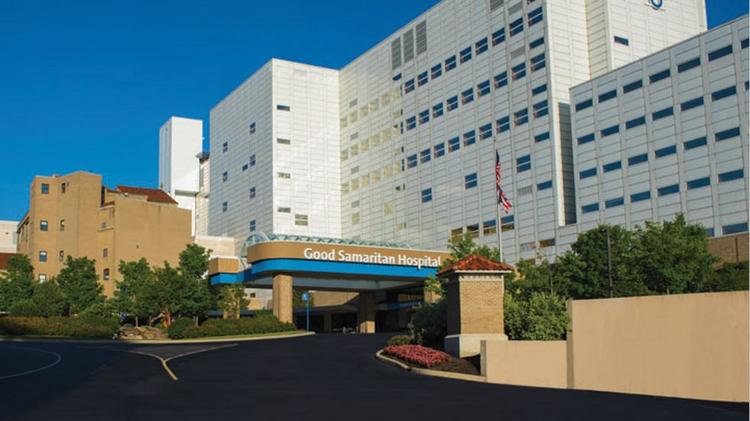


 HENRY KOTULA