The health of 44M seniors is jeopardized by cuts to Medicare lab services

PAMA

Image result for medicare lab cuts

The Protecting Access to Medicare Act (PAMA)

Congress passed the Protecting Access to Medicare Act (PAMA) in 2014 to help safeguard Medicare beneficiaries’ access to needed health services, including laboratory tests. Unfortunately, the U.S. Department of Health and Human Services (HHS) has taken a flawed and misguided approach to PAMA implementation. As a result of the Department’s actions, seniors will face an estimated $670 million in cuts to critical lab services this year alone, leaving the health of 57 million Medicare beneficiaries hanging in the balance.

PAMA cuts will be particularly burdensome to the most vulnerable seniors, such as those in skilled nursing facilities, those managing chronic conditions, and seniors living in medically underserved communities. The American Clinical Laboratory Association has raised significant concerns about the impact of Medicare lab cuts on seniors and their access to lifesaving diagnostics and lab services.

Learn more about the harm posed by these cuts on seniors here. Read the lawsuit ACLA has filed against HHS here.

WHAT’S AT STAKE


In 2016, seniors enrolled in Medicare received an average of

16 individual lab tests per year

Test tubes

People

80% of seniors

have at least one chronic disease and 77% have at least two—successful disease monitoring and management requires reliable access to routine testing

House

1 million

seniors are living in assisted living or skilled nursing homes

Hands

3.5 million

homebound seniors
rely on skilled home health care services

Map pin

An estimated

10 million

seniors live in rural areas

LACK OF ACCESS TO LAB TESTS

can result in undiagnosed conditions, lack of treatment for sick patients, and the failure to monitor and treat chronic conditions before they become worse—
resulting in a decline in overall health and longevity.

The PAMA cuts will also have a broad impact on laboratories across the country. Those that will face the brunt of the cuts are the very labs and providers that are uniquely positioned to provide services—like house-calls, 24-hour emergency STAT testing, and in-facility services at skilled nursing facilities—that are particularly important to seniors who are more likely to be homebound, managing multiple chronic conditions, or living in rural areas that are medically underserved.


High-Need, High-Cost Patients: Who Are They and How Do They Use Health Care?

http://www.commonwealthfund.org/publications/issue-briefs/2016/aug/high-need-high-cost-patients-meps1

Image result for High-Need, High-Cost Patients: Who Are They and How Do They Use Health Care?

Issue: Finding ways to improve outcomes and reduce spending for patients with complex and costly care needs requires an understanding of their unique needs and characteristics.

Goal: Examine demographics and health care spending and use of services among adults with high needs, defined as people who have three or more chronic diseases and a functional limitation in their ability to care for themselves or perform routine daily tasks.

Methods:Analysis of data from the 2009–2011 Medical Expenditure Panel Survey.

Key findings: High-need adults differed notably from adults with multiple chronic diseases but no functional limitations. They had annual health care expenditures that were nearly three times higher—and which were more likely to remain high over two years of observation—and out-of-pocket expenses that were more than a third higher, despite their lower incomes. On average, rates of hospital use for high-need adults were more than twice those for adults with multiple chronic conditions only; high-need adults also visited the doctor more frequently and used more home health care.

Conclusion: Wide variation in costs and use of services within the high-need group suggests that interventions should be targeted and tailored to those individuals most likely to benefit.

Saving Lives And Saving Money

http://www.healthleadersmedia.com/finance/saving-lives-and-saving-money

As health care costs continue to rise, attention has turned to a tiny number of super-utilizers. A program that started in California has taken a different approach to treating these high-cost patients: Over the past two years, it has tracked them, healed them and saved a ton of money.

Chronic Care Management Services

Click to access ChronicCareManagement.pdf

The Centers for Medicare & Medicaid Services (CMS) recognizes care management as one of the critical components of primary care that contributes to better health and care for individuals, as well as reduced spending. Beginning January 1, 2015, Medicare pays separately under the Medicare Physician Fee Schedule (PFS) under American Medical Association Current Procedural Terminology (CPT) code 99490, for non-face-to-face care coordination services furnished to Medicare beneficiaries with multiple chronic conditions.

CPT 99490 is defined as follows: 99490 Chronic care management services, at least 20 minutes of clinical staff time directed by a physician or other qualified health care professional, per calendar month, with the following required elements:

> Multiple (two or more) chronic conditions expected to last at least 12 months, or until the death of the patient,

> Chronic conditions place the patient at significant risk of death, acute exacerbation/decompensation, or functional decline, `

> Comprehensive care plan established, implemented, revised, or monitored.

Caring for High-Need, High-Cost Patients—An Urgent Priority

http://www.commonwealthfund.org/publications/in-brief/2016/jul/caring-high-need-high-cost-patients-urgent-priority?omnicid=EALERT1072635&mid=henrykotula@yahoo.com

Meaningful improvement in the health system will require improvement in care for those patients using it the most: people with multiple chronic conditions. Within this clinically diverse group are patients who remain stable for years with appropriate treatment, others who live with extreme functional limitations, and still others with persistent behavioral health challenges or related social needs, like housing or food, that exacerbate their conditions. Care for these high-need, high-cost patients is expensive: despite comprising just 5 percent of the U.S. population, they account for 50 percent of the nation’s annual health care spending.

Addressing Health In America To Build Wealth

http://healthaffairs.org/blog/2016/04/18/addressing-health-in-america-to-build-wealth/

Blog_paperwork calculator

Can Apple Get Healthcare Consumers to “Bite” with Care Kit?

https://www.linkedin.com/pulse/apple-finally-get-healthcare-consumers-bite-care-kit-michelle-chaffee

Can Apple Get Healthcare Consumers to "Bite" with Care Kit?

Dartmouth Atlas: Evidence-based, Coordinated Care for Seniors Elusive

http://healthleadersmedia.com/content.cfm?topic=QUA&content_id=325531

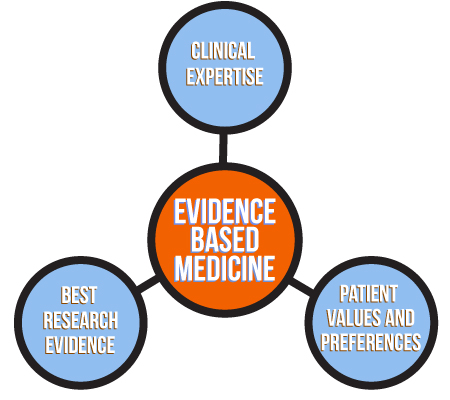
Evidence Based Medicine

Three areas where the use of evidence-base care is particularly lacking are prostate cancer screenings, breast cancer screenings, and feeding tube placement for Medicare recipients with advanced dementia.

Briefing Recap: Barriers To Care For Patients With Complex Health Needs

http://healthaffairs.org/blog/2015/12/14/briefing-recap-barriers-to-care-for-patients-with-complex-health-needs/

Blog_ArnonAfek_briefing

The need to bolster primary care in the United States is critical. Among the 10 countries in this survey, the United States has the youngest population, yet it has the highest incidence of chronic disease and spends 50-150 percent more on health care per capita than the other nine countries in the survey. This survey highlights another unwanted distinction: US primary care doctors felt among the least prepared to treat people with multiple chronic conditions and reported being among the least prepared to manage conditions associated with aging outside of hospital or nursing home settings.