

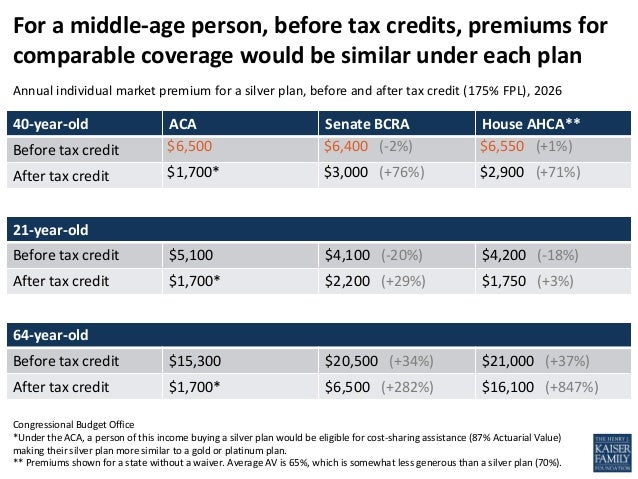
https://www.axios.com/the-senate-bill-is-out-heres-your-speed-read-2446201141.html

A draft of the long-awaited Senate healthcare bill, crafted behind closed doors, will be publicly unveiled on Thursday.
Just a day before the bill’s scheduled release, some senators said they still didn’t know the details of some key provisions, creating uncertainty as Senate Majority Leader Mitch McConnell (R-Ky.) pushes toward a vote next week.
Here’s what to watch for.

While Senate Republicans are drafting their healthcare plan behind closed doors, they’ve given reporters a general idea of what might be in it.
The bill is shaping up to have a similar structure as the House’s bill, while more reflecting the principles of centrist Republicans in both chambers.
Senators are still hashing out the specifics, but here’s a look at where they appear to be headed.
A Squeaker In The House Becomes Headache For The Senate: 5 Things To Watch
After weeks of will-they-or-won’t-they tensions, the House managed to pass its GOP replacement for the Affordable Care Act on Thursday by a razor-thin margin. The vote was 217-213.
Democrats who lost the battle are still convinced they may win the political war. As the Republicans reached a majority for the bill, Democrats on the House floor began chanting, “Na, na, na, na … Hey, hey, hey … Goodbye.” They claim Republicans could lose their seats for supporting a bill that could cause so much disruption in voters’ health care.
Now the bill — and the multitude of questions surrounding it — moves across the Capitol to the Senate. And the job doesn’t get any easier. With only a two-vote Republican majority and no likely Democratic support, it would take only three GOP “no” votes to sink the bill.
Democrats have made clear they will unanimously oppose the bill. “Trumpcare” is just a breathtakingly irresponsible piece of legislation that would endanger the health of tens of millions of Americans and break the bank for millions more,” said Senate Minority Leader Chuck Schumer (D-N.Y.).
And Republicans in the Senate have their own internal disagreements, too.
Here are five of the biggest flashpoints that could make trouble for the bill in the upper chamber.
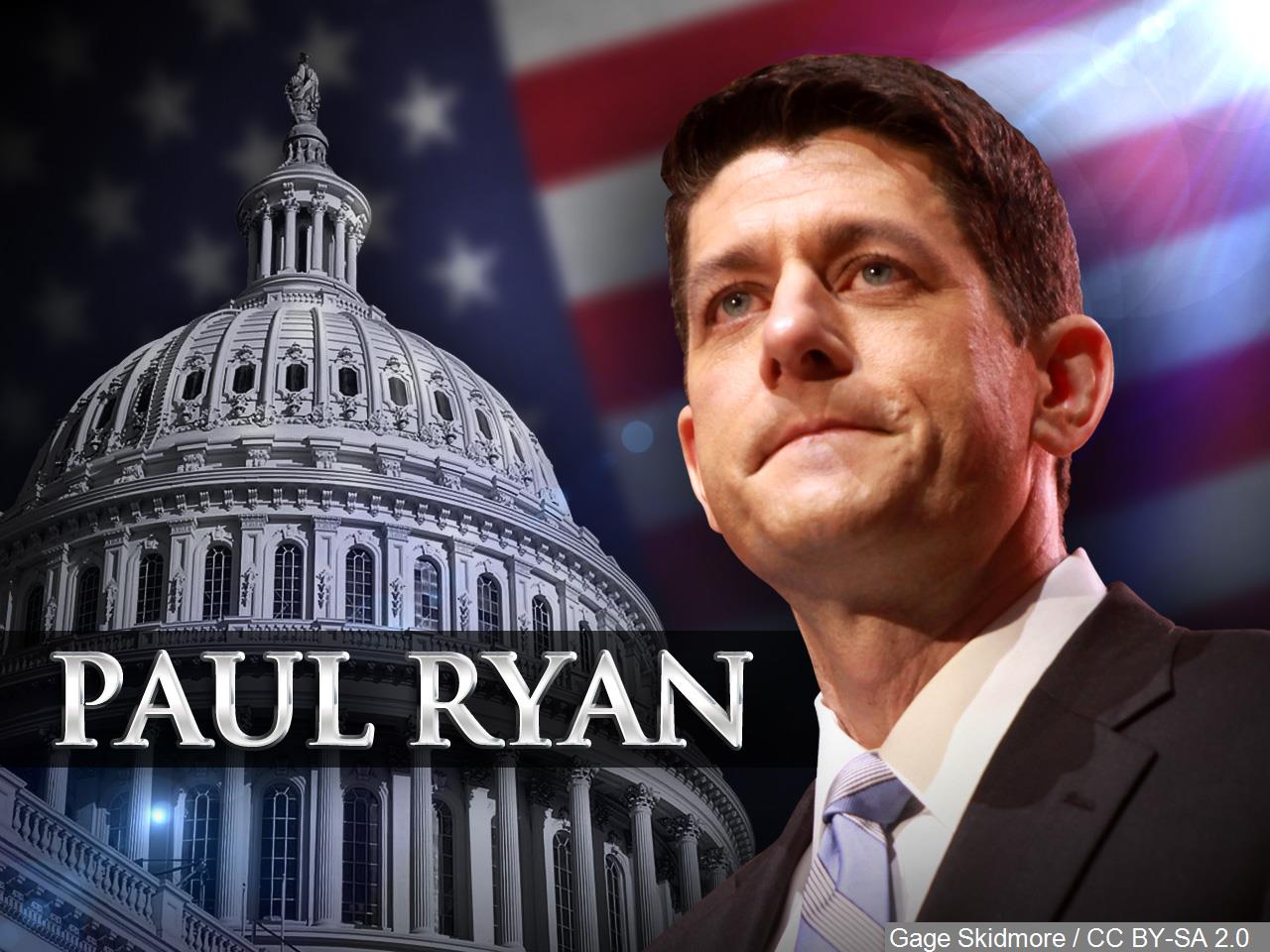
House Speaker Paul Ryan’s health-care task force is expected to outline its alternative to Obamacare this week. The outline reportedly will not include the level of detail that would allow much external analysis of its impact by health-care experts and the media, though Democrats are likely to attack its concepts, most of which will be familiar proposals that Republicans favor and that Democrats have opposed in the past. The outline is part of Mr. Ryan’s effort to add Republican policy ideas to the election debate, in particular to the presidential campaign, and seems aimed at helping down-ticket Republicans as a part of an agenda that can appeal to their base. Details will be needed to understand whether the plan is more progressive or regressive and how many uninsured people would be covered. Another big question is how Donald Trump will respond.

Rep. Pete Sessions and Sen. Bill Cassidy introduced legislation last month calling for replacing elements of the Affordable Care Act. A House task force established by SpeakerPaul Ryan is expected to follow with more health-care proposals. These Republican health plans are generally referred to as “replacements” for the ACA–in the spirit of “repeal and replace”–as though they would accomplish the same objectives in ways that conservatives prefer. But the proposals are better understood as alternatives with very different goals, trade-offs, and consequences. Whether they are “better” or “worse” depends on your perspective.
To boil down to the most basic differences: The central focus of the Affordable Care Act is expanding coverage and strengthening consumer protections in the health insurance marketplace through government regulation. By contrast, the primary objective of Republican plans is to try to reduce health-care spending by giving people incentives to purchase less costly insurance with more “skin in the game,” with the expectation that they will become more prudent consumers of health services. They also aim to reduce federal spending on Medicare and Medicaid and the federal government’s role in both programs. Elements of the ACA were designed to reduce costs, such as the law’s Medicare payment reforms, and elements of Republican plans such as tax credits aim to expand access to insurance, but the primary aims of the ACA and the Republican plans differ.

Having previously held that the House of Representatives has standing to sue, the district court in House v. Burwell has now held that the Obama administration is violating the Appropriations Clause in making cost-sharing payments under the ACA in the absence of the requisite congressional appropriation. The court has stayed its decision pending appeal, meaning that it won’t take immediate effect. Indeed, I suspect it will never take effect.

 HENRY KOTULA