The world came together for a virtual vaccine summit. The U.S. was conspicuously absent.

https://www.washingtonpost.com/world/europe/the-world-comes-together-for-a-virtual-vaccine-summit-the-us-is-conspicuously-absent/2020/05/04/ac5b6754-8a5c-11ea-80df-d24b35a568ae_story.html?mkt_tok=eyJpIjoiTkdRelpUWXlNV1k0TW1WaSIsInQiOiJXSHJqUW1UV042bmt0Q1A5TUhJQ2dZOWFucFNYbmxtdTRsZUV2c0ltYzJmZkl5aU43NGJqbDdCZnB4Y0sxK0hJaXRzWjZmajAxN3V5aGZCbGQrS1wvcm1id2dVaGRZdld1TFpXMEt0VUkrMWtrMGJ6cko3VW5jVUZwZlpKR1d0eHEifQ%3D%3D

The world comes together for a virtual vaccine summit. The U.S. is ...

World leaders came together in a virtual summit Monday to pledge billions of dollars to quickly develop vaccines and drugs to fight the coronavirus.

Missing from the roster was the Trump administration, which declined to participate but highlighted from Washington what one official called its “whole-of-America” efforts in the United States and its generosity to global health efforts.

The online conference, led by European Commission President Ursula von der Leyen and a half-dozen countries, was set to raise $8.2 billion from governments, philanthropies and the private sector to fund research and mass-produce drugs, vaccines and testing kits to combat the virus, which has killed more than 250,000 people worldwide.

With the money came soaring rhetoric about international solidarity and a good bit of boasting about each country’s efforts and achievements, live and prerecorded, by Germany’s Angela Merkel, France’s Emmanuel Macron, Britain’s Boris Johnson, Japan’s Shinzo Abe — alongside Israel’s Benjamin Netanyahu and Turkey’s Recep Tayyip Erdogan.

“The more we pull together and share our expertise, the faster our scientists will succeed,” said Johnson, who was so stricken by the virus that he thought he might never leave the intensive care unit alive last month. “The race to discover the vaccine to defeat this virus is not a competition between countries but the most urgent shared endeavor of our lifetimes.”

A senior Trump administration official said Monday the United States “welcomes” the efforts of the conference participants. He did not explain why the United States did not join them.

“Many of the organizations and programs this pledging conference seeks to support already receive very significant funding and support from the U.S. government and private sector,” said the official, who spoke on the condition of anonymity under White House rules for briefing reporters.

Public health officials and researchers expressed surprise.

“It’s the first time that I can think of where you have had a major international pledging conference for a global crisis of this kind of importance, and the U.S. is just absent,” said Jeremy Konyndyk, who worked on the Ebola response in the Obama administration.

Given that no one knows which vaccines will succeed, he said, it’s crucial to back multiple efforts working in parallel.

“Against that kind of uncertainty we should be trying to position ourselves to be supporting — and potentially benefiting from — all of them,” said Konyndyk, a senior policy fellow at the Center for Global Development. “And instead we seem to be just focused on trying to win the race, in the hopes we happen to get one of the successful ones.”

Conference participants expressed a need for unity.

“We can’t just have the wealthiest countries have a vaccine and not share it with the world,” Canadian Prime Minister Justin Trudeau said.

“Let us in the international community unite to overcome this crisis,” Abe said.

Russia and India also did not participate. Chinese premier Li Keqiang was replaced at the last minute by Zhang Ming, Beijing’s ambassador to the European Union.

The U.S. official said the United States “is the single largest health and humanitarian donor in world. And the American people have continued that legacy of generosity in the global fight against covid-19.”

“And we would welcome additional high-quality, transparent contributions from others,” he said.

Asked three more times to explain why the United States did not attend, the official said he already had given an answer.

The U.S. government has provided $775 million in emergency health, humanitarian, economic and development aid for governments, international organizations and charities fighting the pandemic. The official said the United States is in the process of giving about twice that amount in additional funding.

There was one major American player at the virtual summit: the Bill and Melinda Gates Foundation, which promised to spend $125 million in the fight.

“This virus doesn’t care what nationality you are,” Melinda Gates told the gathering. As long as the virus is somewhere, she said, it’s everywhere.

Scientists are working around-the-clock to find a cure or treatment for the coronavirus. The World Health Organization says eight vaccines have entered human trials and another 94 are in development.

But finding an effective vaccine is only part of the challenge. When it’s discovered, infectious disease experts are predicting a scramble for limited doses, because there won’t be enough to vaccinate everyone on Day One. And deploying it could be difficult, particularly in countries that lack robust medical infrastructure.

Those that have begun human trials include a research project at Oxford University in England, which hopes to have its vaccine ready in the fall. The university started human trials on April 23. “In normal times,” British Health Secretary Matt Hancock said, “reaching this stage would take years.”

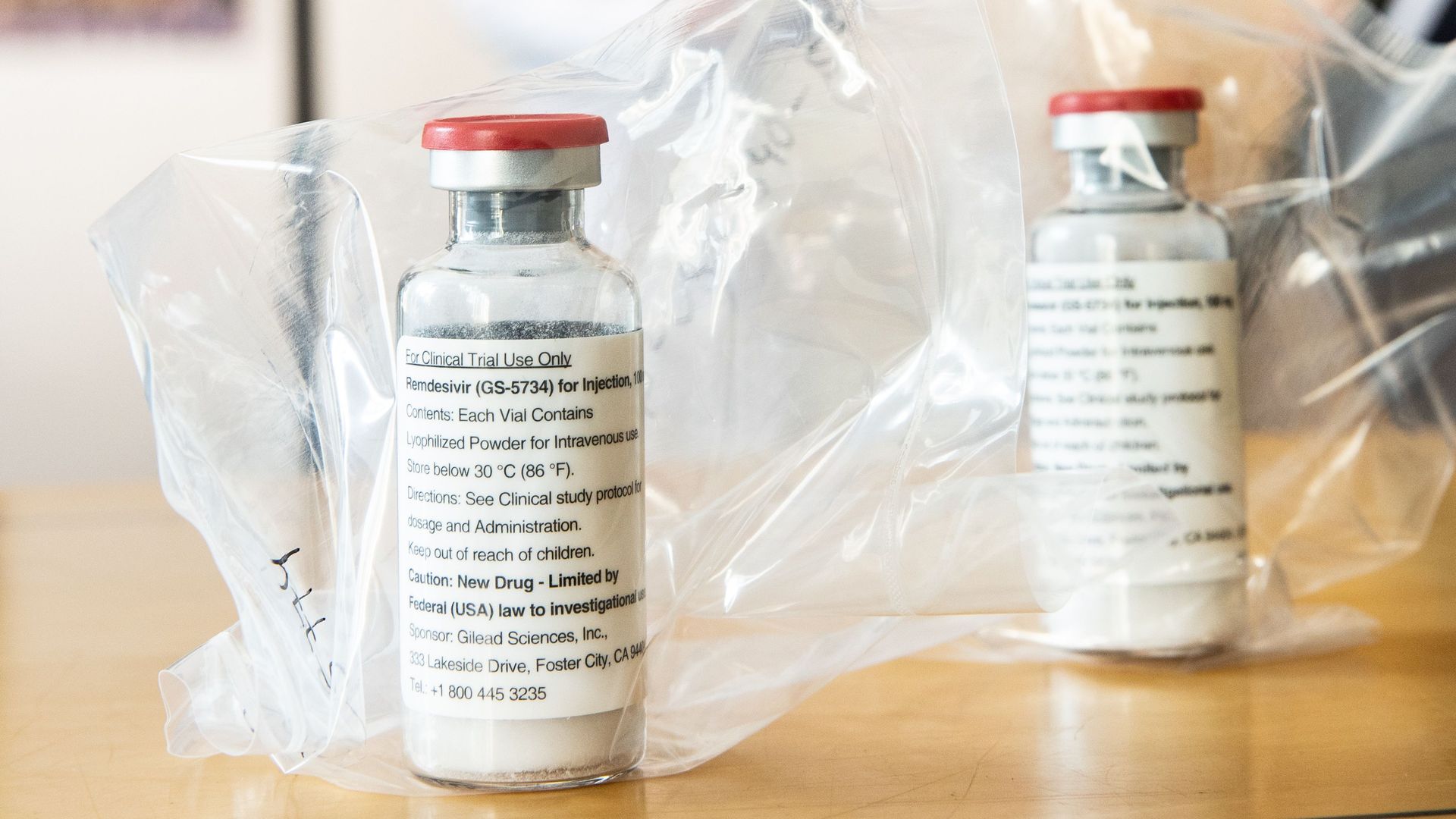
Other scientists are sprinting to create antiviral drugs or repurposing existing drugs such as remdesivir, which U.S. infectious diseases chief Anthony S. Fauci said he expected would be the new “standard of care.”

Other approaches now in trial include treatments such as convalescent plasma, which involves taking blood plasma from people who have recovered from covid-19 to patients who are fighting the virus, in the hope that the antibody-rich fluid will give the infected a helping hand.

Conference participants expressed hope that by working together, the world will find solutions more quickly — and they can then be dispersed to all countries, not only the wealthy, or those that developed vaccines first.

Many of the leaders stressed their support for the WHO. President Trump announced last month he was cutting off U.S. funding for the WHO because he said it had sided too closely with China, where the coronavirus arose. Trump says Chinese leaders underplayed the threat and hid crucial facts.

Public health analysts have shared some of those criticisms but have also criticized Trump for cutting off funding.

Peter Jay Hotez, dean of the National School of Tropical Medicine at Baylor College of Medicine, said the United States has always been the primary funder of new products for global health. The country invested $1.8 billion in neglected diseases in 2018, according to Policy Cures Research, more than two-thirds of the worldwide total.

Hotez said the United States shoulders the burden of investing in global health technologies, while countries such as China do not step up.

“More than one mechanism for supporting global health technologies — that may not be such as a bad thing,” he said. “If it was all under one umbrella, you risk that some strong-willed opinions would carry the day and you might not fund the best technology.”

Hotez is working on a coronavirus vaccine that uses an existing, low-cost technology, previously used for the hepatitis B vaccine, precisely because he is worried about equitable distribution of the vaccine.

“I’m not very confident that some of the cutting-edge technologies going into clinical trials, which have never led to a licensed vaccine before, are going to filter down to low- and middle-income countries anytime soon,” Hotez said. “I’m really worried.”


New report says coronavirus pandemic could last for two years – and may not subside until 70% of the population has immunity

https://www.cbsnews.com/news/coronavirus-pandemic-update-two-years-70-percent-immunity/

Coronavirus (COVID-19) Recovery Depends on Herd Immunity, Doctor Says

As coronavirus restrictions around the world are being lifted, a new report warns the pandemic that has already killed more than 230,000 people likely won’t be contained for two years. The modeling study from the Center for Infectious Disease Research and Policy (CIDRAP) at the University of Minnesota also says that about 70% of people need to be immune in order to bring the virus to a halt.

For the study, experts looked at eight major influenza pandemics dating back to the 1700s, as well as data about the new coronavirus, to help forecast how COVID-19 may spread over the coming months and years. Out of the eight past flu pandemics, scientists said seven had a second substantial peak about six months after the first one. Additionally, some had “smaller waves of cases over the course of 2 years” after the initial outbreak.

A key factor in their prediction for the current pandemic revolves around herd immunity, which refers to the community-wide resistance to the spread of a contagious disease that results when a high percentage of people are immune to it, either through vaccination or prior exposure. 

“The length of the pandemic will likely be 18 to 24 months, as herd immunity gradually develops in the human population,” the report says. “Given the transmissibility of SARS-CoV-2” — the virus that causes COVID-19 — “60% to 70% of the population may need to be immune to reach a critical threshold of herd immunity to halt the pandemic.”

It will take time to reach that point, since data from blood tests show only a small fraction of the overall population has been infected so far, and a possible vaccine is still months if not a year or more away. It is not yet clear whether people who’ve recovered from the infection will be immune or how long such protection would last.

The report lays out several possible scenarios, including one in which a larger wave of illnesses may happen in the fall or winter of 2020 and then subsequent smaller waves in 2021. The researchers say this model — similar to the pattern seen in the devastating 1918 Spanish flu pandemic — would “require the reinstitution of mitigation measures in the fall in an attempt to drive down spread of infection and prevent healthcare systems from being overwhelmed.” 

Two other scenarios in the report involve either recurring peaks and valleys of outbreaks, or smaller waves of illness over the next two years.

In any case, the researchers said people must be prepared for “at least another 18 to 24 months of significant COVID-19 activity, with hot spots popping up periodically” in different geographic areas.

As the virus continues to circulate among the human population and outbreaks finally start to wane, they say it will likely “synchronize to a seasonal pattern with diminished severity over time.”


How Long Will a Vaccine Really Take?

Health - Digg

A vaccine would be the ultimate weapon against the coronavirus and the best route back to normal life. Officials like Dr. Anthony S. Fauci, the top infectious disease expert on the Trump administration’s coronavirus task force, estimate a vaccine could arrive in at least 12 to 18 months.

The grim truth behind this rosy forecast is that a vaccine probably won’t arrive any time soon. Clinical trials almost never succeed. We’ve never released a coronavirus vaccine for humans before. Our record for developing an entirely new vaccine is at least four years — more time than the public or the economy can tolerate social-distancing orders.

But if there was any time to fast-track a vaccine, it is now. So Times Opinion asked vaccine experts how we could condense the timeline and get a vaccine in the next few months instead of years.

Here’s how we might achieve the impossible.

Normally, researchers need years to secure funding, get approvals and study results piece by piece. But these are not normal times.

There are already at least 254 therapies and 95 vaccines related to Covid-19 being explored.

“If you want to make that 18-month timeframe, one way to do that is put as many horses in the race as you can,” said Dr. Peter Hotez, dean of the National School of Tropical Medicine at Baylor College of Medicine.

Despite the unprecedented push for a vaccine, researchers caution that less than 10 percent of drugs that enter clinical trials are ever approved by the Food and Drug Administration.

The rest fail in one way or another: They are not effective, don’t perform better than existing drugs or have too many side effects.

Fortunately, we already have a head start on the first phase of vaccine development: research. The outbreaks of SARS and MERS, which are also caused by coronaviruses, spurred lots of research. SARS and SARS-CoV-2, the virus that causes Covid-19, are roughly 80 percent identical, and both use so-called spike proteins to grab onto a specific receptor found on cells in human lungs. This helps explain how scientists developed a test for Covid-19 so quickly.

There’s a cost to moving so quickly, however. The potential Covid-19 vaccines now in the pipeline might be more likely to fail because of the swift march through the research phase, said Robert van Exan, a cell biologist who has worked in the vaccine industry for decades. He predicts we won’t see a vaccine approved until at least 2021 or 2022, and even then, “this is very optimistic and of relatively low probability.”

And yet, he said, this kind of fast-tracking is “worth the try — maybe we will get lucky.”

The next step in the process is pre-clinical and preparation work, where a pilot factory is readied to produce enough vaccine for trials. Researchers relying on groundwork from the SARS and MERS outbreaks could theoretically move through planning steps swiftly.

Sanofi, a French biopharmaceutical company, expects to begin clinical trials late this year for a Covid-19 vaccine that it repurposed from work on a SARS vaccine. If successful, the vaccine could be ready by late 2021.

As a rule, researchers don’t begin jabbing people with experimental vaccines until after rigorous safety checks.

They test the vaccine first on small batches of people — a few dozen during Phase 1, then a few hundred in Phase 2, then thousands in Phase 3. Months normally pass between phases so that researchers can review the findings and get approvals for subsequent phases.

But “if we do it the conventional way, there’s no way we’re going to be reaching that timeline of 18 months,” said Akiko Iwasaki, a professor of immunobiology at Yale University School of Medicine and an investigator at the Howard Hughes Medical Institute.

There are ways to slash time off this process by combining several phases and testing vaccines on more people without as much waiting.

Last week the National Academy of Sciences showed an overlapping timeline, describing it as moving at “pandemic speed.”

It’s here that talk of fast-tracking the timeline meets the messiness of real life: What if a promising vaccine actually makes it easier to catch the virus, or makes the disease worse after someone’s infected?

That’s been the case for a few H.I.V. drugs and vaccines for dengue fever, because of a process called vaccine-induced enhancement, in which the body reacts unexpectedly and makes the disease more dangerous.

Researchers can’t easily infect vaccinated participants with the coronavirus to see how the body behaves. They normally wait until some volunteers contract the virus naturally. That means dosing people in regions hit hardest by the virus, like New York, or vaccinating family members of an infected person to see if they get the virus next. If the pandemic subsides, this step could be slowed.

“That’s why vaccines take such a long time,” said Dr. Iwasaki. “But we’re making everything very short. Hopefully we can evaluate these risks as they occur, as soon as possible.”

This is where the vaccine timelines start to diverge depending on who you are, and where some people might get left behind.

If a vaccine proves successful in early trials, regulators could issue an emergency-use provision so that doctors, nurses and other essential workers could get vaccinated right away — even before the end of the year. Researchers at Oxford announced this week that their coronavirus vaccine could be ready for emergency use by September if trials prove successful.

So researchers might produce a viable vaccine in just 12 to 18 months, but that doesn’t mean you’re going to get it. Millions of people could be in line before you. And that’s only if the United States finds a vaccine first. If another country, like China, beats us to it, we could wait even longer while it doses its citizens first.

You might be glad of that, though, if it turned out that the fast-tracked vaccine caused unexpected problems. Only after hundreds or thousands are vaccinated would researchers be able to see if a fast-tracked vaccine led to problems like vaccine-induced enhancement.

“It’s true that any new technology comes with a learning curve,” said Dr. Paul Offit, the director of the Vaccine Education Center at the Children’s Hospital of Philadelphia. “And sometimes that learning curve has a human price.”

Once we have a working vaccine in hand, companies will need to start producing millions — perhaps billions — of doses, in addition to the millions of vaccine doses that are already made each year for mumps, measles and other illnesses. It’s an undertaking almost unimaginable in scope.

Companies normally build new facilities perfectly tailored to any given vaccine because each vaccine requires different equipment. Some flu vaccines are produced using chicken eggs, using large facilities where a version of the virus is incubated and harvested. Other vaccines require vats in which a virus is cultured in a broth of animal cells and later inactivated and purified.

Those factories follow strict guidelines governing biological facilities and usually take around five years to build, costing at least three times more than conventional pharmaceutical factories. Manufacturers may be able to speed this up by creating or repurposing existing facilities in the middle of clinical trials, long before the vaccine in question receives F.D.A. approval.

“They just can’t wait,” said Dr. Iwasaki. “If it turns out to be a terrible vaccine, they won’t distribute it. But at least they’ll have the capability” to do so if the vaccine is successful.

The Bill and Melinda Gates Foundation says it will build factories for seven different vaccines. “Even though we’ll end up picking at most two of them, we’re going to fund factories for all seven, just so that we don’t waste time,” Bill Gates said during an appearance on “The Daily Show.”

In the end, the United States will have the capacity to mass-produce only two or three vaccines, said Vijay Samant, the former head of vaccine manufacturing at Merck.

“The manufacturing task is insurmountable,” Mr. Samant said. “I get sleepless nights thinking about it.”

Consider just one seemingly simple step: putting the vaccine into vials. Manufacturers need to procure billions of vials, and billions of stoppers to seal them. Sophisticated machines are needed to fill them precisely, and each vial is inspected on a high-speed line. Then vials are stored, shipped and released to the public using a chain of temperature-controlled facilities and trucks. At each of these stages, producers are already stretched to meet existing demands, Mr. Samant said.

It’s a bottleneck similar to the one that caused a dearth of ventilators, masks and other personal protective equipment just as Covid-19 surged across America.

If you talk about vaccines long enough, a new type of vaccine, called Messenger RNA (or mRNA for short), inevitably comes up. There are hopes it could be manufactured at a record clip. Mr. Gates even included it on his Time magazine list of six innovations that could change the world. Is it the miracle we’re waiting for?

Rather than injecting subjects with disease-specific antigens to stimulate antibody production, mRNA vaccines give the body instructions to create those antigens itself. Because mRNA vaccines don’t need to be cultured in large quantities and then purified, they are much faster to produce. They could change the course of the fight against Covid-19.

“On the other hand,” said Dr. van Exan, “no one has ever made an RNA vaccine for humans.”

Researchers conducting dozens of trials hope to change that, including one by the pharmaceutical company Moderna. Backed by investor capital and spurred by federal funding of up to $483 million to tackle Covid-19, Moderna has already fast-tracked an mRNA vaccine. It’s entering Phase 1 trials this year and the company says it could have a vaccine ready for front-line workers later this year.

“Could it work? Yeah, it could work,” said Dr. Fred Ledley, a professor of natural biology and applied sciences at Bentley University. “But in terms of the probability of success, what our data says is that there’s a lower chance of approval and the trials take longer.”

The technology is decades old, yet mRNA is not very stable and can break down inside the body.

“At this point, I’m hoping for anything to work,” said Dr. Iwasaki. “If it does work, wonderful, that’s great. We just don’t know.”

The fixation on mRNA shows the allure of new and untested treatments during a medical crisis. Faced with the unsatisfying reality that our standard arsenal takes years to progress, the mRNA vaccine offers an enticing story mixed with hope and a hint of mystery. But it’s riskier than other established approaches.

Imagine that the fateful day arrives. Scientists have created a successful vaccine. They’ve manufactured huge quantities of it. People are dying. The economy is crumbling. It’s time to start injecting people.

But first, the federal government wants to take a peek.

That might seem like a bureaucratic nightmare, a rubber stamp that could cost lives. There’s even a common gripe among researchers: For every scientist employed by the F.D.A., there are three lawyers. And all they care about is liability.

Yet F.D.A. approvals are no mere formality. Approvals typically take a full year, during which time scientists and advisory committees review the studies to make sure that the vaccine is as safe and effective as drug makers say it is.

While some steps in the vaccine timeline can be fast-tracked or skipped entirely, approvals aren’t one of them. There are horror stories from the past where vaccines were not properly tested. In the 1950s, for example, a poorly produced batch of a polio vaccine was approved in a few hours. It contained a version of the virus that wasn’t quite dead, so patients who got it actually contracted polio. Several children died.

The same scenario playing out today could be devastating for Covid-19, with the anti-vaccination movement and online conspiracy theorists eager to disrupt the public health response. So while the F.D.A. might do this as fast as possible, expect months to pass before any vaccine gets a green light for mass public use.

At this point you might be asking: Why are all these research teams announcing such optimistic forecasts when so many experts are skeptical about even an 18-month timeline? Perhaps because it’s not just the public listening — it’s investors, too.

“These biotechs are putting out all these press announcements,” said Dr. Hotez. “You just need to recognize they’re writing this for their shareholders, not for the purposes of public health.”

What if It Takes Even Longer Than the Pessimists Predict?

Covid-19 lives in the shadow of the most vexing virus we’ve ever faced: H.I.V. After nearly 40 years of work, here is what we have to show for our vaccine efforts: a few Phase 3 clinical trials, one of which actually made the disease worse, and another with a success rate of just 30 percent.

Researchers say they don’t expect a successful H.I.V. vaccine until 2030 or later, putting the timeline at around 50 years.

That’s unlikely to be the case for Covid-19, because, as opposed to H.I.V., it doesn’t appear to mutate significantly and exists within a family of familiar respiratory viruses. Even still, any delay will be difficult to bear.

But the history of H.I.V. offers a glimmer of hope for how life could continue even without a vaccine. Researchers developed a litany of antiviral drugs that lowered the death rate and improved health outcomes for people living with AIDS. Today’s drugs can lower the viral load in an H.I.V.-positive person so the virus can’t be transmitted through sex.

Therapeutic drugs, rather than vaccines, might likewise change the fight against Covid-19. The World Health Organization began a global search for drugs to treat Covid-19 patients in March. If successful, those drugs could lower the number of hospital admissions and help people recover faster from home while narrowing the infection window so fewer people catch the virus.

Combine that with rigorous testing and contact tracing — where infected patients are identified and their recent contacts notified and quarantined — and the future starts looking a little brighter. So far, the United States is conducting fewer than half the number of tests required and we need to recruit more than 300,000 contact-tracers. But other countries have started reopening following exactly these steps.

If all those things come together, life might return to normal long before a vaccine is ready to shoot into your arm.


What you need to know about the COVID-19 vaccine

https://www.gatesnotes.com/Health/What-you-need-to-know-about-the-COVID-19-vaccine?WT.mc_id=20200430164943_COVID-19-vaccine_BG-FB&WT.tsrc=BGFB&linkId=87665504&fbclid=IwAR0SsBGe1GTcy-fOIXz86kImkScsdCGlRVgmDcPOgXMcaU7kdO39SyNpRSs

What you need to know about the COVID-19 vaccine | Bill Gates

Humankind has never had a more urgent task than creating broad immunity for coronavirus.

One of the questions I get asked the most these days is when the world will be able to go back to the way things were in December before the coronavirus pandemic. My answer is always the same: when we have an almost perfect drug to treat COVID-19, or when almost every person on the planet has been vaccinated against coronavirus.

The former is unlikely to happen anytime soon. We’d need a miracle treatment that was at least 95 percent effective to stop the outbreak. Most of the drug candidates right now are nowhere near that powerful. They could save a lot of lives, but they aren’t enough to get us back to normal.

Which leaves us with a vaccine.

Humankind has never had a more urgent task than creating broad immunity for coronavirus. Realistically, if we’re going to return to normal, we need to develop a safe, effective vaccine. We need to make billions of doses, we need to get them out to every part of the world, and we need all of this happen as quickly as possible.

That sounds daunting, because it is. Our foundation is the biggest funder of vaccines in the world, and this effort dwarfs anything we’ve ever worked on before. It’s going to require a global cooperative effort like the world has never seen. But I know it’ll get done. There’s simply no alternative.

Here’s what you need to know about the race to create a COVID-19 vaccine.

The world is creating this vaccine on a historically fast timeline.

Dr. Anthony Fauci has said he thinks it’ll take around eighteen months to develop a coronavirus vaccine. I agree with him, though it could be as little as 9 months or as long as two years.

Although eighteen months might sound like a long time, this would be the fastest scientists have created a new vaccine. Development usually takes around five years. Once you pick a disease to target, you have to create the vaccine and test it on animals. Then you begin testing for safety and efficacy in humans.

Safety and efficacy are the two most important goals for every vaccineSafety is exactly what it sounds like: is the vaccine safe to give to people? Some minor side effects (like a mild fever or injection site pain) can be acceptable, but you don’t want to inoculate people with something that makes them sick.

Efficacy measures how well the vaccine protects you from getting sick. Although you’d ideally want a vaccine to have 100 percent efficacy, many don’t. For example, this year’s flu vaccine is around 45 percent effective.

To test for safety and efficacy, every vaccine goes through three phases of trials:

  • Phase one is the safety trial. A small group of healthy volunteers gets the vaccine candidate. You try out different dosages to create the strongest immune response at the lowest effective dose without serious side effects.
  • Once you’ve settled on a formula, you move onto phase two, which tells you how well the vaccine works in the people who are intended to get it. This time, hundreds of people get the vaccine. This cohort should include people of different ages and health statuses.
  • Then, in phase three, you give it to thousands of people. This is usually the longest phase, because it occurs in what’s called “natural disease conditions.” You introduce it to a large group of people who are likely already at the risk of infection by the target pathogen, and then wait and see if the vaccine reduces how many people get sick.

After the vaccine passes all three trial phases, you start building the factories to manufacture it, and it gets submitted to the WHO and various government agencies for approval.

This process works well for most vaccines, but the normal development timeline isn’t good enough right now. Every day we can cut from this process will make a huge difference to the world in terms of saving lives and reducing trillions of dollars in economic damage.

So, to speed up the process, vaccine developers are compressing the timeline. This graphic shows how:

In the traditional process, the steps are sequential to address key questions and unknowns. This can help mitigate financial risk, since creating a new vaccine is expensive. Many candidates fail, which is why companies wait to invest in the next step until they know the previous step was successful.

For COVID-19, financing development is not an issue. Governments and other organizations (including our foundation and an amazing alliance called the Coalition for Epidemic Preparedness Innovations) have made it clear they will support whatever it takes to find a vaccine. So, scientists are able to save time by doing several of the development steps at once. For example, the private sector, governments, and our foundation are going to start identifying facilities to manufacture different potential vaccines. If some of those facilities end up going unused, that’s okay. It’s a small price to pay for getting ahead on production.

Fortunately, compressing the trial timeline isn’t the only way to take a process that usually takes five years and get it done in 18 months. Another way we’re going to do that is by testing lots of different approaches at the same time.

There are dozens of candidates in the pipeline.

As of April 9, there are 115 different COVID-19 vaccine candidates in the development pipeline. I think that eight to ten of those look particularly promising. (Our foundation is going to keep an eye on all the others to see if we missed any that have some positive characteristics, though.)

The most promising candidates take a variety of approaches to protecting the body against COVID-19. To understand what exactly that means, it’s helpful to remember how the human immune system works.

When a disease pathogen gets into your system, your immune system responds by producing antibodies. These antibodies attach themselves to substances called antigens on the surface of the microbe, which sends a signal to your body to attack. Your immune system keeps a record of every microbe it has ever defeated, so that it can quickly recognize and destroy invaders before they make you ill.

Vaccines circumvent this whole process by teaching your body how to defeat a pathogen without ever getting sick. The two most common types—and the ones you’re probably most familiar with—are inactivated and live vaccines. Inactivated vaccines contain pathogens that have been killed. Live vaccines, on the other hand, are made of living pathogens that have been weakened (or “attenuated”). They’re highly effective but more prone to side effects than their inactivated counterparts.

Inactivated and live vaccines are what we consider “traditional” approaches. There are a number of COVID-19 vaccine candidates of both types, and for good reason: they’re well-established. We know how to test and manufacture them.

The downside is that they’re time-consuming to make. There’s a ton of material in each dose of a vaccine. Most of that material is biological, which means you have to grow it. That takes time, unfortunately.

That’s why I’m particularly excited by two new approaches that some of the candidates are taking: RNA and DNA vaccines. If one of these new approaches pans out, we’ll likely be able to get vaccines out to the whole world much faster. (For the sake of simplicity, I’m only going to explain RNA vaccines. DNA vaccines are similar, just with a different type of genetic material and method of administration.)

Our foundation—both through our own funding and through CEPI—has been supporting the development of an RNA vaccine platform for nearly a decade. We were planning to use it to make vaccines for diseases that affect the poor like malaria, but now it’s looking like one of the most promising options for COVID. The first candidate to start human trials was an RNA vaccine created by a company called Moderna.

Here’s how an RNA vaccine works: rather than injecting a pathogen’s antigen into your body, you instead give the body the genetic code needed to produce that antigen itself. When the antigens appear on the outside of your cells, your immune system attacks them—and learns how to defeat future intruders in the process. You essentially turn your body into its own vaccine manufacturing unit.

Because RNA vaccines let your body do most of the work, they don’t require much material. That makes them much faster to manufacture. There’s a catch, though: we don’t know for sure yet if RNA is a viable platform for vaccines. Since COVID would be the first RNA vaccine out of the gate, we have to prove both that the platform itself works and that it creates immunity. It’s a bit like building your computer system and your first piece of software at the same time.

Even if an RNA vaccine continues to show promise, we still must continue pursuing the other options. We don’t know yet what the COVID-19 vaccine will look like. Until we do, we have to go full steam ahead on as many approaches as possible.

It might not be a perfect vaccine yet—and that’s okay.

The smallpox vaccine is the only vaccine that’s wiped an entire disease off the face of the earth, but it’s also pretty brutal to receive. It left a scar on the arm of anyone who got it. One out of every three people had side effects bad enough to keep them home from school or work. A small—but not insignificant—number developed more serious reactions.

The smallpox vaccine was far from perfect, but it got the job done. The COVID-19 vaccine might be similar.

If we were designing the perfect vaccine, we’d want it to be completely safe and 100 percent effective. It should be a single dose that gives you lifelong protection, and it should be easy to store and transport. I hope the COVID-19 vaccine has all of those qualities, but given the timeline we’re on, it may not.

The two priorities, as I mentioned earlier, are safety and efficacy. Since we might not have time to do multi-year studies, we will have to conduct robust phase 1 safety trials and make sure we have good real-world evidence that the vaccine is completely safe to use.

We have a bit more wiggle room with efficacy. I suspect a vaccine that is at least 70 percent effective will be enough to stop the outbreak. A 60 percent effective vaccine is useable, but we might still see some localized outbreaks. Anything under 60 percent is unlikely to create enough herd immunity to stop the virus.

The big challenge will be making sure the vaccine works well in older people. The older you are, the less effective vaccines are. Your immune system—like the rest of your body—ages and is slower to recognize and attack invaders. That’s a big issue for a COVID-19 vaccine, since older people are the most vulnerable. We need to make sure they’re protected.

The shingles vaccine—which is also targeted to older people—combats this by amping up the strength of the vaccine. It’s possible we do something similar for COVID, although it might come with more side effects. Health authorities could also ask people over a certain age to get an additional dose.

Beyond safety and efficacy, there are a couple other factors to consider:

  • How many doses will it be? A vaccine you only get once is easier and quicker to deliver. But we may need a multi-dose vaccine to get enough efficacy.
  • How long does it last? Ideally, the vaccine will give you long-lasting protection. But we might end up with one that only stops you from getting sick for a couple months (like the seasonal flu vaccine, which protects you for about six months). If that happens, the short-term vaccine might be used while we work on a more durable one.
  • How do you store it? Many common vaccines are kept at 4 degrees C. That’s around the temperature of your average refrigerator, so storage and transportation is easy. But RNA vaccines need to be stored at much colder temperature—as low as -80 degrees C—which will make reaching certain parts of the world more difficult.

My hope is that the vaccine we have 18 months from now is as close to “perfect” as possible. Even if it isn’t, we will continue working to improve it. After that happens, I suspect the COVID-19 vaccine will become part of the routine newborn immunization schedule.

Once we have a vaccine, though, we still have huge problems to solve. That’s because…

We need to manufacture and distribute at least 7 billion doses of the vaccine.

In order to stop the pandemic, we need to make the vaccine available to almost every person on the planet. We’ve never delivered something to every corner of the world before. And, as I mentioned earlier, vaccines are particularly difficult to make and store.

There’s a lot we can’t figure out about manufacturing and distributing the vaccine until we know what exactly we’re working with. For example, will we be able to use existing vaccine factories to make the COVID-19 vaccine?

What we can do now is build different kinds of vaccine factories to prepare. Each vaccine type requires a different kind of factory. We need to be ready with facilities that can make each type, so that we can start manufacturing the final vaccine (or vaccines) as soon as we can. This will cost billions of dollars. Governments need to quickly find a mechanism for making the funding for this available. Our foundation is currently working with CEPI, the WHO, and governments to figure out the financing.

Part of those discussions center on who will get the vaccine when. The reality is that not everyone will be able to get the vaccine at the same time. It’ll take months—or even years—to create 7 billion doses (or possibly 14 billion, if it’s a multi-dose vaccine), and we should start distributing them as soon as the first batch is ready to go.

Most people agree that health workers should get the vaccine first. But who gets it next? Older people? Teachers? Workers in essential jobs?

I think that low-income countries should be some of the first to receive it, because people will be at a much higher risk of dying in those places. COVID-19 will spread much quicker in poor countries because measures like physical distancing are harder to enact. More people have poor underlying health that makes them more vulnerable to complications, and weak health systems will make it harder for them to receive the care they need. Getting the vaccine out in low-income countries could save millions of lives. The good news is we already have an organization with expertise about how to do this in Gavi, the Vaccine Alliance.

With most vaccines, manufacturers sign a deal with the country where their factories are located, so that country gets first crack at the vaccines. It’s unclear if that’s what will happen here. I hope we find a way to get it out on an equitable basis to the whole world. The WHO and national health authorities will need to develop a distribution plan once we have a better understanding of what we’re working with.

Eventually, though, we’re going to scale this thing up so that the vaccine is available to everyone. And then, we’ll be able to get back to normal—and to hopefully make decisions that prevent us from being in this situation ever again.

It might be a bit hard to see right now, but there is a light at the end of the tunnel. We’re doing the right things to get a vaccine as quickly as possible. In the meantime, I urge you to continue following the guidelines set by your local authorities. Our ability to get through this outbreak will depend on everyone doing their part to keep each other safe.


Why Gilead’s coronavirus drug is not a “silver bullet”

https://www.axios.com/newsletters/axios-vitals-d589549c-1967-44b1-af0b-528fb345c48b.html?utm_source=newsletter&utm_medium=email&utm_campaign=newsletter_axiosvitals&stream=top

Why Gilead's coronavirus drug is not a "silver bullet" - Axios

If you feel like you’re suffering whiplash from the new, conflicting study data on Gilead Sciences’ experimental coronavirus drug, remdesivir, you’re not alone.

The big picture: Remdesivir could provide some help and lay the groundwork for more research, but this drug on its own does not appear to be any kind of “cure” for the novel coronavirus, Axios’ Bob Herman reports.

What’s happening: Remdesivir helped coronavirus patients get out of the hospital modestly quicker, based on early reads of an important and rigorously designed trial run by the National Institutes of Health,

  • That could be encouraging for those who get sick.

Yes, but: Analysts and experts were cautious about drawing too many conclusions without the full data from NIH — especially considering the primary outcome was changed mid-trial, and a separate randomized trial concluded remdesivir does little, if anything, to combat the virus.

  • “Remdesivir is a real drug for COVID … but again, not a silver bullet,” Umer Raffat, a pharmaceutical analyst at Evercore ISI, wrote to investors on Wednesday.
  • And because the drug has limited efficacy and likely works best before the infection gets too serious, “its availability is not going to move the needle on social distancing relaxation,” tweeted Peter Bach, a physician and drug researcher at Memorial Sloan Kettering.

The bottom line: This near-constant back-and-forth over remdesivir reinforces how strong the science and data need to be for any treatment, or for the world’s best hope: a vaccine.


Gilead says critical study of Covid-19 drug shows patients are responding to treatment

Critical study of Gilead’s Covid-19 drug shows patients are responding to treatment, NIH says

Gilead: Critical study of Covid-19 drug shows patients respond to ...

A government-run study of Gilead’s remdesivir, perhaps the most closely watched experimental drug to treat the novel coronavirus, showed that the medicine is effective against Covid-19, the disease caused by the virus.

Gilead made the announcement in a statement Wednesday, stating: “We understand that the trial has met its primary endpoint.” The company said that the National Institute of Allergy and Infectious Diseases, which is conducting the study, will provide data at an upcoming briefing.

The finding — although difficult to fully characterize without any data for the study — would represent the first treatment shown to improve outcomes in patients infected with the virus that put the global economy in a standstill and killed at least 218,000 people worldwide.

Over the past few weeks, there have been conflicting reports about the potential benefit of remdesivir, a drug that was previously tried in Ebola. As previously reported by STAT, an early peek at Gilead’s study in severe Covid-19 patients, based on data from a trial at a Chicago hospital, suggested patients were doing better than expected on remdesivir. Days later, a summary of results from a study in China showed that patients on the drug did not improve more than those in a control group.

Full results from the China study were also released Wednesday.

But the NIAID study, which was not expected to be released so soon, was by far the most important and rigorously designed test of remdesivir in Covid-19. The study compared remdesivir to placebo in 800 patients, with neither patients nor physicians knowing who got the drug instead of a placebo, meaning that unconscious biases will not affect the conclusions.

The main goal of the study is the time until patients improve, with different measures of improvement depending on how sick they were to begin with. While the result means that the drug helps patients improve faster, it is not possible to say how dramatic those improvements are.

Scott Gottlieb, the former commissioner of the Food and Drug Administration, said he expected there was enough evidence for the agency to issue an “emergency use authorization” for remdesivir.

“Remdesivir isn’t a home run but looks active and can be part of a toolbox of drugs and diagnostics that substantially lower our risk heading into the fall,” he said.

The FDA previously issued an emergency authorization for the malaria drug hydroxychloroquine to treat Covid-19, even though at least some studies suggesting the medicine was not effective. “If hydroxychloroquine met [the emergency] standard, then remdesivir would have seemed to cross that line a while ago, especially in the setting of treating critically ill patients,” Gottlieb said.

Remdesivir, which must be given intravenously, is likely to remain a treatment for patients who are hospitalized. But it is also likely that it will be most effective in patients who have been infected more recently, said Nahid Bhadelia, medical director of the special pathogens unit at Boston Medical Center.

“We know that with most antiviral medications the earlier you give it the better it is.” said Bhadelia, who had experience giving remdesivir as an experimental treatment for Ebola in Africa, where results are less encouraging. That means that better diagnostic testing will be essential to identifying patients who could benefit. “What will be important is that we find people on the outpatient side,” Bhadelia said. “Again, testing becomes important, we want to have them come to the hospital as soon as possible. “

Gilead also released results Wednesday from its own study of remdesivir in patients with severe Covid-19. This study showed similar rates of clinical improvement in patients treated with a five-day and 10-day course of remdesivir, the company said.

“Unlike traditional drug development, we are attempting to evaluate an investigational agent alongside an evolving global pandemic. Multiple concurrent studies are helping inform whether remdesivir is a safe and effective treatment for COVID-19 and how to best utilize the drug,” said Merdad Parsey, MD, PhD, Chief Medical Officer, Gilead Sciences, in a prepared statement.

Gilead said that its own study in severe patients showed that it may be possible to treat patients with a five-day treatment of remdesivir, not the 10-day course that was used in the NIAID trial.

The company’s study is enrolling approximately 6,000 participants from 152 different clinical trial sites all over the world. The data disclosed Thursday are from 397 patients, with a statistical comparison of patient improvement between the two remdesivir treatment arms — the five-day and 10-day treatment course. Improvement was measured using a seven-point numerical scale that encompasses death (at worst) and discharge from hospital (best outcome), with various degrees of supplemental oxygen and intubation in between.

The study design means that by itself it doesn’t reveal much about how well remdesivir is working, because there is no group of patients who were not treated with the drug. The conclusion is that the two durations of treatment are basically the same.

Peter Bach, the director of the Center for Health Policy and Outcomes at Memorial Sloan Kettering Medical Center, said he is eager to see the data from the NIAID study but renewed his criticism of Gilead’s severe study for lacking a control group of untreated patients. That would have allowed researchers to make important conclusions about how the drug works that are just not possible now, he said.

“They’ve squandered an unbelievable opportunity,” Bach said. “It’s not going to tell us what to do with 80-year-olds with multiple comorbidities compared to 30-year-olds who are otherwise healthy. We’re still going to be foundering around in the dark, or at least in a dim room, when we could have learned more.”

In the study, the median time to clinical improvement was 10 days in the five-day treatment group and 11 days in the 10-day treatment group. More than half of the patients in both groups were discharged from the hospital by day 14. At day 14, 64.5% of the patients in the five-day group and 53.8% of the patients in the 10-day group achieved clinical recovery.

Patients in the trial generally lived, though this may be because their illness was not that severe to begin with. For most of the study, patients already on ventilators were not enrolled.

Eight percent of the patients treated with five days of remdesivir died, compared to 11% of the patients treated for 10 days. Outside of Italy, where 77 patients were treated, the overall mortality rate across the entire study was 7%, Gilead said. Those mortality rates are lower than those seen in other studies, which have been in the teens and twenties.

Only 5% of patients in the five-day group and 10% in the 10-day group had side effects that led to a discontinuation. The most common bad effects — and it’s impossible to tell which were from the drug — were nausea and acute respiratory failure. High liver enzymes occurred in 7.3 percent of patients, with 3 percent of patients discontinuing the drug due to elevated liver tests.

A full evaluation of the results will have to wait until complete data are available.

In the China study, also published Wednesday in The Lancet, investigators found that remdesivir “did not significantly improve the time to clinical improvement, mortality, or time to clearance of virus in patients with serious COVID-19 compared with placebo.”

There was a 23% improvement in time to clinical improvement for remdesivir compared to placebo, but the difference was not statistically significant. At the median, remdesivir-treated patients improved in 20 days compared to 23 days for placebo patients. At one month, 14% of the remdesivir patients had died compared to 13% of the placebo-treated patients.

The China study enrolled patients with more severe Covid-19 than the study conducted by NIAID. The China study was also stopped early because of difficulties enrolling patients as the pandemic waned in China.


“Immunity passports” in the context of COVID-19

https://www.who.int/news-room/commentaries/detail/immunity-passports-in-the-context-of-covid-19

Charu Kaushic (@CKaushic) | Twitter

Scientific Brief

WHO has published guidance on adjusting public health and social measures for the next phase of the COVID-19 response.1 Some governments have suggested that the detection of antibodies to the SARS-CoV-2, the virus that causes COVID-19, could serve as the basis for an “immunity passport” or “risk-free certificate” that would enable individuals to travel or to return to work assuming that they are protected against re-infection. There is currently no evidence that people who have recovered from COVID-19 and have antibodies are protected from a second infection.


The measurement of antibodies specific to COVID-19

The development of immunity to a pathogen through natural infection is a multi-step process that typically takes place over 1-2 weeks. The body responds to a viral infection immediately with a non-specific innate response in which macrophages, neutrophils, and dendritic cells slow the progress of virus and may even prevent it from causing symptoms. This non-specific response is followed by an adaptive response where the body makes antibodies that specifically bind to the virus. These antibodies are proteins called immunoglobulins. The body also makes T-cells that recognize and eliminate other cells infected with the virus. This is called cellular immunity. This combined adaptive response may clear the virus from the body, and if the response is strong enough, may prevent progression to severe illness or re-infection by the same virus. This process is often measured by the presence of antibodies in blood.

WHO continues to review the evidence on antibody responses to SARS-CoV-2 infection.2-17 Most of these studies show that people who have recovered from infection have antibodies to the virus. However, some of these people have very low levels of neutralizing antibodies in their blood,4 suggesting that cellular immunity may also be critical for recovery. As of 24 April 2020, no study has evaluated whether the presence of antibodies to SARS-CoV-2 confers immunity to subsequent infection by this virus in humans.

Laboratory tests that detect antibodies to SARS-CoV-2 in people, including rapid immunodiagnostic tests, need further validation to determine their accuracy and reliability. Inaccurate immunodiagnostic tests may falsely categorize people in two ways. The first is that they may falsely label people who have been infected as negative, and the second is that people who have not been infected are falsely labelled as positive. Both errors have serious consequences and will affect control efforts. These tests also need to accurately distinguish between past infections from SARS-CoV-2 and those caused by the known set of six human coronaviruses. Four of these viruses cause the common cold and circulate widely. The remaining two are the viruses that cause Middle East Respiratory Syndrome and Severe Acute Respiratory Syndrome. People infected by any one of these viruses may produce antibodies that cross-react with antibodies produced in response to infection with SARS-CoV-2.

Many countries are now testing for SARS-CoV-2 antibodies at the population level or in specific groups, such as health workers, close contacts of known cases, or within households.21 WHO supports these studies, as they are critical for understanding the extent of – and risk factors associated with – infection.  These studies will provide data on the percentage of people with detectable COVID-19 antibodies, but most are not designed to determine whether those people are immune to secondary infections.


Other considerations

At this point in the pandemic, there is not enough evidence about the effectiveness of antibody-mediated immunity to guarantee the accuracy of an “immunity passport” or “risk-free certificate.” People who assume that they are immune to a second infection because they have received a positive test result may ignore public health advice. The use of such certificates may therefore increase the risks of continued transmission. As new evidence becomes available, WHO will update this scientific brief.


Murky data fragments about a coronavirus drug

https://www.axios.com/newsletters/axios-vitals-d53939d5-90fb-4aef-a87d-30cf2b0ceebf.html?utm_source=newsletter&utm_medium=email&utm_campaign=newsletter_axiosvitals&stream=top

Fact Check: Politicians on both sides make misleading claims about ...

Depending on the study, remdesivir is either a clinical failure or a godsend for treating the novel coronavirus, Axios’ Bob Herman reports.

The big picture: The grim reality of the coronavirus pandemic has the world itching to know which experimental treatments actually work, but we’re not necessarily getting any smarter from these incremental drips of incomplete information.

Driving the news: Remdesivir — an antiviral drug that some experts have seen as a promising coronavirus treatment — “was not associated with clinical or virological benefits” for coronavirus patients, according to a summary of a clinical trial in China, viewed by STAT and the Financial Times.

Between the lines: The truth is we still don’t really know how effective the drug is in fighting this virus.

  • The Chinese trial has a randomized control group, so it is by far the most reliable study. However, the trial has not gone through peer review, and Gilead said the results were “inconclusive” because the trial had to be terminated early.

The bottom line: Science is slow for a reason, and the deluge of poorly designed trials and early drafts of studies is sowing confusion instead of creating clarity.

What’s next: A more rigorous report from Gilead’s Chinese trial is expected at the end of this month, and data from other trials is expected in late May.


Not jumping to conclusions on coronavirus treatment

https://mailchi.mp/39947afa50d2/the-weekly-gist-april-17-2020?e=d1e747d2d8

A Closer Look At Remdesivir, An Experimental Coronavirus Drug ...

Early reports of hastened recoveries among patients taking the antiviral drug remdesivir sent manufacturer Gilead Sciences’ stock soaring over 8 percent this morning, and contributing to an overall uptick in the market. The gains came after a scoop by healthcare news site STAT, which obtained a copy of an internal webinar from University of Chicago Medicine, where an infectious disease specialist discussed positive results from their early experience with remdesivir. The system recruited 125 patients into Gilead’s Phase 3 clinical trials for the drug; 113 patients had severe disease. The presenting physician reported rapid reductions in fever and improvements in respiratory symptoms, noting that just two patients had died, and most of the participating patients had already been discharged—on average after just six days, suggesting a long course of drug treatment may not be necessary.

The STAT leak comes on the heels of a NEJM article late last week, which reported clinical improvement of over two-thirds in COVID-19 patients who received remdesivir. Critics were quick to point out  numerous flaws in the study, including lack of a control group, cherry-picking of patients, and the deep involvement of the manufacturer in study design, many of which also apply to the University of Chicago report.

In the thick of the pandemic, doctors and patients’ families are understandably motivated to get very sick patients access to any treatment that may help—but the resulting frenzy following the publication of early results may make it even harder to get good data to understand what works, and what doesn’t.

In the words of one expert, “Fast trials are generally not very interpretable, interpretable trials are generally not fast”. In the search for a “COVID-19 cure”, it’s highly unlikely that any single drug will provide a cure for the viral illness, and the only way we’ll know if a treatment is truly working is to wait for the results of randomized, controlled trials—despite how frustrating it is to muster the patience to do so.


Early peek at data on Gilead coronavirus drug suggests patients are responding to treatment

Early peek at data on Gilead coronavirus drug suggests patients are responding to treatment

Gilead data suggests coronavirus patients are responding to treatment

A Chicago hospital treating severe Covid-19 patients with Gilead Sciences’ antiviral medicine remdesivir in a closely watched clinical trial is seeing rapid recoveries in fever and respiratory symptoms, with nearly all patients discharged in less than a week, STAT has learned.

Remdesivir was one of the first medicines identified as having the potential to impact SARS-CoV-2, the novel coronavirus that causes Covid-19, in lab tests. The entire world has been waiting for results from Gilead’s clinical trials, and positive results would likely lead to fast approvals by the Food and Drug Administration and other regulatory agencies. If safe and effective, it could become the first approved treatment against the disease.

The University of Chicago Medicine recruited 125 people with Covid-19 into Gilead’s two Phase 3 clinical trials. Of those people, 113 had severe disease. All the patients have been treated with daily infusions of remdesivir.

“The best news is that most of our patients have already been discharged, which is great. We’ve only had two patients perish,” said Kathleen Mullane, the University of Chicago infectious disease specialist overseeing the remdesivir studies for the hospital.

Her comments were made this week during a video discussion about the trial results with other University of Chicago faculty members. The discussion was recorded and STAT obtained a copy of the video.

The outcomes offer only a snapshot of remdesivir’s effectiveness. The same trials are being run concurrently at other institutions, and it’s impossible to determine the full study results with any certainty. Still, no other clinical data from the Gilead studies have been released to date, and excitement is high. Last month, President Trump touted the potential for remdesivir — as he has for many still-unproven treatments — and said it “seems to have a very good result.”

In a statement Thursday, Gilead said: “What we can say at this stage is that we look forward to data from ongoing studies becoming available.”

Gilead had said to expect results for its trial involving severe cases in April. Mullane said during her presentation that data for the first 400 patients in the study would be “locked” by Gilead Thursday, meaning that results could come any day.

Mullane, while encouraged by the University of Chicago data, made clear her own hesitancy about drawing too many conclusions.

“It’s always hard,” she said, because the severe trial doesn’t include a placebo group for comparison. “But certainly when we start [the] drug, we see fever curves falling,” she said. “Fever is now not a requirement for people to go on trial, we do see when patients do come in with high fevers, they do [reduce] quite quickly. We have seen people come off ventilators a day after starting therapy. So, in that realm, overall our patients have done very well.”

She added: “Most of our patients are severe and most of them are leaving at six days, so that tells us duration of therapy doesn’t have to be 10 days. We have very few that went out to 10 days, maybe three,” she said.

Reached by STAT, Mullane confirmed the authenticity of the footage but declined to comment further. In a statement, the University of Chicago Medicine said “drawing any conclusions at this point is premature and scientifically unsound.” 

Asked about the data, Eric Topol, director of the Scripps Research Translational Institute, described them as “encouraging.”

“The severely hit patients are at such high-risk of fatality. So if it’s true that many of the 113 patients were in this category and were discharged, it’s another positive signal that the drug has efficacy,” he said, adding that it will be important to see more data from randomized controlled studies.

Gilead’s severe Covid-19 study includes 2,400 participants from 152 different clinical trial sites all over the world. Its moderate Covid-19 study includes 1,600 patients in 169 different centers, also all over the world.

The trial is investigating five- and 10-day treatment courses of remdesivir. The primary goal is a statistical comparison of patient improvement between the two treatment arms. Improvement is measured using a seven-point numerical scale that encompasses death (at worst) and discharge from hospital (best outcome), with various degrees of supplemental oxygen and intubation in between.

The lack of a control arm in the study could make interpreting the results more challenging. 

A lack of data has led to yo-yoing expectations for the drug. Two studies in China had enrollment suspended partway through because there were not enough patients available. A recent report of patients given the drug under a special program to make it available to those who are very ill generated both excitement and skepticism.

In scientific terms, all the data are anecdotal until the full trial reads out, meaning that they should not be used to draw final conclusions. But some of the anecdotes are dramatic.

Slawomir Michalak, a 57-year-old factory worker from a suburb west of Chicago, was among the participants in the Chicago study. One of his daughters started feeling ill in late March and was later diagnosed with mild Covid-19. Michalak, by contrast, came down with a high fever and reported shortness of breath and severe pain in his back.

“It felt like someone was punching me in the lungs,” he told STAT.

At his wife’s urging, Michalak went to the University of Chicago Medicine hospital on Friday, April 3. His fever had spiked to 104 and he was struggling to breath. At the hospital, he was given supplemental oxygen. He also agreed to participate in Gilead’s severe Covid-19 clinical trial.

His first infusion of remdesivir was on Saturday, April 4. “My fever dropped almost immediately and I started to feel better,” he said.

By his second dose on Sunday, Michalak said he was being weaned off oxygen. He received two more daily infusions of remdesivir and recovered enough to be discharged from the hospital on Tuesday, April 7.

“Remdesivir was a miracle,” he said. 

The world is waiting to find out if it is really so.