Court complicates Trump’s threat to cut ‘Obamacare’ funds

https://www.washingtonpost.com/politics/federal_government/trump-on-tricky-legal-ground-with-obamacare-threat/2017/08/01/436cfc8e-771e-11e7-8c17-533c52b2f014_story.html?utm_term=.35d0bd8ec053

Image result for us court of appeals circuits

President Donald Trump’s bold threat to push “Obamacare” into collapse may get harder to carry out after a new court ruling.

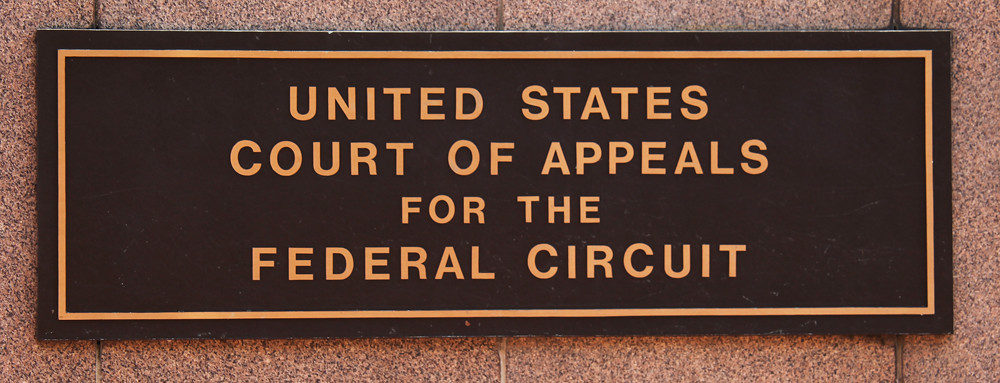
The procedural decision late Tuesday by a federal appeals panel in Washington has implications for millions of consumers. The judges said that a group of states can defend the legality of government “cost-sharing” subsidies for copays and deductibles under the Affordable Care Act if the Trump administration decides to stop paying the money.

Trump has been threatening to do just that for months, and he amped up his warnings after the GOP’s drive to repeal and replace “Obamacare” fell apart in the Senate last week. The subsidies help keep premiums in check, but they are under a legal cloud because of a dispute over the wording of the ACA. Trump has speculated that he could force Democrats to make a deal on health care by stopping the payments.

The court’s decision is “a check on the ability of the president to sabotage the Affordable Care Act in one very important way,” said Tim Jost, professor emeritus at Washington and Lee University School of Law in Virginia, a supporter of the ACA who has followed the issue closely.

Because of the ruling, legal experts said, states can now sue if the administration cuts off the subsidies. Also, they said, the president won’t be able to claim he’s merely following the will of a lower court that found Congress had not properly approved the money.

“We’re not going to wait to find out what Donald Trump wants to do,” said California Attorney General Xavier Becerra, who is helping steer the states’ involvement. “My team is ready to defend these subsidies in court.”

The Justice Department had no comment. The White House re-issued an earlier statement saying, “the president is working with his staff and his Cabinet to consider the issues raised by the … payments.”

Trump has made his feelings clear on Twitter. “If ObamaCare is hurting people, & it is, why shouldn’t it hurt the insurance companies,” he tweeted early Monday.

He elaborated in an earlier tweet, “If a new HealthCare Bill is not approved quickly, BAILOUTS for Insurance Companies…will end very soon!”

In a twist, the appeals court panel seemed to take such statements into account in granting 17 states and the District of Columbia the ability to intervene on behalf of consumers.

The judges’ decision said states’ doubts that the administration could adequately defend their interests in court were fanned by “accumulating public statements by high-level officials…about a potential change in position.”

“He’s really a terrible client, President Trump is,” University of Michigan law professor Nicholas Bagley said. “The states point to his public statements and say, ‘Are you kidding me? We know the president is poised to throw us under the bus and we know because he said so.’”

The health law requires insurers to help low-income consumers with their copays and deductibles. Nearly 3 in 5 HealthCare.gov customers qualify for the assistance, which can reduce a deductible of $3,500 to several hundred dollars. The annual cost to the government is about $7 billion.

The law also specifies that the government shall reimburse insurers for the cost-sharing assistance that they provide.

Nonetheless, the payments remain under a cloud because of a disagreement over whether they were properly approved in the health law, by providing a congressional “appropriation.”

House Republicans trying to thwart the ACA sued the Obama administration, arguing that the law lacked specific language appropriating the cost-sharing subsidies.

A district court judge agreed with House Republicans, and now the case is before the U.S. appeals court in Washington

If Trump makes good on his threat, experts estimate that premiums for a standard “silver” plan would increase by about 19 percent. And more insurers might decide to leave already shaky markets.

In Congress, some prominent lawmakers in both parties are saying they hope to provide at least a temporary guarantee for the subsidies before open enrollment season for 2018 starts Nov. 1.

Trump’s Tweets Threaten To Destabilize Insurance Markets

http://www.npr.org/sections/health-shots/2017/08/01/540656651/trumps-tweets-threaten-to-destabilize-insurance-markets?utm_campaign=KHN%3A%20Daily%20Health%20Policy%20Report&utm_source=hs_email&utm_medium=email&utm_content=54841830&_hsenc=p2ANqtz-_BS8nGbOG01O1u0VECBzsFH5X_-bRiY3X7lsxQ8ybqJDve3xJppemqizvSfn4B0RH50L84DFNZaG18htzfxHToUJIq2g&_hsmi=54841830

Image result for aca repeal

President Trump took to Twitter this week to threaten insurance companies that he may withhold crucial government payments in an effort to undermine the Affordable Care Act.

It’s not the first time the president has threatened to cut off these payments to insurers, which he refers to as “BAILOUTS.

But these payments aren’t designed to compensate insurers for business failures. Rather, they reimburse insurance companies for discounts the law requires them to give to low-income people who buy insurance through the Affordable Care Act exchanges. The federal money that goes to insurers in these payments, known as cost-sharing reductions, or CSRs, offsets the money insurers lose by lowering the deductibles and co-payments they require of these policyholders.

Trump, who is angry that the Congress failed to pass a law to repeal and replace the Affordable Care Act, or Obamacare, is wielding his threat to withhold these CSRs — which could cause chaos in the insurance markets – in hopes of forcing lawmakers back to the table to try again to get rid of the health care law.

The next cost-sharing payments are due to be paid in a few weeks and the president has said he’ll announce this week whether he’ll pay the money or keep it in the Treasury.

“In the absence of the CSR, the rate increases could be astonishing,” says Dr. Marc Harrison, CEO of Intermountain Healthcare, which operates nonprofit hospitals and clinics and insures more than 800,000 people across Utah.

“We’ll see [the number of] people who are uninsured, or functionally uninsured, go way, way up,” he adds.

Harrison says he and his company filed two sets of proposed rates for policies sold on the insurance exchange next year. If the president cuts off the cost-sharing payments, he says, the rates will be much higher.

The Congressional Budget Office estimates the payments, if they’re all made, will total $7 billion this year. Margaret Murray is CEO of the Association for Community Affiliated Plans, which represents these “safety net health plans” aimed at people with lower incomes. She says she has been in touch with the Department of Health and Human Services to urge them to fund the payments.

“Should the payments cease, insurers will be required to fund cost-sharing reductions on their own,” Murray says. If that happens, “they will either raise their rates – our plans indicate that it could be by up to 23 percent – to compensate for these losses, or they will withdraw from the markets altogether.”

If Trump does decide to stop making the payments, it may end up costing the U.S. Treasury more, while insurance companies who remain in the markets could do just fine.

That’s because insurance companies will charge more in premiums to make up for the lost payments. And that will lead the Treasury to spend more on subsidies to policyholders who qualify, according to an analysis by the consulting firm Oliver Wyman.

If those subsidies go up enough, more people could be lured into the exchange markets.

Here’s the wonky reason why:

The Obamacare exchanges require insurance policies to conform to one of four “metal” levels — bronze, silver, gold or platinum — which coincide with how much an individual is expected to pay in premiums, deductibles and other out-of-pocket expenses. A bronze plan covers about 60 percent of a customer’s health care costs, with relatively low monthly premiums, while a platinum plan will cost more each month but pay 90 percent of total health costs.

The law provides income-based tax credits to people to buy insurance, and those credits are calculated based on the price of silver plans. Last year about 85 percent of people who bought Obamacare insurance got a credit, according to the Center for Medicare and Medicaid Services.

People with the lowest incomes also get those discounted deductibles and co-payments if they buy a silver plan; and then the government reimburses insurers through CSR payments.

If Trump decides not to make those payments, insurance companies are likely to raise rates about 19 percent, according to an analysis by the Kaiser Family Foundation.

That means subsidies will have to rise for many people to meet those higher premiums. Some people may take that bigger subsidy to buy a cheaper policy — and many could even get insurance for free, according to Oliver Wyman, because premiums on bronze plans probably would not rise as much as those on silver plans.

The higher subsidies could cost the government as much as $2.3 billion in 2018, according to the Kaiser Family Foundation’s Larry Levitt. Levitt notes that Congress could end the ambiguity over the payments by appropriating the money for them.

Sen. Orrin Hatch, R-Utah, said in an interview with Reuters that he thinks Congress will do just that.

“I’m for helping the poor; always have been,” Hatch said. “And I don’t think they should be bereft of health care.”

The reason CSRs are in limbo at all is because House Republican who did not want Obamacare to succeed sued the administration, claiming the payments to insurers were illegal because they had not appropriated money for them.

A federal judge agreed, but the Obama administration appealed. When Trump took the White House he continued the appeal, to allow lawmakers time to pass a bill to repeal Obamacare and make the payments disappear altogether.

Now that that effort has failed, the lawsuit and the cost-sharing money are once again in play.

Trump on tricky legal ground with ‘Obamacare’ threat

http://abcnews.go.com/Health/wireStory/trump-tricky-legal-ground-obamacare-threat-48962076

Image result for tricky legal grounds

President Donald Trump’s threat to stop billions of dollars in government payments to insurers and force the collapse of “Obamacare” could put the government in a legal bind.

Law experts say he’d be handing insurers a solid court case, while undermining his own leverage to compel Democrats to negotiate, especially if premiums jump by 20 percent as expected after such a move.

“Trump thinks he’s holding all the cards. But Democrats know what’s in his hand, and he’s got a pair of twos,” said University of Michigan law professor Nicholas Bagley. Democrats “aren’t about to agree to dismantle the Affordable Care Act just because Trump makes a reckless bet.”

For months, the president has been threatening to stop payments that reimburse insurers for providing required financial assistance to low-income consumers, reducing their copays and deductibles.

Administration officials say the decision could come any day.

Playing defense, some insurers are preemptively raising premiums for next year. For example, BlueCross BlueShield of Arizona this week announced a 7.2 percent average hike for 2018. But there would likely be no increase if the subsidies are guaranteed, the company said. And BlueCross BlueShield of North Carolina earlier requested a 22.9 percent average increase. With the subsidies, the company said that would have been 8.8 percent.

The “cost-sharing” subsidies are under a legal cloud because of a dispute over whether the Obama health care law properly approved the payments. Other parts of the health care law, however, clearly direct the government to reimburse insurers.

With the issue unresolved, the Trump administration has been paying insurers each month, as the Obama administration had done previously.

Trump returned to the subject last week after the GOP drive to repeal the health care law fell apart in the Senate, tweeting, “As I said from the beginning, let ObamaCare implode, then deal. Watch!”

He elaborated in another tweet, “If a new HealthCare Bill is not approved quickly, BAILOUTS for Insurance Companies…will end very soon!”

It’s not accurate to call the cost-sharing subsidies a bailout, said Tim Jost, a professor emeritus at Washington and Lee University School of Law in Virginia.

“They are no more a bailout than payments made by the government to a private company for building a bomber,” he said.

That’s at the root of the Trump administration’s potential legal problem if the president makes good on this threat.

The health law clearly requires insurers to help low-income consumers with their copays and deductibles. Nearly 3 in 5 HealthCare.gov customers qualify for the assistance, which can reduce a deductible of $3,500 to several hundred dollars. The annual cost to the government is about $7 billion.

The law also specifies that the government shall reimburse insurers for the cost-sharing assistance that they provide.

Nonetheless, the payments remain under a cloud because of a disagreement over whether they were properly approved in the health law, by providing an “appropriation.”

The Constitution says the government shall not spend money without a congressional appropriation.

Think of an appropriation as an electronic instruction to your bank to pay a recurring monthly bill. You fully intend to pay, and the money you’ve budgeted is in your account. But the payment will not go out unless you specifically direct your bank to send it.

House Republicans trying to thwart the ACA sued the Obama administration in federal court in Washington, arguing that the law lacked specific language appropriating the cost-sharing subsidies.

A district court judge agreed with House Republicans, and now the case is on hold before the U.S. appeals court in Washington. A group of state attorneys general is asking the appeals court to let them join the case, in defense of the subsidies.

Both Bagley and Jost have followed the matter closely, and disagree on whether the health law properly approved the payments to insurers. Bagley says it did not; while Jost says it did.

However, the two experts agree that insurers would have a solid lawsuit if Trump stops the payments. Insurers could sue in the U.S. Court of Federal Claims, which hears claims for money against the government.

“The ACA promised to make these payments — that could not be clearer — and Congress has done nothing to limit that promise,” said Bagley.

“I think there would very likely be litigation if the Trump administration tries to cut off the payments,” said Jost.

Another way to resolve it: Congress could appropriate the money, even if temporarily, for a couple of years. Some prominent GOP lawmakers have expressed support for that.

If the president makes good on his threat, experts estimate that premiums for a standard “silver” plan would increase by about 19 percent. Insurers could recover the cost-sharing money by raising premiums, since those are also subsidized by the ACA, and there’s no question about their appropriation.

But millions of people who buy individual health care policies without any financial assistance from the government would face prohibitive cost increases.

And more insurers might decide to leave already shaky markets.

“This is not a game,” said California Attorney General Xavier Becerra. “Millions of people would not be able to afford health insurance for their families.”

Trump’s threats to end CSR payments may mean hospitals will see a rise in uncompensated care costs

http://www.fiercehealthcare.com/finance/trump-s-threats-to-end-csr-payments-may-mean-hospitals-will-see-a-rise-uncompensated-care?utm_medium=nl&utm_source=internal&mrkid=959610&mkt_tok=eyJpIjoiT0RKaVpETTRORE5sTURNeSIsInQiOiJ0QlwvRURDeTZRRnpcL2g1eVp4ek4yVTgwM3hcL1lqcjVJdzlqcER3S0JMbFpcL3FwVzI4VEhkYktjWDdiZ3VRcTdBVVZmMml0cHIrc3lrRmhTYWlcL1wvaVRTZTA5VlczZ3I3Z3JkN0FYYTI4VWlJb3grTXZ2UDA5XC9hVTVVN2M3U2UxT3gifQ%3D%3D

Image result for Uncompensated Care

Hospitals had better brace themselves for a possible rise in uncompensated care costs if President Donald Trump makes good on an implied threat to end cost-sharing reduction payments to health insurers.

Trump indicated on Twitter this weekend that he may end “bailouts” for both insurance companies and Congress. Those bailouts refer to CSR payments, which subsidize the out-of-pocket healthcare costs of low-income Affordable Care Act exchange customers.

And if he follows through and decides this week to end those payments, the individual marketplaces could see disastrous consequences. And that means doctors and hospitals may see a spike in uncompensated care costs and bad debt, reports Forbes.

Hospitals have seen a drop in uncompensated care costs and bad debt in the years under the ACA. A recent Politico report found that spending on charity care at the top seven hospitals in the U.S. dropped from $414 million in 2013 to $272 million in 2015.

Furthermore, a recent Kaiser Family Foundation report said that if the CSR payments are withheld, premiums for silver plans would rise by 19% and more payers will likely leave the marketplaces. Doctors and hospitals are concerned that means millions of patients who have purchased insurance through the ACA exchanges won’t be able to afford their out-of-pocket costs for care.

And they have reason to be concerned, Marc Harrison, M.D., president and CEO of Intermountain Healthcare, which operates nonprofit hospitals and clinics and insures more than 800,000 people in Utah, told NPR. Without the CSR payments, rate increases will likely skyrocket. “We’ll see [the number of] people who are uninsured, or functionally uninsured, go way, way up,” he said.

“The American people need this funding to lower what they pay for coverage and be able to see their doctor,” Kristine Grow, a spokeswoman for America’s Health Insurance Plans told Forbes.

States Have Tried Versions Of ‘Skinny Repeal.’ It Didn’t Go Well.

States Have Tried Versions Of ‘Skinny Repeal.’ It Didn’t Go Well.

Betting that thin is in — and might be the only way forward — Senate Republicans are eyeing a “skinny repeal” that rolls back an unpopular portion of the federal health law. But experts warn that the idea has been tried before, and with little success.

Senators are reportedly considering a narrow bill that would eliminate the Affordable Care Act’s “individual mandate,” which assesses a tax on Americans who don’t have insurance, along with penalties for employers with 50 or more workers who fail to offer health coverage.

Details aren’t clear, but it appears that — at least initially — the rest of the 2010 health law would remain, including the rule that says insurers must cover people with preexisting medical problems.

“We need an outcome, and if a so-called skinny repeal is the first step, that’s a good first step,” said Sen. Thom Tillis (R-N.C.).

Based on published reports, several Republican senators, including Dean Heller of Nevada and Jeff Flake of Arizona, appear to back this approach. It is, at least for now, being viewed as a step along the way to Republican health reform.

“I think that most people would understand that what you’re really voting on is trying to keep the conversation alive,” said Sen. Bob Corker, R-Tenn. “It’s not the policy itself … it’s about trying to create a bigger discussion about repeal between the House and Senate.”

But what if, during these strange legislative times, the skinny repeal were passed by the Senate and then became law? States’ experiences with insurance market reforms and rollbacks highlight the possible trouble spots.

Considering The Parallels

By the late 1990s, states such as Washington, Kentucky and Massachusetts felt a backlash from the coverage requirement rules they previously put on the individual market. When some of the rules were repealed, “things went badly,” said Mark Hall, director of the health law and policy program at Wake Forest University.

Premiums rose and insurers fled, leaving consumers who buy their own coverage, because they don’t get it through their jobs, with fewer choices and higher prices.

That’s because — like the Senate plan — the states generally kept popular parts of their laws, including protections for people with preexisting conditions. At the same time, they didn’t include mandates that consumers carry coverage.

That goes to a basic concept about any kind insurance: People who don’t file claims in any given year subsidize those who do. Also, those healthy people are less likely to sign up, insurers said, leaving them with only the more costly policyholders.

Bottomline: Insurers end up “less willing to participate in the market,” said Hall.

It’s not an exact comparison, though, he added, because the current federal health law offers something most states did not: significant subsidies to help some people buy coverage, which could blunt the effect of not having a mandate.

During the debate that led to passage of the federal ACA, insurers flat-out said the plan would fail without an individual mandate. On Wednesday, the Blue Cross Blue Shield Association weighed in again, saying that if there is no longer a coverage requirement, there should be “strong incentives for people to obtain health insurance and keep it year-round.”

About 6.5 million Americans reported owing penalties for not having coverage in 2015.

Polls consistently show, though, that the individual mandate is unpopular with the public. Indeed, when asked about nine provisions in the ACA, registered voters in a recent Politico/Morning Consult poll said they want the Senate to keep eight, rejecting only the individual mandate.

Even though the mandate’s penalty is often criticized as not strong enough, removing it would still affect the individual market.

“Insurers would react conservatively and increase rates substantially to cover their risk,” said insurance industry consultant Robert Laszewski.

That’s what happened after Washington state lawmakers rolled back rules in 1995 legislation. Insurers requested significant rate increases, which were then rejected by the state’s insurance commissioner. By 1998, the state’s largest insurer — Premera Blue Cross — said it was losing so much money that it would stop selling new individual policies, “precipitating a sense of crisis,” according to a study published in 2000 in the Journal of Health Politics, Policy and Law.

“When one pulled out, the others followed,” said current Washington Insurance Commissioner Mike Kreidler, who was then a regional director in the federal department of Health and Human Services.

The state’s individual market was volatile and difficult for years after. Insurers did come back, but won a concession: For a time, the insurance commissioner lost the power to reject rate increases. Kreidler, first elected in 2000, won the authority back.

Predicting the effect of removing the individual mandate is difficult, although he expects the impact would be modest, at least initially. Subsidies that help people purchase insurance coverage — if they remain as they are under current law — could help blunt the impact. But if those subsidies are reduced — or other changes are made that further drive healthy people out of the market — the impact could be greater.

“Few markets can go bad on you as fast as a health insurance market,” said Kreidler.

As for employers, dropping the requirement that those with 50 or more workers offer health insurance or face a financial penalty could mean some workers would lose coverage, but their jobs might be more secure, said Joe Antos, at the American Enterprise Institute.

That’s because the requirement meant that some smaller firms didn’t hire people or give workers more than 30 hours a week — the minimum needed under the ACA to be considered a full-time worker who qualified for health insurance.

The individual mandate, he added, may not be as much of a factor in getting people to enroll in coverage as some think because the Trump administration has indicated it might not enforce it anyway — and the penalty amount is far less than most people would have to pay for health insurance.

However, the individual market could be roiled by other factors, Antos said.

“The real impact would come if feds stopped promoting enrollment and did other things to make the exchanges [— the state and federal markets through which insurance is offered —] work more poorly.”

Here’s What a Bipartisan Health Care Deal Might Look Like

https://www.thefiscaltimes.com/2017/07/08/Here-s-What-Bipartisan-Health-Care-Deal-Might-Look

Image result for bipartisanship

Practically overnight, Senate Majority Leader Mitch McConnell (R-KY) placed the once-unthinkable notion of a bipartisan deal with the Democrats to salvage the Affordable Care Act well within the realm of possibility.

For months, McConnell, House Speaker Paul Ryan (R-WI) and President Trump vowed to move with alacrity to repeal and replace Obamacare with a far superior GOP health insurance plan that would bring down premium costs , provide tax relief for wealthier Americans and the health care industry, and phase out expanded Medicaid coverage for millions of poor and disabled people.

But with the Senate’s 52 Republicans still badly divided over how best to proceed and time running out before a long August recess, McConnell said Thursday during a speech in Kentucky that if his party cannot muster at least 50 votes to rewrite the Obamacare law, it would have no choice but to work with the Democrats to produce a more modest bill to support the law’s existing insurance market.

“No action is not an alternative ,” McConnell said during a speech at a Rotary Club lunch in Glasgow, Kentucky. “We’ve got the insurance markets imploding all over the country, including in this state.”

The Republicans have long argued that Obamacare is in a “death spiral,” with premiums going through the roof and more and more major health care insurers pulling out of the market after incurring huge losses on the ACA exchanges. The Trump White House, the Department of Health and Human Services (HHS) and the Internal Revenue Service have also taken executive actions that have undercut enrollment and insurer participation.

But the veteran Senate majority leader has begun facing up to the harsh political reality that as many as a dozen conservative and moderate Republicans currently oppose a bill that McConnell almost single-handedly drafted behind closed door. Now it will take a herculean effort to muster a minimum of 50 votes needed to pass the bill under expedited budget reconciliation rules that were designed to avert a filibuster.

Douglas Holtz-Eakin, a former Congressional Budget Office director and Republican economic adviser, said on Friday that McConnell “has done the [political] arithmetic right” and that there may be no choice but to cut a deal with Senate Minority Leader Chuck Schumer (D-NY).

“We know that the exchanges are melting down under current law,” Holtz-Eakin, president of the American Action Forum, said in an interview. “We know that the cost-sharing money [to subsidize insurers] has to come from somewhere or they will continue to melt down, and insurers will leave, and premiums will continue to skyrocket.”

However, he warned that such an agreement would have serious political ramifications for the GOP and could touch off a conservative backlash, especially in the House. “It’s going to be a really bad deal for Republicans, and House Republicans are going to have to eat it.”

Michael F. Cannon, director of health policy at the libertarian Cato Institute, said McConnell might have raised the idea of working with Democrats to force recalcitrant Republicans into line. However, he said it was high risk for a party that for the past seven years has promised to repeal and replace Obamacare.

“If he does pursue a bill with Democrats to bail out the exchanges, then it will cause a rift in his own party much bigger than the rift he sees right now,” Cannon cautioned.

Schumer on Thursday called McConnell’s comments encouraging, and that his caucus is “eager to work with Republicans to stabilize the markets and improve the law.” The minority leaders have said for weeks that the Democrats were ready to bargain with the GOP and the White House on virtually any issue provided the Republicans abandoned their effort to repeal former President Barack Obama’s signature program.

According to several policy experts, here are five areas where a bipartisan health care compromise might be struck:

  1. Cost sharing — One of the pillars of the Obamacare markets is the $7 billion a year in federal cost-sharing subsidies to insurance companies that allow them to help offset the cost of the monthly premiums and copayments of low and moderate income Americans who make between $12,000 and $48,000 a year. House Republicans challenged the constitutionality of those subsidies in court, and Congress and the Trump administration have agreed to continue the payments pending a final outcome of the case.
    But without more certainty of the future of those subsidies, many major insurance companies have begun pulling out of markets throughout the country. If both parties are concerned about stabilizing the Obamacare insurance markets and making sure they don’t go under, making the cost-sharing subsidies permanent would be a good place to start.
  2. Reviving Risk Corridors –Before the Republicans succeeded in turning off the spigot, an Obamacare reinsurance program or so-called “risk corridors” funneled billions of dollars to insurers to offset the unforeseen costs of their most expensive enrollee.
    Republicans led by Sen. Marco Rubio (R-FL) led an effort to kill off the program, arguing that it constituted an unjustifiable “bailout” of the insurance industry. But Republican and Democratic negotiators would likely have to reconsider reviving the program – and tax revenue to pay for it – to further stabilize the insurance market.
  3. Tax Repeal – The Senate GOP plan includes a tax cut of $700 billion over the coming decade, which would be achieved by repealing all the tax hikes in Obamacare passed to help finance the health insurance program. The cost of that massive tax relief for mainly wealthy Americans and the pharmaceutical, health care and insurance industries, would be offset by deep cuts in Medicaid for millions of poor and disabled Americans.
    Democrats are adamant about blocking wholesale cuts in Medicaid. However, they might be open to some horse trading to repeal some of the Obamacare taxes while preserving others, in order to prevent massive cuts in Medicaid.
  4. Medicaid Spending– The Senate GOP bill would allow 31 states that expanded Medicaid to millions of childless, able-bodied, low-income adults to continue receiving bonus federal funding through 2013, before beginning to reduce it between 2021 and 2024.
    Democrats would be insistent on preserving expanded Medicaid even longer and would have considerable leverage in order to achieve that goal. Moreover, there is virtually no interest on their part in transforming Medicaid from an open-ended entitlement to a per-capita-cap block grant to the states. But amid growing concern about the long-term impact of growing entitlements on the debt, Democratic negotiators might be open to reforms to slow the rate of growth of Medicaid.
  5. Lowering premiums – There is little disagreement between the two parties on the need to bring down premiums and copayments that have literally priced many families out of the market, even with tax subsidies. Yet finding a compromise that satisfies the Democrats demands to preserve Obamacare levels of benefits – including a ban on insurers discriminating against people with preexisting medical conditions — and GOP insistence on allowing skimpier, less expensive policies for younger and healthier people – will be hard to do.
    “All of this adds up to huge new spending, but the Democrats would be in charge, and McConnell knows it,” Joe Antos, a health care expert with the conservative-leaning American Enterprise Institute, said. “They won’t get everything, but I don’t expect any compromise to look like a Republican bill. Nonetheless, if the Democrats aren’t too greedy, such a bill could pass in the Senate, but would be rejected in the House.”

Healthcare Triage News: The Senate’s BCRA Bill – High Premiums, Huge Deductibles, AND Massive Medicaid Cuts

Healthcare Triage News: The Senate’s BCRA Bill – High Premiums, Huge Deductibles, AND Massive Medicaid Cuts

Image result for Healthcare Triage News: The Senate’s BCRA Bill – High Premiums, Huge Deductibles, AND Massive Medicaid Cuts


GOP promises lower health premiums but ignores all that’s driving them

http://www.politico.com/story/2017/07/06/health-care-premiums-republicans-obamacare-240242

Image result for underinsured

Republicans promise to bring down the cost of health insurance for millions of Americans by repealing Obamacare.

But in the race to make insurance premiums cheaper, they ignore a more ominous number — the $3.2 trillion-plus the U.S. spends annually on health care overall.

Republicans are betting it’s smart politics to zoom in on the pocketbook issues affecting individual consumers and families. But by ignoring the mounting expenses of prescription drugs, doctor visits and hospital stays, they allow the health care system to continue on its dangerous upward trajectory.

That means that even if they fulfill their seven-year vow to repeal Obamacare and rein in premiums for some people,the nation’s mounting costs are almost sure to pop out in other places — includingfresh efforts by insurers and employers to push more expenses onto consumers through bigger out-of-pocket costs and narrower benefits.

As a presidential candidate, Donald Trump didn’t talk much about health care in 2016 — not compared to the border wall, jobs, or Hillary Clinton’s emails. But the final days of the campaign coincided with the start of the Obamacare sign-up season — and Trump leapt to attack what he called “60, 70, 80, 90 percent” premium increases. Big spikes did occur in some places, but they weren’t the rule, and most Obamacare customers got subsidies to defray the cost.

But the skyrocketing premium made a good closing message for Trump — and Republicans have stuck with it.

“The Republicans decoded: What is the single, 10-second thing that says why you are running against the Affordable Care Act?” said Bob Blendon, an expert on health politics at the Harvard T.H. Chan School of Public Health. “Premiums became the face of what’s wrong.”

The GOP approach differs from the tack Democrats took when they pushed for the Affordable Care Act back in 2009-10. That debate was about covering more Americans — and about “bending the curve” of national health care spending, which eats up an unhealthy portion of the economy.

Conservatives like Sen. Ted Cruz of Texas argue that Obamacare failed to achieve its promise to bring down costs.

“The biggest reason that millions of people are unhappy with Obamacare is it’s made premiums skyrocket,” said Cruz, who is leading a small band of conservatives trying to pull the Senate repeal bill to the right as leaders seek to cobble together 50 votes. “We’ve got to fix that problem that was created by the failing policies of Obamacare.”

The answer, he says, is getting government out of the way. Conservatives want to free insurers from many of the coverage requirements and consumer protections in Obamacare. That means they could sell plans that wouldn’t cover as comprehensive a set of benefits — but they’d be cheaper.

Even some prominent critics of the Affordable Care Act think that’s not getting at the heart of the U.S. health care problem, even if it sounds good to voters.

“Too many in the GOP confuse adjustments in how insurance premiums are regulated with bringing competitive pressures to bear on the costs of medical services,” the American Enterprise Institute’s James Capretta wrote in a recent commentary for Real Clear Health. “They say they want lower premiums for consumers, but their supposed solution would simply shift premium payments from one set of consumers to another.”

The Congressional Budget Office has not yet evaluated how the House repeal bill, which narrowly passed, or the Senate companion legislation, which is still being negotiated, would affect overall health spending in coming years. It is already a sixth of the U.S. economy — more than 17 cents out of every dollar — and spending is still growing, partly because of an aging population.

The nonpartisan budget office projected the federal government would spend about $800 billion less on Medicaid over a decade, as the GOP legislation upends how Washington traditionally paid its share. But CBO hasn’t yet reported on how that would affect the health sector overall.

Many Republicans predict that limiting federal payments to states would force Medicaid to be more efficient. Democrats says the GOP bill would basically thrust those costs onto the states and onto Medicaid beneficiaries themselves, who are too poor, by definition, to get their care — often including nursing homes — without government assistance.

The CBO gave a mixed assessment of what would happen to premiums under the GOP proposals. They’d rise before they’d fall — and they wouldn’t fall for everyone. Older and sicker people could well end up paying more, and government subsidies would be smaller, meaning that even if the sticker price of insurance comes down, many people at the lower end of the income scale wouldn’t be able to afford it.

“Despite being eligible for premium tax credits, few low-income people would purchase any plan,” the CBO said.

Shrinking insurance benefits may work out fine for someone who never gets injured or sick. But there are no guarantees of perpetual good health; that’s why insurance exists. If someone needs medical treatment not covered in their slimmed-down health plan, the costs could be astronomical and the treatment unobtainable.

Couple that with skimpier benefits, bigger deductibles, smaller subsidies and weaker patient protections, and “Trumpcare” — or whatever an Obamacare successor ends up being called — could spell voter backlash in the not-too-distant future, particularly as poll after poll shows the legislation is already deeply unpopular.

“Premiums are one of the important ways in which consumers experience cost. But it’s not the only way,” said David Blumenthal, president of the Commonwealth Fund, a liberal-leaning think tank, and a former Obama administration official. But deductibles running into the thousands of dollars and steep out-of-pocket costs, he added, “are a source of discontent for Trump and non-Trump voters alike.”

Even the 2009 health debate early in the Obama presidency, which looked at staggering national health spending and what it meant for the U.S. economy, didn’t translate into a bottom line for many American families, said Drew Altman, president and CEO of the Kaiser Family Foundation, which has extensively polled public attitudes on health care.

And the bottom line — the cost of care — is what ordinary people focus on, Kaiser has found. Not just on premiums, but on what it costs to see a doctor, to fill a prescription, or to get treated for a serious disease.

“That’s what all of our polling shows,” Altman said. “The big concern is health care costs.”

Democrats have a long list of things they detest about the Republican repeal-and-replace legislation — and the lack of attention to overall health spending for the country and for individuals and families is right up there.

Sen. Ron Wyden (D-Ore.), the top Democrat on the Finance Committee, would like a bill that tackles cost — starting with rising drug prices. But this bill, he said, does nothing about health care costs.

“This really isn’t a health bill. This is a tax-cut bill,” he said. The repeal bills would kill hundreds of billions of dollars of taxes — many on the health care industry or wealthy people — that were included in Obamacare to finance coverage expansion, though the Senate is now considering keeping some of them to provide more generous subsidies.

Conservative policy experts acknowledge that premiums aren’t the whole story.

The overall cost and spending trajectory “is something we have to get to,” said Stanford University’s Lanhee Chen, who has advised Mitt Romney and other top Republicans. But for now, he said, premiums are a good first step.

Divisions emerge in the Senate on pre-existing conditions

Divisions emerge in the Senate on pre-existing conditions

Divisions emerge in the Senate on pre-existing conditions

Senate Republicans are showing early divisions over what to do about ObamaCare’s protections for people with pre-existing conditions.

Some conservatives, including Sen. Mike Lee (R-Utah), want to simply repeal those provisions and other ObamaCare regulations and leave them up to the states.

But advocates of a more centrist approach, like Sen. Bill Cassidy (R-La.), are speaking out in favor of pre-existing condition protections and endorsing a “Jimmy Kimmel test” for the bill, where no one can be denied coverage.

Other senators are exploring a middle ground where states would have to automatically enroll people in health insurance before they could get a waiver for the regulations, though conservatives object to that idea as Washington overreach.

The disagreements over what to do about preexisting conditions point to the larger difficulty facing Senate Republicans as they seek to find consensus on a host of contentious issues in the healthcare bill.

Pre-existing Conditions and Medical Underwriting in the Individual Insurance Market Prior to the ACA

Pre-existing Conditions and Medical Underwriting in the Individual Insurance Market Prior to the ACA

Image result for Pre-existing Conditions and Medical Underwriting in the Individual Insurance Market Prior to the ACA

Before private insurance market rules in the Affordable Care Act (ACA) took effect in 2014, health insurance sold in the individual market in most states was medically underwritten.1  That means insurers evaluated the health status, health history, and other risk factors of applicants to determine whether and under what terms to issue coverage. To what extent people with pre-existing health conditions are protected is likely to be a central issue in the debate over repealing and replacing the ACA.

This brief reviews medical underwriting practices by private insurers in the individual health insurance market prior to 2014, and estimates how many American adults could face difficulty obtaining private individual market insurance if the ACA were repealed or amended and such practices resumed.  We examine data from two large government surveys: The National Health Interview Survey (NHIS) and the Behavioral Risk Factor Surveillance System (BRFSS), both of which can be used to estimate rates of various health conditions (NHIS at the national level and BRFSS at the state level). We consulted field underwriting manuals used in the individual market prior to passage of the ACA as a reference for commonly declinable conditions.