In Senate Health Care Bill, A Few Hidden Surprises

http://healthaffairs.org/blog/2017/07/13/in-senate-health-care-bill-a-few-hidden-surprises/

Image result for surprises

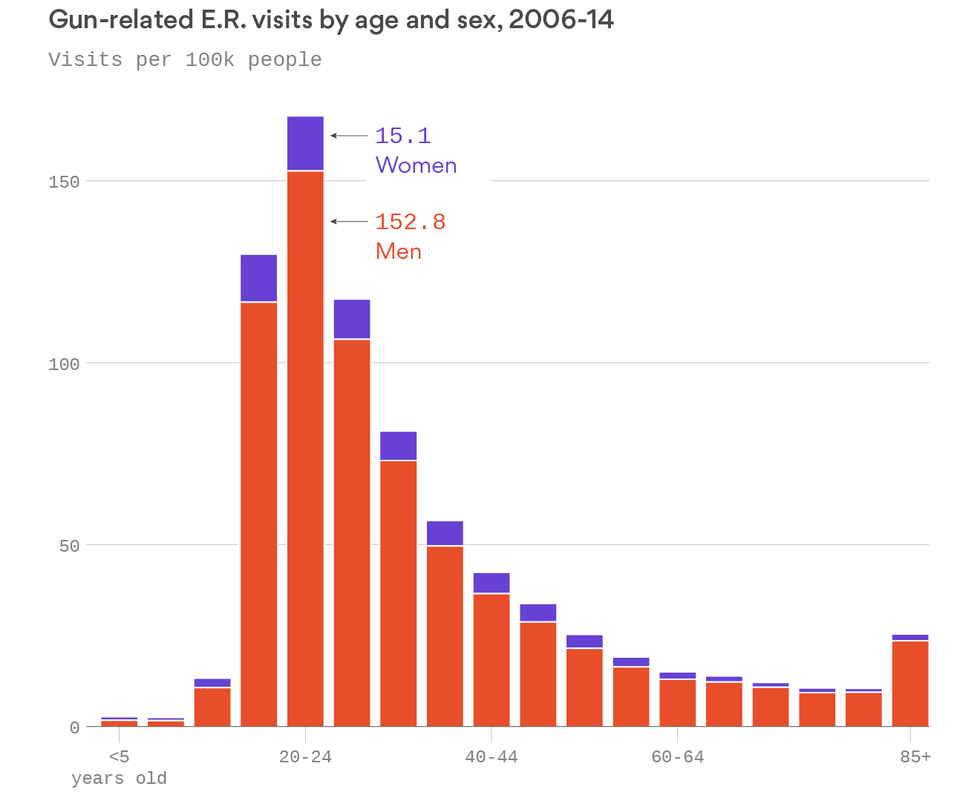
A low-income person, eligible for Medicaid but not enrolled, is hit by a car or a bullet. Gravely injured, she arrives at the hospital unconscious. Thanks to expert, intensive care that lasts for days or weeks, she gradually recovers. Eventually, her health improves to the point where she can complete the paperwork needed to apply for Medicaid.

Such a hospital can be paid today, thanks to Medicaid’s “retroactive eligibility.” Even if the combination of medical problems and bureaucratic delays prevents an application from being filed and completed for several months, Medicaid will cover the care if the patient was eligible when services were provided.

The newest version of the Senate health bill—the Better Care and Reconciliation Act, or BCRA—would end this longstanding feature of the Medicaid program for beneficiaries who are neither elderly nor people with disabilities. If services are received in one calendar month and the application is completed the following month, the hospital would be denied all payment, even if the patient was eligible and the services were both essential and costly.

It does not matter if the state is led by a governor who understands the devastating impact of this change on hospital infrastructure, especially in rural areas where many hospitals are hanging on by a thread. Today, states have the flexibility to seek waivers that limit retroactive eligibility. Under the BCRA, that flexibility would disappear, as states are forced to end retroactive coverage, whether they like it or not.

Almost certainly, this provision would come as a surprise to most senators who are being asked to support the BCRA. It is only one of many unpleasant surprises lurking largely undiscovered throughout the bill. Following are other selected examples.

A Massive Expansion In Federal Power Over State Budgets

The BCRA grants the federal government startling new power over state Medicaid programs and state budgets. Federal dollars per person would be capped, based on state data about prior spending. But in setting the initial cap for each state, the secretary of Health and Human Services (HHS) could change the amount to rectify what the secretary views as problems in the “quality” of state data. In later years, many states could have their caps adjusted up or down by as much as 2 percent per year. That may sound like a small number, but when applied to billions of federal Medicaid dollars going to a state, it could make or break a state’s entire budget. Medicaid costs triggered by a public health emergency are exempt from the cap, but only if “the Secretary determines that such an exemption would be appropriate.” No statutory limits bound the Secretary’s use of this decision-making authority, which can have an extraordinary fiscal impact on states experiencing an epidemic or other public health crisis.

These provisions would give HHS remarkable new leverage over states, which current or future administrations could use to compel state policy changes in any desired direction. The aggressive use of available leverage has been an unfortunate feature of past administrations’ relationships to state Medicaid programs, but it could become substantially more pronounced with the increased federal authority granted by the Senate bill.

Adding To Uncertainties Surrounding State Expenditures

One recurring theme in Medicaid’s history involves state efforts to claim federal matching funds without spending the requisite state dollars. The Senate bill appears to increase this risk. Under Section 207 in the Senate bill, new opportunities emerge for states desperate to counteract the loss of billions of federal dollars. The bill authorizes unprecedented waivers involving federal funding for tax credits that help consumers buy private health insurance. So long as officials complete a form explaining how the waiver’s replacement of federal safeguards would provide an “alternative means” of increasing “access to comprehensive coverage, reducing average premiums, and increasing enrollment,” a state arguably could convert some or all of this federal money into so-called “pass-through” funds that can be used for purposes unrelated to health care. Unlike the Senate bill’s new public health emergency provisions, which require federal audits of state expenditures, states’ use of pass-through dollars has no statutory audit requirement. A state could convert subsidies meant for health insurance to other uses, or simply use the money to close a budget shortfall. As the Congressional Budget Office (CBO) explained about the virtually identical prior version of this section, the Senate health care bill would “substantially reduce the number of people insured” if states “reduced subsidies, received pass-through funds, and used those funds for purposes other than health insurance coverage.”

Medicaid Treatment For Mental Health And Substance Use Disorders

The bill repeals the current requirement that Medicaid programs must cover all “essential health benefits,” including treatment of mental health and substance use disorders. CBO found that, as the per capita limits in the Senate bill grow progressively tighter, federal Medicaid funding would eventually decline by more than a third, compared to current law. States facing such an enormous drop in federal support may see themselves as having no alternative but to cut services classified as optional, which the Senate bill redefines to include mental health and substance abuse treatment.

A Disordered Process

These problems could have been averted had the legislative process followed regular order, with hearings, legislative staff explaining the bill’s provisions, expert testimony, a public markup, and opportunities to address policy and drafting anomalies. Embedded in a measure with underlying policy goals that the authors of this blog post find fundamentally questionable, the picture that emerges is extraordinarily troubling—a legislative effort to divert more than a trillion dollars away from health care for people who are sicker, poorer, older, and indigent, while leaving states with such massive funding deficits and federal leverage that some states may attempt to stem their losses in ways that harm their vulnerable residents even more.

Even people sympathetic to the bill’s core aims, however, have good reason to oppose the Senate making such consequential decisions without taking the elementary legislative steps needed to detect and avoid terrible mistakes. Continuing to shun all the protections of regular order, the Senate appears poised to act on a bill that almost certainly includes additional unpleasant surprises going beyond those discussed here. With legislation that governs one-sixth of the US economy and that directly affects the health and economic security of millions of constituents, Senators are being asked to vote largely in the dark.

Medicaid’s Role in Financing Behavioral Health Services for Low-Income Individuals

Medicaid’s Role in Financing Behavioral Health Services for Low-Income Individuals

Image result for medicaid behavioral health

Behavioral health conditions affect a substantial number of people in the U.S. and are especially common among people with low incomes.1,2,3 Behavioral health conditions include mental illnesses, such as anxiety disorders, major depression, bipolar disorder, schizophrenia, and post-traumatic stress disorder, as well as substance use disorders (SUD), such as opioid addiction. These conditions range in severity, with some being more disabling than others.  People with behavioral health needs may require a range of services, from outpatient counseling or prescription drugs to inpatient treatment.

As a major source of insurance coverage for low-income Americans, and as the only source of funding for some specialized behavioral health services, Medicaid plays a key role in covering and financing behavioral health care. In 2015, Medicaid covered 21% of adults with mental illness, 26% of adults with serious mental illness (SMI), and 17% of adults with SUD.4 In comparison, Medicaid covered 14% of the general adult population.5 In total, approximately 9.1 million adults with Medicaid had a mental illness and over 3 million had an SUD in 2015. Nearly 1.8 million of these adults had both a mental illness and an SUD.6,7

Current Medicaid program financing guarantees federal financial support to states with no pre-set limit. The Better Care Reconciliation Act (BCRA), as proposed by the Senate, restructures federal Medicaid financing by changing it to a per capita cap or block grant, which would likely impact states’ ability to provide coverage for and access to behavioral health services for people who need them. This issue brief provides an overview of Medicaid’s role for people with behavioral health needs, including eligibility, benefits, service delivery, access to care, spending, and the potential implications of the BCRA.

An Association Of Health Funders And The Changing Political Landscape

http://healthaffairs.org/blog/2017/01/19/an-association-of-health-funders-and-the-changing-political-landscape/

As the professional association for health foundations and corporate-giving programs, Grantmakers In Health (GIH) connects the hundreds of health funders who are spread across the American landscape, keeping them up-to-date on rapidly changing developments and providing opportunities for them to share what they’re learning and doing in their respective communities.

Times like now—when dramatic changes to the health care landscape are anticipated—accentuate the importance of this role. In 2017 it will be especially important that we help funders understand, and respond to, significant expected changes in public policies and programs that affect the communities they serve.

We will not simply be in crisis mode, however. Our concern for both informing and shaping the bigger picture of philanthropy’s health and health care priorities is ongoing.

As the year begins, the future of the Affordable Care Act (ACA) is naturally a high priority for us. Health funders are rightly anxious to understand the changes that are likely with a new Congress and presidential administration. Many grantmakers have invested for years at a national or state level to support the implementation of the ACA. They are keenly aware that rolling back the law will have consequences not only for people’s access to health care services, but also, more broadly, for jobs and state economies.

In an immediate response to these concerns, GIH has organized a series of webinars for its membership that offers the perspectives of a range of policy experts. Immediately post-election, these topics included strategies for adapting health reform–related grant making, the future of Medicaid, and the election’s implications for the State Children’s Health Insurance Program (CHIP) and other children’s coverage. Upcoming webinars will include bipartisan views of the new Trump administration’s health priorities and plans, the implications of a possible repeal of the ACA without implementing an immediate “replace” strategy, and the 2016 election’s possible effects on the health of immigrant communities.

Other ACA-related programming will include activities taking place at our annual conference in June, as well as meetings, calls with funders, and publications, including in-depth interviews about foundation strategies. Because changes to the ACA, Medicaid, and other programs will heighten the importance of state-level actions, our 2017 programming will pay special attention to elevating what funders are doing in states and sharing this information nationally.

In addition to this focus on policy changes that will affect access and coverage, we also want to identify health investment areas in which the new administration seems to be interested. We anticipate that addiction, delivery system reform, veterans’ health, and rural health will be on that list.

Frost and Sullivan’s 9 healthcare predictions for 2017

http://www.healthcarefinancenews.com/slideshow/frost-and-sullivans-9-healthcare-predictions-2017?p=0

Lazy Image


The #1 thing you need to know from the 2017 JP Morgan Healthcare Conference: Follow the money

http://www.beckershospitalreview.com/hospital-management-administration/the-1-thing-you-need-to-know-from-the-2017-jp-morgan-healthcare-conference-follow-the-money.html

Image result for follow the money

If you want to understand the future of the $3 trillion U.S. healthcare industry, the lesson of the past is to ‘follow the money.’ And no one would argue that the place to do that is the infamous JP Morgan Healthcare Conference taking place this week in San Francisco.

While there are an estimated 4,000 people attending the conference, there’s roughly another 20,000 here for ‘off the grid’ meetings in every nook and cranny you can find. It is a surreal atmosphere in the form of the top executives from more than 450 private and public companies in biotech, pharmaceutical, medical device and technology, as well as healthcare providers, payers, private equity and venture capital firms and investment banks. Simply stated, this is where medicine’s flow happens.

With that said, roughly $1 trillion or one-third of annual U.S. healthcare spend flows through hospitals and healthcare delivery systems. So, if you want to understand what’s happening now and what will happen in the future, a good place to start is in the nonprofit healthcare provider track, where CEOs and CFOs of over 20 of our nation’s largest healthcare delivery systems presented their strategic plans in rapid fire 25-minute presentations.

Together these organizations represent over $100 billion or 10 percent of that $1 trillion spend. Incredible. The average organization presenting had over $6 billion in annual revenue, 15 hospitals, close to 30,000 employees and thousands of physicians on staff. Many of the name brands in healthcare including Downers Grove, Ill.-based Advocate Health Care, Irving, Texas-based CHRISTUS Health, Cleveland Clinic, Detroit-based Henry Ford Health System, Salt Lake City-based Intermountain Healthcare, Indianapolis-based IU Health, Oakland-based Kaiser Permanente, Cincinnati-based Mercy Health, New York-Presbyterian, Chicago-based Northwestern Medicine, Northwell Health in Great Neck, N.Y., and Robert Wood Johnson Barnabas Health based in West Orange, N.J., presented along with leading children’s hospitals such as Children’s Hospital of Philadelphia and innovative physician focused models such as Marshfield Clinic in Wisconsin and Geisinger Health System in Danville, Pa.

This provided an incredibly important snapshot of both the ground level view of what’s happening in the real world today as well as the bets being placed for the future. What follows is a high-level perspective of what was shared by these prominent provider organizations.

So, follow the money…and here’s the Top 10 Trends shaping how that money is flowing:

Nonacute Care: The New Frontier

http://www.healthleadersmedia.com/leadership/nonacute-care-new-frontier?spMailingID=10066722&spUserID=MTY3ODg4NTg1MzQ4S0&spJobID=1061461419&spReportId=MTA2MTQ2MTQxOQS2

Image result for New Frontier

What happens outside the hospital is increasingly important to success, so healthcare leaders need to influence or control care across the continuum.

If you’re running a hospital, one irony in the transformation toward value in healthcare is that your future success will be determined by care decisions that take place largely outside your four walls. If you’re running a health system with a variety of care sites and business entities other than acute care, the hospital’s importance is critical, but its place at the top of the healthcare economic chain is in jeopardy.

Certainly, the hospital is the most expensive site of care, so hospital care is still critically important in a business sense, no matter the payment model. But if it’s true that demonstrating value in healthcare will ensure long-term success—a notion that is frustratingly still debatable—nonacute care is where the action is.

For the purposes of developing and executing strategy, one has to assume that healthcare eventually will conform to the laws of economics—that is, that higher costs will discourage consumption at some level. That means delivering value is a worthy goal in itself despite the short-term financial pain it will cause—never mind the moral imperative to efficiently spend limited healthcare dollars.

So no longer can hospitals exist in an ivory tower of fee-for-service. Unquestionably, outcomes are becoming a bigger part of the reimbursement calculus, which means hospitals and health systems need a strategy to ensure their long-term relevance. They can do that as the main cog in the value chain, shepherding the healthcare experience, a preferable position; but physicians, health plans, and others are also vying for that role. Even if hospitals or health systems can engineer such a leadership role, acute care is high cost and to be discouraged when possible.

The top 5 conditions affecting communities, according to new BCBSA tool

http://www.healthcaredive.com/news/blue-cross-blue-shield-health-index/431194/

Mapping technologies and population health make a beautiful pairing. Using geographical data can assist care delivery strategies as tech tools such as GIS can track and trend health data for a community overtime.

“As the move to accountable care and value-based payments takes hold, providers and health plans are increasingly interested in applying GIS to assess risk based on geography and the populations that live there, reveal where the greatest need is, and prioritize areas for interventions,” Danny Patel, account executive for health and human services at GIS software maker Esri, told Healthcare Dive in May.

While providers can look to reduce unnecessary readmissions using such efforts, plans like Blue Cross Blue Shield Association – which recently released its new BCBS Health Index – can use local health data to understand the health of a county/population. The tool, using blinded claims data from more than 40 million commercially-insured BCBS members, identifies the health conditions with the greatest impact on the commercially insured. The tool includes information on over 200 conditions.

“What the health index gives us is the ability to work with local stakeholders…to talk about where we need to focus broader health resources,” Maureen Sullivan, chief strategy and innovation officer at Blue Cross Blue Shield Association, told Healthcare Dive. She said the tool isn’t a “healthiest place to live” navigator but rather a starting point to understand conditions affecting communities and develop peer networks.

21st Century Cures Act: 4 health industry impacts summarized

http://www.healthcaredive.com/news/21st-century-cures-act-explained/431491/

On Wednesday, the Senate voted 94-5 to pass the long-awaited 21st Century Cures Bill. As it has backing from the current White House administration, President Barack Obama is expected to sign the legislation into law.

The law has been called the “most important bill of the year” by Senator Lamar Alexander (R-TN), as Politico Pulse reported Tuesday. The bill, while bipartisan, is not without controversy. While the House version of the legislation passed swimmingly with a vote of 392-26, the bill did have its share of opponents in the Senate– including Sen. Elizabeth Warren (D-MA) and Sen. Bernie Sanders (I-VT) – who think the bill is too favorable to pharmaceutical companies. Both Sanders and Warren were among the five Senators to vote against the measure.

And as Modern Healthcare’s Merrill Goozner notes in an editorial, it’s likely the true impact of the bill won’t be known right away but will be realized as the years pass. “The final details of the 996-page legislation…weren’t known until five days before it passed,” Goozner wrote.

About three years of work and efforts from 1,400 lobbyists for 400 companies went into the making of this $6.3 billion package. It seeks to deliberately speed medical research and treatments. Because seemingly no healthcare legislation can be a reasonable length (it’s about 90 pages longer than the ACA) and because nothing in healthcare is simple, we’ve summarized some of the notable implications of the bill in four buckets: Health IT, mental health, FDA reform and research and care funding.

Gun violence survivors and witnesses could face lifetime of trauma and bad health

http://www.modernhealthcare.com/article/20161105/MAGAZINE/311059989

Gun violence survivors

Chicago has been pummeled with near constant gun violence this year. An estimated 3,600 shootings have taken place, on average—that’s about 10 shootings a day.

During the recent Halloween weekend alone, 17 people died and 41 were wounded.

And while politicians and policy makers struggle to find ways to create policies to address America’s violence, another related crisis is slowing growing.

Most of the shootings are concentrated in impoverished communities. The virtual war zones are home to people who suffer from poor health and lower rates of insurance coverage, leaving them at a disadvantage when they are injured, either physically or tangentially, by gun violence. And oftentimes, the most vulnerable victims are young people who have a lifetime ahead.

f you grow up in a world where you’re not feeling safe, then you feel as though you’re under attack whether or not you actually are,” said Dr. David Soglin, chief medical officer at La Rabida Children’s Hospital, an acute-care pediatric center on Chicago’s South Side that specializes in treating children who have been victims of abuse and trauma. “For some kids in our communities, they really are under attack.”

The trauma surrounding exposure to gun violence is not disputed, especially among children. In 1995, the Centers of Disease Control and Prevention reported that children who had four or more adverse childhood experiences, such as experiencing or witnessing a shooting, were more likely to smoke, drink, abuse drugs and engage in unsafe sex. Those behaviors often lead to chronic conditions such as cancer, heart disease, stroke, liver disease, diabetes and sexually transmitted diseases.

The growing number of people who survive living in the country’s most violent neighborhoods is causing public health officials to respond by creating comprehensive violence prevention efforts.

Clinton vs. Trump: 5 critical election issues

http://managedhealthcareexecutive.modernmedicine.com/managed-healthcare-executive/news/hillary-vs-trump-5-critical-election-issues?cfcache=true&ampGUID=A13E56ED-9529-4BD1-98E9-318F5373C18F&rememberme=1&ts=25102016

While Hillary Clinton vows to forge ahead with Obamacare if she is elected president, Donald Trump would scrap it altogether. The end results would be two very different forms of healthcare, and industry leaders have much to consider.

Brill“Many different factors are weighing on managed care executives such as the costs of pharmaceuticals, diagnostics and devices; the impact of consolidation amongst hospitals, physicians, health plans; and the losses in the exchange marketplace,” says Managed Healthcare Executive editorial advisor Joel V. Brill, MD, chief medical officer, Predictive Health, LLC, which partners with stakeholders to improve coverage of value-driven care. “With each of these factors, plans can, at least at a high level, make some educated guesses about the relative risk of each factor and impact to the bottom line.”

The election results, however, are much less certain, which from a risk perspective, weighs heavily on the minds of healthcare executives, Brill says. “How can you plan for business knowing that whatever you are doing currently could be upended in the beginning of November?”

To help provide some clarity, Managed Healthcare Executive identified five of the top industry issues, reviewed the candidates’ platforms for each, and asked industry experts to weigh in.