We Must Hold Big Pharma Accountable For Predatory Pricing

https://www.huffingtonpost.com/entry/opinion-beggelman-price-gouging_us_5ab45270e4b008c9e5f5c47f


It’s hard to remember now, but there once was a time when pharmaceutical companies were considered heroes, not villains.

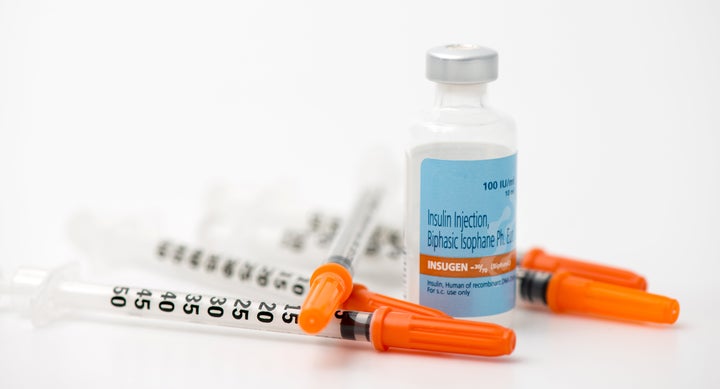
In the 1920s, Dr. Frederick Banting and Charles Best discovered insulin could be purified and administered to diabetes patients via injection. Before this groundbreaking discovery, people living with diabetes were placed on starvation diets as a form of treatment, and many patients died.

Banting and Best understood the enormity of their discovery and considered insulin a public good. But as these researchers soon realized, insulin wouldn’t be able to save lives if patients couldn’t access it. They sold the rights to the drug to the University of Toronto for $1. The university, in turn, gave it to pharmaceutical company Eli Lilly for a 5 percent royalty so the company could manufacture at scale to meet the enormous demand. In 1923, insulin became widely available and saved countless lives, thanks to Banting and Best – and Eli Lilly.

Now, just under a century later, Eli Lilly and other insulin manufacturers are taking the exact opposite approach.

Big Pharma is pushing every scheme imaginable to squeeze money from the pockets of patients who need insulin to survive. Many with diabetes, faced with tripling insulin prices ($200 to $700 per month), are now forced to choose between life and rent. Some patients ― like 26-year-old Alec Raeshawn Smith, who aged out of his parents’ health insurance plan and whose job didn’t offer comprehensive coverage ― have died from a lack of affordable insulin.

Pharmaceutical companies can become heroes again, but only if they stop taking advantage of the patients who need them.

Eli Lilly says the company strives “to make life better for all those affected by diabetes around the world.” And because drug companies do save and improve lives (or, at least, are supposed to), the U.S. government allows them special privileges and protections. This includes tax breaks, government subsidies, extensive patent protection, free access to publicly funded scientific discoveries and more.

However, when drug companies use empty words to make promises they have no intentions of honoring, they do not deserve the public’s largesse.

Big Pharma has not shown any inclination to change its price gouging practices. On the contrary, drug companies continue to push higher costs despite the horrific impact this has both on human life and the U.S. economy. Price freezes in the U.S. are rare (and are exclusively voluntary). They also tend to be set at high levels, like the price “freeze” for the HIV drug Isentress, which caused a stir among HIV patients because of its exorbitant cost compared to competitive products.

Some companies have rolled back drug prices but typically only in response to public humiliation. Doctors at Memorial Sloan-Kettering publicly rejected Sanofi’s Zaltrap, a colon cancer drug, because it was priced twice as high as a competing product. Three weeks after the doctors’ announcement, Sanofi cut its price in half. This is why consumers shouldn’t be satisfied with price freezes; only rolling back prices will return us to reasonable drug costs.

Pharmaceutical companies do sometimes offer “solutions” to runaway drug prices, like value-based pricing and discount cards, but though these practices may help some, they are generally gimmicks meant to distract the public. Value-based pricing sets prices according to a drug’s perceived value rather than according to the actual costs of developing and manufacturing it. Such a practice can put a limit on the price of marginally effective drugs, but on the other hand, it increases the price of medications like insulin ― drugs that save lives but have been around for years and are cheap to produce. Discount cards are sometimes offered to a small subset of insured patients and do very little to help the vast majority of users or those who need the drugs most.

In the U.S., our 20 top-selling medications cost consumers three times more than the exact same drugs cost in Britain. I once paid $36 for a medication in Canada that costs me more than $700 here at home. In many European countries, government committees calculate “reference prices” for classes of drugs with similar ingredients, based on the costs to develop and manufacture them and their clinical effectiveness. That said, it’s probably not realistic to expect our politicians to agree to this kind of approach; in the U.S., pharmaceutical companies are some of the largest contributors to political campaigns, giving more than $2.3 billion over the past 10 years.

Big Pharma is pushing every scheme imaginable to squeeze money from the pockets of patients who need insulin to survive.

Our legislators, too afraid to challenge Big Pharma’s pocketbooks, continue to propose tepid solutions, like price transparency, that only work around the edges. Pharmacy benefit managers ― the industry middlemen who play a role in drug pricing ― take a piece of the pie, but how large a piece remains a secret. Legislation around transparency regarding undisclosed PBM deals could drive down drug prices somewhat, but it likely wouldn’t affect the baseline prices set by drug manufacturers.

The Right Care Alliance ― a group of patients, physicians, nurses, patient advocates, students and other community members with chapters around the country ― is currently organizing a campaign to target price gouging in the pharmaceutical industry. We are planning year-long grassroots actions, including town hall meetings, marches and demonstrations, to pressure Big Pharma to stop predatory pricing, particularly for life-saving medications.

We must force companies like Eli Lilly to address the gap between what they say they stand for and their actions. We must be loud with our demands to counterbalance the hold Big Pharma has on U.S. politics. Drug companies can become heroes again but only if they stop taking advantage of the patients who need them.


Poll: Americans Aghast Over Drug Costs But Aren’t Holding Their Breath For A Fix

https://khn.org/news/poll-americans-aghast-over-drug-costs-but-arent-holding-their-breath-for-a-fix/

The recent school shootings in Florida and Maryland have focused attention on the National Rifle Association’s clout in state and federal lobbying activities.

Yet more than the NRA or even Wall Street, it’s the pharmaceutical industry that Americans think has the most muscle when it comes to policymaking.

poll from the Kaiser Family Foundation found that 72 percent of people think the drug industry has too much influence in Washington —outweighing the 69 percent who feel that way about Wall Street or the 52 percent who think the NRA has too much power. Only the large-business community outranked drugmakers. (Kaiser Health News is an editorially independent program of the foundation.)

Drug prices are among the few areas of health policy where Americans seem to find consensus. Eighty percent of people said they think drug prices are too high, and both Democrats (65 percent) and Republicans (74 percent) agreed the industry has too much sway over lawmakers.

Democrats were far more likely than Republicans — 73 vs. 21 percent — to say the NRA had too much influence.

The monthly poll also looked at views about health care. Americans may be warming to the idea of a national health plan, such as the Medicare-for-all idea advocated by Sen. Bernie Sanders (I-Vt.). Overall, 59 percent said they supported it, and even more, 75 percent, said they would support it if it were one option among an array for Americans to choose.

Americans are far more concerned with lowering prescription drug prices, though they don’t trust the current administration to fix the problem. Fifty-two percent said lowering drug costs should be the top priority for President Donald Trump and Congress, but only 39 percent said they were confident that a solution would be delivered.

“There’s more action happening on the state level; what we are finding is they’re not seeing the same action on the federal level,” said Ashley Kirzinger, a senior survey analyst for KFF’s public opinion and survey research team. “They’re holding the president accountable as well as leaders of their own party.”

Overall, at least three-quarters of people don’t think Democrats and Republicans in Congress, as well as the Trump administration, are doing enough to bring costs down.

Twenty-one percent reported that they didn’t trust either party to lower prices, up from 12 percent in 2016. And, unlike other health-related policy questions such as repealing the Affordable Care Act or creating a national health plan, the poll does not find a partisan divide on this perception.

Passing legislation to lower drug prices was at the top of the list of the public’s priorities, making it more important than infrastructure, solving the opioid epidemic, immigration reform, repealing the ACA or building a border wall.

Looking ahead to the 2018 midterm elections, 7 percent reported that creating a national health plan was the “single most important factor” for how they would vote in 2018. However, 7 in 10 said it is an important consideration, and 22 percent said it is not an important factor at all.

The poll found that support for the federal health law fell this month, from February’s all-time high of 54 percent to 50 percent in March. Opposition moved up slightly from 42 to 43 percent.


Drug prices are still skyrocketing

https://www.axios.com/newsletters/axios-vitals-60130f85-58f2-499f-abf8-271cf0d1c225.html

Falcon Heavy Rocket GIF - Find & Share on GIPHY

The Trump administration — primarily the president himself — has talked a lot about cracking down on prescription drug prices. But the pharmaceutical industry hasn’t changed its ways since Trump took office: 20 drugs have seen price hikes of 200% or more since January 2017, my colleague Bob Herman reports this morning.

  • The drugs to watch: High-cost, high-use prescriptions like Humira, Enbrel and Revlimid. AbbVie hiked the price of Humira, the highest-selling drug in the world, by 19% over the 14-month period, and Amgen did the same for Enbrel. Celgene raised the list price of Revlimid by 20%.
  • The big one: SynerDerm, a prescription skin cream, had the largest price hike. Phlight Pharma, the maker of SynerDerm, raised the list price by 1,468% over the past 14 months.
  • The runners-up: A total of 39 drugs saw price hikes of at least 100%, although many of them — like anti-venom extracts — are rarely used and don’t cost the health care system much overall.

The impact: These increases, which can be found in an analysis by Pharmacy Benefits Consultants, are in the drugs’ list prices, before rebates and discounts are applied. People with insurance don’t pay these full amounts, but price hikes still affect everyone.

  • Copays and deductibles are often based on drugs’ list prices, and uninsured patients can find themselves on the hook for a drug’s entire list price.


Big Pharma’s lobbyists are losing despite their ‘pass the buck’ campaigns

http://thehill.com/opinion/healthcare/376699-big-pharmas-lobbyist-are-losing-despite-their-pass-the-buck-campaigns

Big Pharma's lobbyists are losing despite their 'pass the buck' campaigns

As policymakers and the administration focus on high drug prices, the brand drugmaker lobby has responded by unleashing millions of dollars in an attempt to shift blame.

They’ve blamed price gouging scandals on a “broken system” and claim to want to reform. They bankroll more than 1,400 lobbyists along with many “patient groups” and so-called “experts” to carry these messages to the media outlets and politicians on whom they lavish millions in advertising dollars and campaign contributions.

However, their polling numbers remain as low as before their advertising blitz began as Americans have overwhelmingly negative views of drugmakers and the pricing schemes of “Pharma Bro” Martin Shkreli and others who increased drug prices simply because they found that they could.

The response from the drugmaker lobby has been to rollout slick public relations slogans like “Share the Savings” and “Let’s Talk About Cost” that use fancy infographics in an attempt to move the conversation away from those setting the price of the drug (drug companies) to everyone else who uses or pays for their products, like employers, hospitals, pharmacy benefit managers, insurers, and others.

This isn’t surprising and certainly not unpredictable, but ignores the basic challenge facing drug companies: no amount of money can change the fact that Republicans and Democrats know the problem is high drug prices and that drugmakers alone set those prices.

So despite all this overwhelming lobbying and financial firepower, the question remains: Why are drugmakers losing?

In the recent budget bill, drugmakers were singled out by both parties to pay billions more in discounts to help seniors in the Medicare prescription drug benefit “donut hole.”

This comes as states across the country are taking a harder look at drugmaker pricing schemes and passing legislation in California and Nevada that faced significant pushback from drug companies (and their surrogates).

Like the emperor who wore no clothes, drugmakers have confused politician’s fear of speaking out against them with support for their pricing practices. It appears that most politicians will tolerate, but not believe in the drug lobby’s messages or goals.

Drug manufacturers have a number of options to alter public perception of their pricing strategies. They can assert that their products are a great value at any price but there is definitely a level where that argument fails. They can also compete on price and refrain from automatic pricing increases that obviously impact healthcare affordability.

Instead, they peddle distracting narratives and government mandates that undermine federal programs and result in huge industry profit windfalls. One recent example would be to prevent brand discounts and rebates from being used to lower premiums for seniors.

According to the White House’s budget proposal, this mandate alone would cost the government about more than $42 billion and lead to higher premiums for Medicare beneficiaries.

This is yet another distraction from the real problem of excessive drug pricing. If the drugmakers were truly concerned about affordability, the drug companies would simply reduce their prices. That would have a direct impact on the cost of health care to every American consumer.

Simply put, drugmakers have failed to give policymakers the one thing they need: real solutions that reduce costs. They’ve offered no solutions that score savings — in fact, they all raise costs.

Their relentless, ongoing PR blitz is simply an effort to pass the buck and direct attention away from their pricing strategies. The drug lobby has underestimated the one politician, with whom their money and power doesn’t carry much weight: President Trump. It was only last year that he said drugmakers were “getting away with murder.”

If the record is any indicator, he still thinks Big Pharma is one of the creatures lurking in the swamp he intends to drain.


The Price They Pay

https://features.propublica.org/drug-prices/high-cost-drugs-the-price-they-pay/


THE BURDEN of high drug costs weighs most heavily on the sickest Americans.

Drug makers have raised prices on treatments for life-threatening or chronic conditions like multiple sclerosis, diabetes and cancer. In turn, insurers have shifted more of those costs onto consumers. Saddled with high deductibles and other out-of-pocket costs that expose them to a drug’s rising list price, many people are paying thousands of dollars a month merely to survive.

For more than a year, President Donald Trump and Democrats in Congress have promised to take action on high drug prices, but despite a flurry of proposals, little has changed.

These are the stories of Americans living daily with the reality of high-cost drugs. And there are millions of others just like them.


U.S. Prescription Drug Costs Are a Crime

https://www.bloomberg.com/view/articles/2018-02-27/prescription-drug-costs-in-the-u-s-are-a-crime


And just tweaking the system won’t solve the problem.

President Donald Trump has complained that U.S. drug companies are “getting away with murder.” For once the hyperbole is forgivable: It suggests he takes the problem of drug costs seriously and might be willing to do something about it. Unfortunately, his administration’s efforts up to now suggest the opposite.

The White House has proposed tweaks to government health-care programs. Some of these measures are worth trying — they could help at the margin — but tweaks aren’t enough. The underlying problem is drug prices that are indeed murderous: Americans and their insurers often pay many times what people in other developed countries pay for the same medicines. That’s what policy needs to confront.

The administration wants insurers participating in Medicare’s prescription-drug program, for instance, to share more directly with beneficiaries the discounts they arrange with drug companies. Out-of-pocket drug costs for some people on Medicare would be capped, and reimbursement for medicines administered by doctors would be trimmed. In Medicaid, a handful of states would be allowed to decline coverage for certain drugs, increasing their leverage in negotiating discounts.

Such changes could lower drug spending for some Medicare and Medicaid beneficiaries. But they miss the main point by shifting costs within the health-care system rather pressing down on the costs themselves. Unless this changes, the U.S. will continue to be overcharged for its drugs.

The companies often say that high U.S. prices pay for research into new lifesaving products. Leaving aside why U.S. patients should be asked to shoulder that burden for the entire world, the evidence shows that the argument is false: The premium companies collect in the U.S. market is substantially greater than the amount they spend on research and development.

State legislatures have aimed closer to the mark with efforts to expose the math behind price increases. Vermont, Nevada and California have new lawsrequiring that drug companies provide cost breakdowns to justify big price hikes on popular drugs (including, in Nevada’s case, drugs for diabetes). Several other states are considering doing the same.

Even if these laws stand — they’re being challenged in court — transparency gets you only so far. Pushing prices down will take stronger efforts from the federal government to increase competition.

One good way to do that is to speed the uptake of generics. Scott Gottlieb, commissioner of the Food and Drug Administration, has been pressuring drug makers to stop trying to extend the monopolies they’ve been granted (via FDA approval and patents) for brand-name drugs. But only Congress can forbid those practices, and it has yet to act on bipartisan legislation that would do the job. Trump could show he’s serious about lowering drug prices by urging Congress to pass the law.

Another way to boost competition would be to let people and pharmacies import some drugs from other countries with sound pharmaceutical regulation, such as Canada. Almost one in 10 Americans say they already do, despite the official prohibition.

The U.S. should also do what so many other countries do: negotiate. The Centers for Medicare and Medicaid Services ought to use its enormous purchasing power on behalf of the 42 million Americans in the Medicare drug-benefit program, ensuring that prices better reflect the drugs’ actual medical value. Again, for this to happen, Congress would need to change the law. Incredible as this will seem elsewhere in the world, the U.S. government has denied itself permission to apply pharmaceutical cost-benefit analysis and negotiate prices.

Trump is right to deplore the cost of drugs in the U.S. There’s no great mystery about the causes — and no doubt that much bolder measures than the administration has in mind will be needed to bring prices down.

Democrats considering a new strategy to expand health coverage as frustrations build with Obamacare

http://www.latimes.com/politics/la-na-pol-democrats-healthcare-agenda-20180227-story.html

Democrats considering a new strategy to expand health coverage as frustrations build with Obamacare

After spending most of 2017 defending the Affordable Care Act from GOP attacks, a growing number of Democrats believe the law’s reliance on private insurance markets won’t be enough and the party should focus instead on expanding popular government programs like Medicare and Medicaid.

The emerging strategy — which is gaining traction among liberal policy experts, activists and Democratic politicians — is less sweeping than the “single-payer” government-run system that Sen. Bernie Sanders (I-Vt.) made a cornerstone of his 2016 presidential campaign.

Many Democrats still fear such a dramatic change would disrupt coverage for too many Americans, but they have also concluded that the current law’s middle-ground approach to build on the private insurance market — originally a Republican idea — isn’t providing enough Americans with adequate, affordable health coverage.

These Democrats see the expansion of existing public programs as a more pragmatic and politically viable way to help Americans struggling with rising costs and correct the shortcomings of the 2010 law, often called Obamacare.

 “What is clear is that the Democratic Party as a whole is coming to the conclusion that stand-alone private market solutions to healthcare do not achieve affordability and coverage for all,” said Chris Jennings, an influential Washington health policy advisor who worked for Presidents Clinton and Obama.

“But there is a recognition that you can’t just snap your fingers and have political consensus. … And one of the lessons learned from 2017 is that you better do your homework.”

Democrats are eager to avoid mistakes made by Republicans, who proved unprepared last year as they struggled unsuccessfully to fulfill their years-long promise to repeal the current health law.

Developing a new healthcare agenda doesn’t promise to be easy, as liberal activists and others in the progressive wing of the Democratic Party remain committed to the single-payer solution championed by Sanders and may resist more incremental steps.

At the same time, even more modest moves to build on Medicare or Medicaid will face opposition from hospitals, drugmakers and others in the industry who fear that government health plans would pressure them to accept lower prices.

And no one expects any Democratic plan to go anywhere as long as Congress remains in Republicans’ hands and Trump holds a veto pen.

But in the wake of widespread public rejection of GOP healthcare proposals last year, Democrats see an opportunity to seize the initiative and advance the party’s long-held dream of universal health coverage.

“We’re on offense on healthcare,” said Brad Woodhouse, campaign director for Protect Our Care, an advocacy group formed last year to fight the GOP effort to roll back the 2010 health law. “We need to make healthcare the No. 1 issue.”

Speaking to a recent conference organized by Families USA, a leading national patients’ rights group, Woodhouse cautioned, however, that Democrats must offer voters more than just a defense of the current law.

In recent months, Democratic lawmakers on Capitol Hill have filed a growing number of bills that would expand eligibility for Medicare or Medicaid, which currently limit coverage to qualifying elderly, disabled or poor Americans. The two mammoth government programs are much cheaper than commercial insurance, in large part because they pay hospitals and other medical providers less.

In January, a group of influential liberal health policy experts gathered in Washington to explore these proposals, which typically would allow younger, wealthier consumers to “buy into” one of the two programs.

At the same time, Democratic leaders in several states, including California, New York and New Mexico are exploring state-based initiatives to expand government health plans.

And last week, the Center for American Progress, a leading liberal think tank, released a plan to open up Medicare to all Americans, while still giving workers the option to stick with coverage offered through an employer.

“Democrats have mostly been trying to keep Republicans from repealing the current law,” said Sen. Tim Kaine (D-Va.). “Now we need to come up with the next set of ideas about how to improve coverage and affordability.”

Kaine and Sen. Michael Bennet (D-Colo.) are cosponsoring yet another proposal — which they call Medicare X — for a new government program based on Medicare, particularly for consumers in parts of the country with limited commercial options.

The renewed interest among Democrats in government health insurance has buoyed the hopes of those who support a more ambitious push to create a single public health plan for everyone.

“What has been happening in the last few years is that millions of working people and young people are getting involved in the party … and the grassroots movement is overwhelmingly clear about what it wants from healthcare,” Sanders said in an interview.

“That means that the debate over Medicare-for-all changes, and I think that is what is happening now.”

Indeed, Sanders’ Medicare-for-all bill, which would create a new government plan like Medicare for everyone, has drawn support from nearly every major Democrat in the Senate who is expected to seek the 2020 presidential nomination.

But many Democrats who aspire to something like Sanders’ proposal still worry about the cost and disruptions that would likely be necessary to create a large new government plan for everyone.

“I share the desire for universal coverage,” said Bennet. “The question is what approach is more practical to achieving that objective.”

Nearly a decade ago, Democratic leaders, concerned about the politics of expanding government health plans too aggressively, created the Obamacare insurance marketplaces, which rely on private insurers to provide coverage for Americans who don’t get health benefits through an employer or through a government program.

Democrats even rejected a proposal for a limited government plan to be sold on the marketplaces as a “public option.”

But the ceaseless GOP attacks on the marketplaces, which had been a conservative idea, and the failure of private health insurers to make more affordable plans available — even before Trump took office — has caused more Democrats to back a bigger role for government.

“That is a huge shift,” said Jacob Hacker, a Yale political scientist who helped develop the public option proposal.

Further emboldening Democrats is growing evidence that the public overwhelmingly supports existing government health plans, especially in the face of GOP threats to scale them back.

Eight in 10 Americans held a positive view of Medicare in a recent nationwide poll by the nonprofit Kaiser Family Foundation.

And majorities of both parties favor allowing more people to buy into the program, the survey found.

Medicaid enjoys similarly broad support, with three-quarters of Americans expressing a favorable view.

By contrast, the GOP proposals to roll back the 2010 health law and slash funding for Medicaid were overwhelmingly unpopular, drawing support from just one in five Americans in several nationwide polls.

Even supporters of this emerging Democratic healthcare agenda acknowledge it will take years to develop and may not be fully debated until the campaign for the 2020 Democratic presidential nomination gets underway next year.

But many say it is not too early to begin planning.

“We saw support for Medicaid [during the 2017 GOP repeal push] that took even many longtime Medicaid advocates by surprise,” said Rep. Ben Ray Lujan (D-N.M.), who is sponsoring a proposal with Sen. Brian Schatz (D-Hawaii) to allow people to buy into the Medicaid program.

“There is an opportunity now to build on that momentum,” Lujan said.


Among Those Who Want to Lower Drug Prices, Cacophony, Not Consensus

Everyone seems to want lower drug prices. 5 reasons why that hasn’t happened

Image result for no silver bullet


Everyone seems to want lower drug prices. 5 reasons why that hasn’t happened.

Of all his campaign promises, President Trump’s vow to bring down drug prices was perhaps the most popular.

An assortment of interest groups spoke out loudly and passionately on the need for action, from hospitals to doctors to insurers to generic drug makers to patients themselves.

And in many ways, they seem to have the clout, and resources, to counter drug makers’ slick ad campaigns and lobbying firepower. Last year, the American Medical Association, America’s Health Insurance Plans, and the American Hospital Association together spent more than $45 million lobbying Congress, almost twice what the drug makers’ group, PhRMA, spent in the same time period.

Instead, congressional efforts to lower drug prices are at a total standstill. In interviews with STAT, lobbyists, lawmakers, and congressional staffers, Republicans and Democrats alike, said the most powerful health industry players conspicuously disagree about exactly how to move forward. Every group pushes its own priorities and strategies — a cacophony that makes it unlikely that crushing drug prices will change any time soon.

“They all say, ‘Yes, we should [lower drug prices], and someone else is responsible for it,’” Sen. Patty Murray of Washington, the top Democrat on the Senate Health, Education, Labor, and Pensions Committee, told STAT. “Everybody needs to come to the table and say what can my industry do, what can pharma do. … That will be how we solve this.”

Solving it, however, seems a stretch when just addressing it has gone nowhere. Despite President Trump’s insistence, on the campaign trail and in office, that he will lower drug prices, there has been no major federal effort to do so in the first year of his administration.

The disarray was on full display at a recent congressional hearing, when representatives from nearly every major trade group with any stake in the country’s drug prices — AMA, AHIP, and AHA included — spent almost an hour and a half testifying without more than a cursory discussion of how Congress could fix the problem. When they finally did talk solutions, outside of buzzy phrases like “increase transparency,” almost none of their answers matched.

So why can’t the broader health care industry agree on how to make drugs more affordable? Here are five factors.

1. Health care lobbyists are stuck playing defense.

When it comes to drug pricing, hospitals, insurers, and PBMs in particular have spent the last year fending off congressional inquiries into their own business practices — leaving little time to go on the offensive.

Meanwhile PhRMA has alternately pointed at hospitals, insurers, and PBMs as the profiteers in the current system.

It’s “lobbying 101, to muddy the waters,” according to Rep. Peter Welch (D-Vt.). And in the complicated world of drug pricing, it’s an effective strategy.

Drug makers’ efforts to vilify PBMs and to demand more transparency about their role in the supply chain are well-documented. The Washington Post earlier this year called pharma’s tactics against those players an effort to “start an industry war.”

They’ve opened a similar front against insurers, ramping up rhetoric and backing new patient groups that decry how higher deductibles and copays mean steeper costs for consumers, even when list prices don’t change much.

And they’ve accused hospitals of marking up the price of drugs and pocketing the difference, both in general and specifically as part of a push to overhaul the hot-button 340B drug discount program.

“That disarray you talk about, it’s not accidental,” Welch said. “The flames of that are fanned by pharma, [which] is doing everything they can to create confusion about what’s the right remedy,” he said.

The problem, according to Walid Gellad, who leads the University of Pittsburgh Center for Pharmaceutical Policy and Prescribing, “is that every part of the industry says things that are correct. It is correct that one of the reasons patients are feeling such high prices is because they have to pay coinsurance and big deductibles,” Gellad said, noting that pharma’s concerns with the PBMs and hospitals had some validity, too. “And it’s true that pharma sets the list prices high. They do do that.”

PhRMA spokesman Robby Zirkelbach also said there was a reason for lawmakers’ interest in so many players: the validity of the concerns. He pointed to data that showed slowing growth of prescription drug prices and increasing copays and deductibles.

“There’s no wonder that people are continuing to dig into this issue, and what they’re realizing is that to really be able to address the drug pricing concerns that people have raised, you’ve got to address some of the misaligned incentives in the system,” he said. “This is a complicated system, and we’ve got to look at how money flows across the system.”

And the tactic has successfully diverted lawmakers’ attention. Republicans in both chambers of Congress have held hearings in the past year looking at the “supply chain” that goes into the cost of drugs — broadening their spotlight from the companies that set the price to the other actors that can impact it. And lawmakers on both sides of the aisle say they want to better examine the vast array of players before they make any sudden policy moves.

“There are some that zero in on just one piece of the cost curve, so what I’m trying to do on the committee is look methodically at every piece,” Rep. Greg Walden, the Oregon Republican who chairs the influential Energy and Commerce Committee, told STAT. “We’re going to look at PBMs, we’re going to look at hospital costs, we’re going to look at what insurance costs. We’re going to look top to bottom.”

2. Congress isn’t jumping to act.

Beyond hearings, Congress hasn’t actually shown great appetite to tackle drug pricing. And that lethargy can dampen lobbyists’ enthusiasm to throw their weight and resources behind a given campaign or piece of legislation.

One physician lobbyist called it a “chicken and the egg” problem, wondering whether it would be Congress or the industries to first signal their motivation to act.

Case in point: the so-called CREATES Act. It’s one of the few pieces of drug price legislation that has the support of hospitals, insurers, doctors and a whole host of other groups and companies. But it’s languishing on Congress’s to-do list.

The bill, like its counterpart, the Fast Generics Act, takes aim at what supporters call delay tactics that drug makers use to keep generic competitors off the market. The legislation would give generic manufacturers that are legitimately seeking product samples the right to sue the drug makers if they refuse to hand over those samples.

It’s a small but meaningful change — the Congressional Budget Office has estimated that the legislation could save Medicare, Medicaid, and other federal government health programs more than $3 billion over 10 years.

And industry has been pushing the legislation, albeit without the same urgency that’s animated other priorities. Together, many of the trade associations — along with some three dozen other groups and companies, including Walmart, CVS, and AARP — formed a coalition, the so-called Campaign for Sustainable Rx Pricing, to push the bill. They hired a handful of lobbyists who are largely focused on the issue, too, to the tune of $440,000 over 2017.

But as one supporter put it, “it’s kind of telling that it has to be such an egregious abuse for everyone to coalesce.”

So far, drug makers have blocked attempts to include the measure in the 21st Century Cures Act that passed in 2016 or in last year’s reauthorization of FDA user-fee agreements, a priority for the drug industry. They say the bill will weaken protections for patients and spur “meritless, wasteful litigation.”

Supporters were nonetheless optimistic about the path forward for the bill. Several lobbyists backing the effort, along with staffers in both the House and Senate, told STAT there is momentum on Capitol Hill to include the measure in an upcoming spending package since it could help offset some other spending.

3. Each industry has very different priorities, even when they do agree.

Even when they do agree — as on CREATES, for example — health industry lobbyists don’t always prioritize the same issues. Some may have spent 2017 more focused on the repeal and replace of the Affordable Care Act than drug pricing. Others might have they used their meetings with lawmakers to defend a tax credit. Or perhaps some argue for other, more important drug pricing policies that need to be tackled first.

“When you work with these other groups, they rank [policy proposals] differently. There are certain things they want first. So it’s not only about finding solutions you can agree on, but about which ones you want to do first,” one patient advocate told STAT.

Drug makers, on the other hand? Pricing is their primary concern.

Other groups “have their own fish to fry, their own priorities,” said David Mitchell, the founder of the patient group Patients for Affordable Drugs. For drug companies, “it’s their number one issue: drug pricing. All the rest of them have their own number one issues, and drug prices aren’t it.”

4. All the major players have a stake in the status quo.  

Academics had another easy explanation for the lack of consensus — and the lack of concerted effort — from health care industry groups that profess an interest in lowering drug prices. They all profit from the current system.

Hospitals are paying more for drugs for patients admitted to the hospital, but on the flip side, at least some facilities are profiting from reimbursements for drugs in outpatient settings and in their own specialty pharmacies, according to Peter Bach, the director of Memorial Sloan Kettering’s Center for Health Policy and Outcomes. PBMs also earn bigger rebates if the list prices are higher. And doctors, too, make more money under Medicare rules if they administer a more expensive drug to a given patient.

“People are paying these bills and the pie is getting bigger. Everyone’s arguing about where the knife comes in and cuts the slices of pie,” he said. “Everybody thinks everybody else is getting an unfair share.”

Gellad agreed.

“Everyone is making a lot of money. No one’s gone broke. So they don’t want to change things,” he said. “And that’s why the industry is not going to all agree to do something [on drug prices], because they’d all have to agree to lose money. Why would anyone agree to do that?”

5. There’s no silver bullet.

It’s not as if there’s one easy solution, ripe for the picking, if only groups could agree on it, several trade association officials told STAT. The piecemeal approach — getting behind policies like CREATES and then turning to other, smaller issues — may be the best way to approach the issue, they argued.

Similarly, lawmakers said there’s no one fix.

“The reason you haven’t seen all of the groups coalesce around one proposal — it’s not really clear what the solution is at this point because it’s such an opaque process,” Rep. Diana DeGette (D-Colo.) told STAT. “It’s hard to see what one solution there would be.”

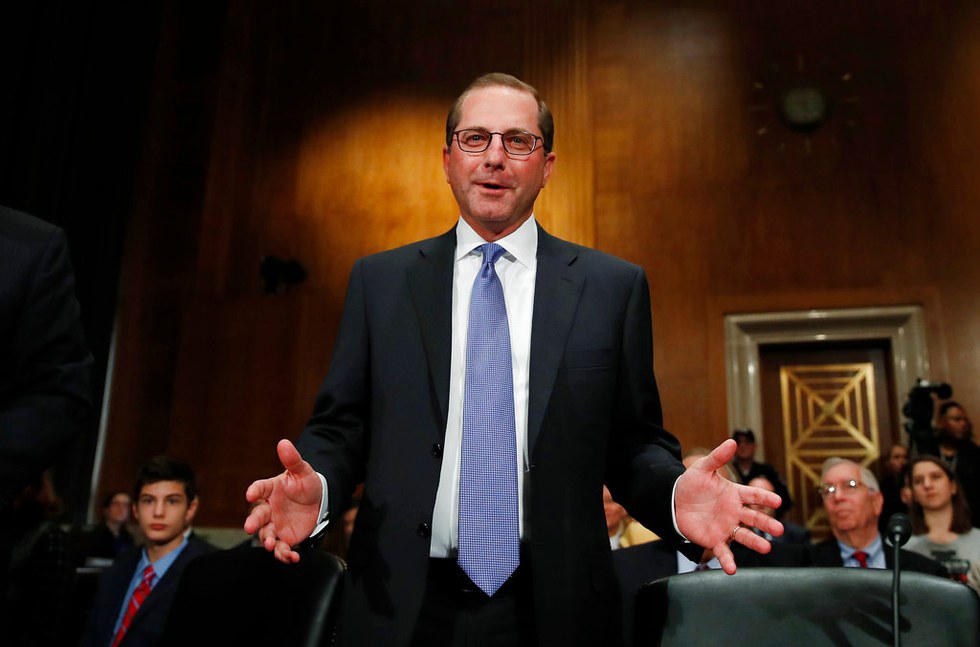
Mitchell, along with a spokesman for the Association of Accessible Medicines, which represents generic manufacturers, also pointed to growing consensus behind smaller, targeted policies that would keep branded drug manufacturers from “gaming the system” — policies like CREATES and other changes to the patent system that could garner broader support. They each noted, too, that newly confirmed Health and Human Services Secretary Alex Azar, himself a former drug company executive, had voiced support for those changes during confirmation hearings.

They also preached patience. Bach, a former senior adviser to the Centers for Medicare and Medicaid Services, likened the push to the decades of jockeying between various environmental groups over fossil fuel regulation.

“Environmental regulation is a classic example of this,” Bach said. “You have this broad array of interested parties that would like to see movement, but the flavor of the movement they want, the ranking of their priorities, it’s not ‘one and only,’ even if it’s top [priority] — against a highly concentrated entity that specifically has a single agenda counter to it, with deep influence. That is a very hard row to hoe.”

“We are making progress,” he added. “But we get there in fits and starts.”

What we learned from Azar’s first hearing

https://www.axios.com/hhs-nominee-drug-prices-are-too-high-2513516063.html

Alex Azar is in line to be the next HHS secretary. Photo: Carolyn Kaster / AP

The biggest cloud hanging over Alex Azar during his Senate confirmation hearing Wednesday was his pharmaceutical industry background. Republicans praised the experience as an advantage to tackle high drug costs, while Democrats said it raises conflicts of interest and encourages a revolving door mentality.

Azar’s response: He will not “implement pharma’s policy agenda. I don’t know what their list of agenda items is.”

Between the lines: Private industry experience doesn’t preclude someone from a public job. But, as my colleague Bob Herman notes, many of Azar’s responses matched up with the pharmaceutical lobby’s playbook:

  • discussing the holes in health insurance plans and high deductibles
  • targeting pharmacy benefit managers and others in the “entire channel”
  • focusing on lowering what people pay at the pharmacy counter instead of systemic issues like the rising list prices that drugmakers set

Yes, but: Azar did mention wanting to reform the drug patent system, which the drug industry almost certainly would oppose.


Californians will get more information on what’s driving prescription drug prices under law signed by governor

http://www.latimes.com/politics/la-pol-ca-prescription-drug-price-disclosure-20171009-story.html

Image result for Californians will get more information on what’s driving prescription drug prices under law signed by governor

Gov. Jerry Brown approved a measure Monday to increase disclosure on prescription drug prices, the focal point of growing efforts to clamp down on climbing pharmaceutical costs.

Supporters call the law the nation’s most sweeping effort to make prescription drug pricing more transparent. The measure would require drugmakers to provide notice to health plans and other purchasers 60 days in advance of a planned price hike if the increase exceeds certain thresholds.

The measure, SB 17 by state Sen. Ed Hernandez (D-Azusa), will also require health plans to submit an annual report to the state that details the most frequently prescribed drugs, those that are most expensive and those that have been subject to the greatest year-to-year price increase.

”The essence of this bill is pretty simple,” Brown said at a Capitol signing ceremony. “Californians have a right to know why their medical costs are out of control, especially when pharmaceutical profits are soaring.”

The disclosure, backers say, would help shed light on how prescription drugs are contributing to overall healthcare costs.

“SB 17 speaks to the needs of all Californians who have felt the strain of nonstop prescription drug price increases,” Charles Bacchi, president and chief executive of the California Assn. of Health Plans, said in a statement. “Pharmaceutical prices have long played an outsized role in driving up the cost of health coverage across the board. SB 17 gives us the tools to address the issue by helping us prepare for price hikes and discouraging needless cost increases.”

But pharmaceutical companies strongly opposed the measure, arguing the information would paint an inaccurate picture of drug spending, since the disclosure centers on full sticker cost set by manufacturers. Purchasers rarely pay the full list price, either through negotiated discounts or through use of consumer rebates or coupons.

“It is disappointing that Gov. Brown has decided to sign a bill that is based on misleading rhetoric instead of what’s in the best interest of patients,” Priscilla VanderVeer, a spokeswoman for the Pharmaceutical Research and Manufacturers of America, said in a statement. She said the measure “ignores the reality that spending on prescription medicines remains a much smaller portion of overall healthcare spending.”

VanderVeer said the manufacturers’ group was ready to work to combat affordability issues but added: “It’s time to move beyond creating new, costly bureaucratic programs that don’t make a dent in patients’ costs for medicines.”

Escalating drug prices inspired a slate of measures from lawmakers this year. Brown on Monday signed an additional measure, AB 265 by Assemblyman Jim Wood (D-Healdsburg), that will restrict the use of drug rebates or coupons for brand-name drugs when cheaper generic alternatives are available.

The law includes a number of exemptions, including for when patients have gotten authorization from their health insurers for brand-name treatments. But Wood has pitched his measure as a way to stem widespread use of such vouchers, which some researchers have said drive higher overall healthcare costs by giving patients incentive to pick pricier medicines.

Other related bills, including a measure to clamp down on gifts doctors can receive from pharmaceutical companies and a proposal to regulate pharmacy benefit managers, a little-scrutinized part of the drug supply chain, sputtered earlier this year.

The disclosure bill was seen as the centerpiece of the focus on drug prices, setting off a fierce lobbying battle in which the pharmaceutical industry squared off against a coalition of backers that included health plans, labor groups and consumer advocates.

It also garnered support from some Republican lawmakers, who have typically been aligned with drug makers.

“Shouldn’t we do something to help make this system operate better so we can get better cost savings for our consumers? That’s a conservative principle,” said Assemblyman James Gallagher (R-Yuba City).

Now, Hernandez said, he hoped the law would inspire similar action on a national level.

“I want to challenge our federal elected officials…to do the same thing at the national level,” he said, “so that we can make sure that every single person in this country not only has access to healthcare but they can afford their healthcare premium dollars.”

In his signing remarks, Brown said the angst over rising drug costs — and manufacturers’ substantial profits — was symptomatic of the broader gap between the haves and have-nots.

“The social and political fabric is being ripped apart,” Brown said. “The inequities are growing. The rich are getting richer, the powerful are getting more powerful and a growing number of people are getting more desperate, more alienated.”

He directed a message to the pharmaceutical industry that opposed the bill: “You’ve got to join with us. You’re part of America. And if we all don’t pull together, we’re going to pull apart.”